



A Shift in Rice Consumption: The Decline of Daily White Rice Eaters
A Shift in Rice Consumption: The Decline of Daily White Rice Eaters
A recent survey conducted by Asmarq, a marketing research company based in Shibuya, Tokyo, highlights significant changes in rice consumption trends among Japanese consumers. The study, which surveyed men and women aged between 20 and 69 years, shows the diminishing frequency of white rice consumption from 2017 to 2026. The data was officially released on February 2, 2026.
Survey Overview
The survey was carried out in light of rising rice prices, which have been impacting household budgets considerably. According to the Ministry of Agriculture, Forestry and Fisheries, the average price of a 5-kilogram bag of rice in supermarkets nationwide reached 4,283 yen during the week of January 12-18, 2026, marking an increase of 18.1% compared to the previous year. This surge in prices has prompted consumers to rethink their purchasing habits and dietary choices, with a growing focus on health-conscious options like brown rice and mixed grain rice.
As part of its research, Asmarq has re-conducted the 'Rice Consumption Survey' originally held in 2017, allowing for a comparative analysis of consumption patterns over the years. This new data sheds light on the evolving health awareness among consumers and how dietary changes have influenced their rice consumption routines and purchasing behaviors.
Key Findings
Several pivotal findings emerged from the survey:
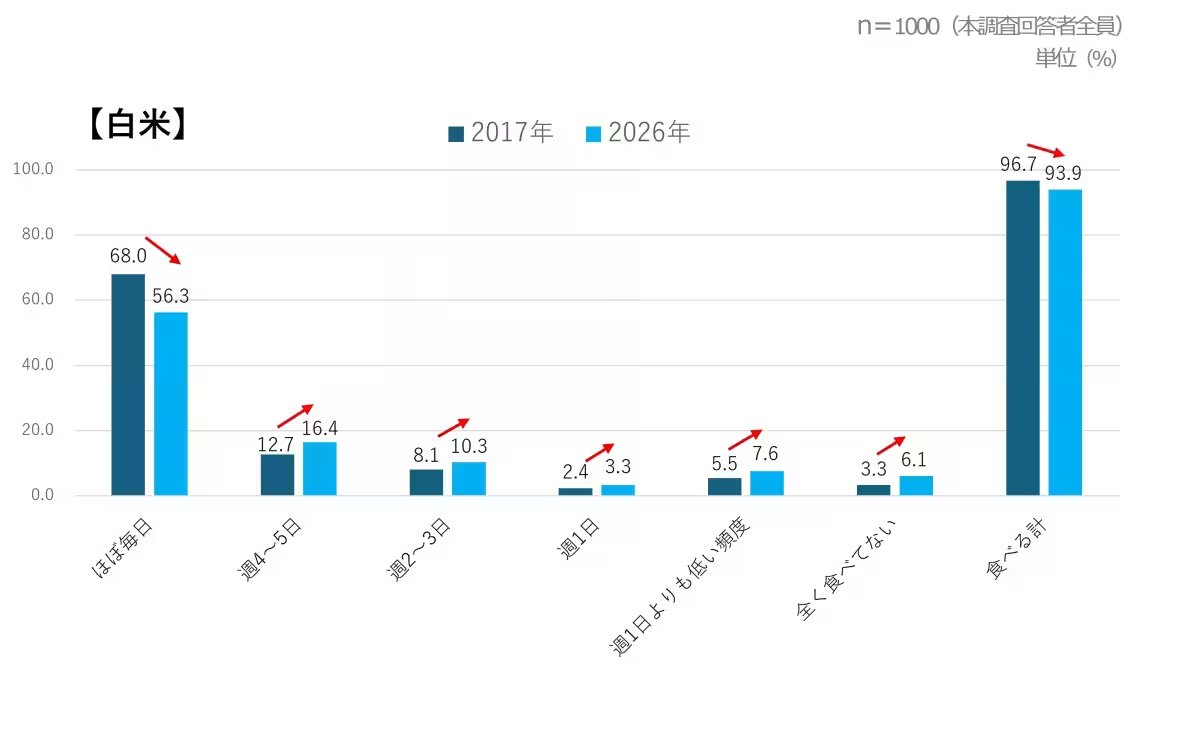
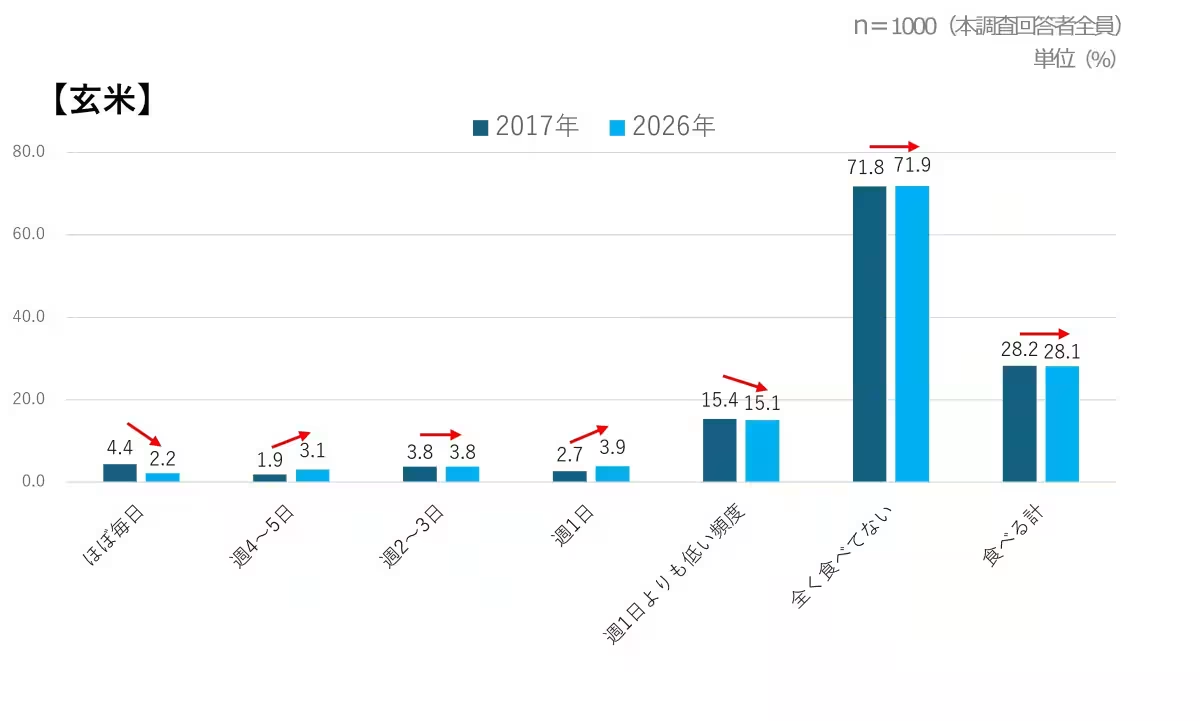
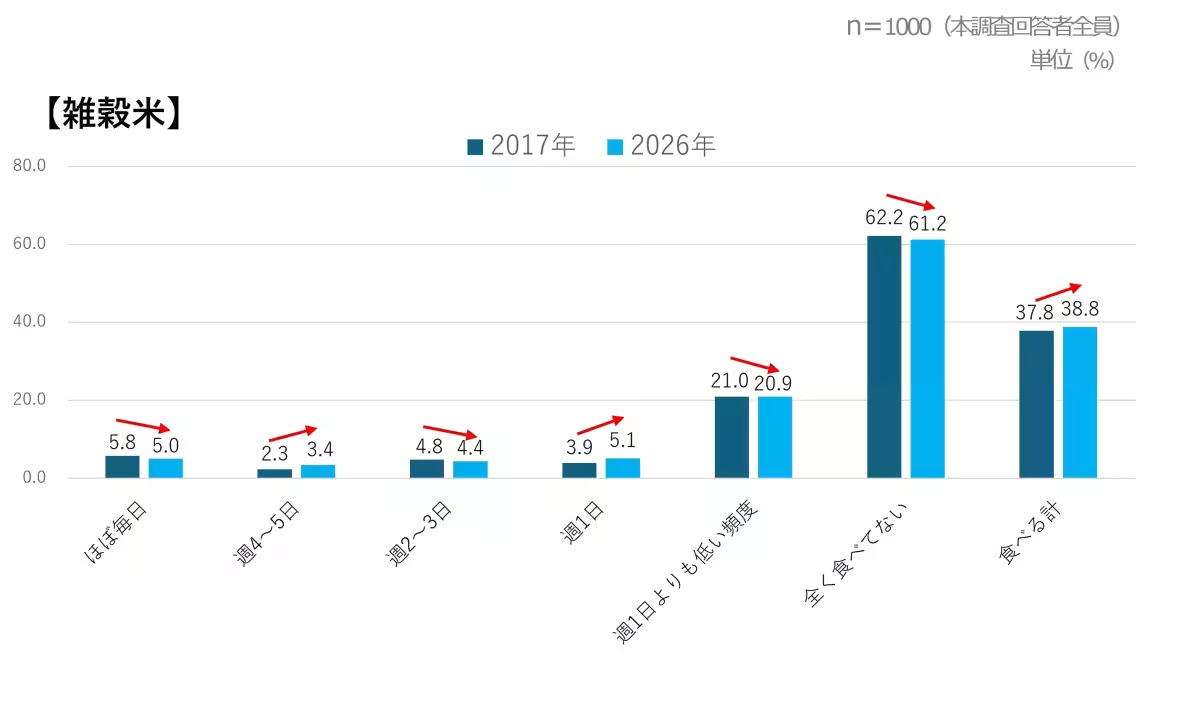
1. Decline in Daily White Rice Eaters: The percentage of individuals consuming white rice daily has decreased significantly, dropping approximately 12 points from 2017. Specifically, the proportion of people consuming white rice on a daily basis fell from 68% to 56%. In contrast, the frequency of brown rice dinners remained stable, while mixed grain rice consumption has increased by 1 point.
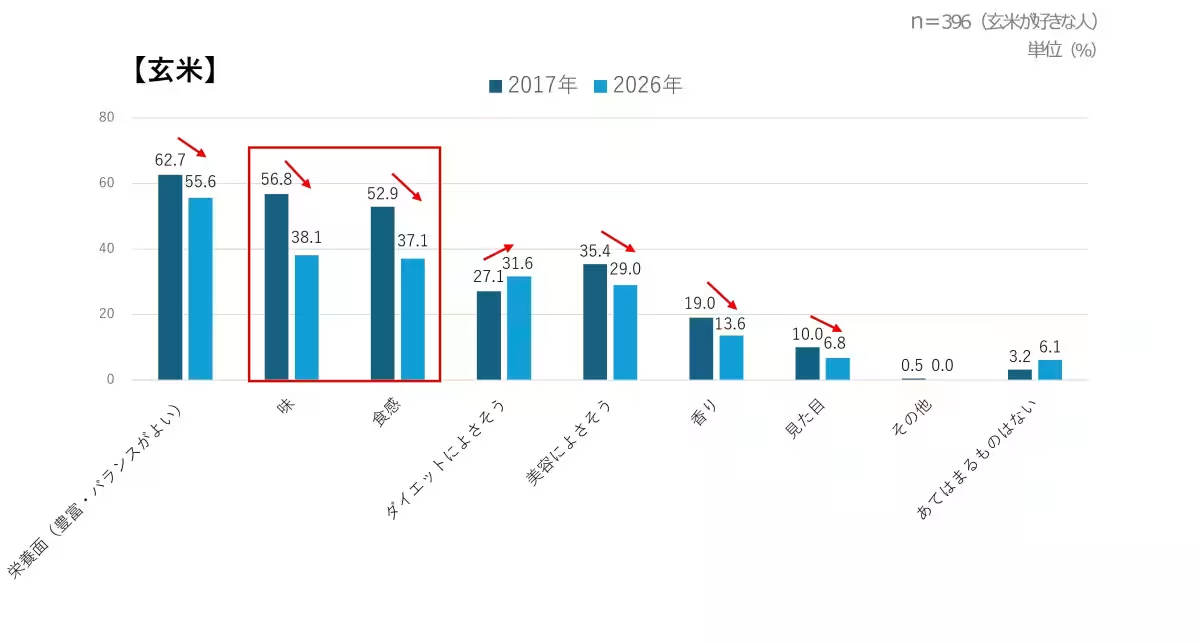
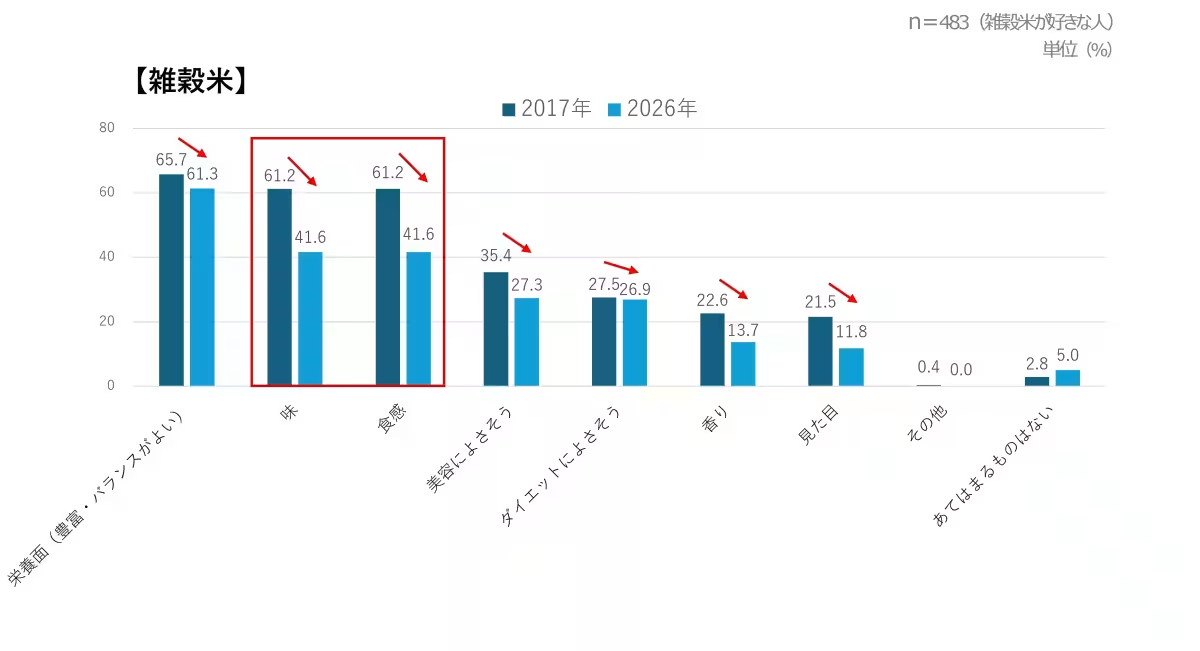
2. Changing Taste Preferences: When respondents who prefer brown and mixed grain rice were asked about their reasons, the desire for flavor and texture displayed notable declines. 2017 responses indicated that ‘taste’ and ‘texture’ were main reasons for preference, but these figures saw significant drops by 2026.
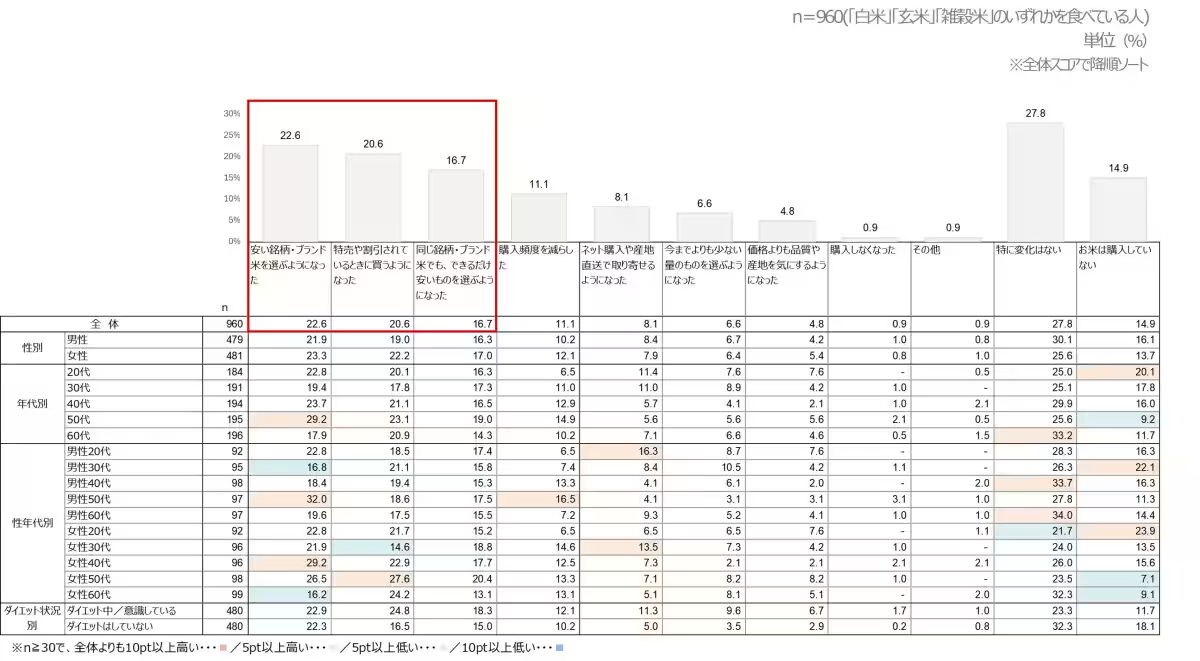
3. Shifts in Purchasing Behavior: In light of rising rice prices, over half of the respondents indicated that their purchasing methods for rice had changed. Most notably, a growing trend towards opting for less expensive brand options and purchasing during sales has emerged, indicating a shift in consumer behavior aimed at managing rising costs.
Diet and Rice Consumption
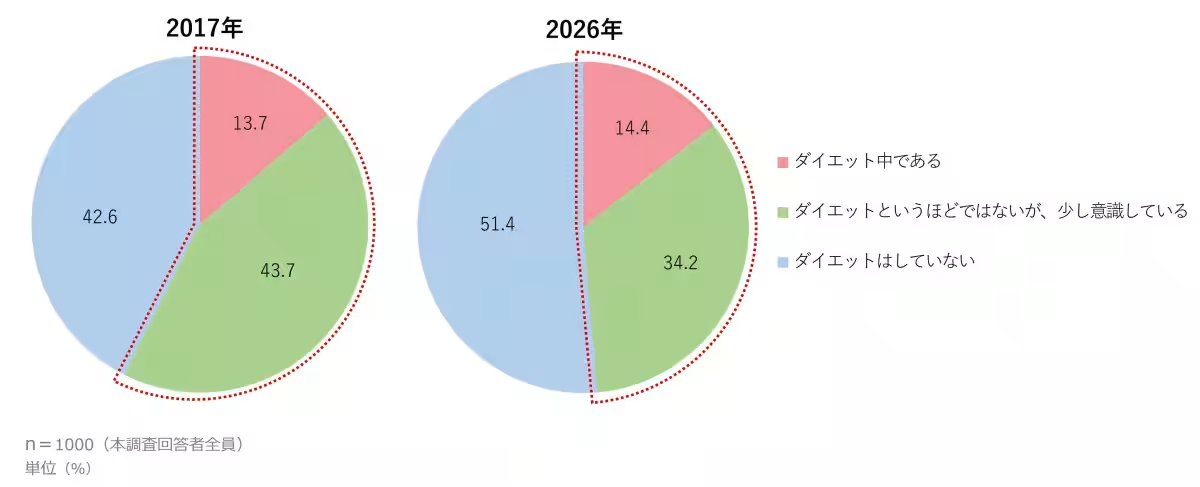
The data also explored consumer diets, revealing an overall decline in those actively dieting, dropping by 8.8 points since 2017. Interestingly, while less focus on dieting was reported, the consumption frequency of white rice continues to decline.
In examining the frequency of consuming white, brown, and mixed grain rice, 93.9% of respondents reported consuming rice in some capacity, highlighting that while overall consumption is robust, the daily intake of white rice is not as prevalent as before.
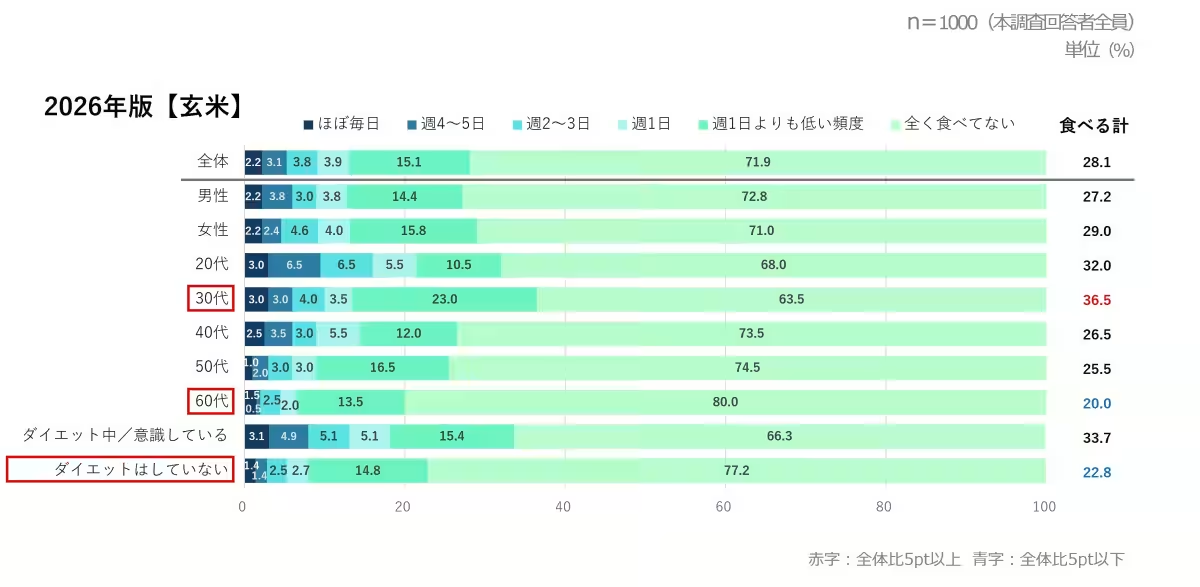
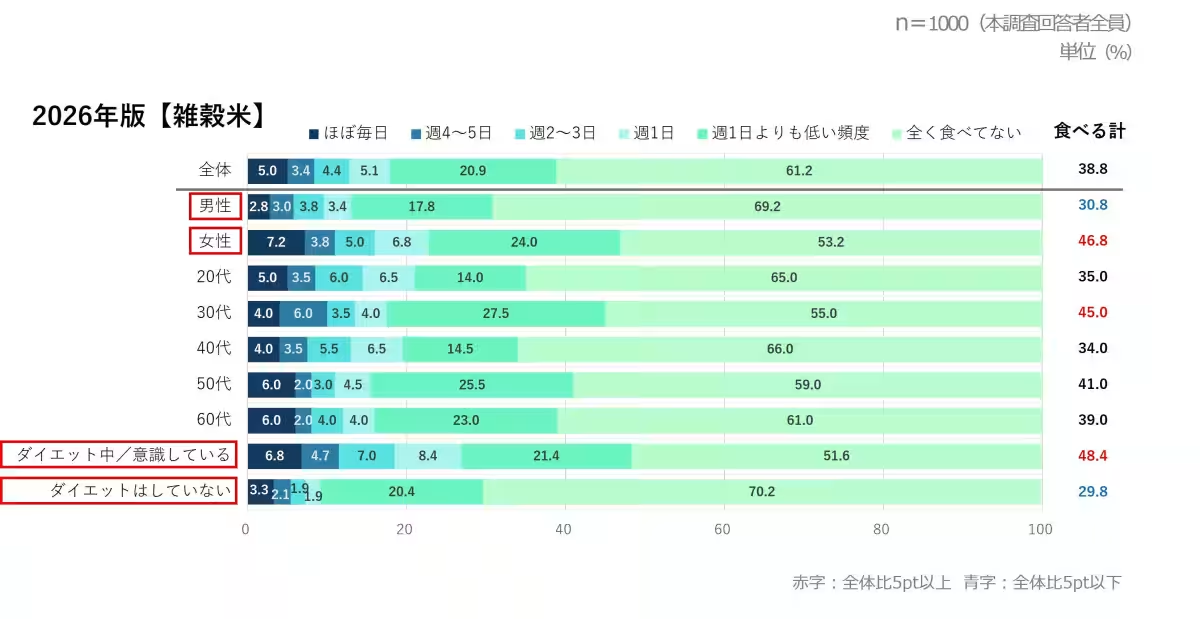
Brown rice saw a stable consumption rate, with 28.1% reporting to have eaten it, whereas mixed grain rice consumption grew to 38.8%. Generational differences are also noted, with younger consumers (in their thirties) more likely to consume brown rice than older generations.
Motivations Behind Preferences
Survey respondents revealed notable shifts in motivations for preferring brown and mixed grain rice. The perception of brown rice as a beneficial diet option has risen, yet factors such as flavor and mouthfeel saw considerabe diminisment. This suggests that, while health remains a pressing concern, taste continues to play a critical role in consumer choices.
Conclusion
The findings from this survey not only underscore the changing landscape of rice consumption in Japan but also reflect broader lifestyle adjustments influenced by economic conditions and health consciousness. With rice prices continuing to climb, the way Japanese consumers purchase and consume rice has evolving rapidly. As health trends continue to take forefront, the future will reveal if these shifts become permanent fixtures in dietary habits.
Topics Consumer Products & Retail)
【About Using Articles】
You can freely use the title and article content by linking to the page where the article is posted.
※ Images cannot be used.
【About Links】
Links are free to use.