



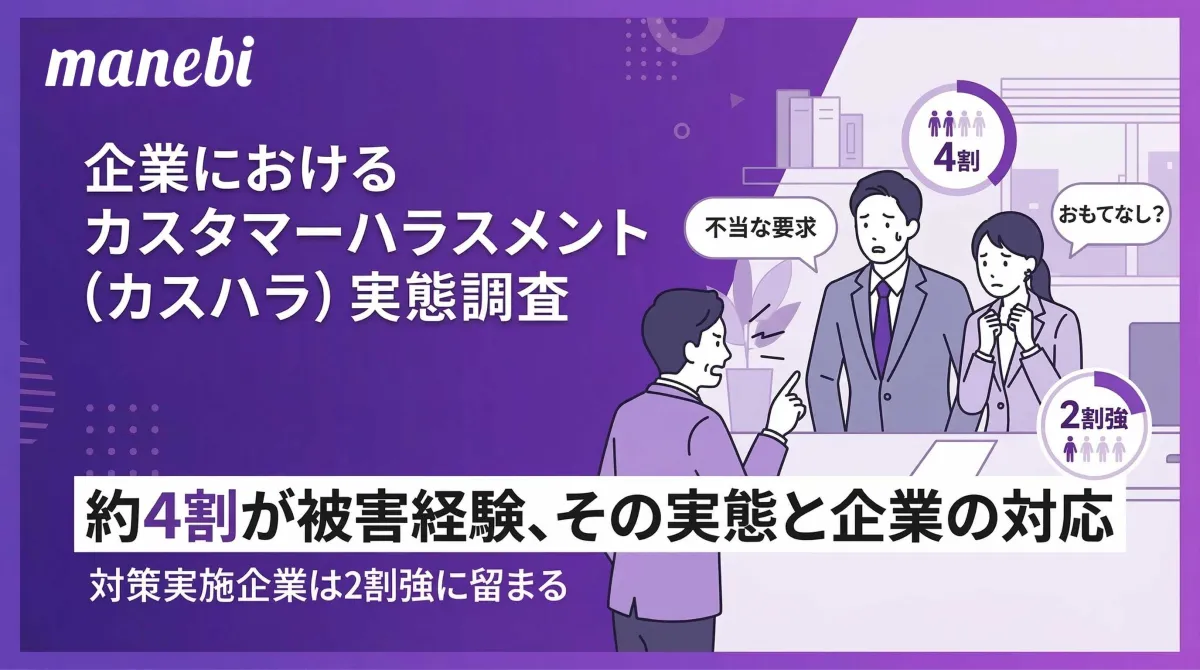
Urgent Need for Solutions to Customer Harassment: Findings from Recent Survey
The Rising Concern of Customer Harassment
In today’s service-oriented industries, customer harassment, referred to as "customer harassment" or "カスハラ" in Japanese, is becoming an increasingly serious issue. A recent survey conducted by Manebi Inc., a Tokyo-based company, aimed to uncover the reality surrounding this problem, which significantly impacts the work environment and mental health of employees.
Survey Overview
The online survey gathered responses from 38 companies, all utilizing Manebi's services or registered on their mailing list. Conducted in late February 2026, the survey exposed crucial insights into the prevalence of customer harassment within workplaces, current protocols in place, and the challenges faced by employees in handling customer interactions.
Key Findings
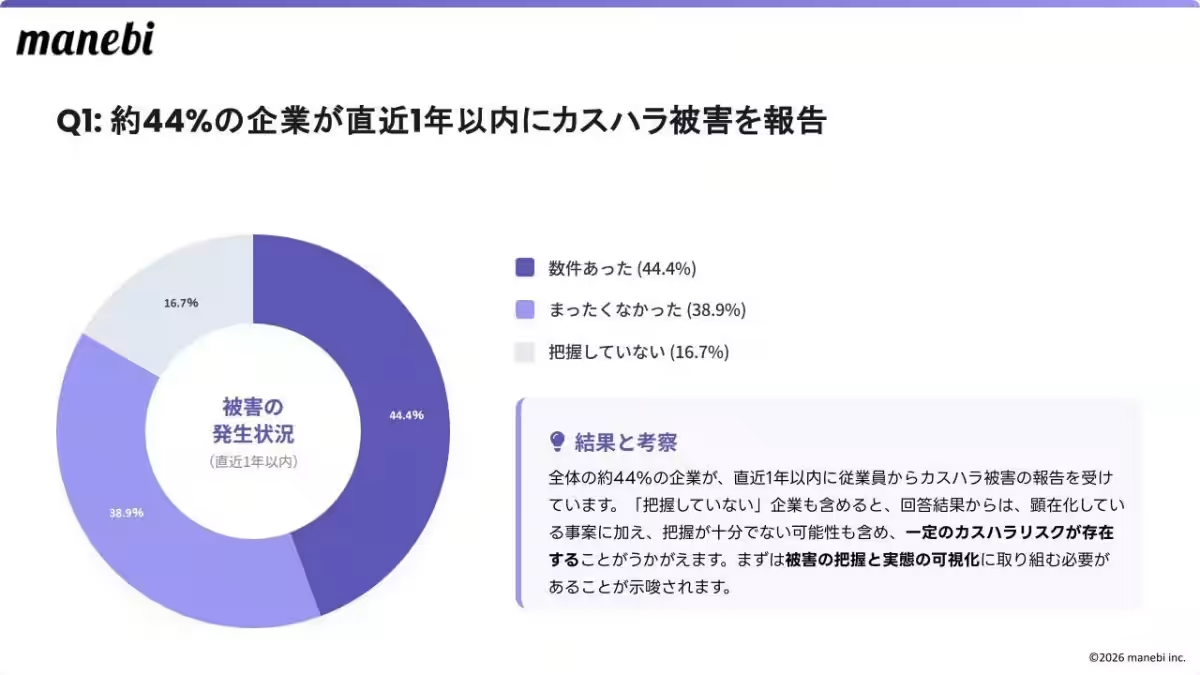
1. High Incidence of Harassment: Almost 44% of companies reported incidents of customer harassment within the past year. The responses revealed that while 38.9% had no reported cases, the remaining 50% of workplaces could be at risk of harassment, indicating a silent prevalence of this issue.
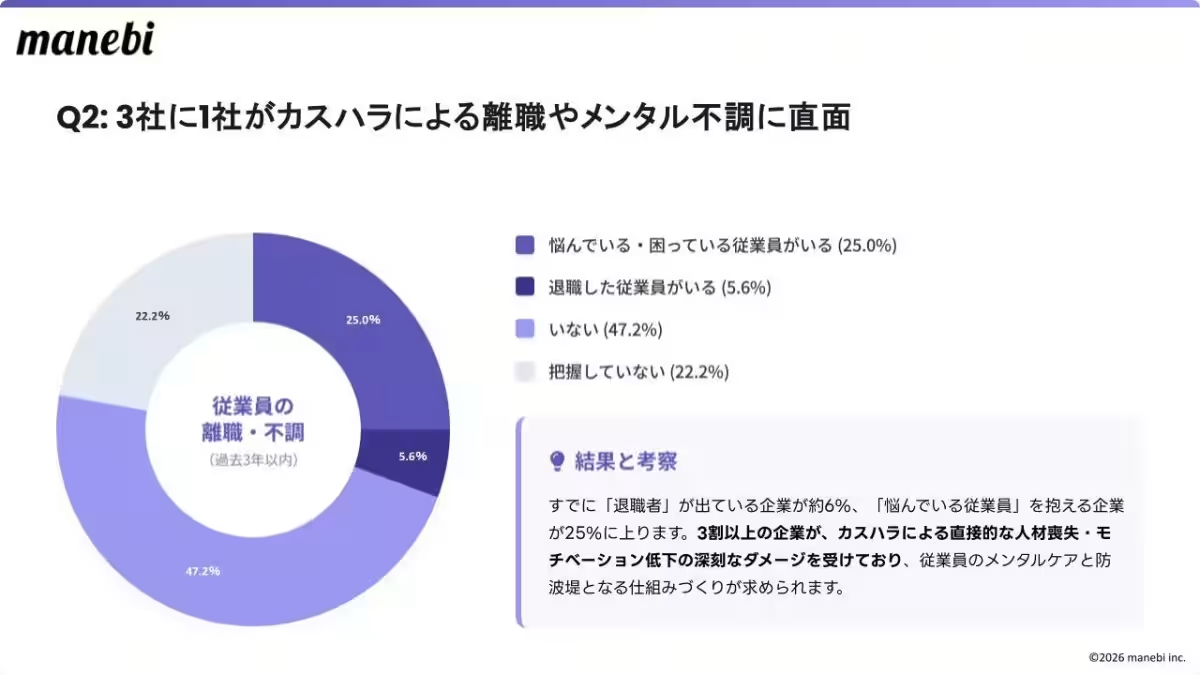
2. Employee Impact: The fallout from customer harassment is serious, with approximately 6% of businesses having experienced employee resignations due to such incidents. An additional 25% reported employees who are struggling with issues stemming from customer harassment. This statistic highlights the pressing danger of losing valuable talent and the overall decline in employee morale.
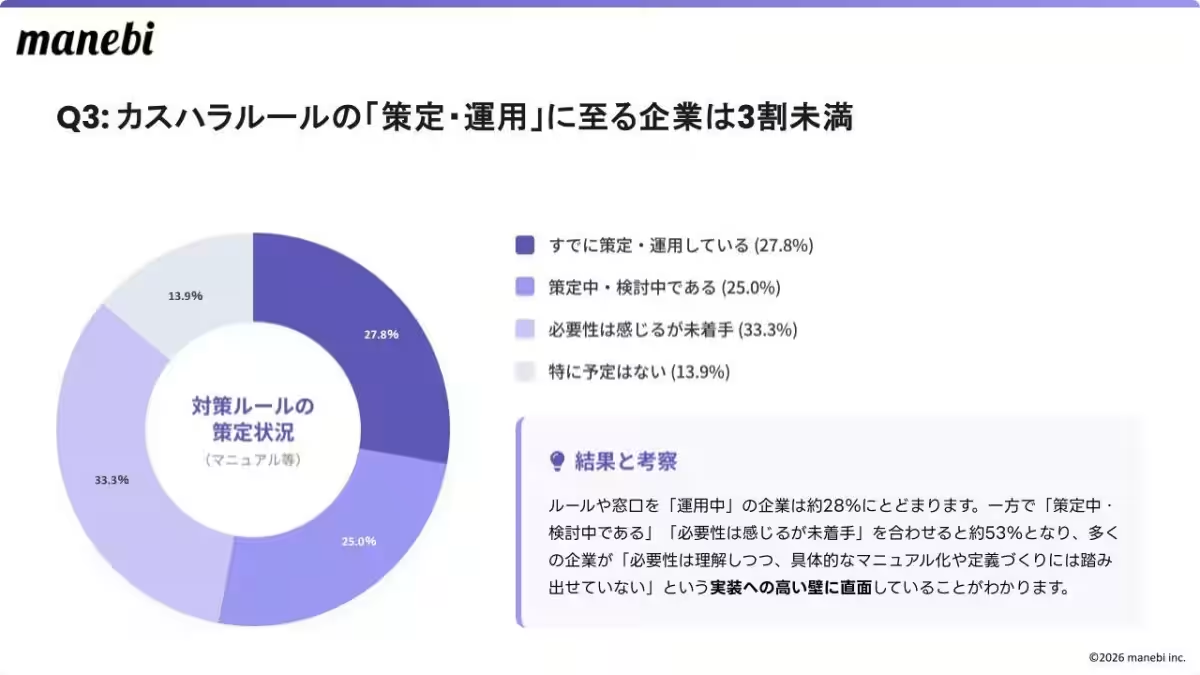
3. Need for Action: Alarmingly, only around 20% of businesses have established comprehensive anti-harassment policies, while a staggering 60% have yet to take any significant steps to address this critical issue. 33.3% acknowledged the need for regulations but remain unprepared, underscoring a disengagement between awareness and action.
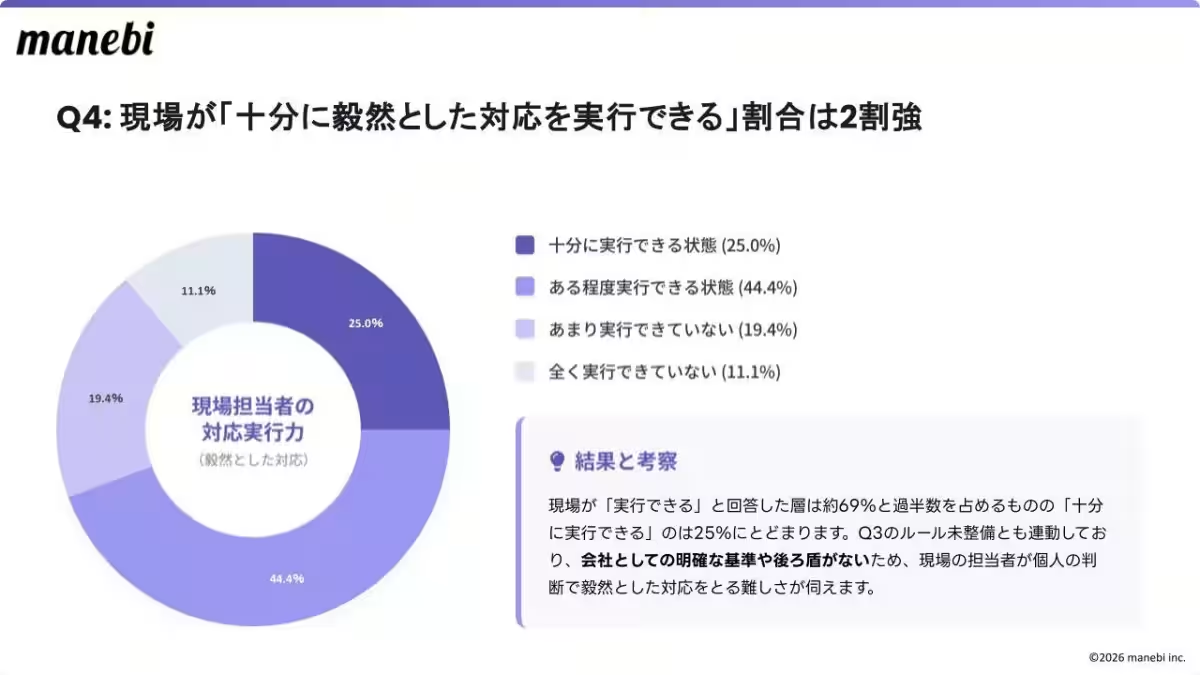
4. Inadequate Frontline Responses: About 25% of respondents indicated that their companies are not equipped to respond effectively to customer harassment scenarios. The ambiguity surrounding company procedures leaves employees feeling isolated, relying on personal judgment to navigate challenging interactions.
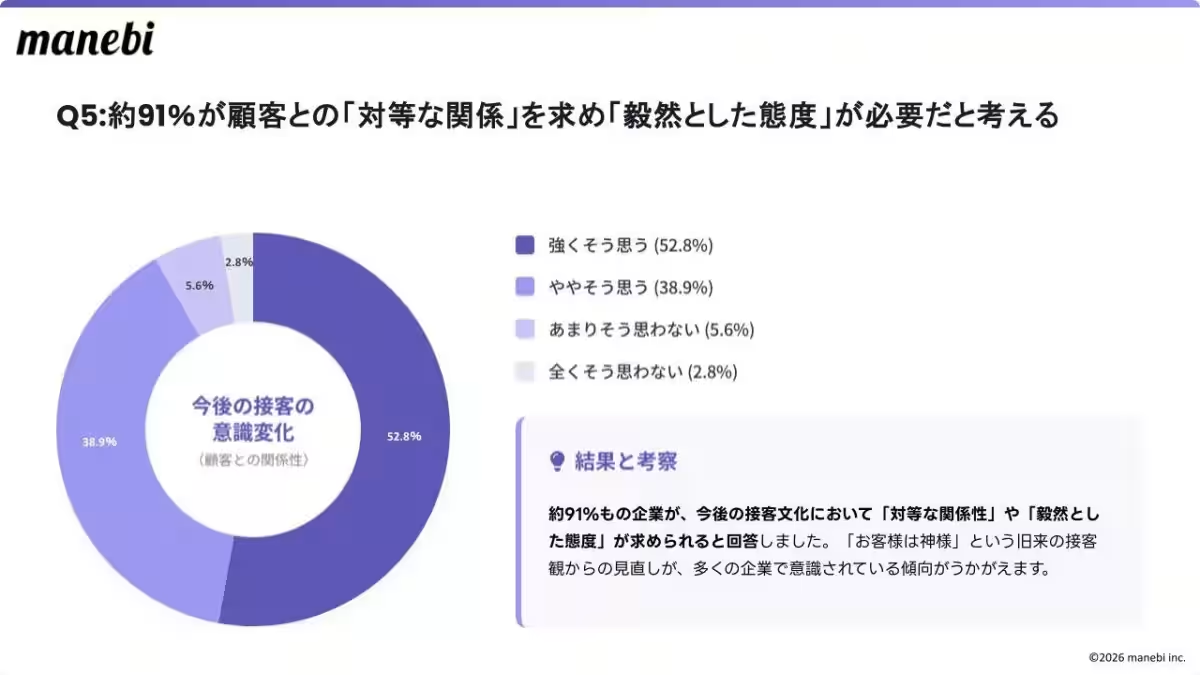
5. Shift in Customer Relationships: More than 90% of businesses agree on the necessity for establishing an equal relationship and assertive demeanor towards customers moving forward. This response suggests a significant shift from the traditional mindset of "the customer is always right." Companies are beginning to acknowledge the importance of employee dignity in customer service.
6. Voices from the Frontlines: Open-ended survey responses revealed the complexities staff face when addressing customer behavior. Many highlighted the ambiguous boundaries between handling customer complaints and harassment, pointing to a dire need for clear guidelines and training.
The Necessity for Systematic Change
The survey results highlight a profound discrepancy between the recognition of customer harassment as an issue and the operational strategies implemented by companies to combat it. While almost all participants understand the importance of maintaining a respectful and balanced rapport with customers, fewer than one-third of firms have successfully developed actionable guidelines.
Strategic Recommendations
To bridge this gap, companies need to establish clear policies to protect employees from harassment and develop training that enables staff to respond effectively. Regular workshops and training sessions should be conducted, emphasizing the difference between customer service and harassment, fostering an understanding of company policies, and equipping employees with the tools to handle difficult situations.
Conclusion
The realities of customer harassment present a challenge that all businesses must address proactively. Without clear guidelines and a supportive framework, companies risk employee burnout and turnover. Organizations must prioritize robust policies and ongoing training to assure a safe and respectful work environment. Only then can the industry evolve towards a more equitable and empathetic customer service approach.
Additional Resources
For organizations looking to improve their approach to customer harassment training, Manebi Inc. offers extensive e-learning resources tailored to various industries. Find out more here. The urgent need for clarity in handling harassment scenarios is evident, and proactive measures can create a healthier workplace and service culture.
Topics People & Culture)





【About Using Articles】
You can freely use the title and article content by linking to the page where the article is posted.
※ Images cannot be used.
【About Links】
Links are free to use.