




Empowering Family Connections Through Digital Awareness This Golden Week
Revamping Family Communication with Digital Literacy
As we approach the extended Golden Week of 2026, a unique opportunity arises for families to reconnect and engage in meaningful conversations about technology. Notably, this year, two enlightening guides from Takusawa Tsuneaki — "Troubleshooting Computers: A Beginner's Guide” and “Troubleshooting Smartphones: A Beginner's Guide” have been reprinted to coincide perfectly with this holiday season.
The Digital Gap in Families
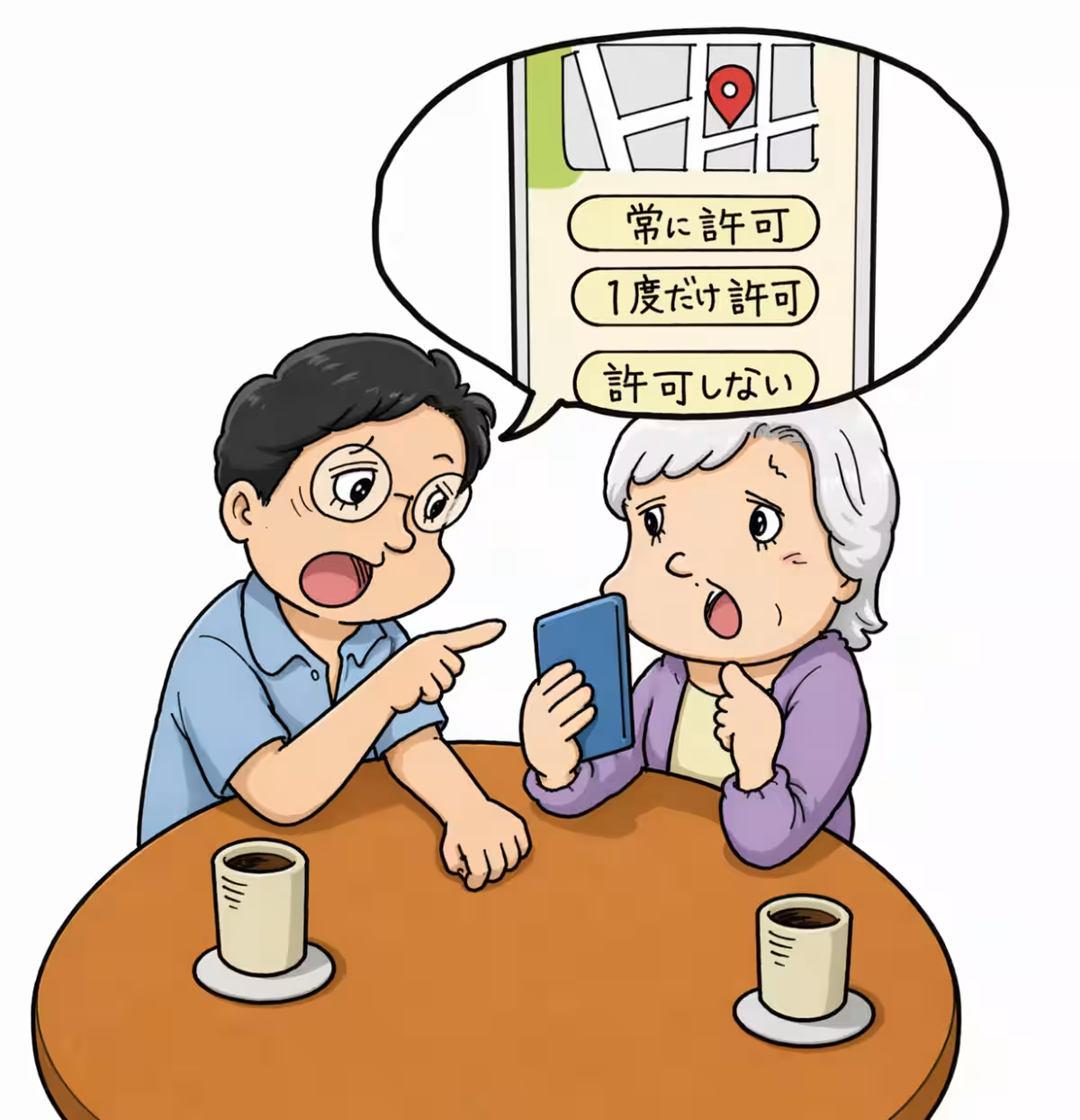
The rise of smartphones and computers has simultaneously created a digital divide, especially among senior citizens. Many adult children visiting their elderly parents during holiday periods have observed surprising permissions granted on smartphones, such as location tracking, which might not be necessary. How can this gap be bridged? Takusawa advocates for a new form of family interaction: a digital check-up that can be both enlightening and reassuring for everyone involved.
The Concept of Digital Check-Ups
During family visits, we often find ourselves in unique situations that foster candid discussions. Rather than only teaching parents how to navigate their devices, families can take this opportunity to engage in meaningful dialogue about the risks and benefits of technology. By reviewing app permissions, discussing potential scams, and evaluating online habits, families can gain deeper insights into each other’s digital lifestyles, essentially carrying out a digital diagnosis.
Proposed Checklist for Digital Diagnosis
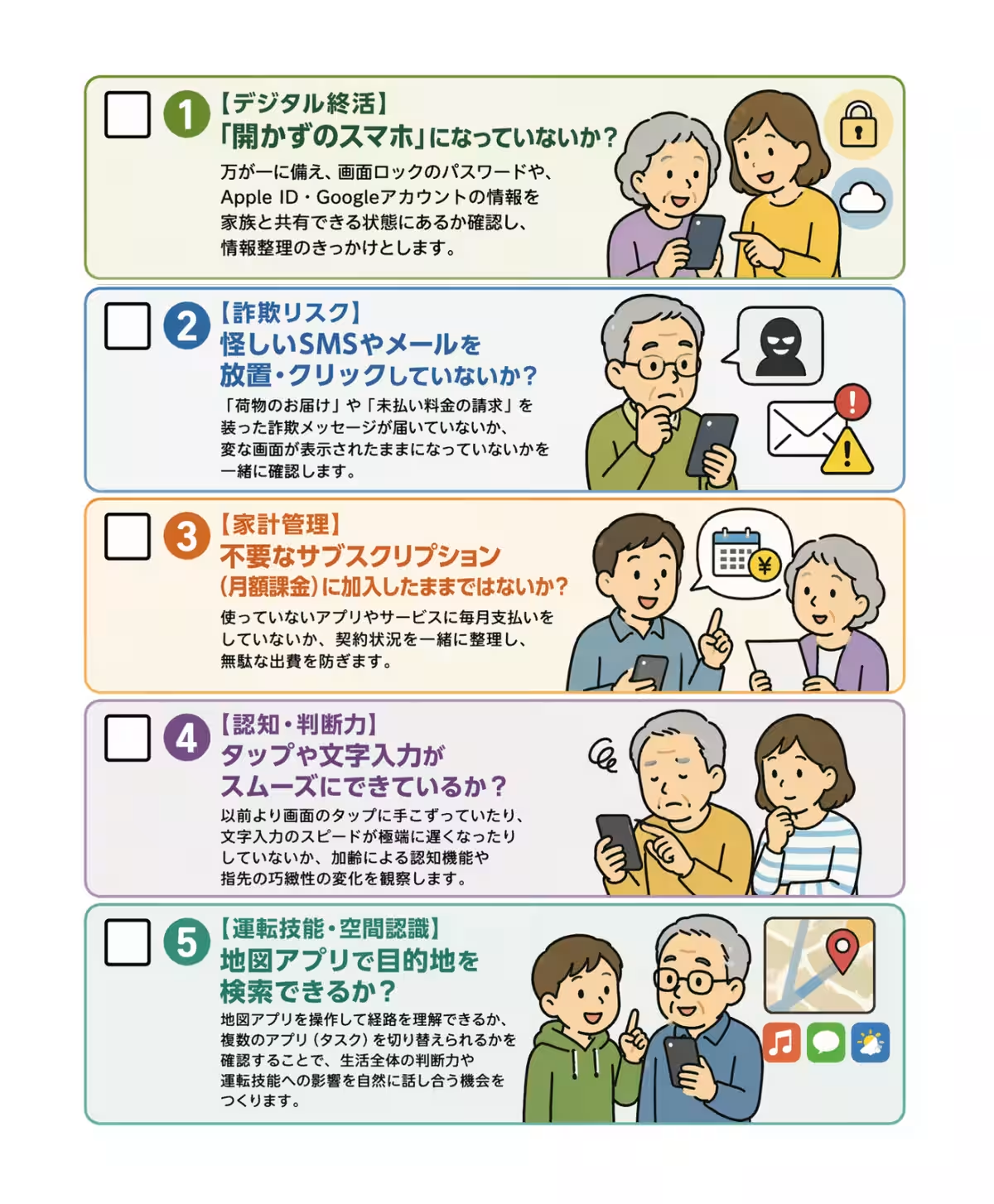
Here are five key aspects of digital check-ups that families can explore together:
1. Digital Closure: Ensure that the smartphones haven't become inaccessible. Review essential account information, including passwords shared securely among family members.
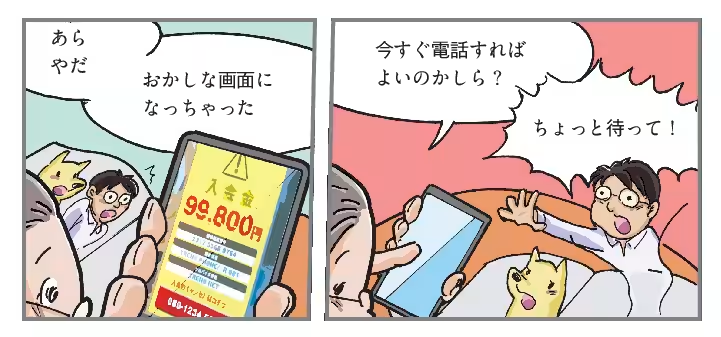
2. Scam Risks: Comb through suspicious messages or unknown emails that may have been overlooked, educating parents on identifying scams that mimic legitimate messages.
3. Financial Management: Examine subscription statuses to prevent unnecessary monthly charges from services that may no longer be in use.
4. Recognition and Judgment Skills: Observe whether parents still find it easy to navigate their devices, checking for any cognitive or physical changes that may require additional support.
5. Spatial Awareness and Navigation Skills: Together, test navigation applications to ensure comfort and aptitude in using technology that supports daily commuting.
Cultivating a Patient Learning Environment
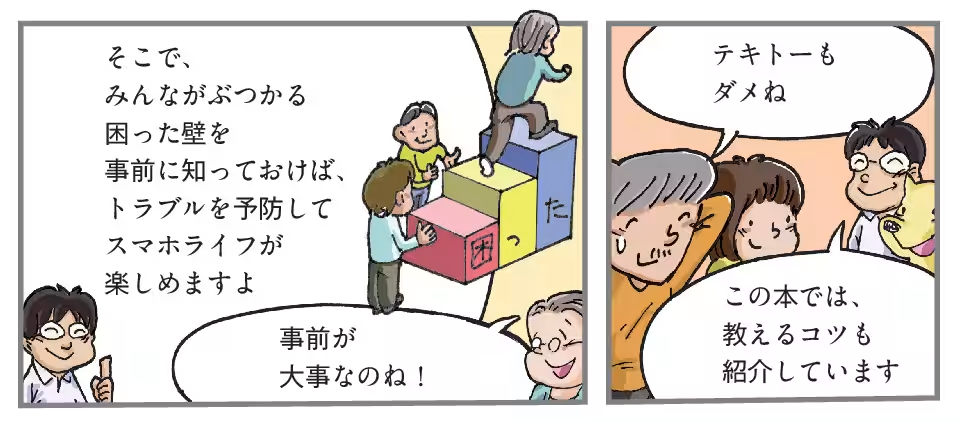
Teaching technology can often be met with frustration from both sides. However, the newly reprinted guides provide valuable insights not only on the steps to navigate devices but also on how to communicate effectively and patiently with family members. Instead of feeling pressure to achieve perfection, parents and children can share a relaxed environment where learning progresses incrementally.
As families gather this Golden Week, consider presenting these indispensable guides as thoughtful gifts that will not only enhance their understanding of smartphones and computers but also ignite essential conversations that strengthen family bonds.
Takusawa’s work has proven that the daunting realm of technology can be simplified through engaging visuals and an approachable narrative. His ongoing commitment to bridging the digital divide among generations makes these guides not just instructional materials but essential tools for family connection.
Takeaway
This Golden Week, let’s embark on a journey of learning and connection that resonates deeply within our families. With Takusawa’s guides in hand, transform routine family visits into enlightening sessions where knowledge is shared, and relationships are fortified, paving the way for a more aware and cohesive digital environment for all.





Topics People & Culture)





【About Using Articles】
You can freely use the title and article content by linking to the page where the article is posted.
※ Images cannot be used.
【About Links】
Links are free to use.