



2026 New Employee Expectations: Learning and Growth Take Center Stage
New Employees in 2026: Expectations and Aspirations
Recent research conducted by ALL DIFFERENT, a leading consulting firm specializing in organizational development and human resource training, sheds light on the expectations and ambitions of new employees entering the workforce in 2026. The survey, encompassing more than 20,000 companies and over 4.6 million participants, provides key insights into the values and career aspirations of these future professionals.
Growing Concerns in the Employment Landscape
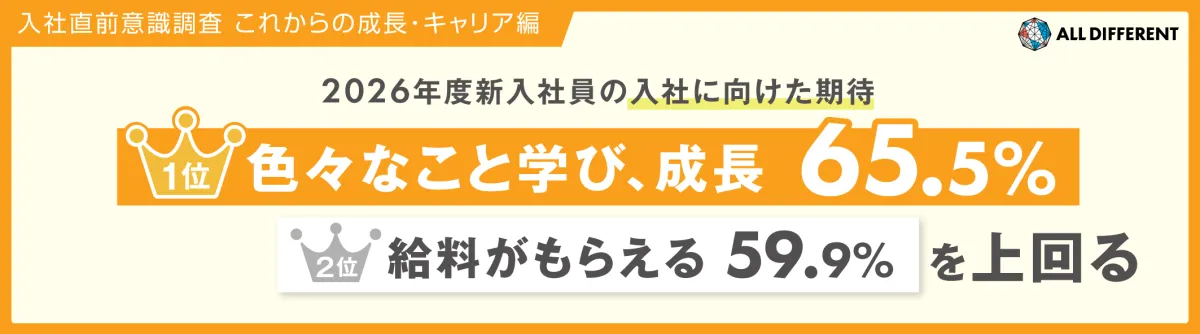
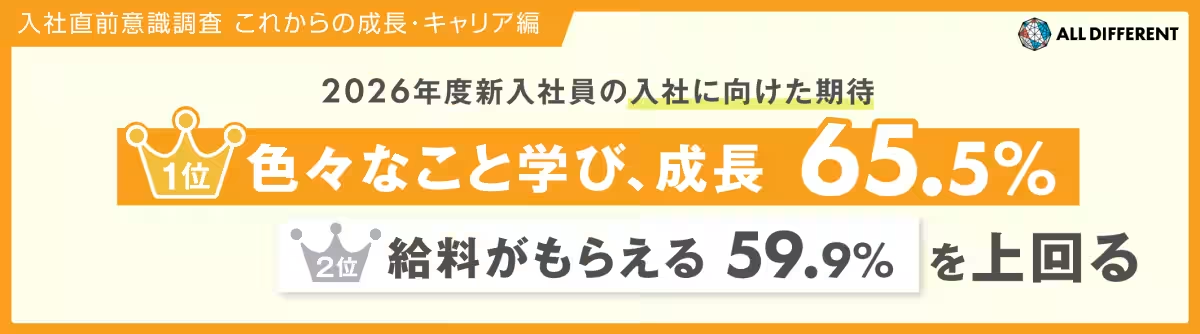
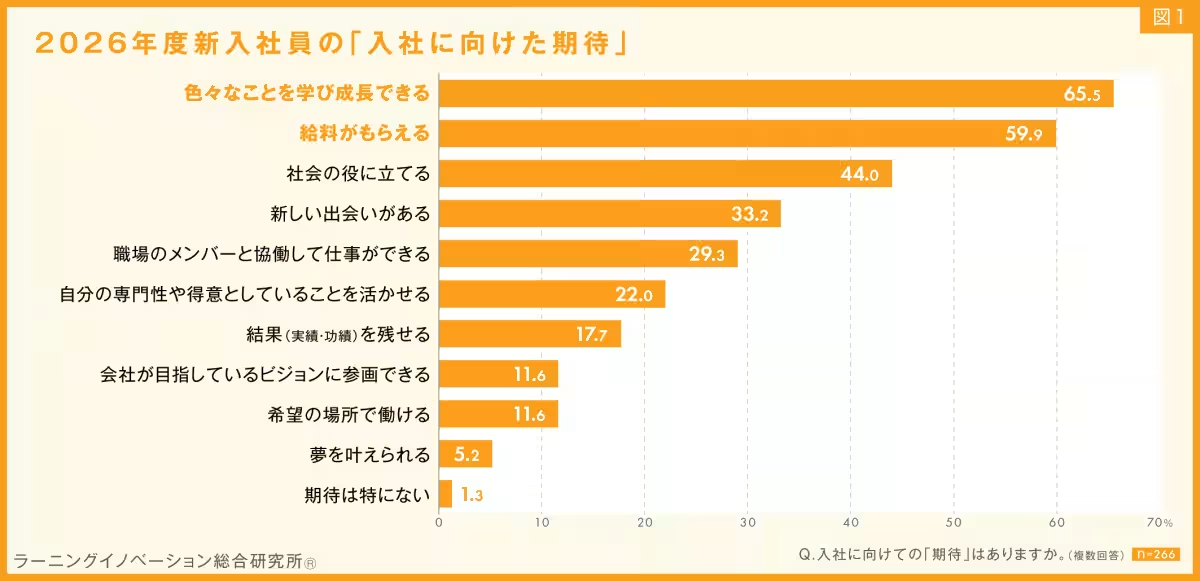
In an era of increasing uncertainty surrounding labor markets and job security, new employees are expected not only to fulfill their designated roles but also to cultivate a collaborative spirit and a growth-oriented mindset. The top priority for those entering the job market as new hires in 2026 is the desire to 'learn and grow in various areas,' with an impressive 65.5% of respondents advocating this perspective. This finding suggests a profound shift in values among younger generations, favoring personal development and collective support over mere financial compensation.
Understanding Their Aspirations
The survey targeted new hires from January 20 to March 4, 2026, and uncovered several fascinating trends:
1. Desire for Learning: 65.5% expressed that their greatest expectation is to learn and grow as professionals. This surpassed the 59.9% that indicated financial compensation as a primary motivation;
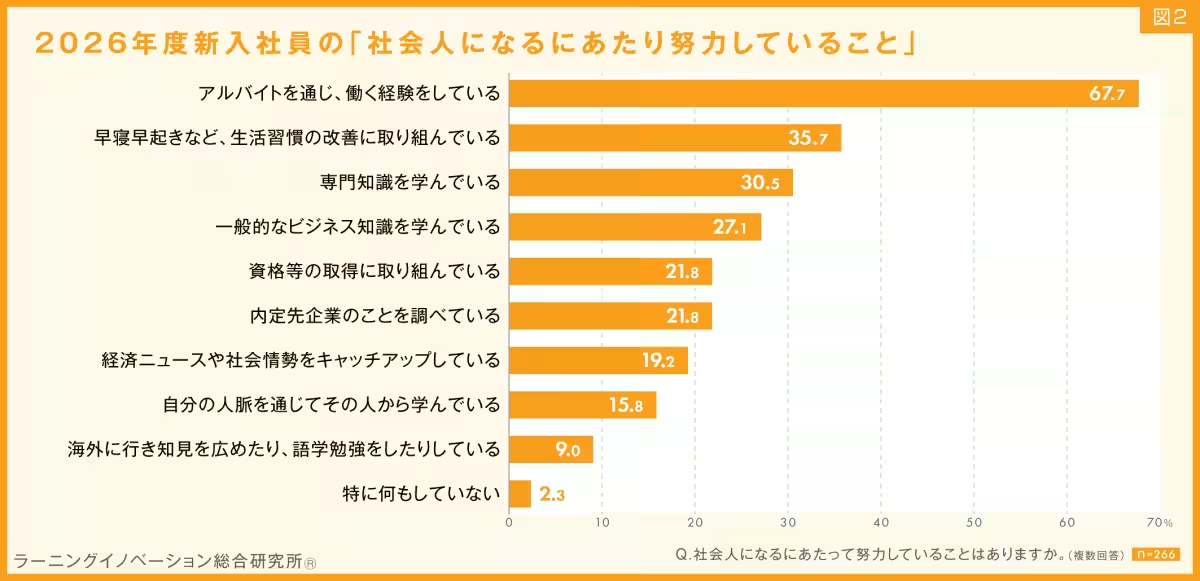
2. Previous Work Experience: The most common effort made by prospective employees to prepare for work life is gaining experience through part-time jobs, cited by approximately 70% of those surveyed;
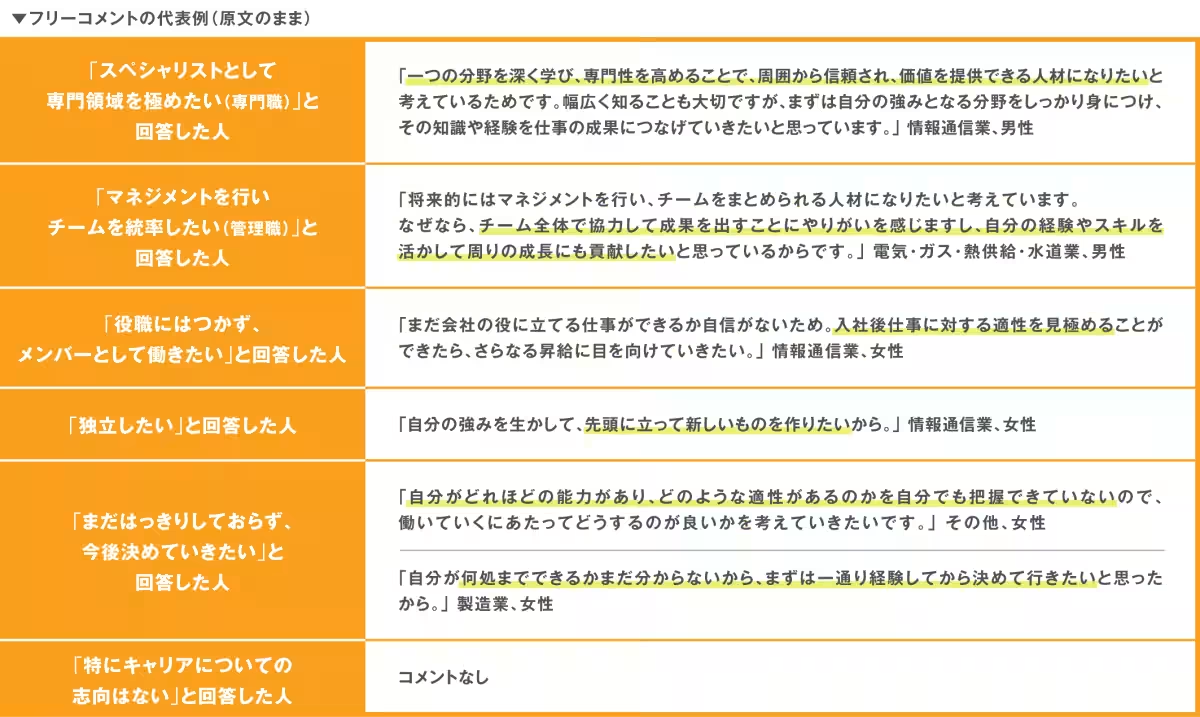
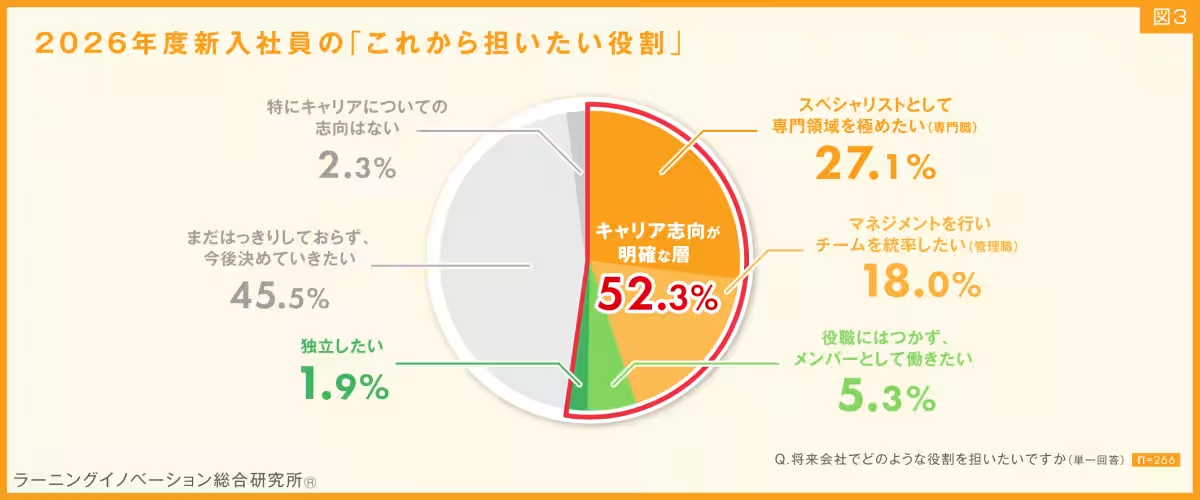
3. Career Paths Under Consideration: While 45.5% indicated a desire to 'decide on their future roles' later, others showed an inclination towards specialization (27.1%) or managerial positions (18.0%);
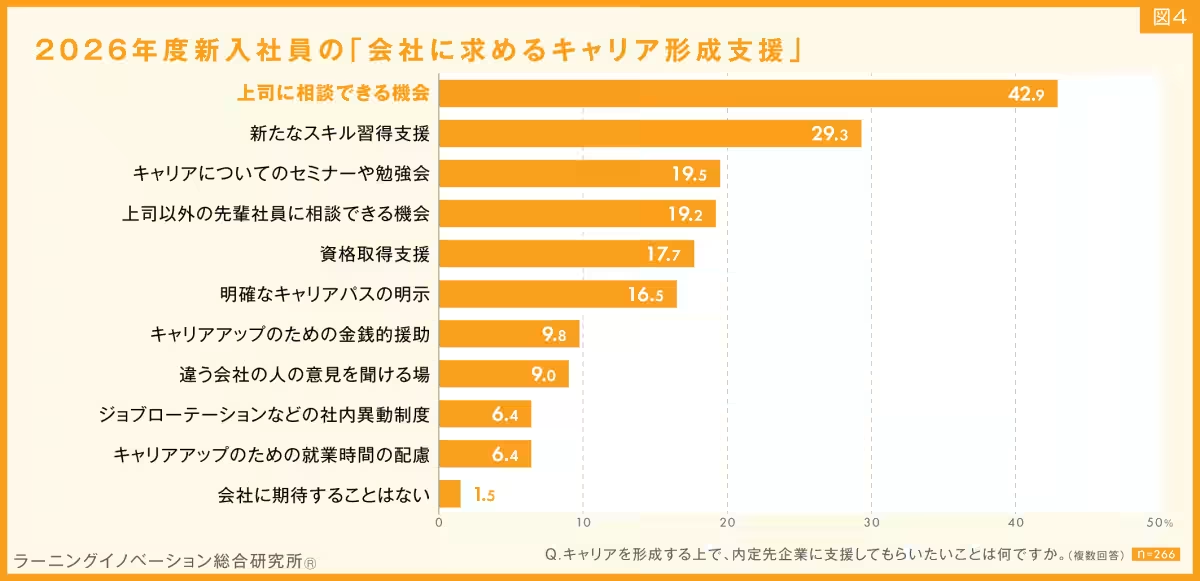
4. Support from Corporate Structures: An overwhelming majority, 98.5%, of new hires expressed their expectations for some form of support from their companies, such as opportunities to consult with supervisors.
Key Findings
1. Expectation of Growth and Learning
The distinct preference for learning over salary among prospective new hires is a notable trend. As they prepare to transition into their roles, many are actively pursuing part-time work experiences, as well as improving their daily routines and habits. This eagerness to learn and develop skills signals a generational shift towards valuing personal and professional growth over financial gain.
2. Career Path Ambiguity
Interestingly, when asked about their future roles, many respondents indicated uncertainty about their career paths. The predominance of responses point towards a more exploratory approach, suggesting that new employees wish to gather more insights and experiences before committing to a specific role, with nearly half categorizing their future aspirations as 'undecided'.
3. Interest in Mentorship and Guidance
Regarding the support structures they hope to find within organizations, new hires expressed a strong desire for mentorship, with 42.9% emphasizing the importance of opportunities to consult with their supervisors. Additionally, programs aimed at skill development or career workshops were also highlighted as essential resources, while a mere 1.5% indicated they did not seek any assistance.
Conclusion: Organizational Implications
This survey underscores a pivotal moment in human resource management practices. With an overwhelming emphasis on learning, growth, and the need for mentoring, businesses must adapt their training and onboarding processes. Companies are encouraged to foster an environment of continuous development that allows new hires to understand the significance of their work.
To support this growth mindset:
- - Set Clear Goals: Organizations should define specific goals for new hires to aim towards, structuring their learning and responsibilities around those objectives;
- - Build Supportive Structures: Establishing regular one-on-one meetings and peer support systems will allow new employees to navigate challenges and foster a sense of belonging;
- - Encourage Reflection and Insight: Implementing systems for new hires to reflect on their learning and visible tracking of their growth will enhance their developmental experience, resulting in more engaged and competent professionals over time.
Final Thoughts
As new employees enter the workforce, their aspirations highlight a shift in workplace expectations towards a collaborative, growth-oriented culture. By responding to these demands with tailored support and mentorship structures, organizations can unlock the potential of their workforce, leading to greater overall success and employee satisfaction.


Topics People & Culture)


【About Using Articles】
You can freely use the title and article content by linking to the page where the article is posted.
※ Images cannot be used.
【About Links】
Links are free to use.