


Imperial Real Estate Unveils Unique Data on Rental Management Strategies
Imperial Real Estate Unveils Rental Management Insights
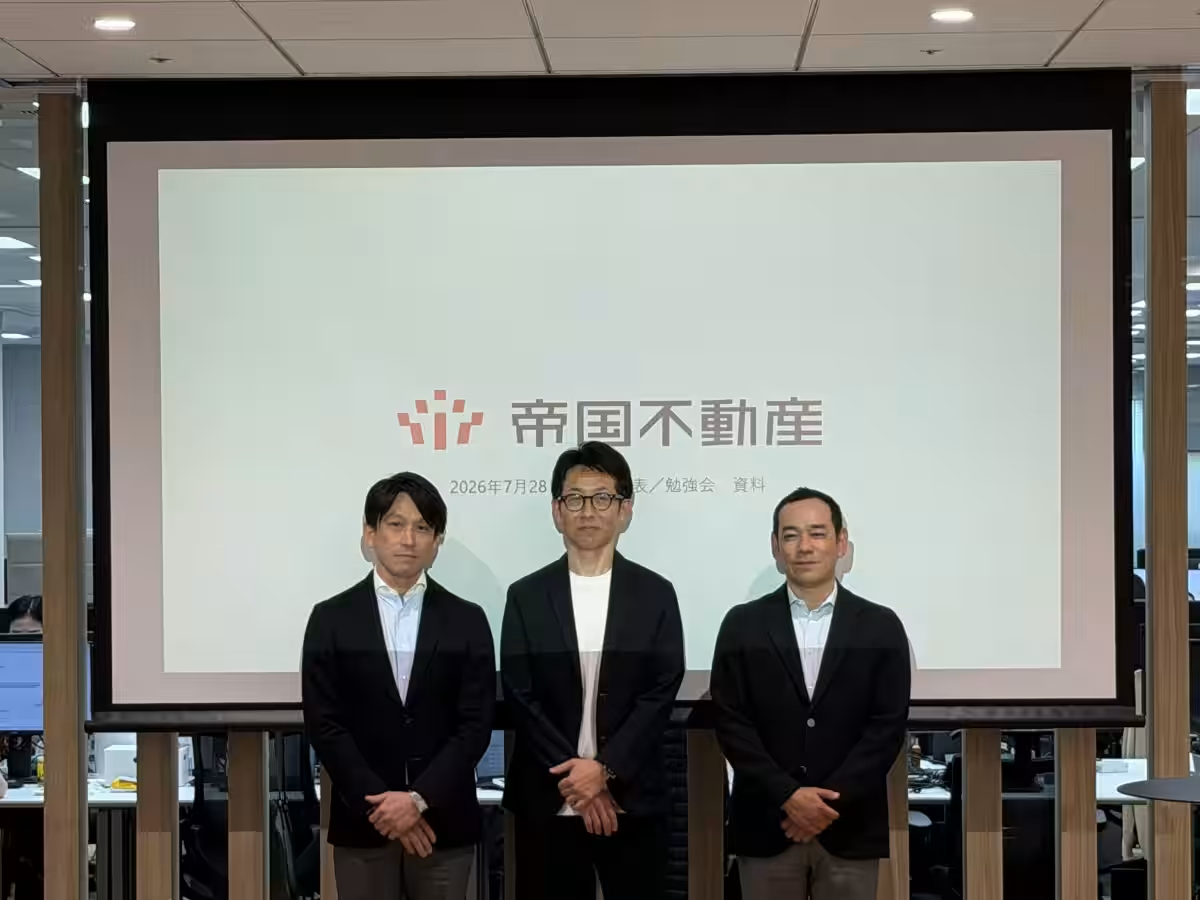
Imperial Real Estate Co., Ltd., headquartered in Ginza, Chuo-ku, Tokyo, recently held a press conference and workshop specifically geared towards media representatives to discuss the dynamics of rental management. This event highlighted two primary themes: "Area Selection" and "Fixed-Term Leases." During the presentation, the firm released its unique operational data and findings from a survey conducted with 1,000 rental property owners across Tokyo and its surrounding prefectures.
President's Address: Growth Phase of Imperial Real Estate
The event commenced with a speech by President Hiroki Kimoto, where he presented an overview of the company's operations and current business status. He emphasized impressive performance metrics, noting that the company has seen a staggering 31.9% growth in operating profitability over the past three years, outpacing industry peers. Other important details included:
- - Management Portfolio: 57,400 units, with around 90% catering to single occupants.
- - Occupancy Rate: A remarkable 99% maintained for 14 consecutive years.
- - Profit Margin from Property Management: Comprising about 60% of total revenue.
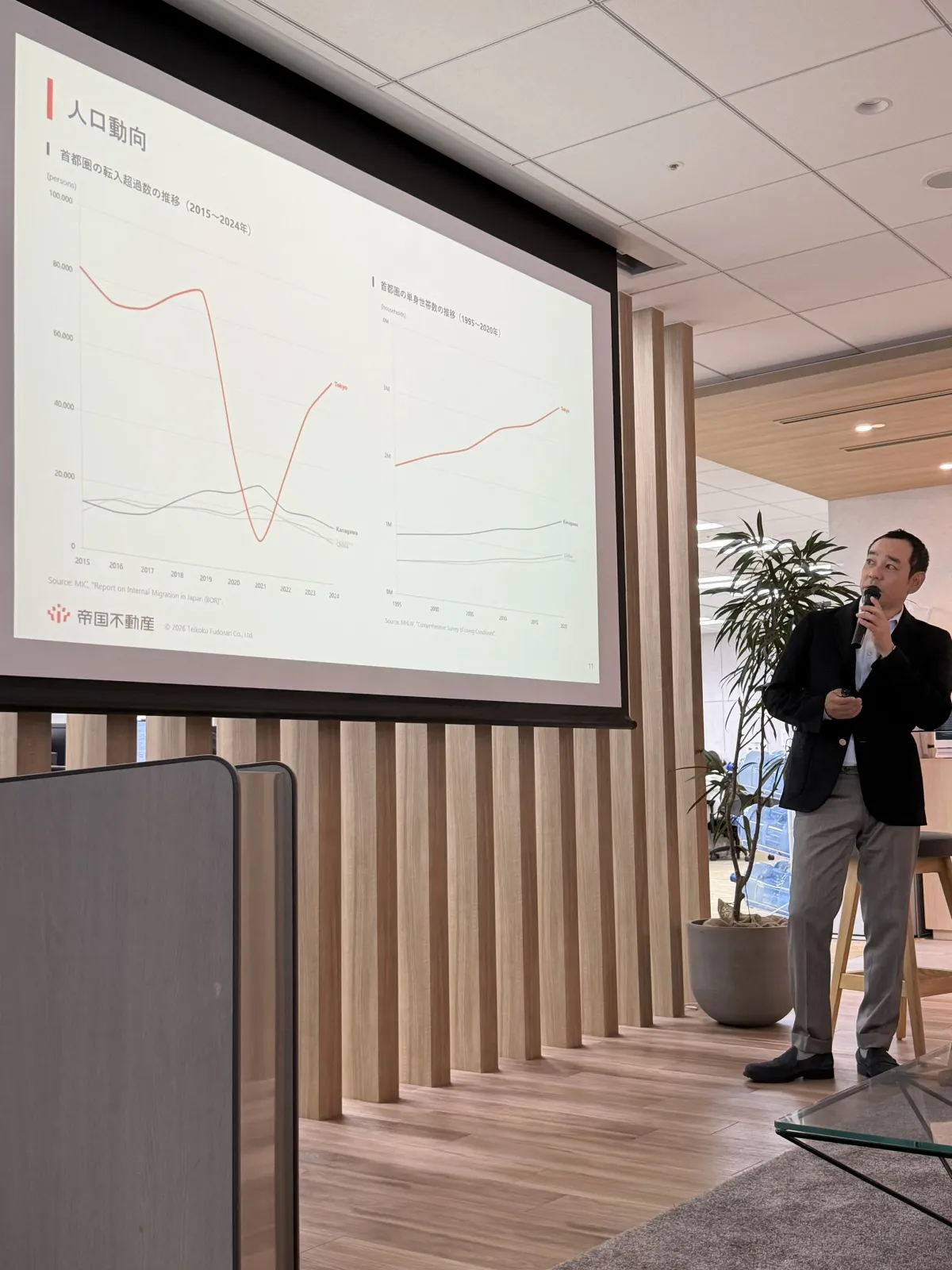
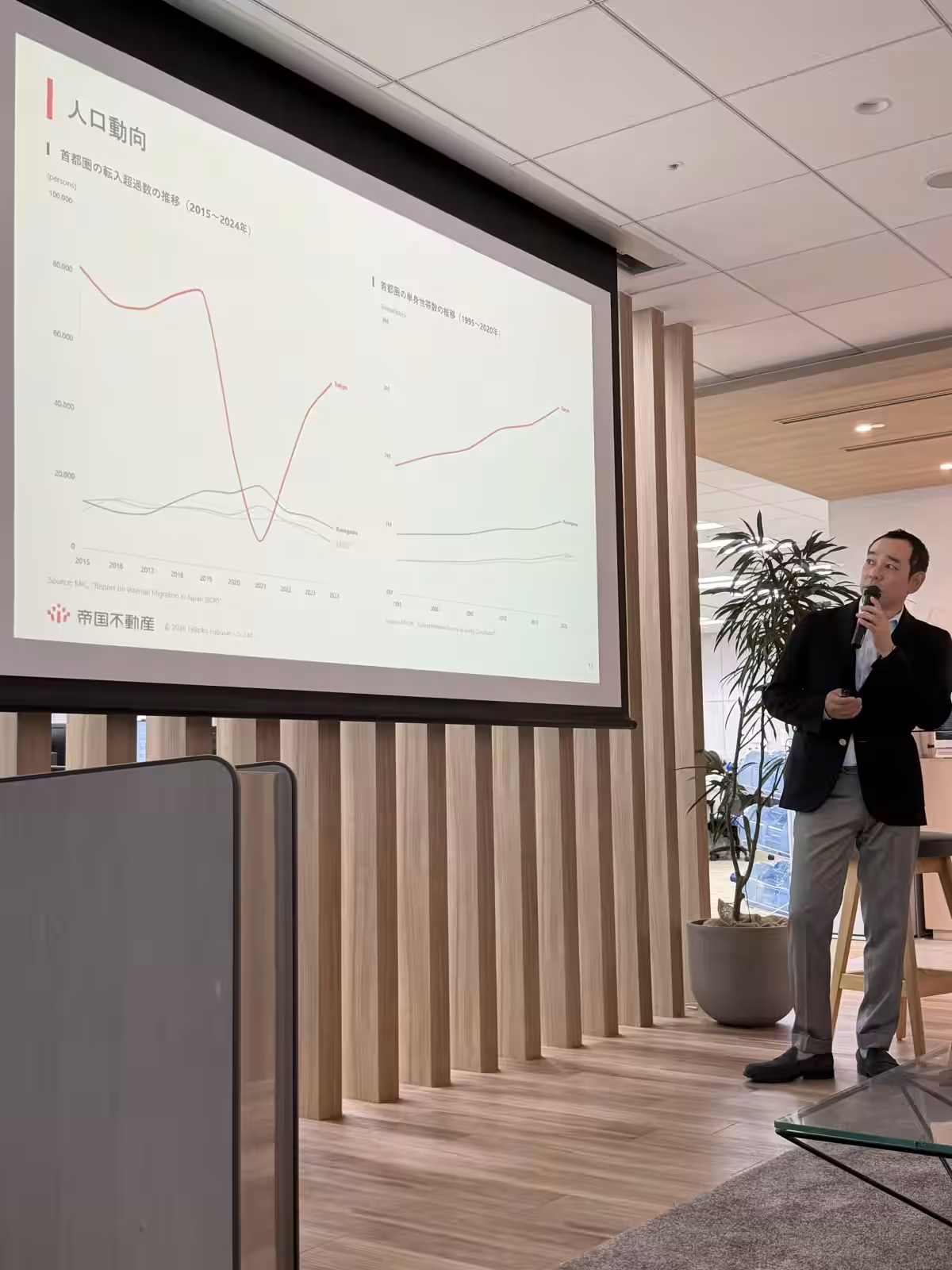
Kimoto further illustrated the backdrop of this growth, linking it to recovery in migration trends in the Tokyo area and a sustained increase in single-person households over the past three decades. Additionally, he disclosed key employee statistics:
- - Total employees: 754 (approximately 900 on a consolidated basis).
- - Five-year employee growth rate: about 5%, significantly lower than the company's overall growth rate.
- - Average salary increase of long-serving employees: projected to rise from 6.25 million JPY in 2022 to 9.4 million JPY by 2026, representing an annual increase of 10.7%.
- - Participation rate in stock options: Two-thirds of eligible employees opted to invest in the company.
Survey Insights: Trends in Rental Increases
The second part of the conference revealed findings from a survey of 1,000 rental property owners covering the Tokyo area. Notably, 56.7% reported having increased rents over the past two years. This figure varied across different regions:
- - Tokyo's central five wards: 73.2% have raised rents.
- - Tokyo's western suburbs: 62.2% reported similar increases.
- - Chiba: Equal to other areas in Tokyo, excluding the central five wards.
- - Kanagawa: 47.5% saw increases.
- - Saitama: 44.6% followed suit.
Looking towards the future, 40% of landlords expressed a positive outlook concerning enhancing asset value and expansion, with plans for ongoing renovations (26.1%), potential rebuilds (8.9%), and consideration of new property acquisitions (4.6%). However, they cited challenges, including uncertainties in financial performance and issues related to tenant management and location disparities.
Innovative Area Analysis Processes
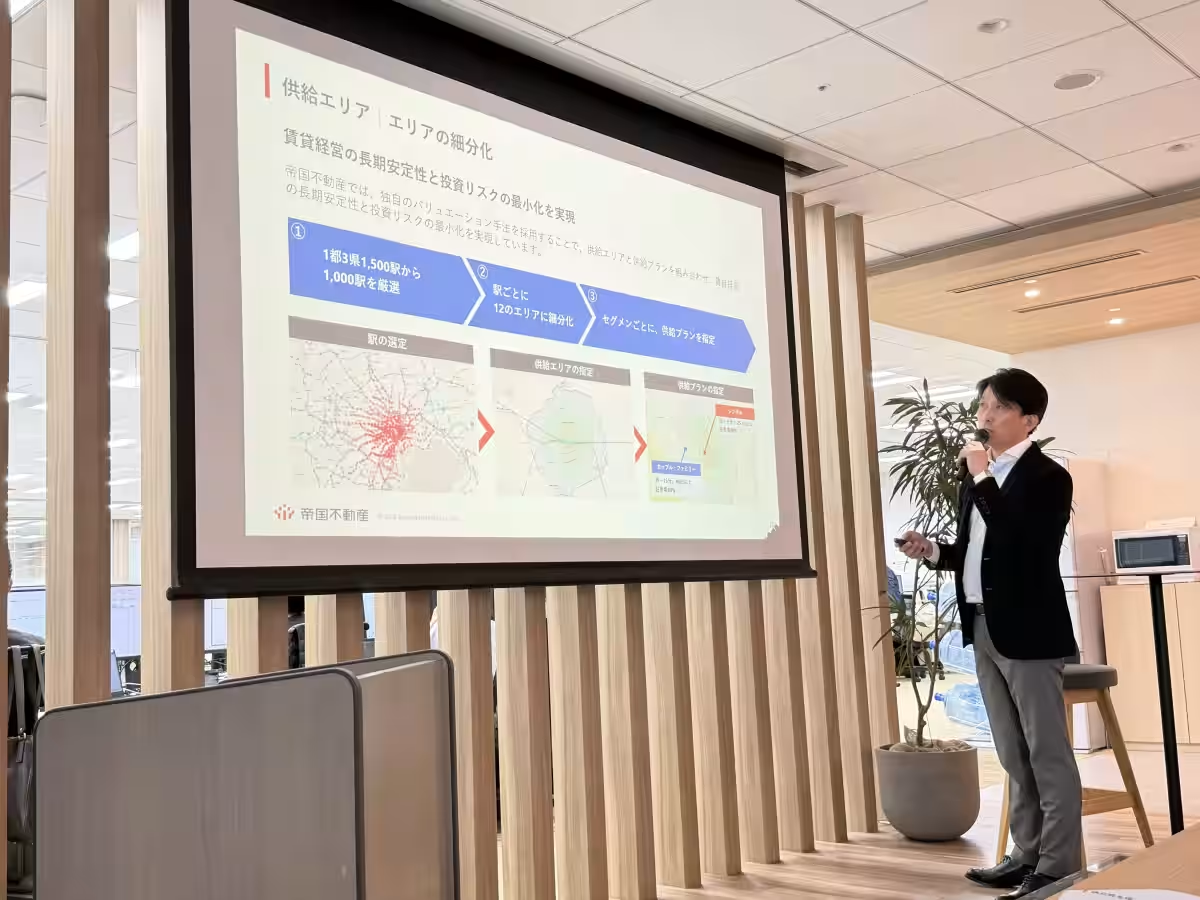
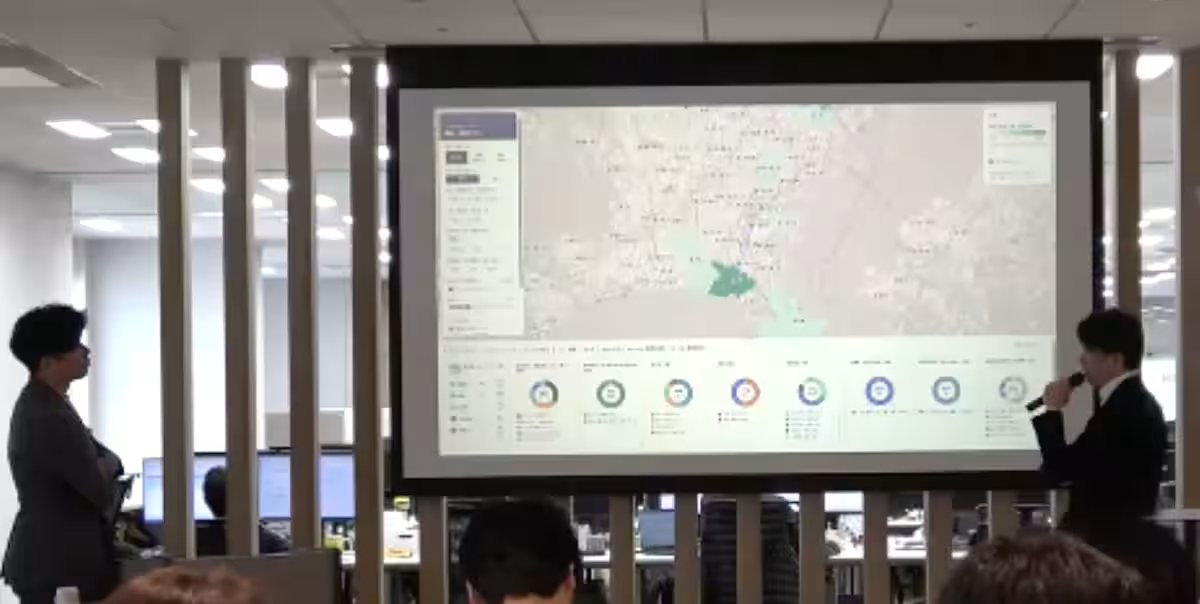
The conference also introduced a novel area analysis methodology led by Hideki Okada, Deputy Director of the Digital Headquarters Valuation Division. This methodology encompasses a comprehensive evaluation of 1,500 stations across the Tokyo area, refining them down to 1,000 based on factors such as rental demand, university accessibility, job concentration, demographic trends, and redevelopment opportunities. Each of the selected 1,000 stations was further segmented into 12 analytical areas based on proximity, resulting in 12,000 distinct market segments being developed for targeted supply plans.
Okada explained the metrics behind their unique "Station Rank" system, built through AI-driven multivariable analysis to assess rental markets systematically. This ranking provides valuable insights into areas with high rental demand, moving beyond subjective perceptions of desirable neighborhoods.
Fixed-Term Leases: Strategic Advantages
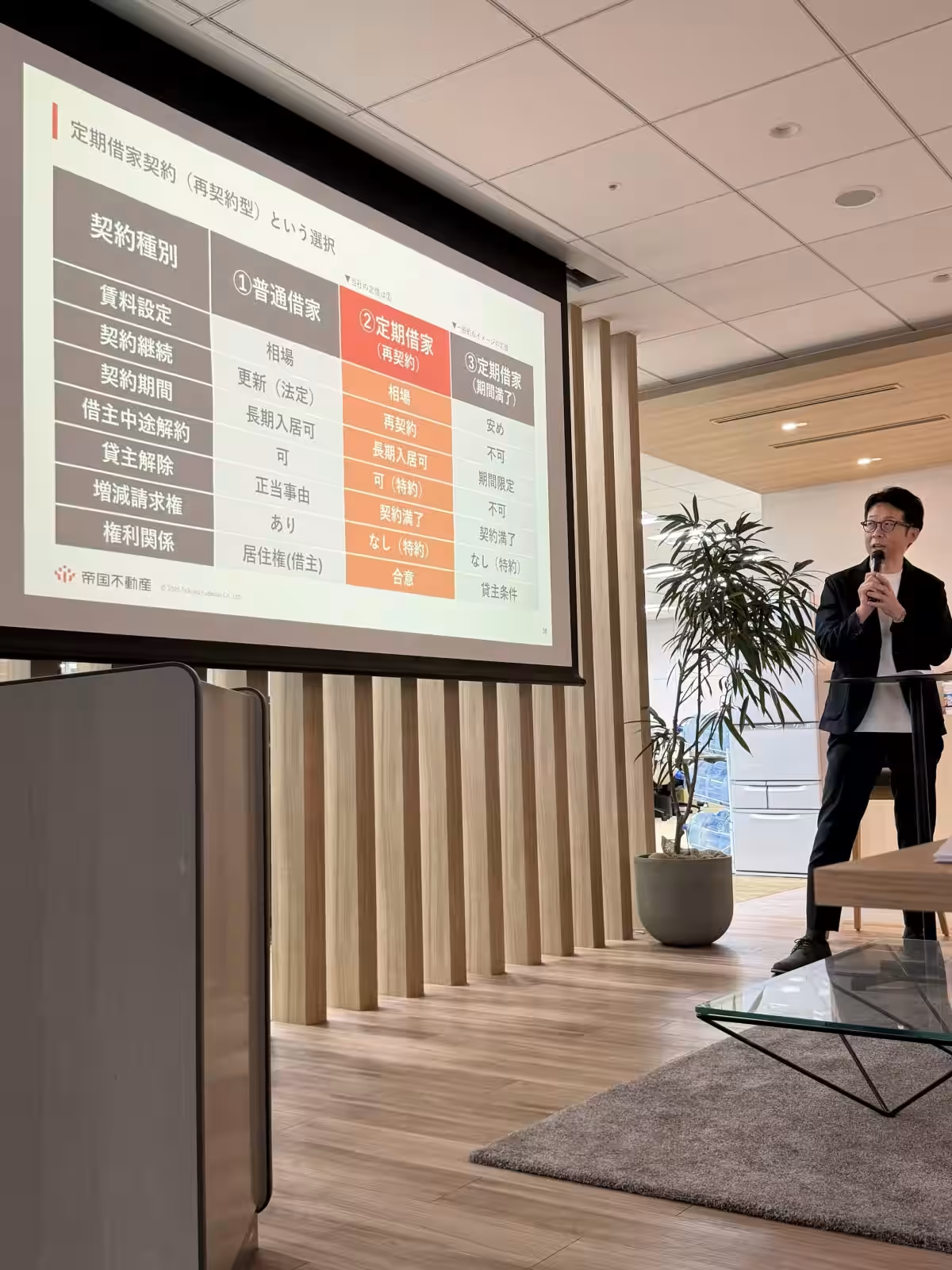
The final part of the event featured Isamu Arai, Head of Property Management, who elaborated on the ongoing trend of rental increases and adopting fixed-term lease contracts, allowing property owners to raise rents while maintaining occupancy rates. Under these arrangements, rental rates can be reviewed upon lease renewal, highlighting a critical approach to navigating rising rent demands without disrupting tenant occupancy. This shift led to approximately 14.6% of properties transitioning to fixed-term contracts, successfully maintaining occupancy despite the changes. Arai stressed that effective management tailored through data and systematic approaches was essential in this evolving rental landscape.
As the event closed with a Q&A session, Kimoto addressed inquiries regarding how the company tackles rising construction costs by performing detailed financial analyses before property development decisions. He noted this meticulous approach enables smarter investment decisions amidst competitive market conditions.
In summary, the press conference offered valuable insights into the evolving landscape of rental management in Japan, spotlighting Imperial Real Estate's proactive strategies and their extensive quantitative research efforts that underscore their performance in a challenging market environment.

Topics Consumer Products & Retail)


【About Using Articles】
You can freely use the title and article content by linking to the page where the article is posted.
※ Images cannot be used.
【About Links】
Links are free to use.