



Survey Reveals Current State of SMEs' Economic Outlook and Future Expectations in Japan
Survey on the Current State and Future Expectations of SMEs
Introduction
In December 2025, Freeway Japan conducted a survey titled "2025 Economic Situation of SMEs" targeting 575 individuals, including SME executives, employees, and self-employed persons. The results shed light on their perceptions of the economic climate and their expectations for the near future.
Survey Overview
The survey's key findings reveal a mixed sentiment among SMEs regarding the state of their industry and the broader economy.
Economic Sentiment
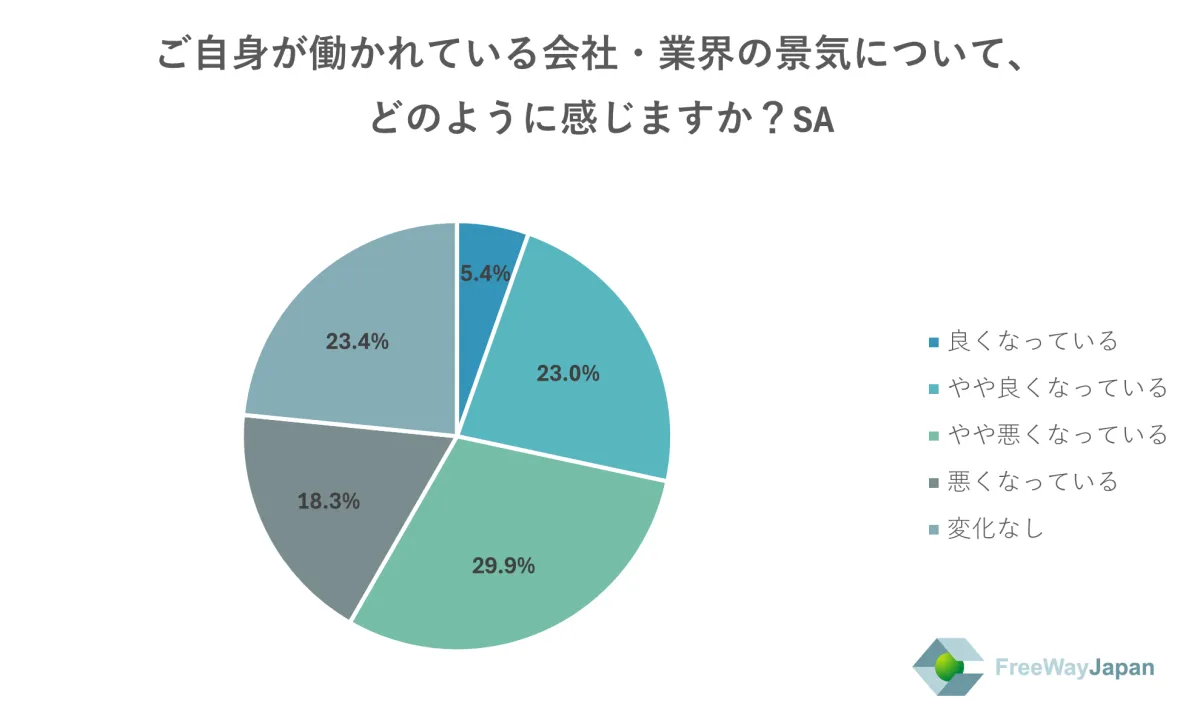
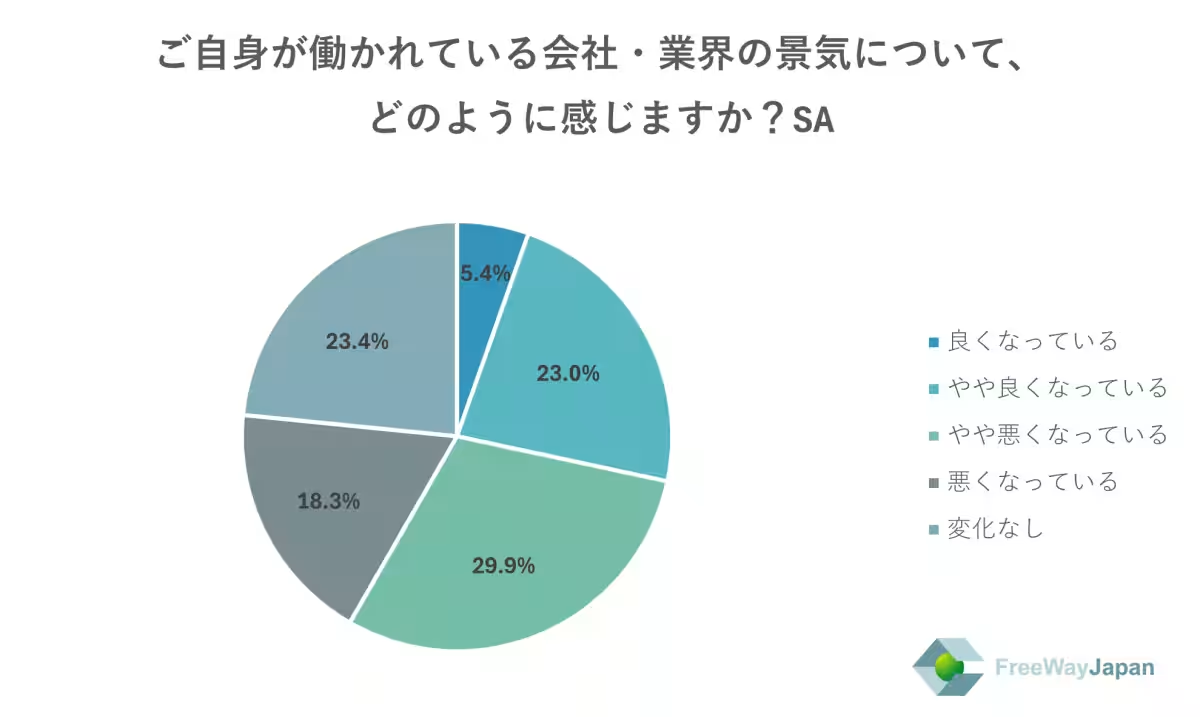
Current State: 48.2% of respondents reported a negative outlook on their respective industries, indicating that the situation is either in decline or showing no significant improvement. The majority, 29.9%, feel that their industry is slightly worse off compared to the prior period, with only 5.4% believing it has improved.
Reasons for Deteriorating Outlook
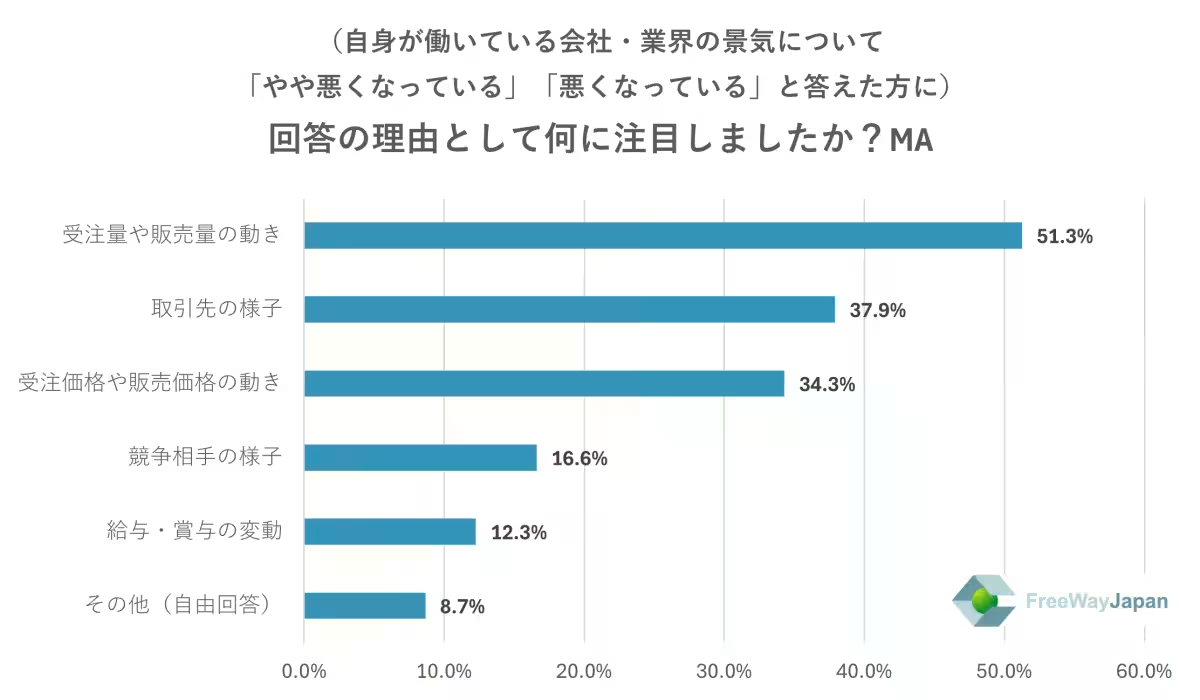
When asked about the factors contributing to the negative outlook, 51.3% cited a decrease in order volume and sales as significant concerns. Additionally, 37.9% pointed to issues with trading partners, while 34.3% were affected by changes in order and sales pricing.
Profit Projections
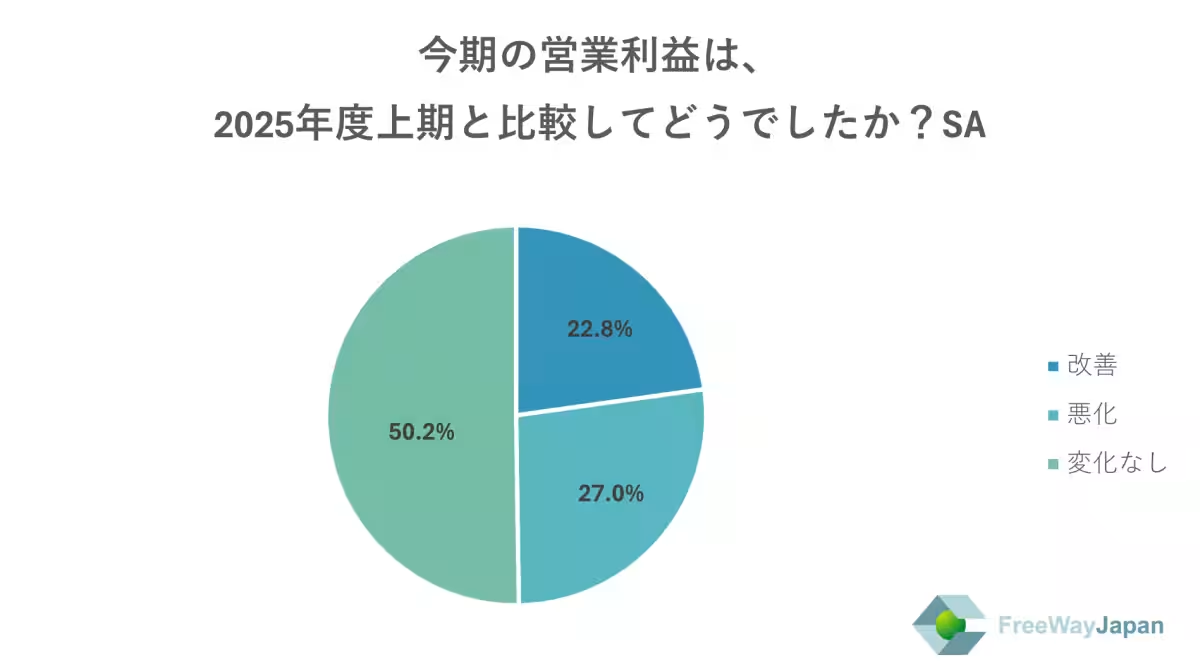
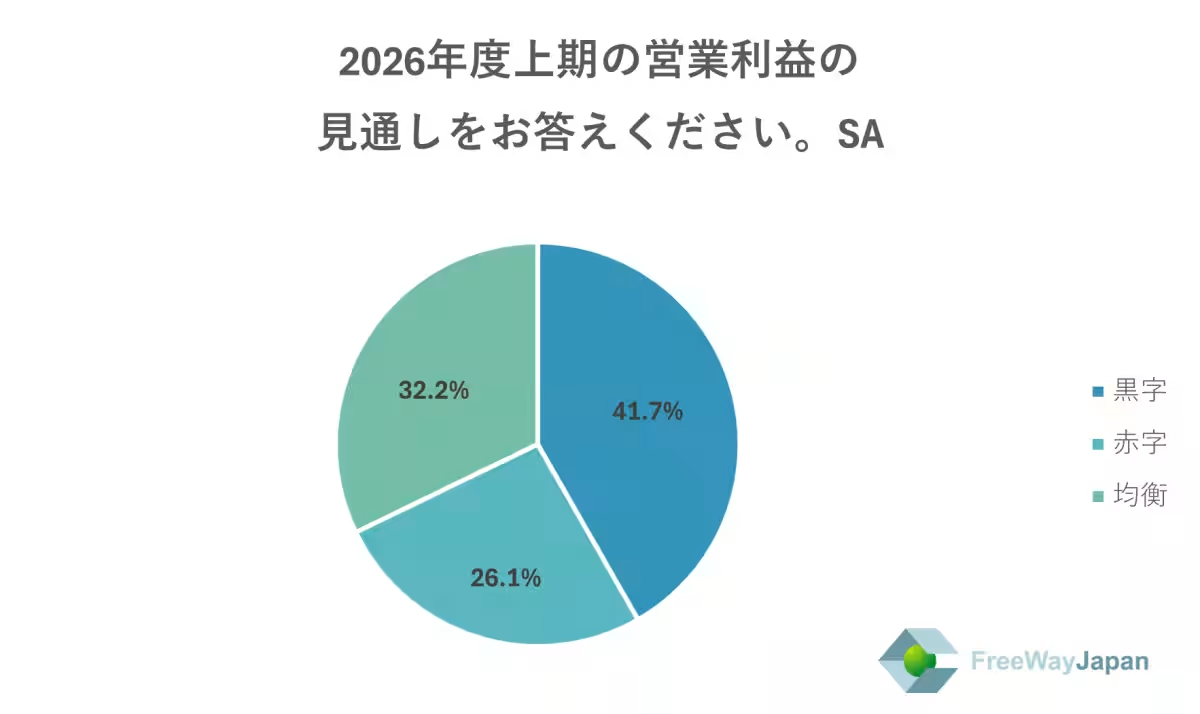
Regarding profits, 50.2% reported no change in their operating income compared to the first half of 2025, and only 41.7% perceive a positive outlook for profits in the first half of 2026, indicating a cautious approach to financial forecasting.
Business Strategies Moving Forward
Future Direction
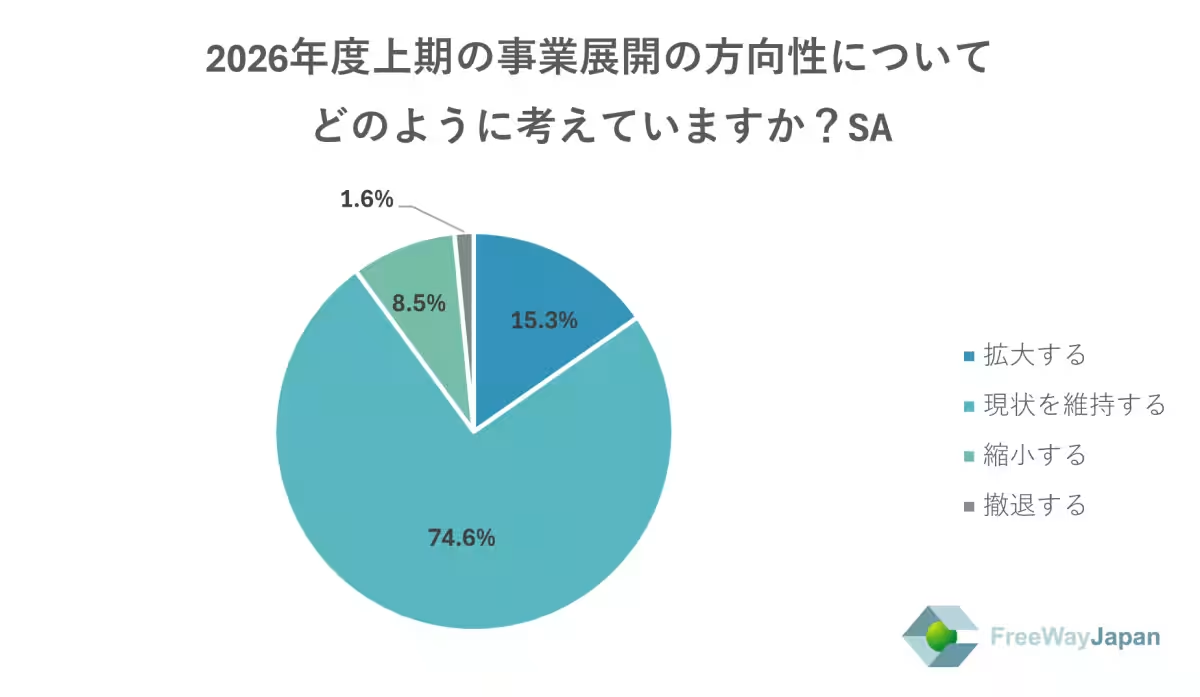
A striking 74.6% of respondents conveyed intentions to maintain their current business practices, underscoring a commitment to stability during uncertain times. Only 15.3% plan to expand their business activities.
Review of Business Strategies
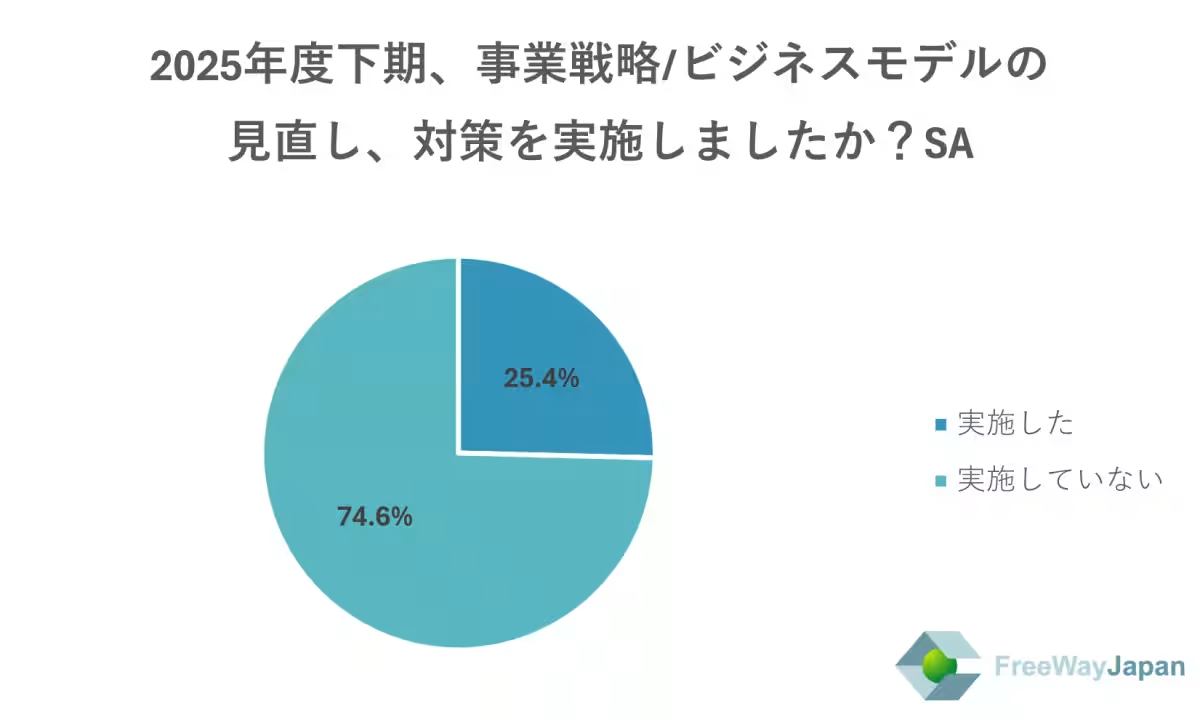
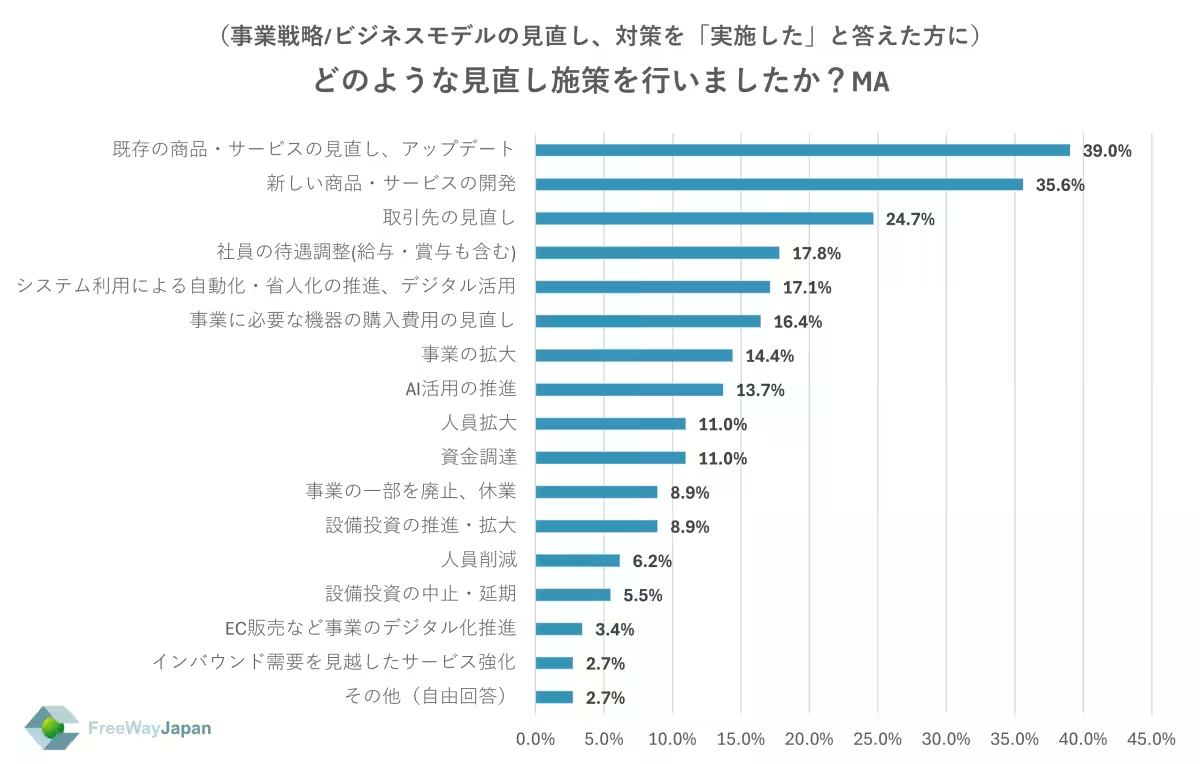
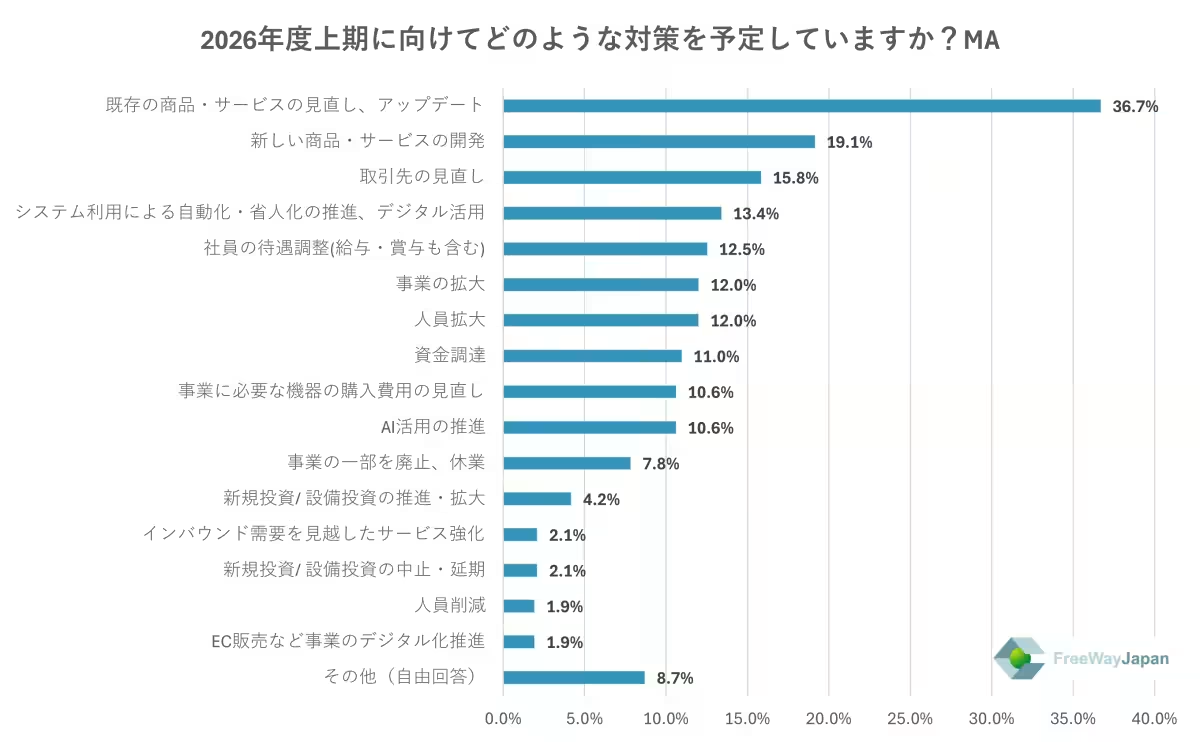
The survey indicated that a significant 74.6% of SMEs have not implemented changes to their business strategies recently, reflecting a lack of proactive measures. When strategies were re-evaluated, the most common actions centered around upgrading existing products and services.
Price Adjustments Amid Rising Costs
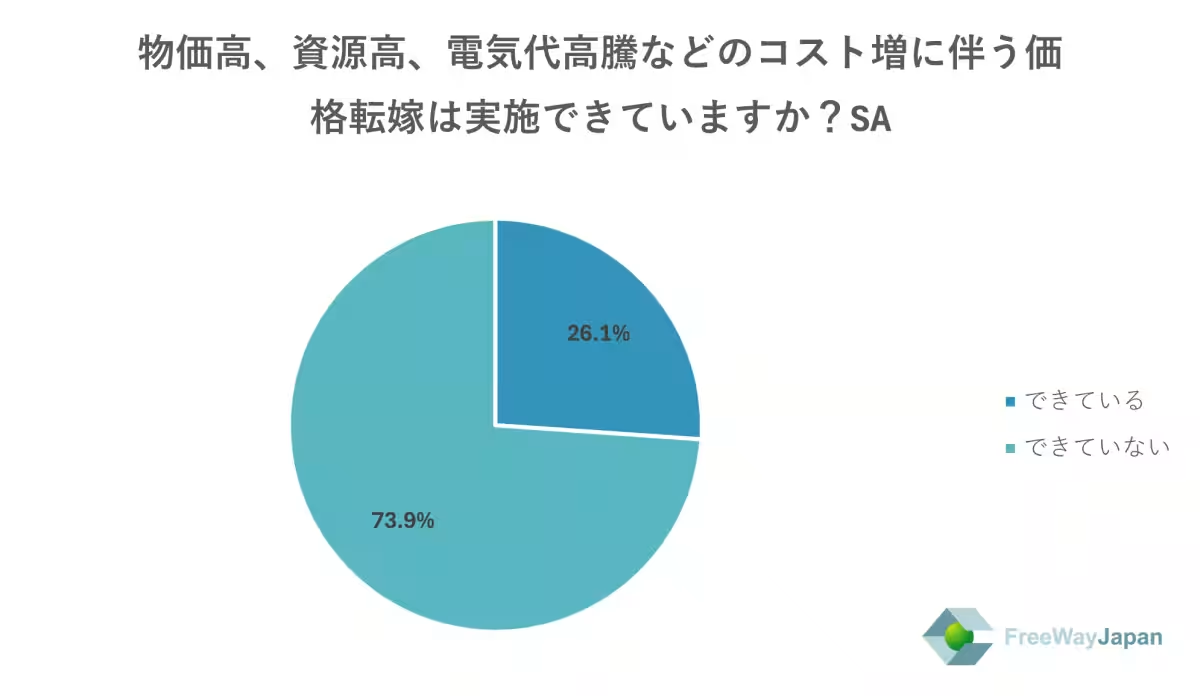
Despite challenges posed by increased costs due to inflation and energy prices, only 26.1% of respondents reported successfully passing price increases to consumers, highlighting struggles within the sector to cope with these pressures.
Wage Adjustments and Employment
Future Wage Plans
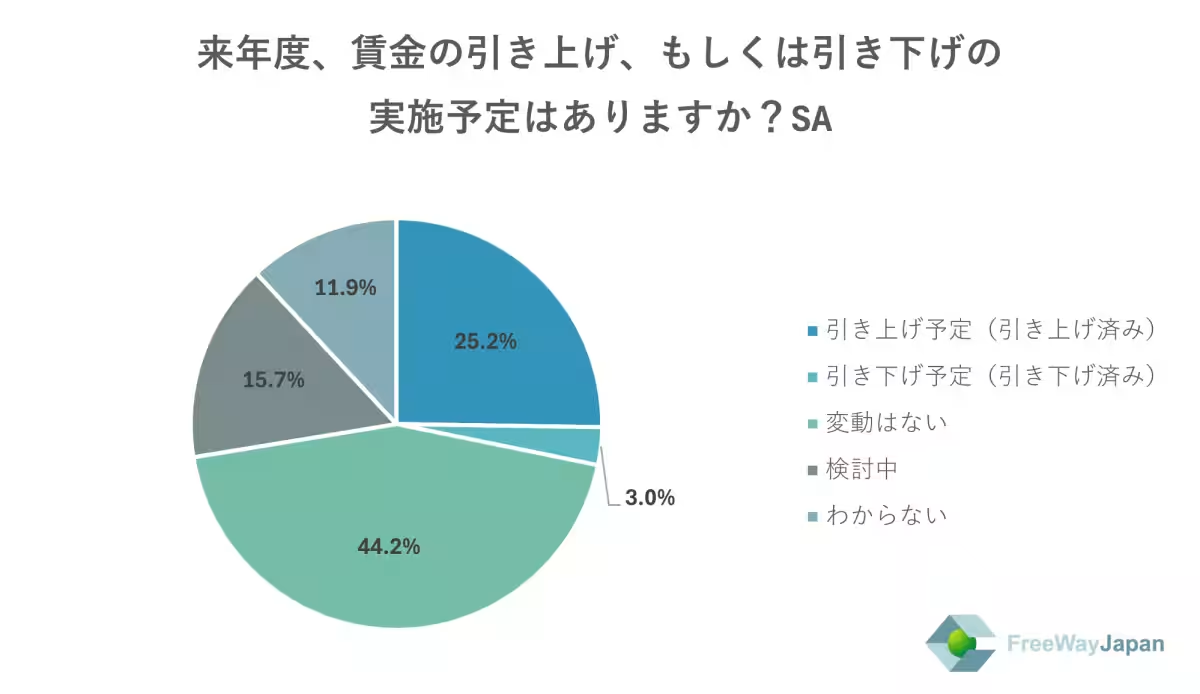
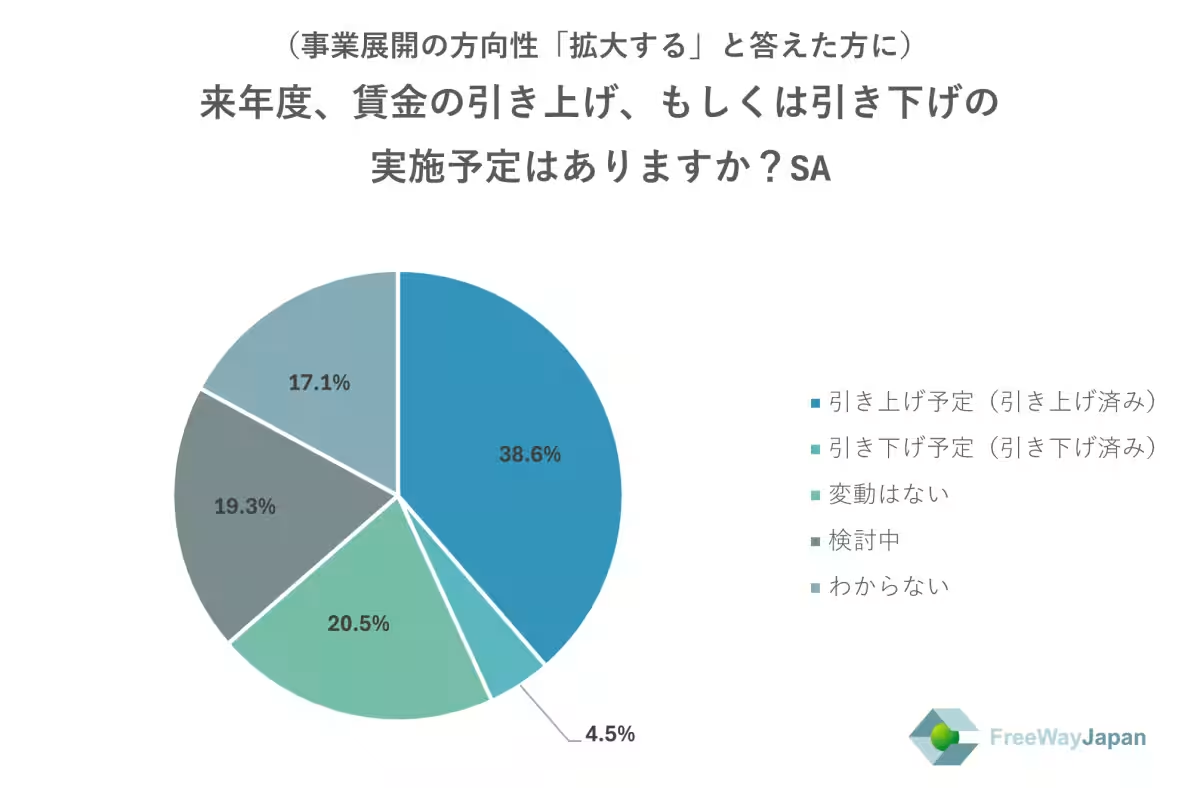
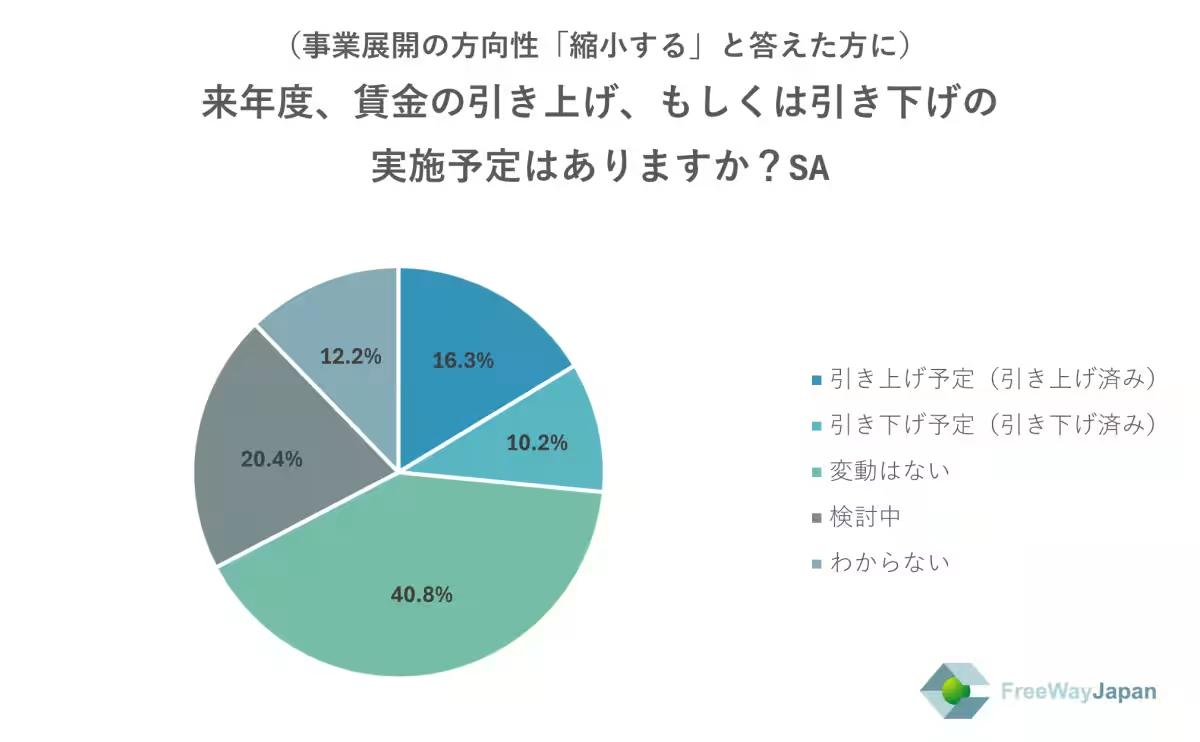
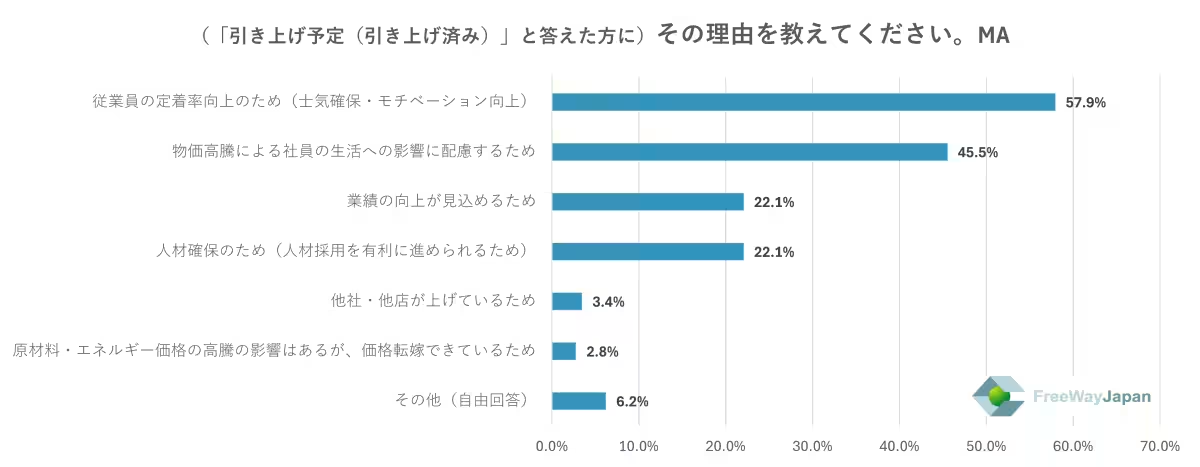
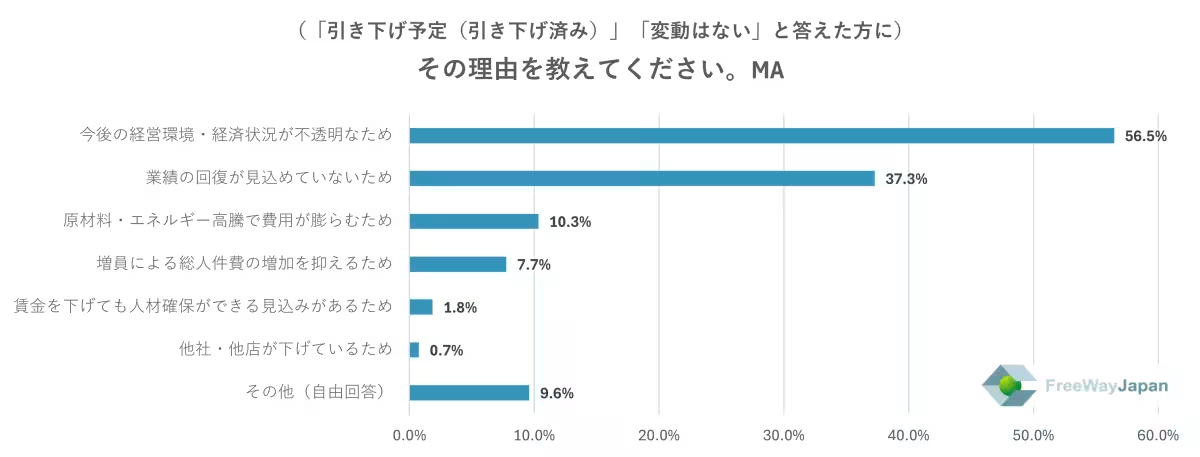
When it comes to wage adjustments, 44.2% of SMEs plan no changes, while 25.2% indicate intentions to increase wages. Notably, companies aiming for expansion are more likely (38.6%) to increase wages compared to those expecting to scale back.
Hiring Trends
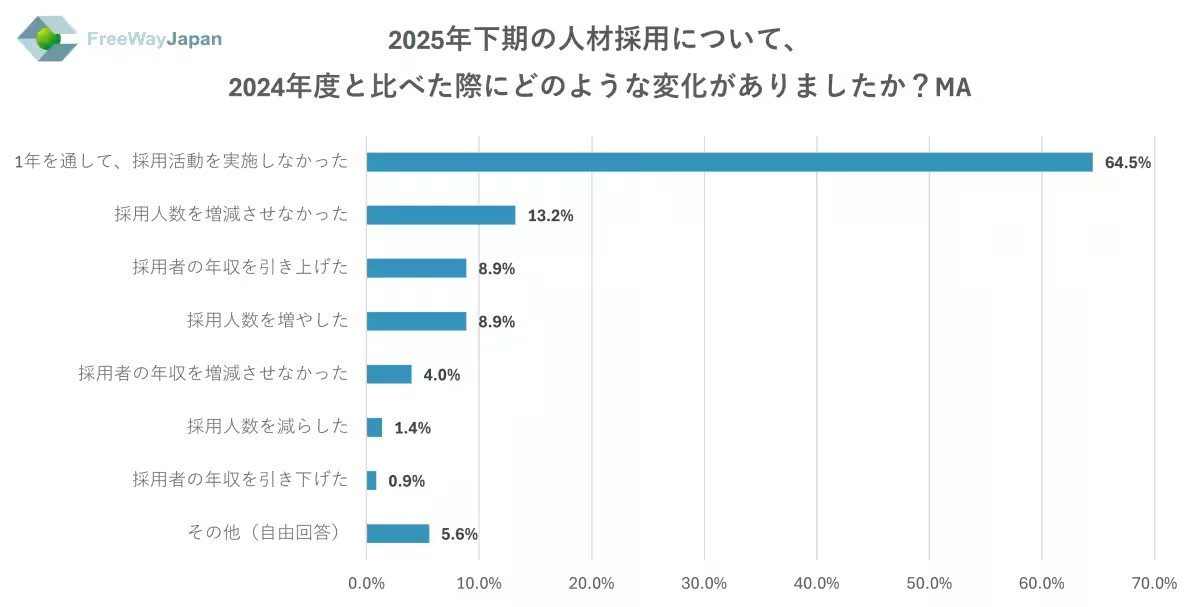
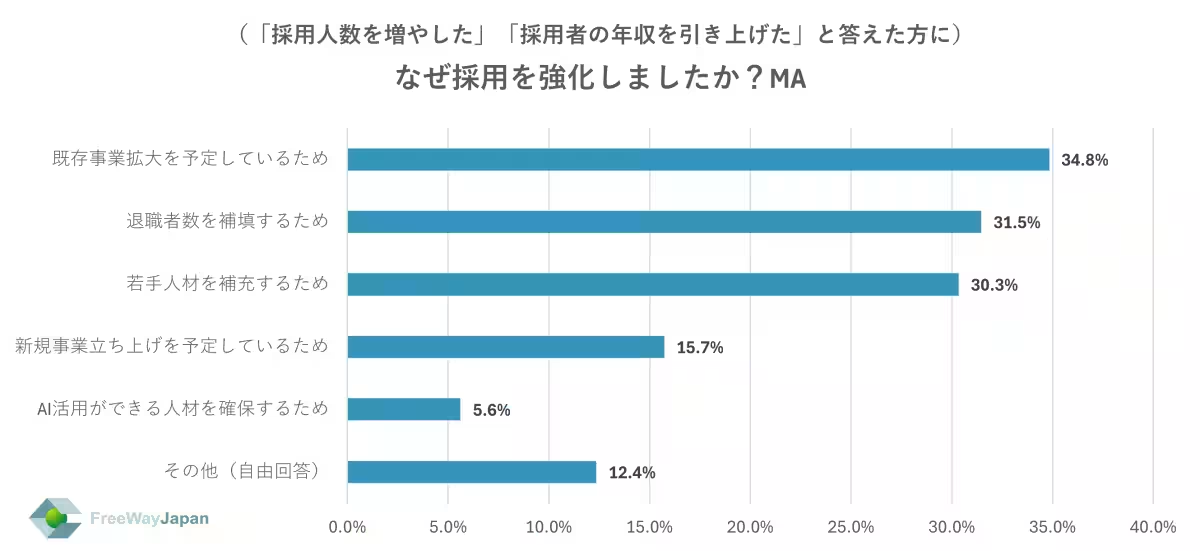
A staggering 64.5% of companies reported no recruitment activities within the year. For those who did hire, the primary reasons centered around business expansion and replacing former employees.
Anticipated Economic Support from the Government
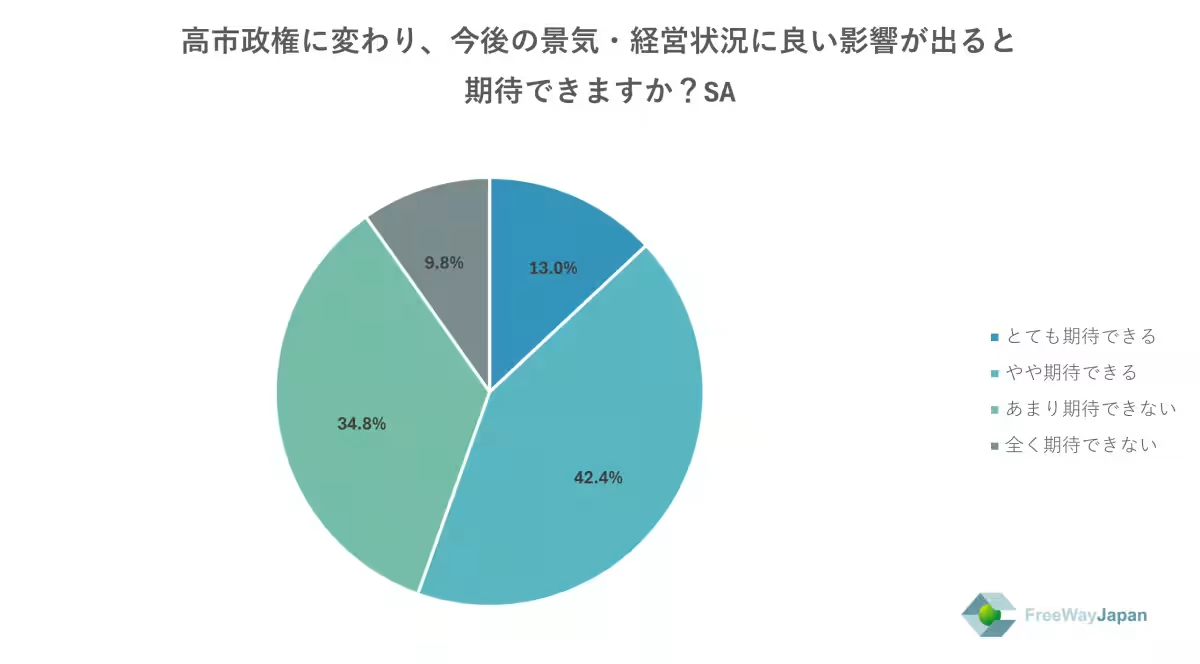
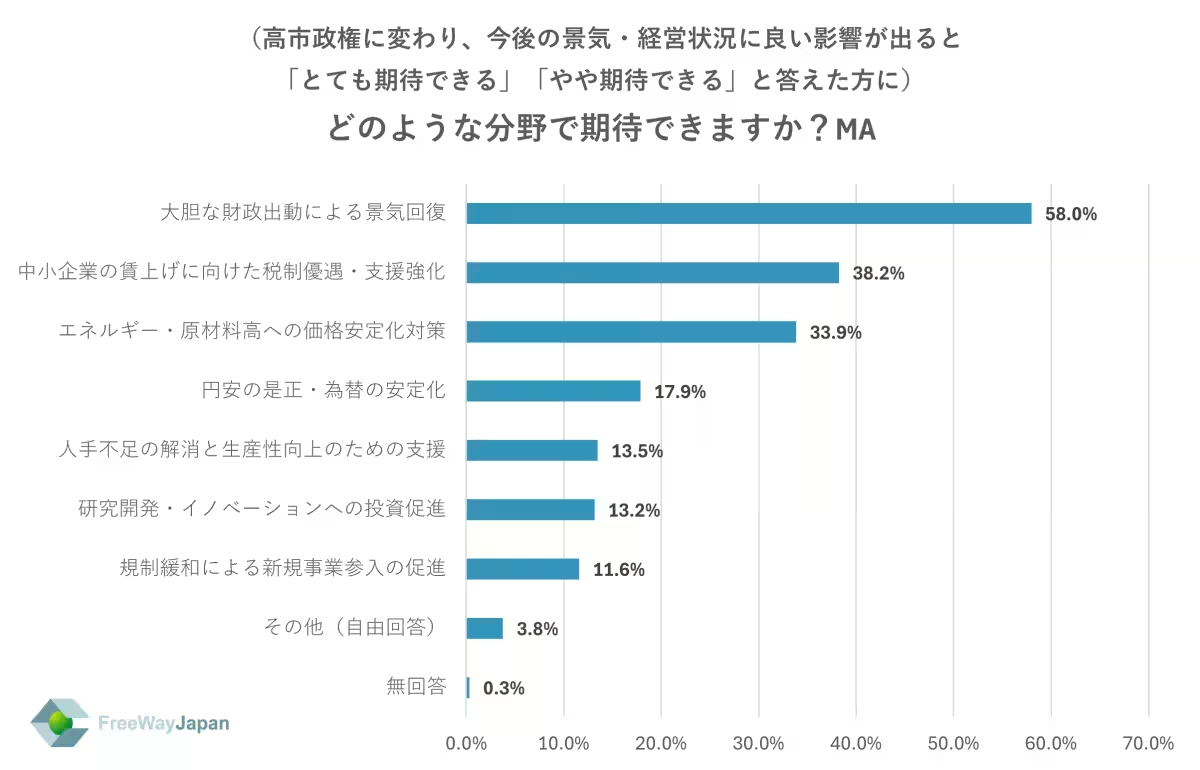
In light of the changing political landscape and the new Takai administration, 55.4% of respondents expressed hope for improved economic conditions. The top areas of anticipated support include substantial fiscal stimulus and tax incentives to promote wage increases within SMEs.
Long-term Support Expectations
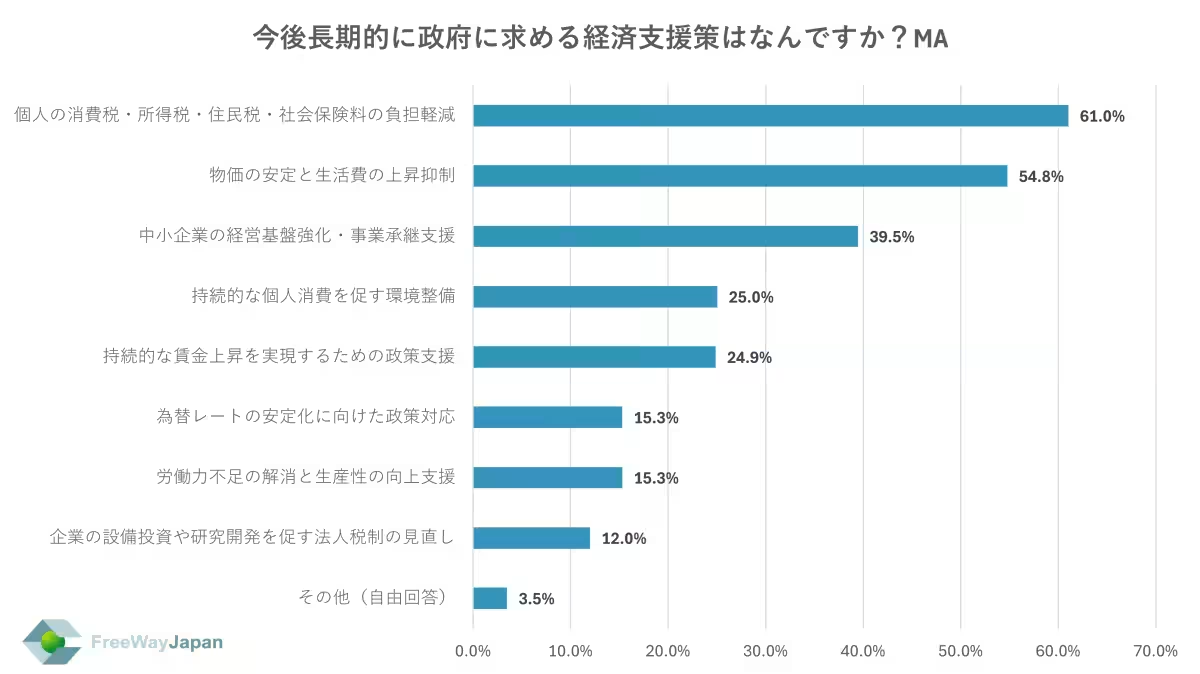
SMEs were asked about the long-term economic support they seek from the government, with 61.0% prioritizing reductions in personal consumption tax, income tax, as well as social security contributions.
Conclusion
The survey provided invaluable insights into the current economic sentiments of SMEs in Japan amid ongoing challenges. While there are expectations for policy improvements under the new administration, many businesses remain cautious, prioritizing stability and careful planning as they navigate the complex landscape ahead.
Topics Business Technology)
【About Using Articles】
You can freely use the title and article content by linking to the page where the article is posted.
※ Images cannot be used.
【About Links】
Links are free to use.