



The Changing Landscape of High School Job Placement and Challenges in 2026
Understanding the 2026 High School Job Placement Trends
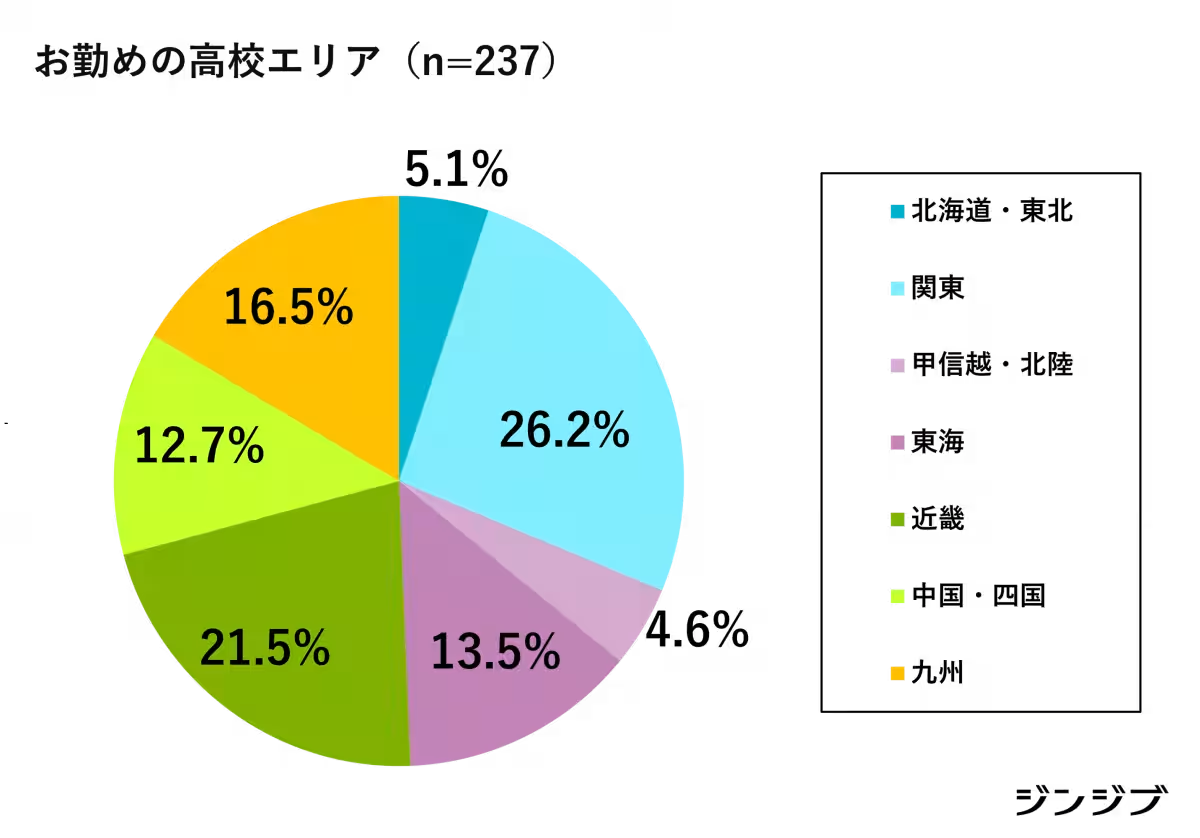
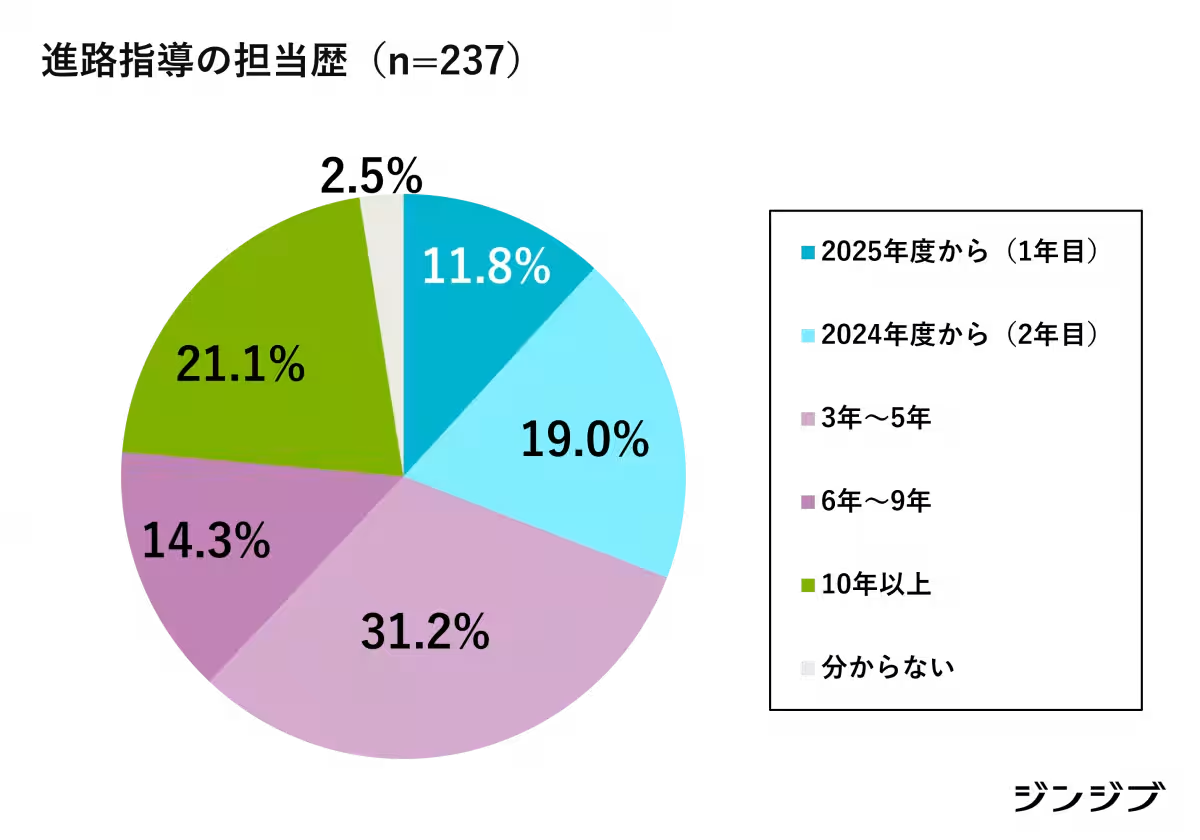
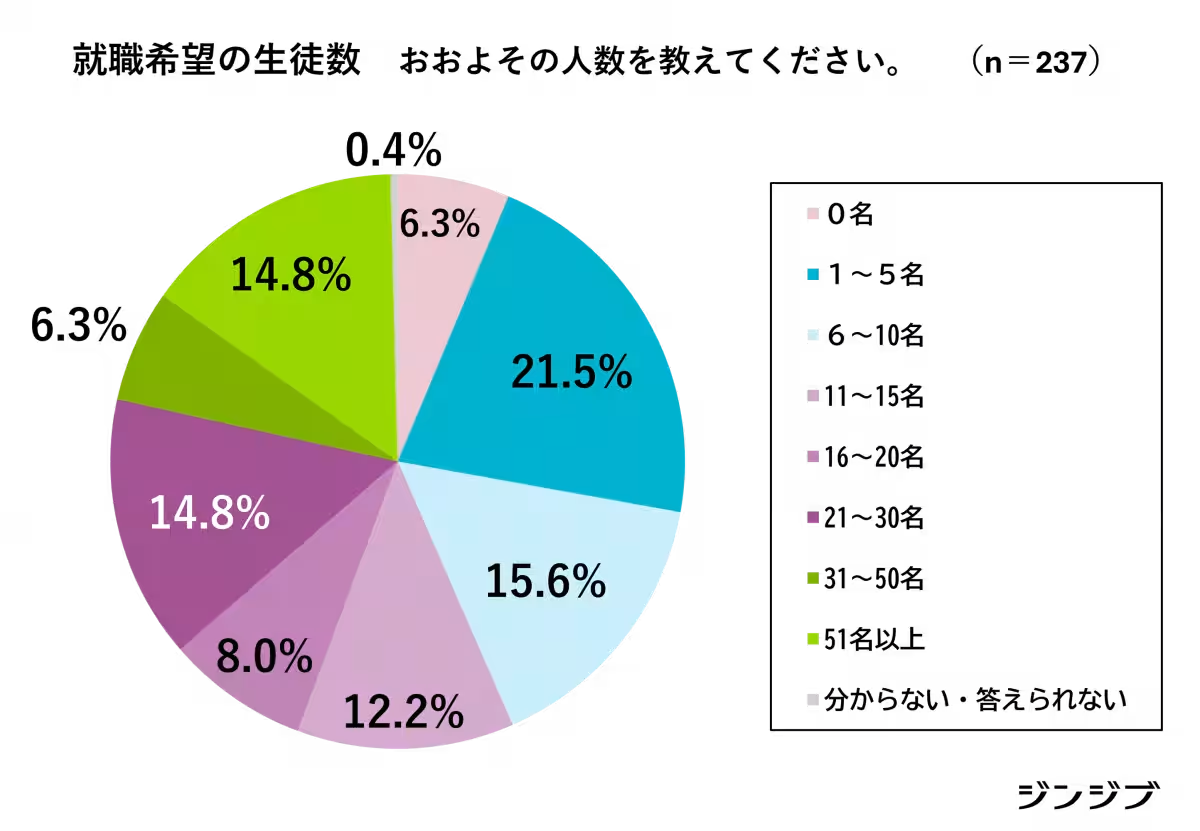
As we approach 2026, the job market for high school graduates is undergoing significant changes. A survey conducted by Jinjib (based in Osaka) targeted high school teachers involved in career guidance across the nation to gather their insights about the job placement landscape. With 237 valid responses collected during the period from January 15 to January 27, this survey sheds light on various challenges and trends impacting both students and educators.
Increase in Job Listings
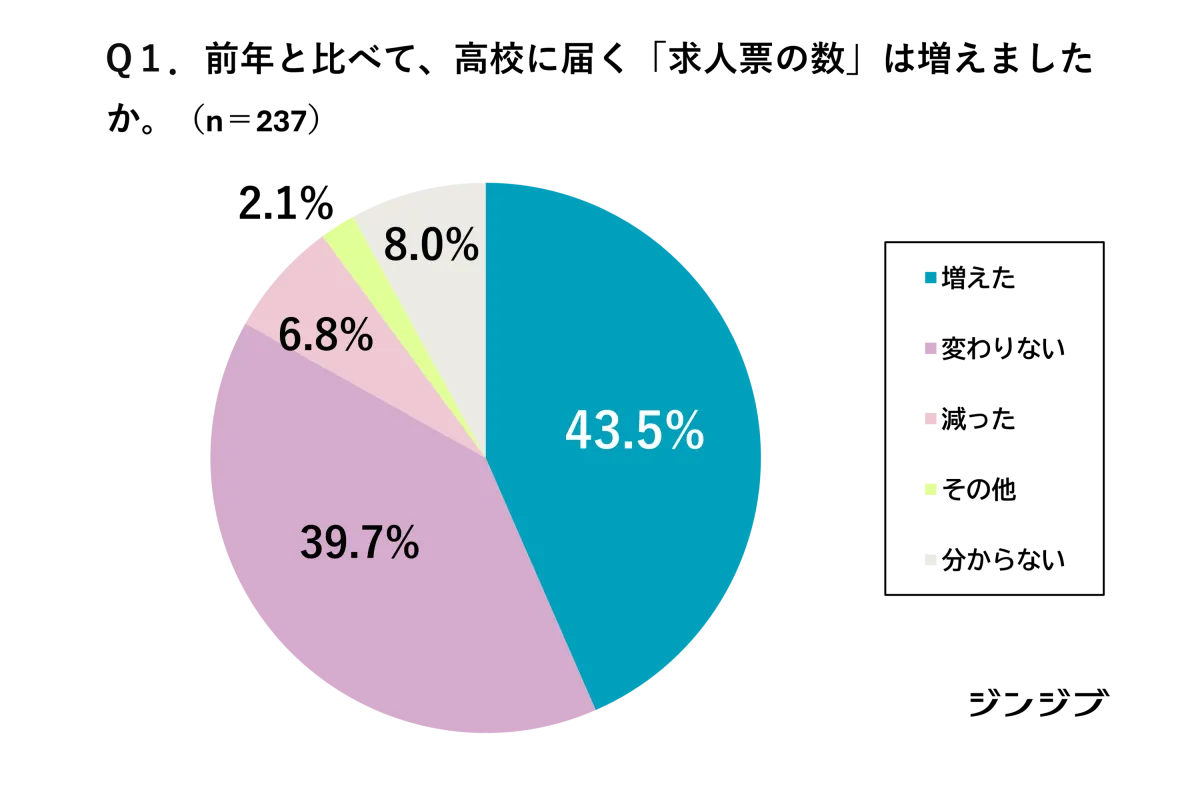
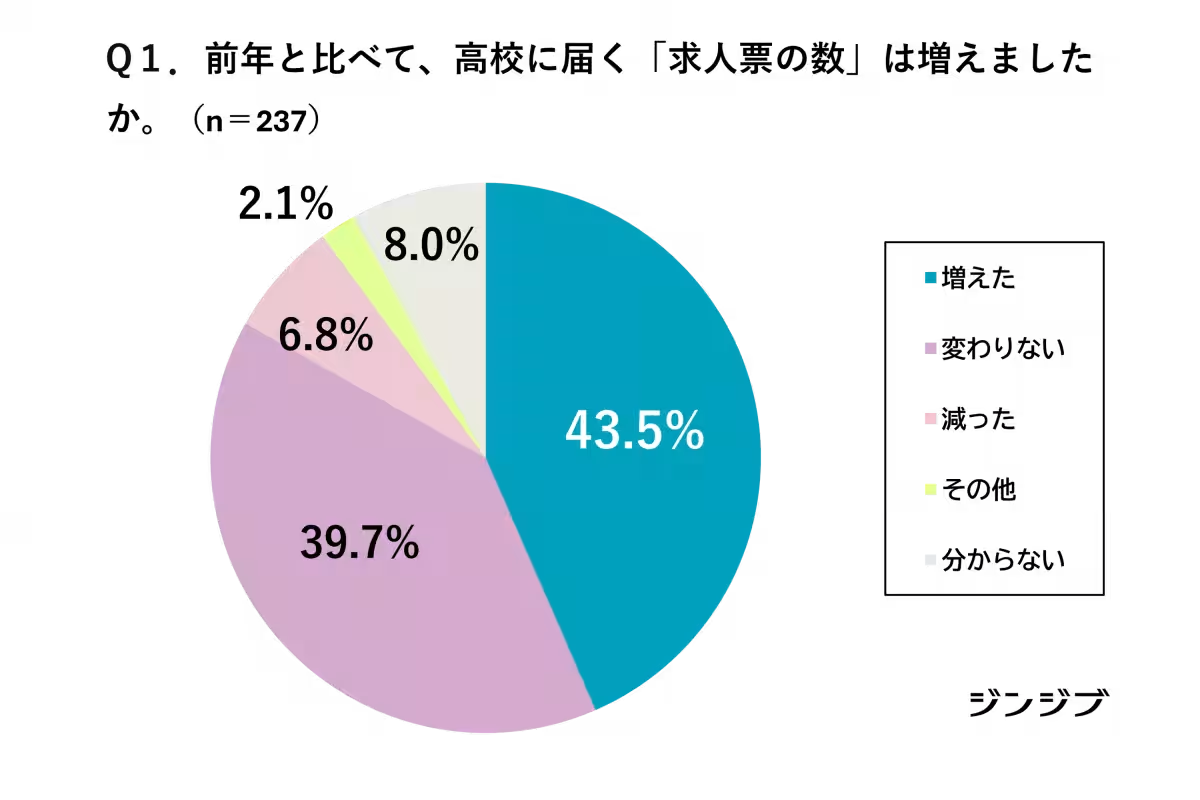
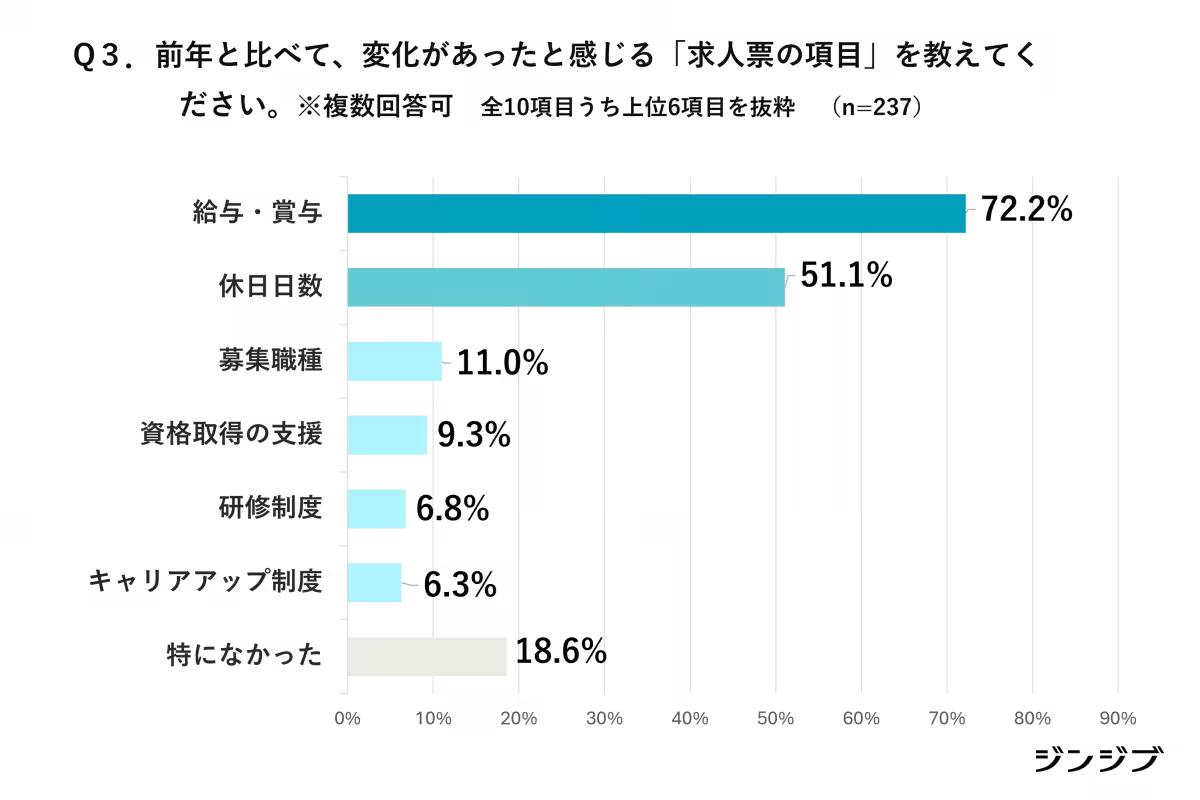
According to the data, 43.5% of teachers reported a notable increase in job postings, indicating a growing demand for high school graduates in the workforce. Not only has the quantity of job listings risen, but the quality has also improved, with 72.2% of respondents marking advancements in salary and bonuses, and 51.1% noting an increase in vacation days. This development showcases enhanced competition among companies aiming to attract fresh talent.
Teacher Workload Challenges
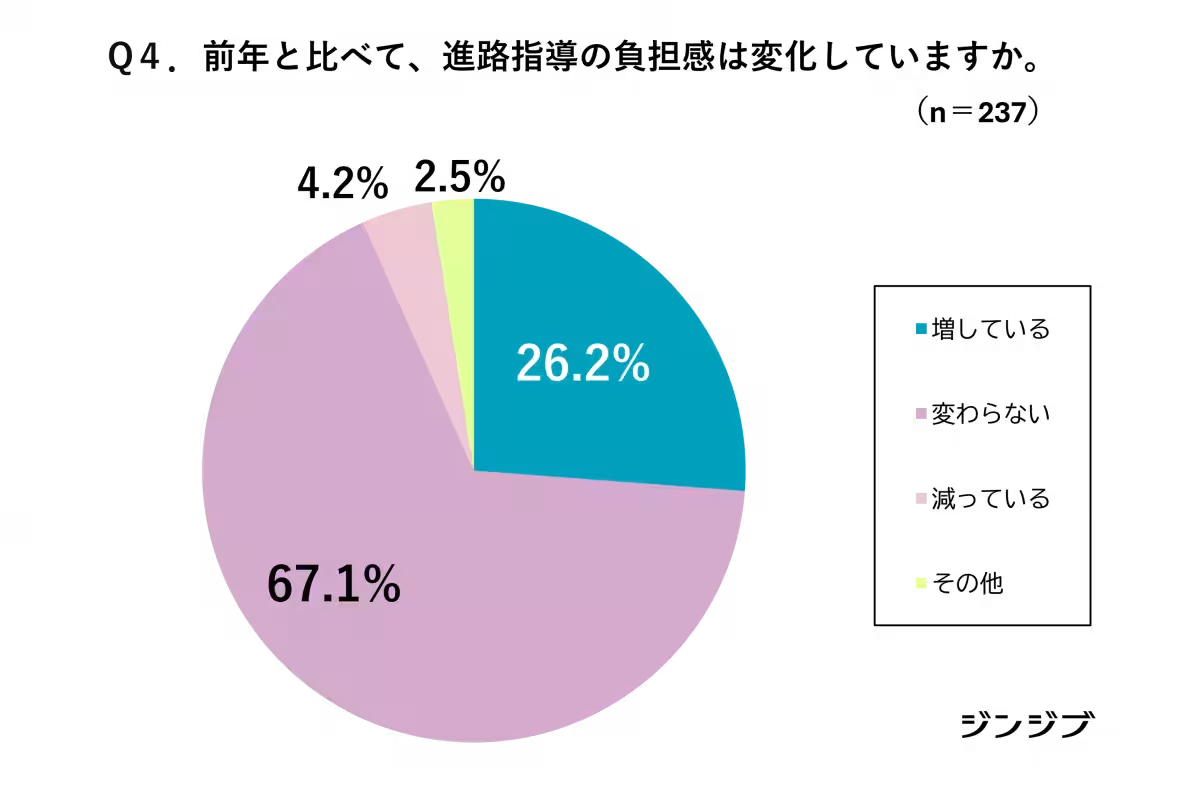
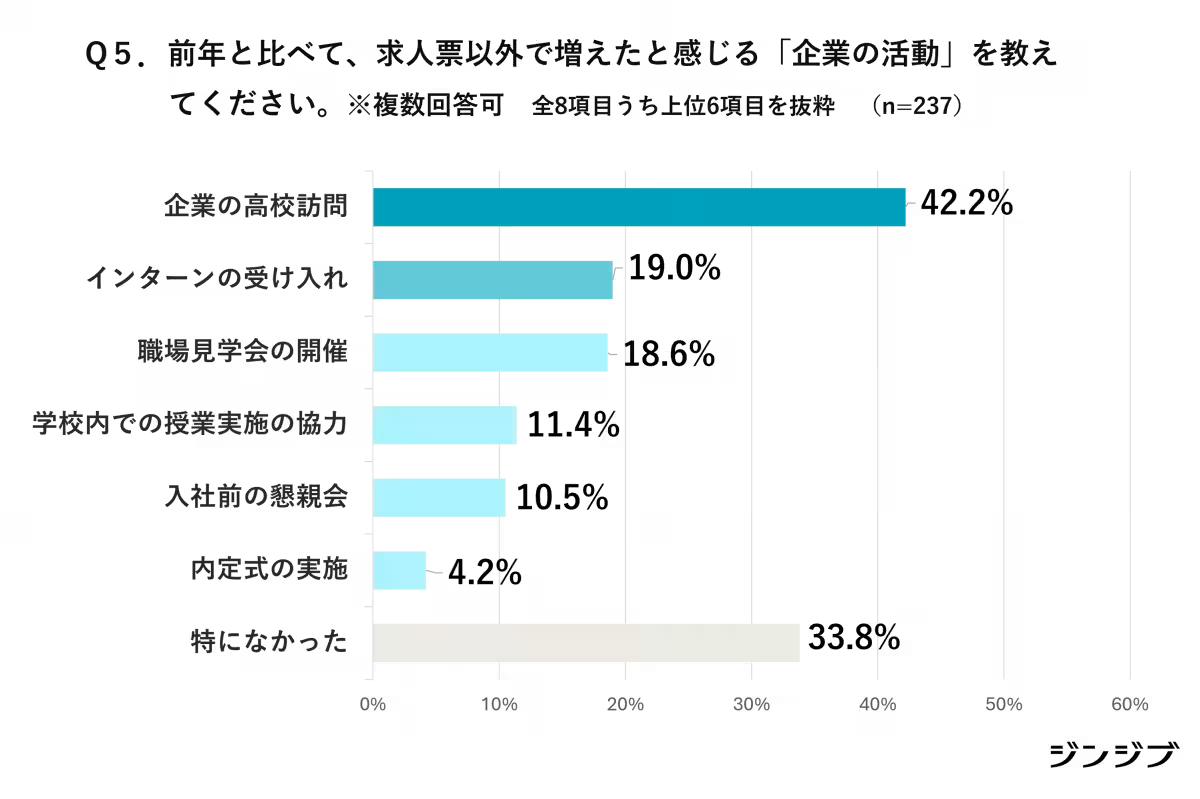
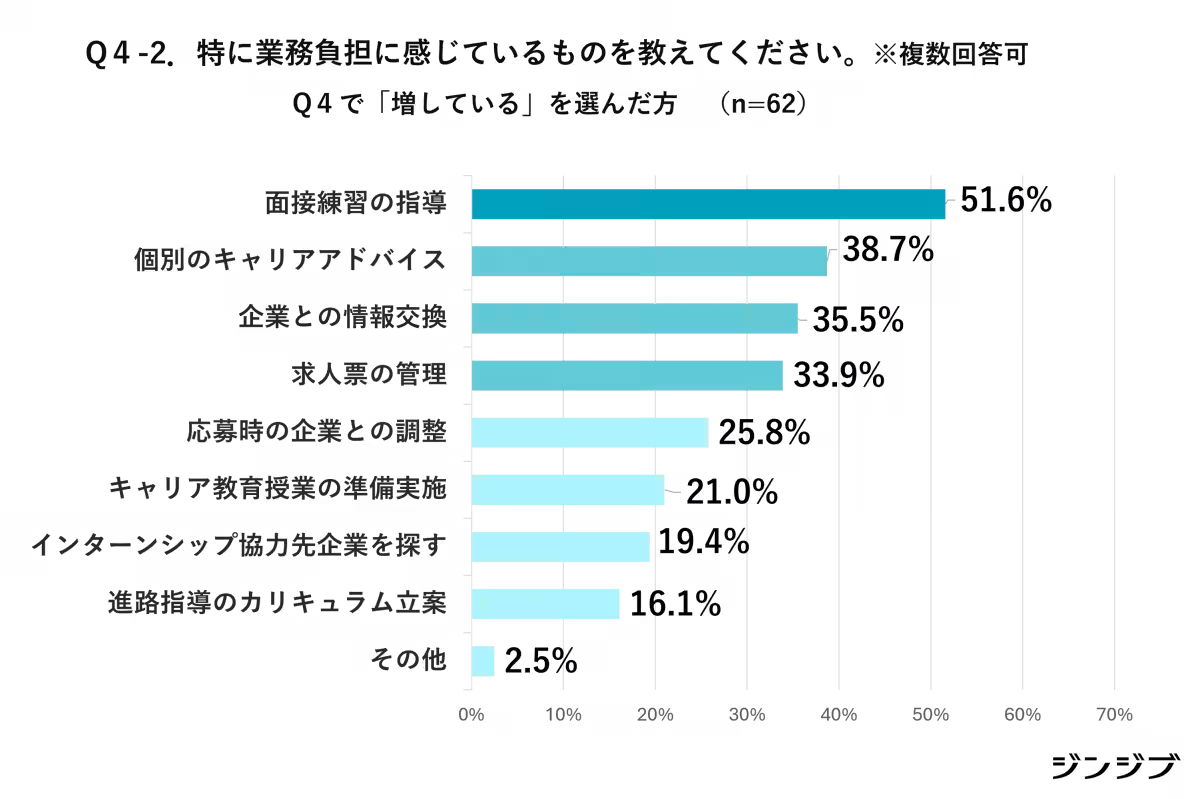
Despite the increase in job opportunities, teachers have expressed growing concerns over their mounting workloads. About 26.2% of educators noted that their responsibilities have intensified compared to the previous year. A significant contributing factor is the surge in company visits to high schools, which has increased by 42.2%. Teachers are now tasked with providing interview preparation sessions and personalized career advice, intensifying their professional strain.
Mismatched Expectations
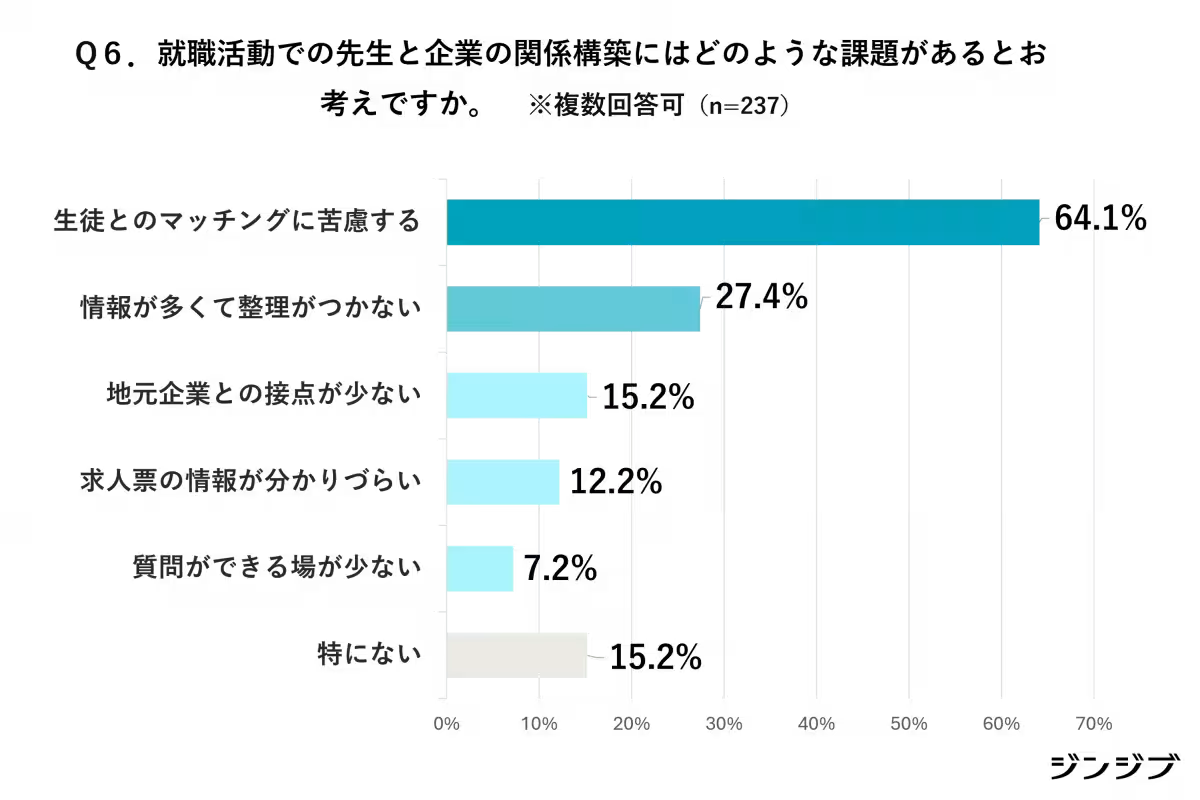
One of the most pressing issues identified is the mismatch between students and job opportunities. A staggering 64.1% of teachers indicated a struggle to align students with suitable job positions. The influx of information has led to students making decisions based solely on job conditions, which raises concerns about early departures from the workforce due to unsatisfactory placements.
Survey Details
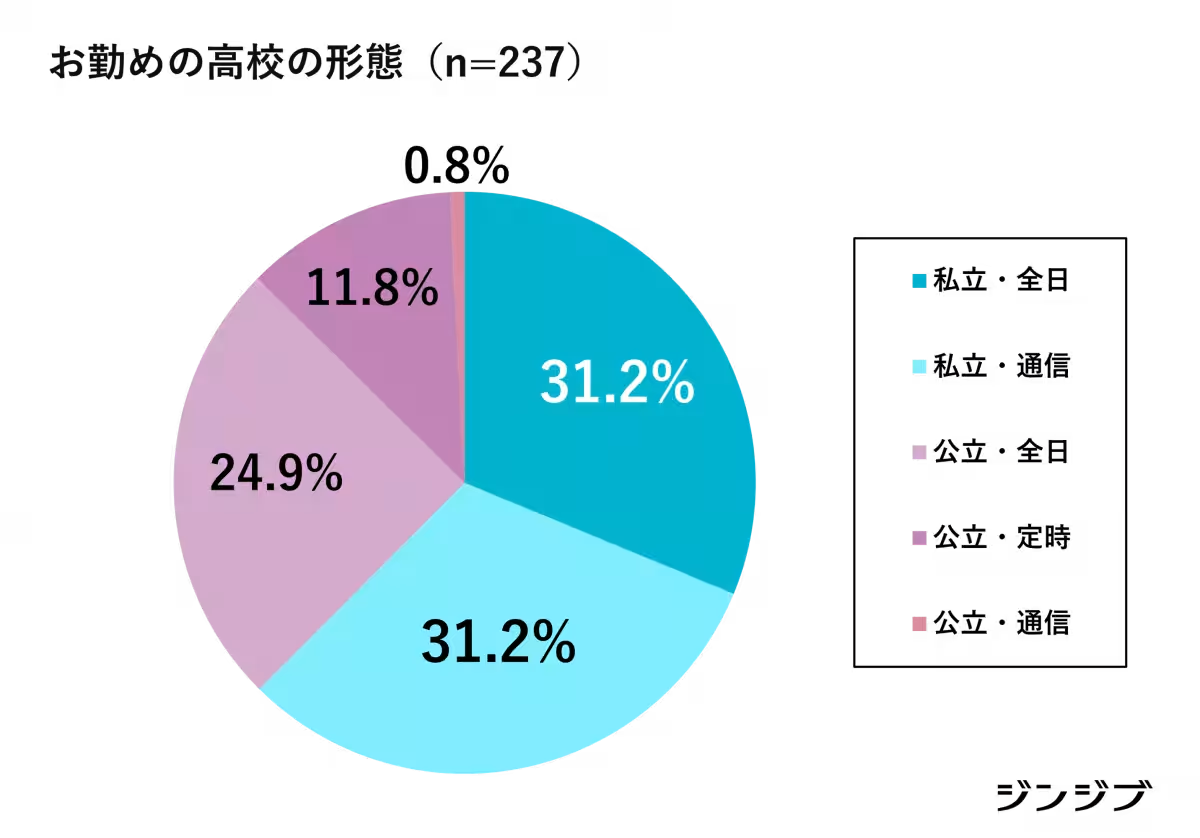
The survey focused on teachers from 630 high schools that implemented Jinjib’s “Job Draft Teacher” program. Key findings included:
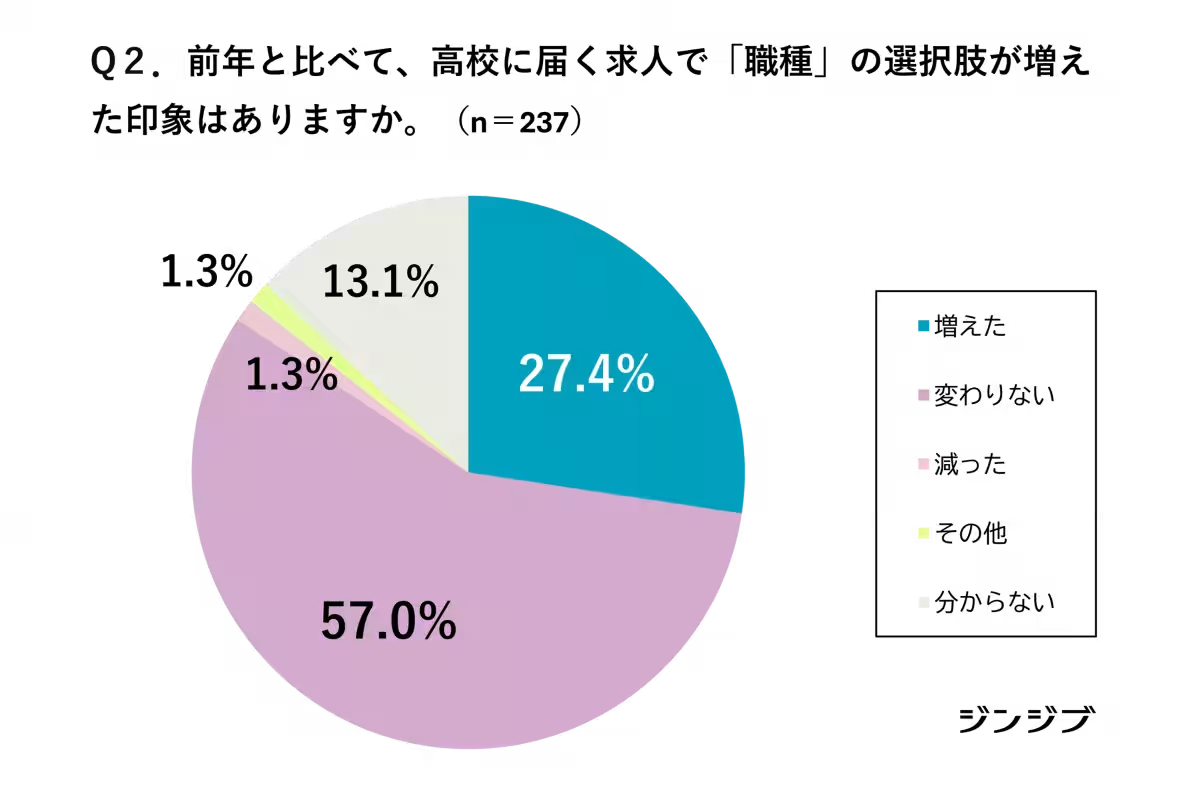
- - The perception of an increase in job types available was only at 27.4%. This suggests that while the number of job listings has expanded, the variety of specific roles remains relatively stagnant, placing more emphasis on specific industries.
- - Teachers expressed that the quality of job conditions has improved. However, they also reported increased difficulties in managing career guidance due to the sheer volume of new job listings.
The Underlying Issues
Diving deeper, the survey results indicate several underlying issues:
1. Overwhelming Information: As the number of job postings rises, filtering through this information has become a daunting task for students, making it hard for them to choose suitable employment paths.
2. Need for Practical Engagements: Many respondents emphasized the necessity for more hands-on experiences, such as internships and workplace tours, to give students practical insights about future careers.
3. Teacher Support: Furthermore, it is critical for companies to recognize the need to ease the burden on teachers while promoting their job opportunities effectively. By providing concise, easily accessible information, educators can focus more on student guidance.
Looking Ahead: Recommendations for the Future
The survey findings underline the need for a shift in strategy for the upcoming recruitment cycle:
1. Streamlined Information: Companies should present their strengths and culture in a clear manner to help teachers and students understand their offerings without being overwhelmed.
2. Interactive Experiences: Creating opportunities for students to engage in internships and job shadowing can significantly mitigate mismatches by letting them experience job roles firsthand.
3. Direct Outreach: Enhance communication strategies that reach students directly, such as social media campaigns and career fairs, enabling better awareness and proactive interest in various professions.
By addressing these areas, companies can play a pivotal role in aligning the interests of graduating high school students with available job opportunities, ultimately reducing mismatched placements in the job market. Jinjib remains committed to supporting both students and teachers in navigating these challenges and fostering an environment where career success is attainable for all high school graduates.
Topics Consumer Products & Retail)

【About Using Articles】
You can freely use the title and article content by linking to the page where the article is posted.
※ Images cannot be used.
【About Links】
Links are free to use.