



Family Enjoyment and Dining Frequency at Sushi Conveyor Chains: An In-depth Analysis
Understanding Family Dining Trends at Conveyor Sushi Restaurants
Recent research conducted by M&A Capital Partners, headquartered in Chuo City, Tokyo, has provided enlightening insights into the dining habits of families at conveyor sushi restaurants. This study surveyed 517 parents aged 25 to 49, who live with children under 18 and visit these restaurants at least once a month. Insights gathered from this group emphasize the evolving role of conveyor sushi as not just a dining choice, but a family entertainment venue.
Survey Insights
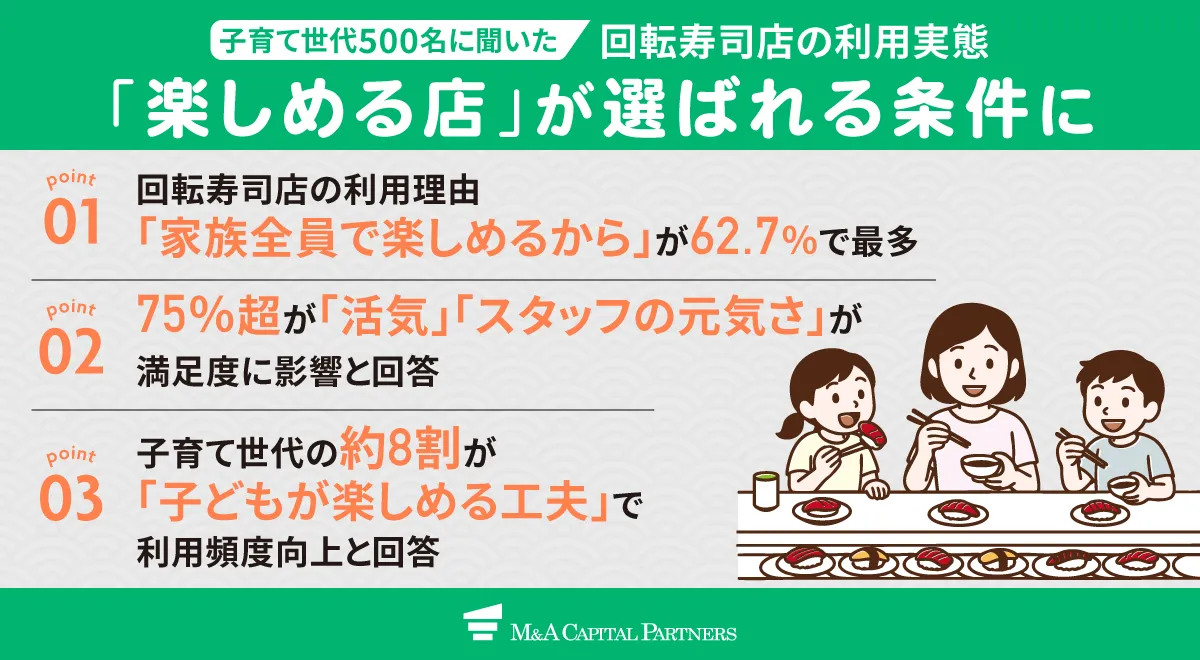
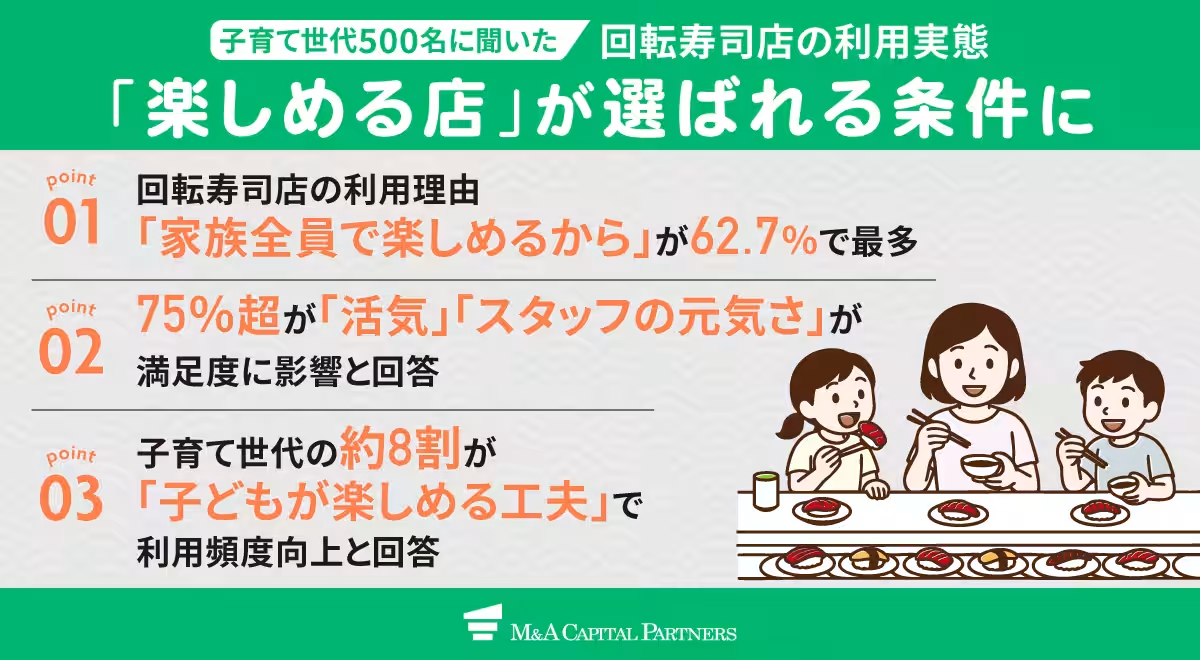
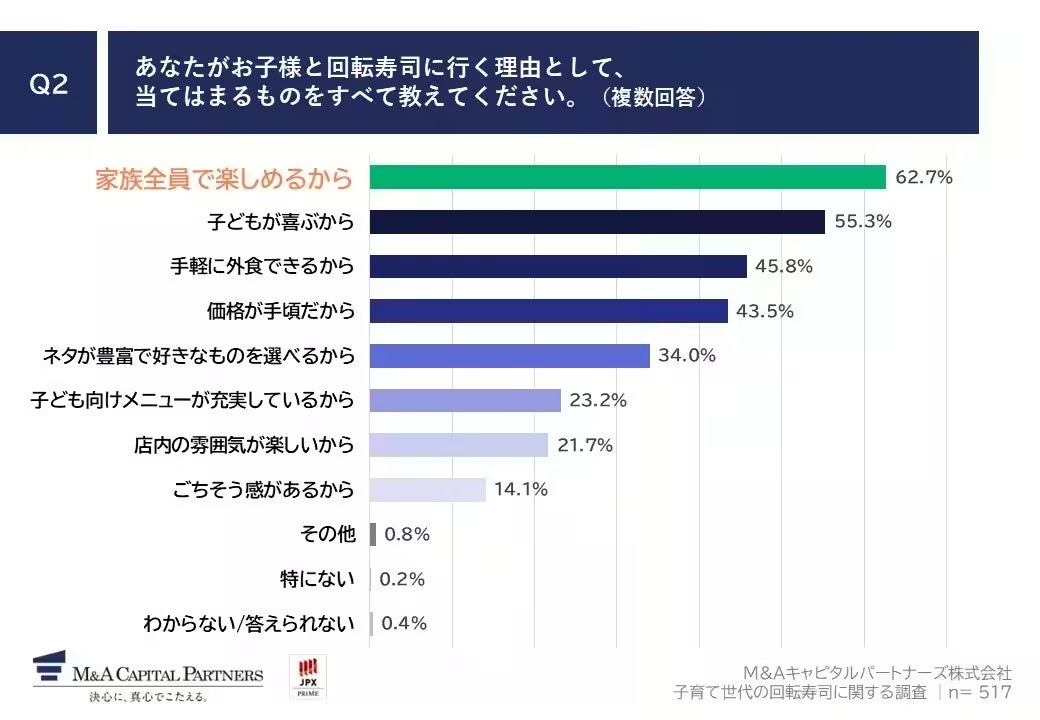
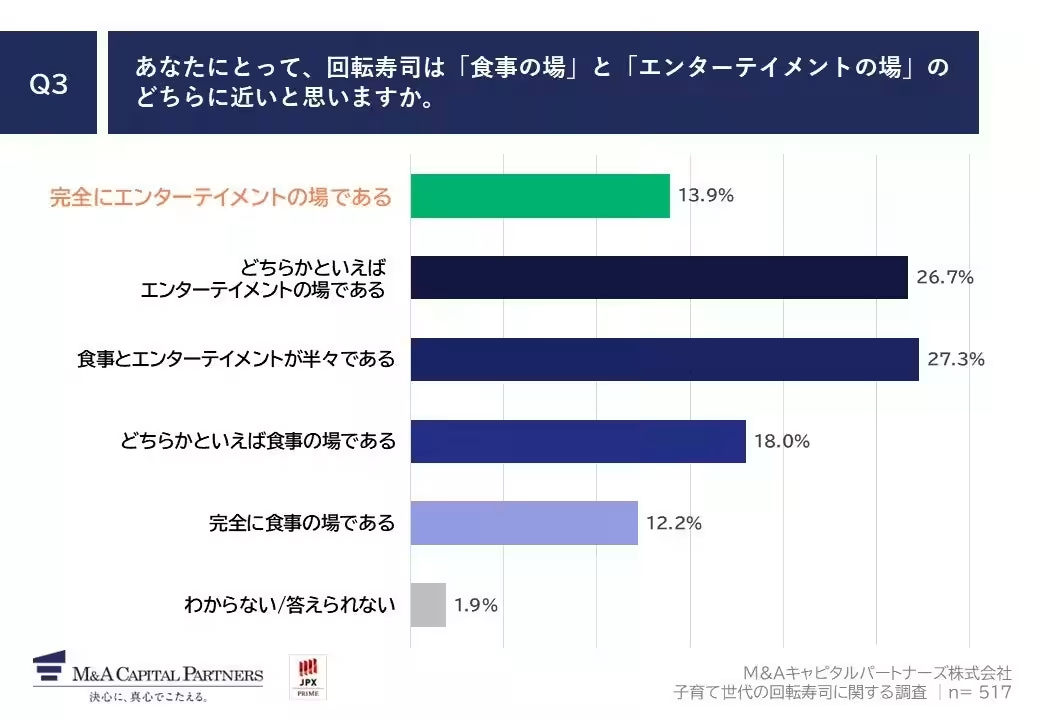
The survey, referred to as the "Utilization Trends of Conveyor Sushi Restaurants Among Parenting Generations," ran from January 6 to January 7, 2026. The results reveal that a significant 62.7% of respondents appreciate these dining spots mainly because they allow for family-wide enjoyment. In fact, about 40% of parents regard these places as venues for fun beyond mere meals.
Key Motivations and Experiences
When asked about the leading reasons for dining out at sushi conveyor chains, participants highlighted that enjoyment is paramount. Following the enjoyment factor, 55.3% stated that the happiness of their children was a primary motivation. These findings underscore a shift towards seeing sushi restaurants as spaces for family bonding and shared experiences.
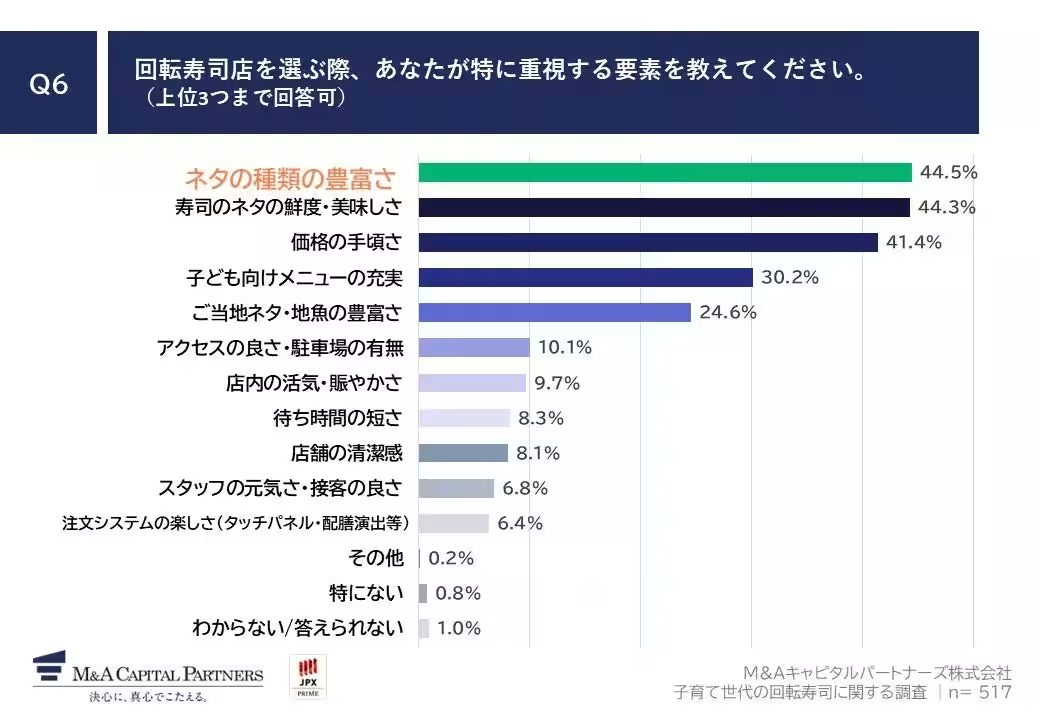
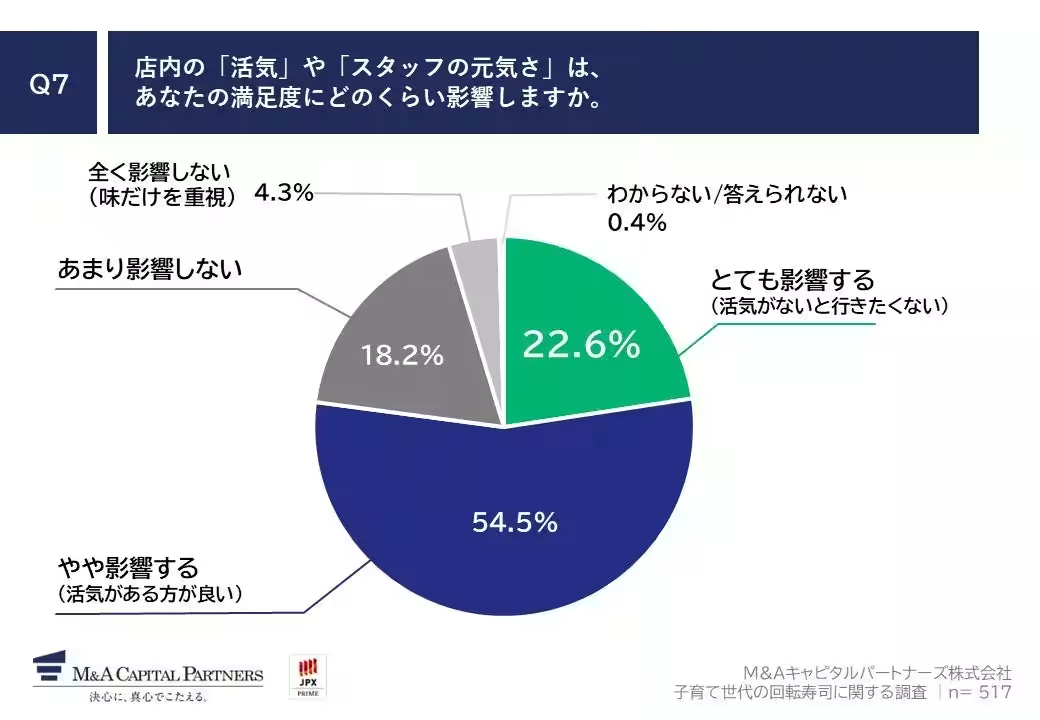
In terms of choosing a restaurant, parents highly prioritize quality. Roughly 44.5% noted the importance of a variety of sushi options, along with the freshness and taste of the sushi (44.3%). More interestingly, nearly 80% of respondents indicated that a lively atmosphere and cheerful staff significantly enhance their dining satisfaction, demonstrating that the overall experience is just as vital as the food itself.
Enhancing the Dining Experience
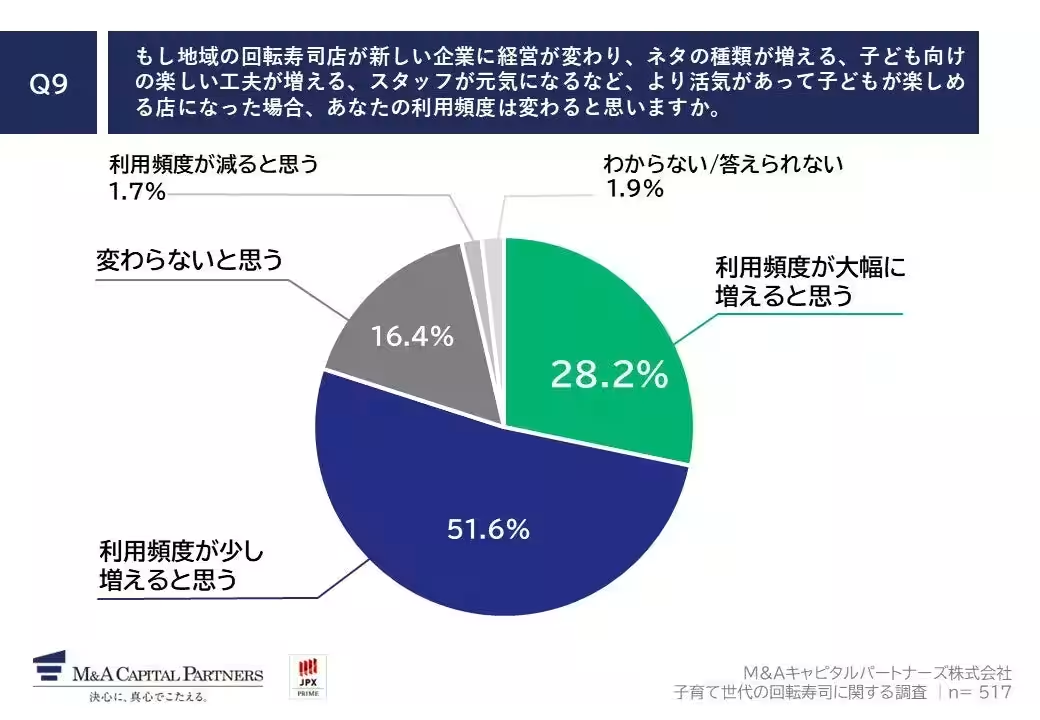
The survey highlights that 80% of parents would visit conveyor sushi restaurants more frequently if these establishments create vibrant atmospheres and incorporate entertaining elements for children. Recent trends show a transformation in sushi chains -- from providing affordable meals to becoming family-friendly restaurants, with diversified menus and enhancements designed for young diners.
Specific Dining Preferences
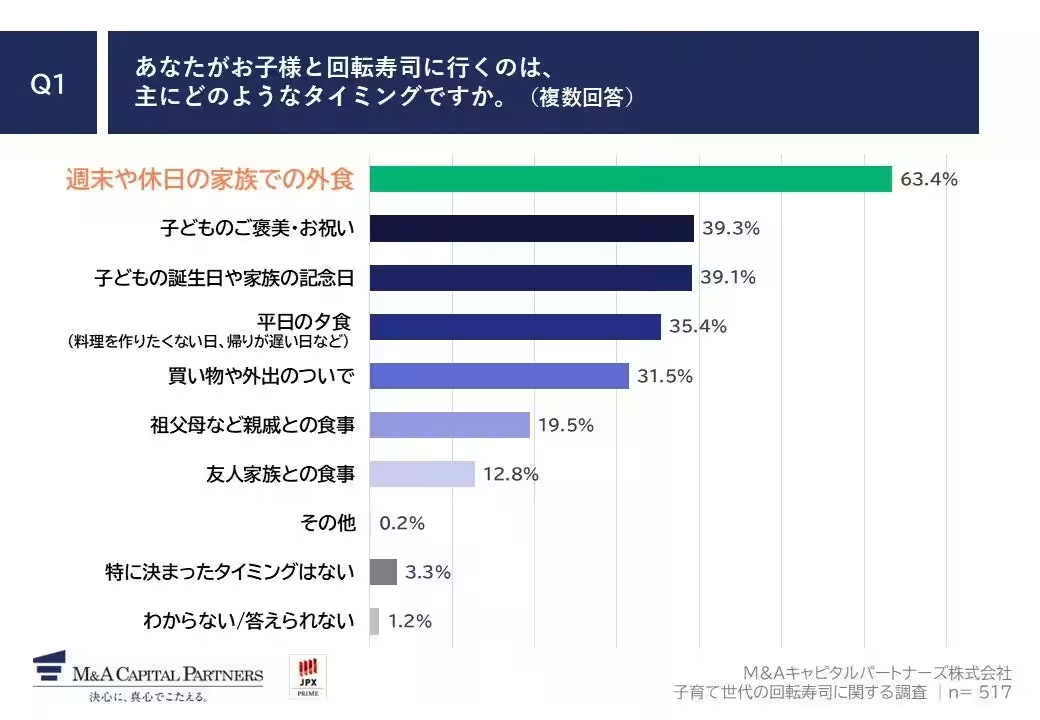
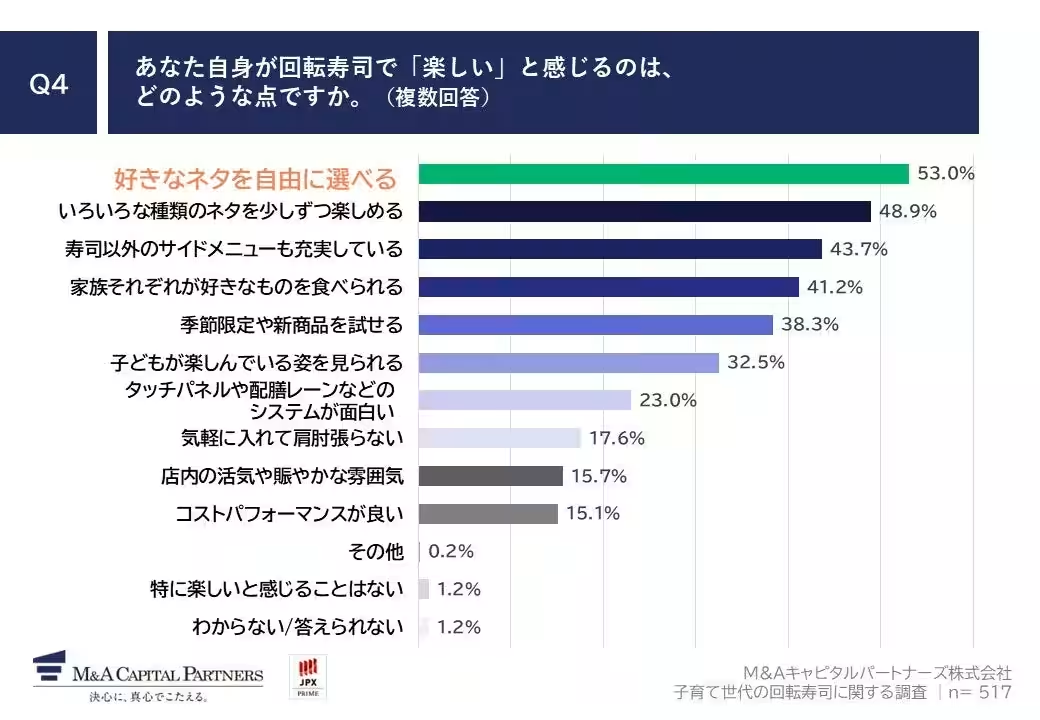
When parents consider when to visit these restaurants, weekends and holidays stand out as the most popular times (63.4%), often for celebratory occasions like children’s rewards and birthdays. Specific features that parents found enjoyable include the ability to choose their preferred sushi (53%) and the fun of sampling several types of sushi in small portions (48.9%).
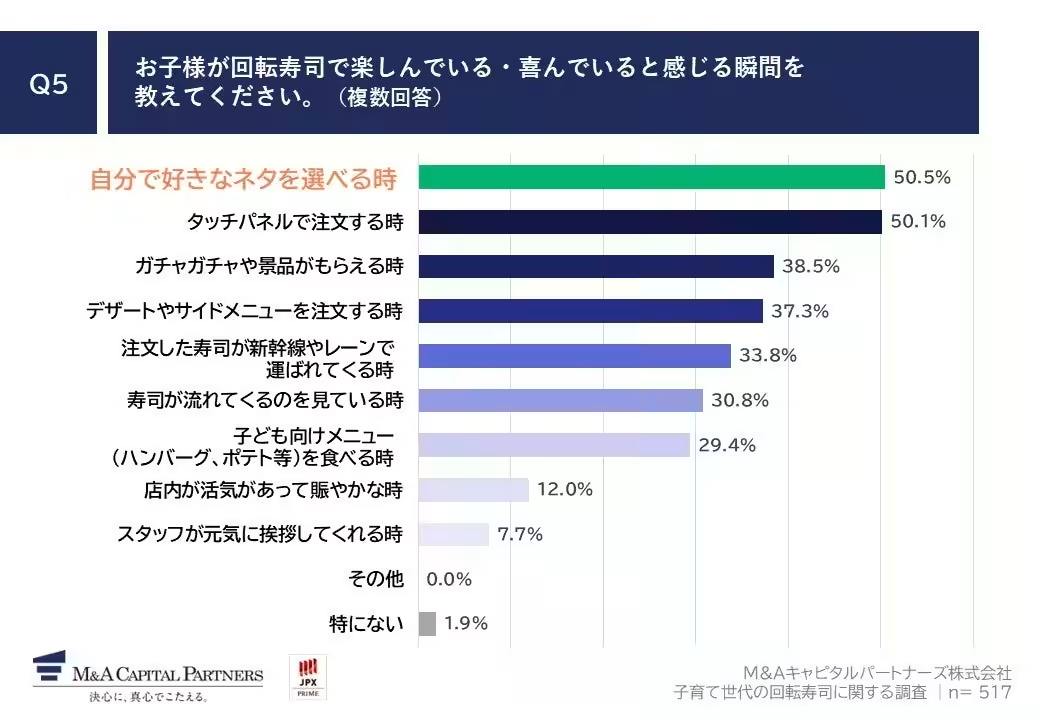
Moreover, a striking 50.5% of children enjoy the freedom of selecting their own sushi, while close behind are the interactive features like touchscreen ordering (50.1%) and kids’ rewards from gaming machines (38.5%). These moments of interaction indicate the restaurant's role as a source of entertainment.
Quality and Experience Matter
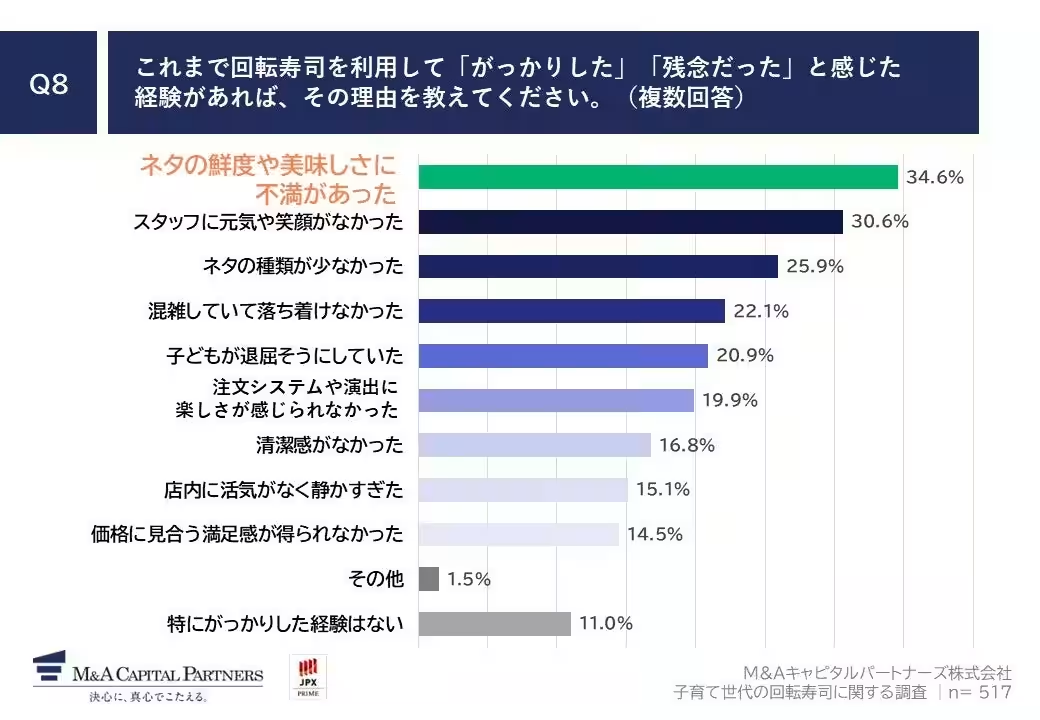
Popular criteria among parents for selecting a sushi venue included the quality of sushi toppings, its freshness, and reasonable pricing. On the other hand, when parents have experienced disappointment at these establishments, it often stemmed from issues like the freshness of the sushi (34.6%) and the lack of enthusiasm from the staff (30.6%).
The Future of Conveyor Sushi Dining
In conclusion, the findings from M&A Capital Partners highlight a growing acknowledgment of conveyor sushi restaurants not only as places to eat but as valuable experiences for families. As they adapt to meet the demands of this parenting demographic, enhancing restaurant atmosphere and customer interaction will be essential in drawing more families in. As the industry continues to evolve, businesses must focus on energetic and enjoyable environments to retain customer interest and foster loyalty.
The ongoing demand for quality experiences lies at the heart of modern dining preferences. In light of recent challenges in the restaurant industry, including staffing shortages and rising material costs, the call for adaptation via mergers and acquisitions has become pronounced. This could potentially lead to a significant restructuring within the industry, driven primarily by the need to improve customer satisfaction while ensuring sustainable growth.

Topics Consumer Products & Retail)
【About Using Articles】
You can freely use the title and article content by linking to the page where the article is posted.
※ Images cannot be used.
【About Links】
Links are free to use.