



The Impact of Customer Harassment on Middle-Aged Male Managers: Analysis and Insights
The recent analysis conducted by Pasona Safety Net delves deep into customer harassment experiences, particularly focusing on male managers in their 40s. The study builds on a prior report released in December 2025 that cataloged harassment rates across various industries.
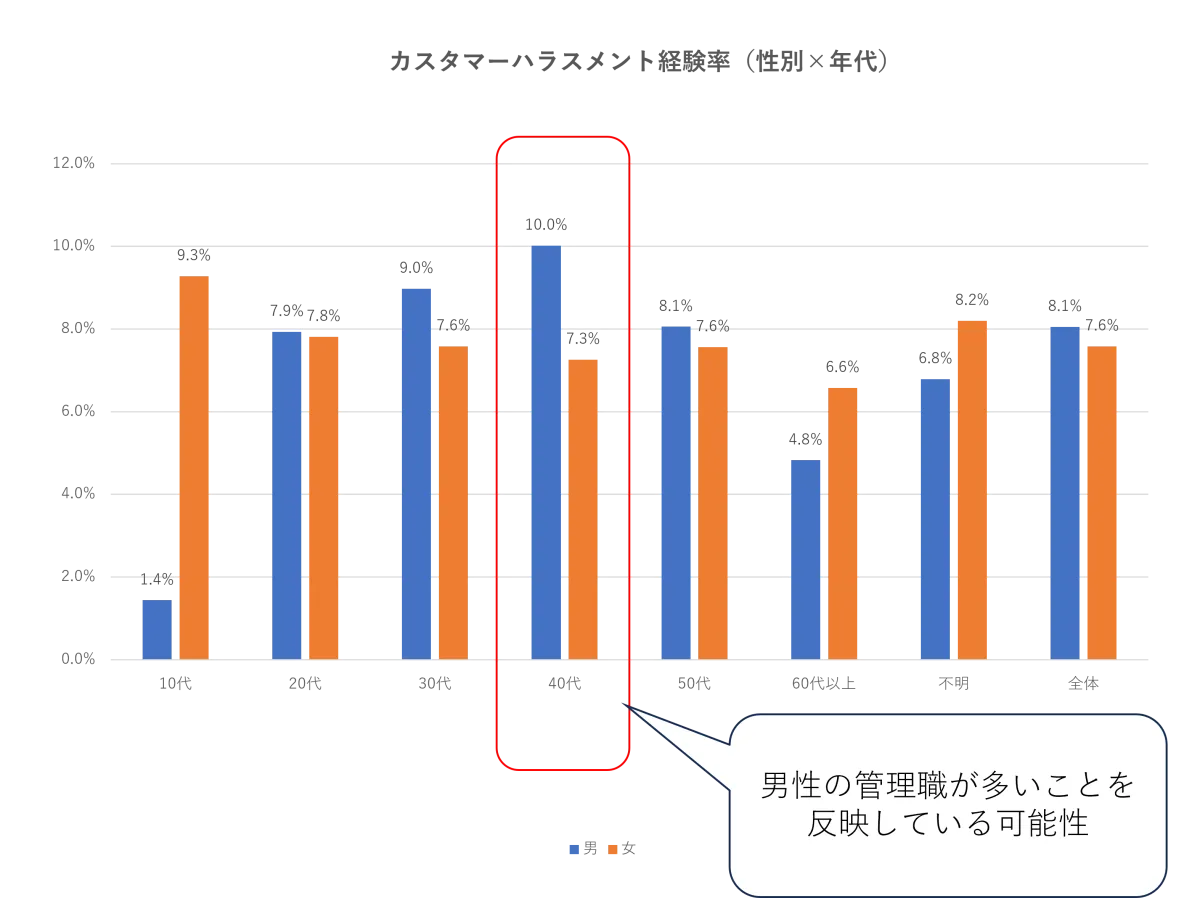
In the latest findings, it became evident that middle-aged male managers exhibit a notably higher incidence of customer harassment compared to other demographics. Specifically, men in their 40s were found to be most affected, likely due to their roles as final points of contact when handling complaints. This demographic often assumes the responsibilities associated with customer service escalations, positioning them uniquely under the pressure of customer interactions.
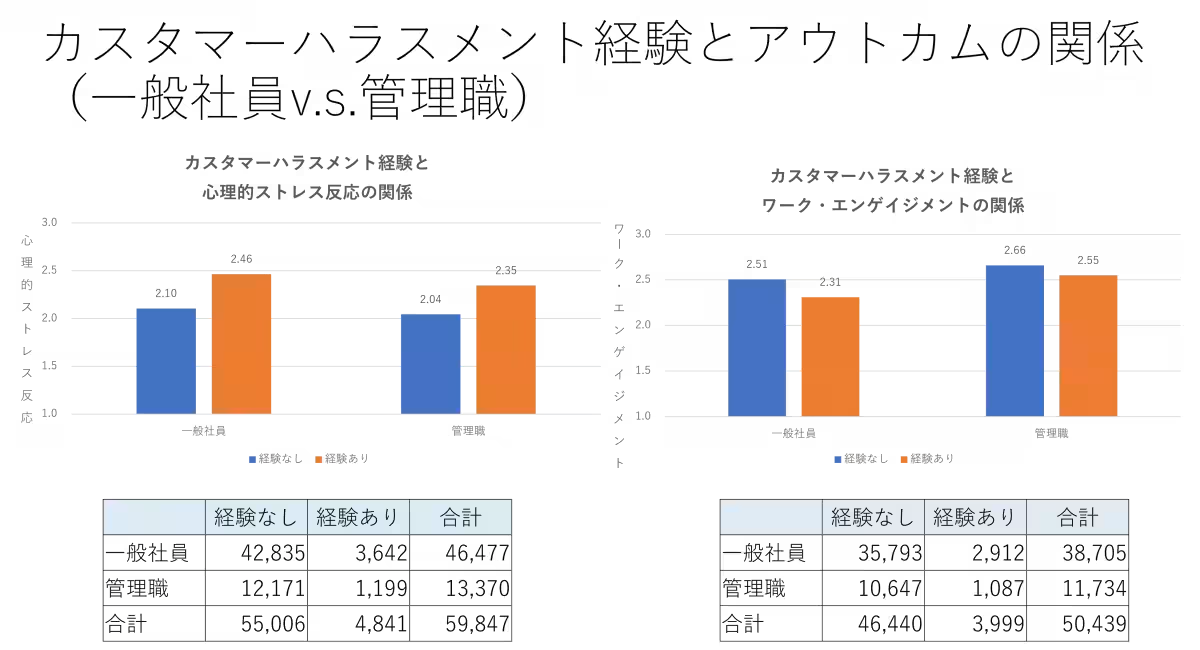
The research also evaluated the relationship between these harassment experiences and several outcomes, including psychological stress responses, productivity levels, sleep quality, and work engagement. The findings revealed that there is a strong correlation between customer harassment and increased psychological stress, alongside decreased productivity and lower recovery rates from sleep. For managers, while the impact on work engagement was less apparent, they experienced significant mental health consequences.
The analysis was conducted from May to October 2025, involving responses from 251 organizations and over 78,000 participants who filled out the simplified occupational stress questionnaire that Pasona Safety Net provided. The evaluation focused on the past six months, analyzing experiences related to verbal abuse, threats, intimidation, and excessive demands from customers.
1. Age and Gender Trends: The findings highlighted that men in their 40s reported the highest rates of customer harassment. This trend is attributable to the prevalence of men in managerial positions who are often the final decision-makers in complaint resolutions.
2. Managerial Experience: Both male and female managers exhibited higher rates of harassment experiences compared to regular employees. This suggests that the role of a manager inherently involves navigating challenging customer scenarios, which can lead to heightened exposure to harassment.
3. Differences in Outcomes: When comparing the experiences between regular employees and managers, both groups showed higher psychological stress responses when encountering harassment. Nonetheless, the difference in work engagement levels, while present, was less pronounced among managers. This indicates that managerial roles may shield individuals from showing drops in engagement even when facing external pressures from customers.
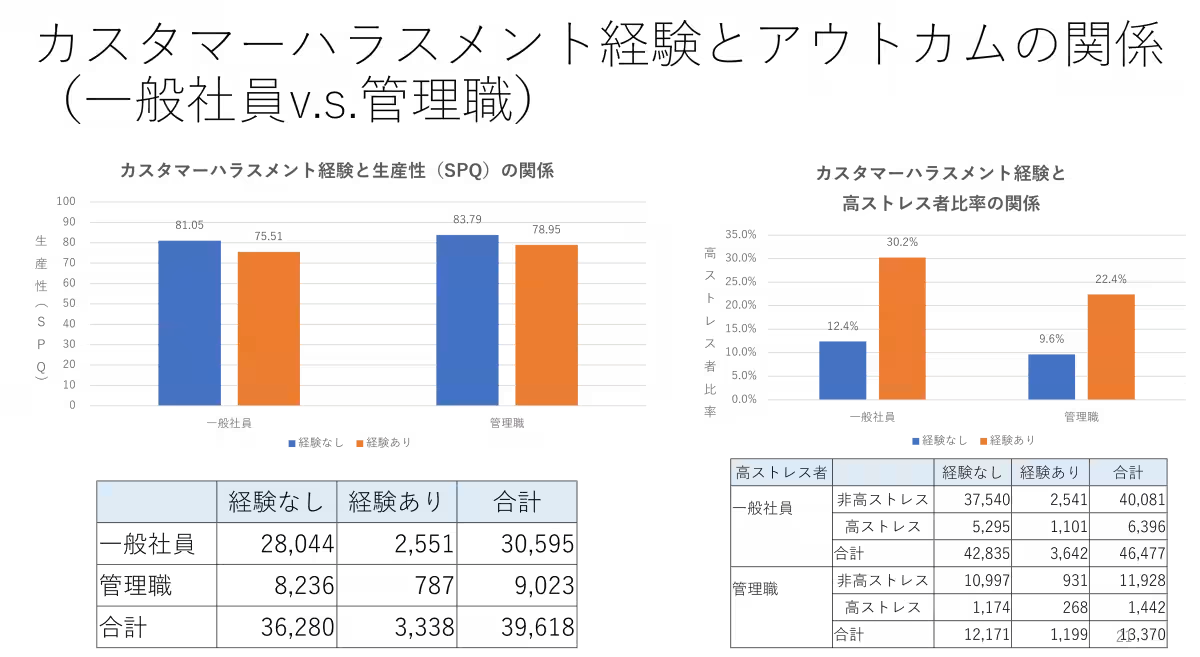
4. Productivity Links: The research established a link between harassment and lowered productivity levels across both managerial and employee ranks. Those who reported experiencing customer harassment scored lower on productivity metrics, suggesting a broader impact on work performance beyond just emotional distress.
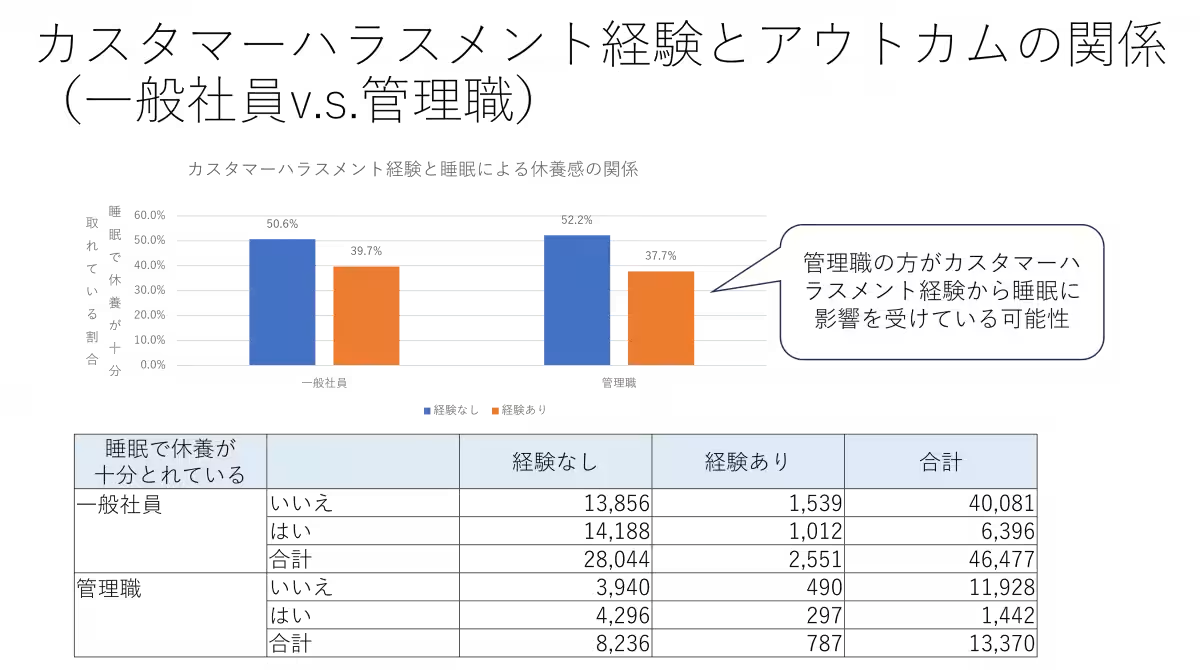
5. Recovery and Stress Factors: The results indicated a higher proportion of high-stress individuals among those who experienced harassment. Additionally, a notable decline was observed in reports of sufficient recovery from sleep among those affected by harassment, especially pronounced within the managerial cohort.
The findings suggest that customer harassment is a systemic workplace issue that extends beyond frontline employees to include managerial staff. Even if managerial engagement appears stable, the invisible impacts on productivity and recovery highlight a pressing need for organizational support focused on mental health and resilience strategies.
With rising concerns over employee burnout and turnover, it is crucial for organizations to recognize the psychological and physical toll of customer harassment. Employers must prioritize early detection of harassment and devise proactive measures to mitigate its effects.
In response to these findings, Pasona Safety Net has launched several initiatives aimed at curbing customer harassment. These include:
It is vital for organizations to address customer harassment not just as an isolated incident but as a structural challenge that requires comprehensive solutions to maintain a healthy work environment.

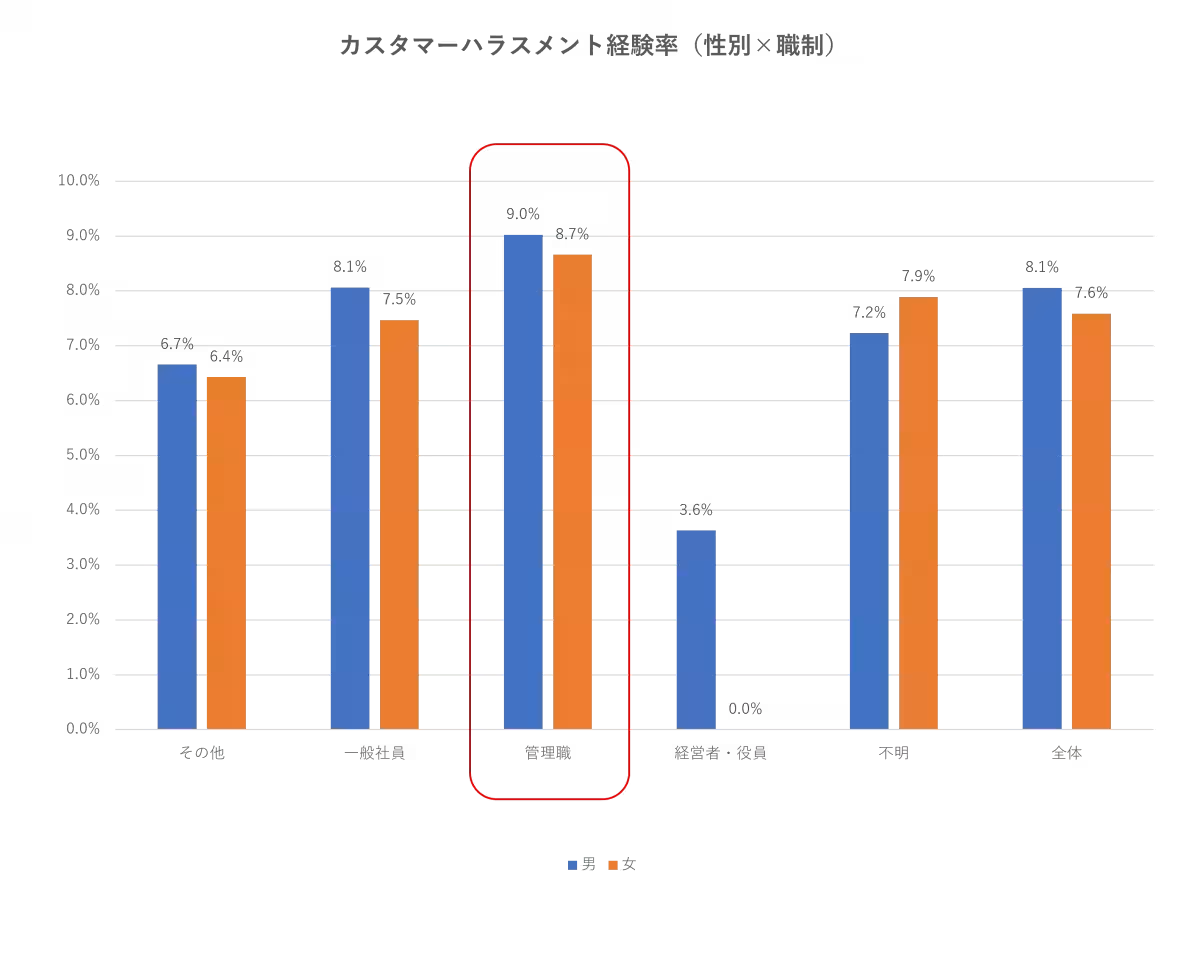
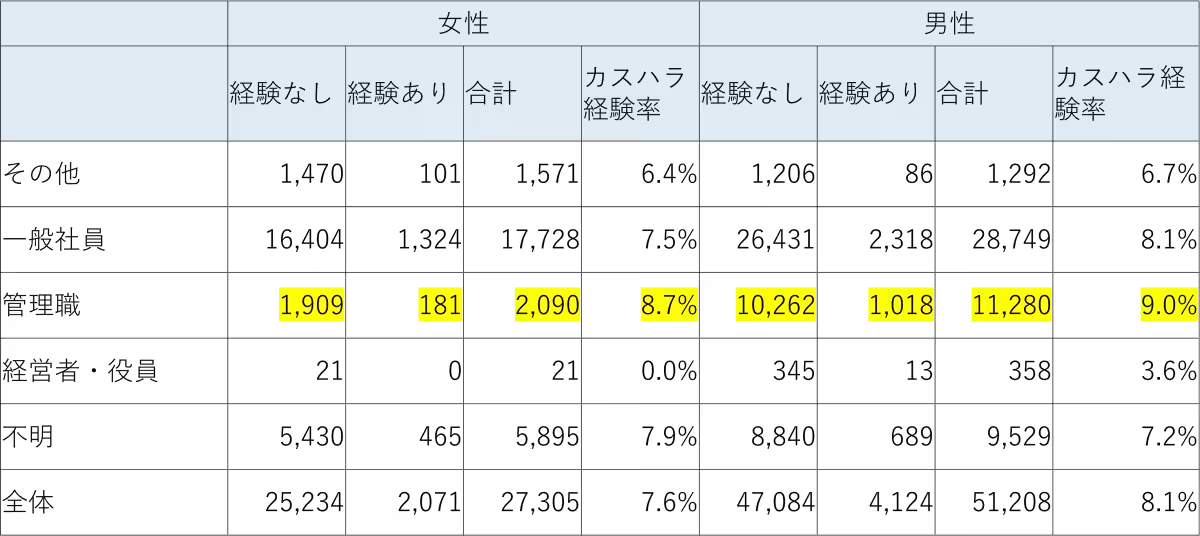
In the latest findings, it became evident that middle-aged male managers exhibit a notably higher incidence of customer harassment compared to other demographics. Specifically, men in their 40s were found to be most affected, likely due to their roles as final points of contact when handling complaints. This demographic often assumes the responsibilities associated with customer service escalations, positioning them uniquely under the pressure of customer interactions.
The research also evaluated the relationship between these harassment experiences and several outcomes, including psychological stress responses, productivity levels, sleep quality, and work engagement. The findings revealed that there is a strong correlation between customer harassment and increased psychological stress, alongside decreased productivity and lower recovery rates from sleep. For managers, while the impact on work engagement was less apparent, they experienced significant mental health consequences.
Study Background
The analysis was conducted from May to October 2025, involving responses from 251 organizations and over 78,000 participants who filled out the simplified occupational stress questionnaire that Pasona Safety Net provided. The evaluation focused on the past six months, analyzing experiences related to verbal abuse, threats, intimidation, and excessive demands from customers.
Key Findings
1. Age and Gender Trends: The findings highlighted that men in their 40s reported the highest rates of customer harassment. This trend is attributable to the prevalence of men in managerial positions who are often the final decision-makers in complaint resolutions.
2. Managerial Experience: Both male and female managers exhibited higher rates of harassment experiences compared to regular employees. This suggests that the role of a manager inherently involves navigating challenging customer scenarios, which can lead to heightened exposure to harassment.
3. Differences in Outcomes: When comparing the experiences between regular employees and managers, both groups showed higher psychological stress responses when encountering harassment. Nonetheless, the difference in work engagement levels, while present, was less pronounced among managers. This indicates that managerial roles may shield individuals from showing drops in engagement even when facing external pressures from customers.
4. Productivity Links: The research established a link between harassment and lowered productivity levels across both managerial and employee ranks. Those who reported experiencing customer harassment scored lower on productivity metrics, suggesting a broader impact on work performance beyond just emotional distress.
5. Recovery and Stress Factors: The results indicated a higher proportion of high-stress individuals among those who experienced harassment. Additionally, a notable decline was observed in reports of sufficient recovery from sleep among those affected by harassment, especially pronounced within the managerial cohort.
Implications for Work Environment
The findings suggest that customer harassment is a systemic workplace issue that extends beyond frontline employees to include managerial staff. Even if managerial engagement appears stable, the invisible impacts on productivity and recovery highlight a pressing need for organizational support focused on mental health and resilience strategies.
With rising concerns over employee burnout and turnover, it is crucial for organizations to recognize the psychological and physical toll of customer harassment. Employers must prioritize early detection of harassment and devise proactive measures to mitigate its effects.
Pasona Safety Net's Initiatives
In response to these findings, Pasona Safety Net has launched several initiatives aimed at curbing customer harassment. These include:
- - Establishing a third-party consultation service to assist both employees and management
- - Providing mental health support for victims of harassment
- - Offering tailored training and policy-making support based on organizational structure
- - Implementing strategies for the early detection and prevention of customer harassment occurrences
It is vital for organizations to address customer harassment not just as an isolated incident but as a structural challenge that requires comprehensive solutions to maintain a healthy work environment.
Topics People & Culture)

【About Using Articles】
You can freely use the title and article content by linking to the page where the article is posted.
※ Images cannot be used.
【About Links】
Links are free to use.