




Challenges and Directions in Pricing Strategy for Inbound Tourism
Overview of Inbound Tourism Pricing Strategies
Dynamic Plus Corporation, headquartered in Shinjuku, Tokyo, provides a revenue management system named D+ designed specifically for hotels and accommodation facilities. In response to the significant increase in inbound travelers to Japan, the company conducted a survey in September 2025, focusing on pricing strategies related to inbound demand within the hospitality, transportation, and tourism sectors.
According to projections from the Japan Tourism Agency, by 2025, inbound tourism is expected to rebound beyond pre-pandemic levels, making it imperative for domestic accommodation and transport operators to reassess their pricing strategies to cater to overseas demand. However, many operators face challenges, such as determining the optimal timing for price adjustments and anticipating demand fluctuations triggered by foreign exchange rates and events. The survey revealed that there is a lack of systematic approaches to pricing based on data and AI utilization.
Findings of the Survey
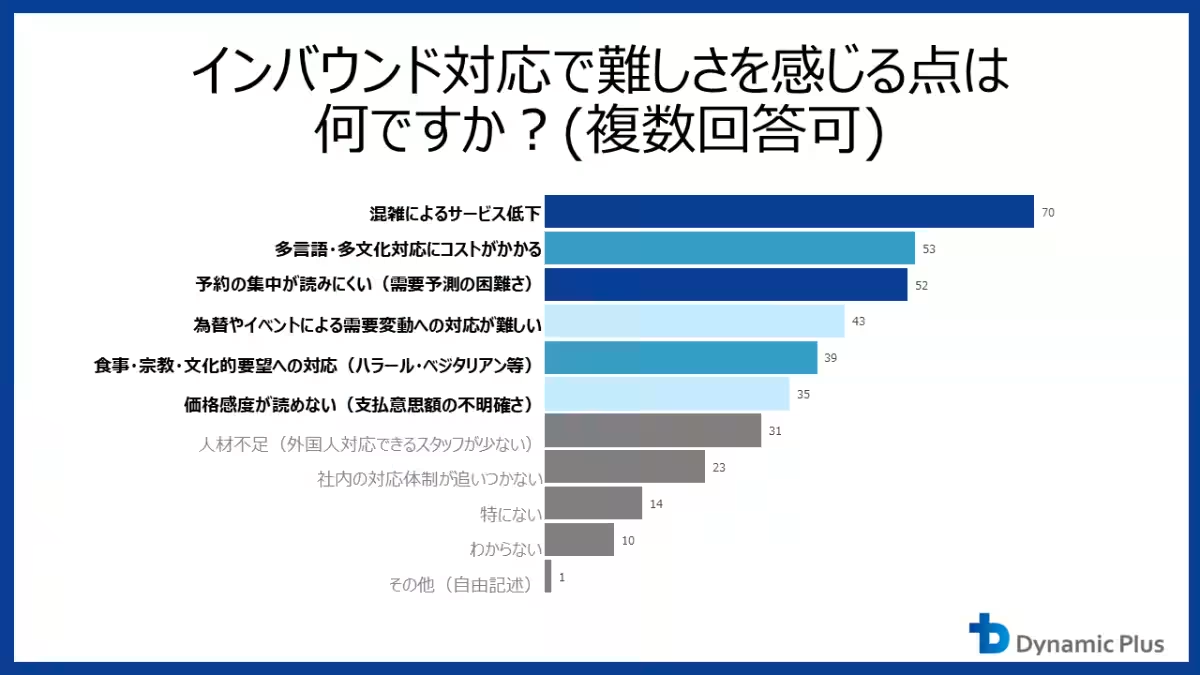
The research aimed to clarify the actual challenges and realities of pricing strategies influenced by changes in inbound demand. It identified three primary areas of difficulty: demand forecasting, price determination, and cultural responsiveness. Key results from the study show that many operators are currently grappling with pricing challenges associated with the following:
1. Demand Forecasting: Issues like service degradation due to congestion and unpredictability around concentrated reservations were prominent.
2. Pricing Strategies: Challenges included adjusting to demand fluctuations influenced by foreign exchange and cultural variances, along with difficulties in gauging price sensitivity.
3. Cultural Adaptation: High costs associated with multi-language and multi-cultural support, and the need to meet various cultural demands related to meals, religion, and customs.
The analysis indicated a growing requirement for operators to enhance their capabilities to address the diverse cultural needs of inbound tourists and effectively incorporate data-driven predictive mechanisms.
Current Pricing Awareness
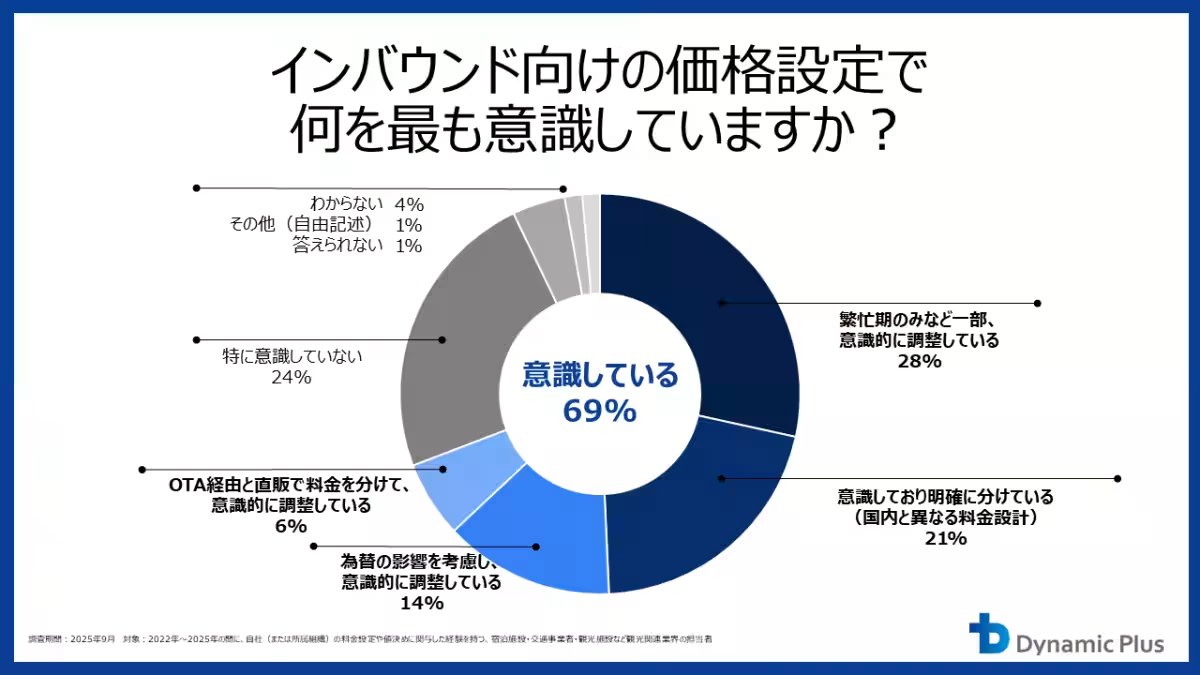
Interestingly, around 69% of the surveyed entities reported they consciously approach pricing strategies for inbound tourism. Specifically, 28% stated they only adjust rates during peak seasons, while 21% employ different pricing structures compared to domestic markets, and 14% consider exchange rate impacts in their pricing decisions. Nevertheless, a significant portion, 24%, still does not consciously factor inbound considerations into their pricing strategies, revealing that many organizations struggle with the formalization of their strategies.
As the industry adapts to foreign exchange considerations and fluctuating holiday demand, there is an evident trend towards optimizing pricing strategies in alignment with different sale channels and market conditions.
Future Directions for Pricing Strategy
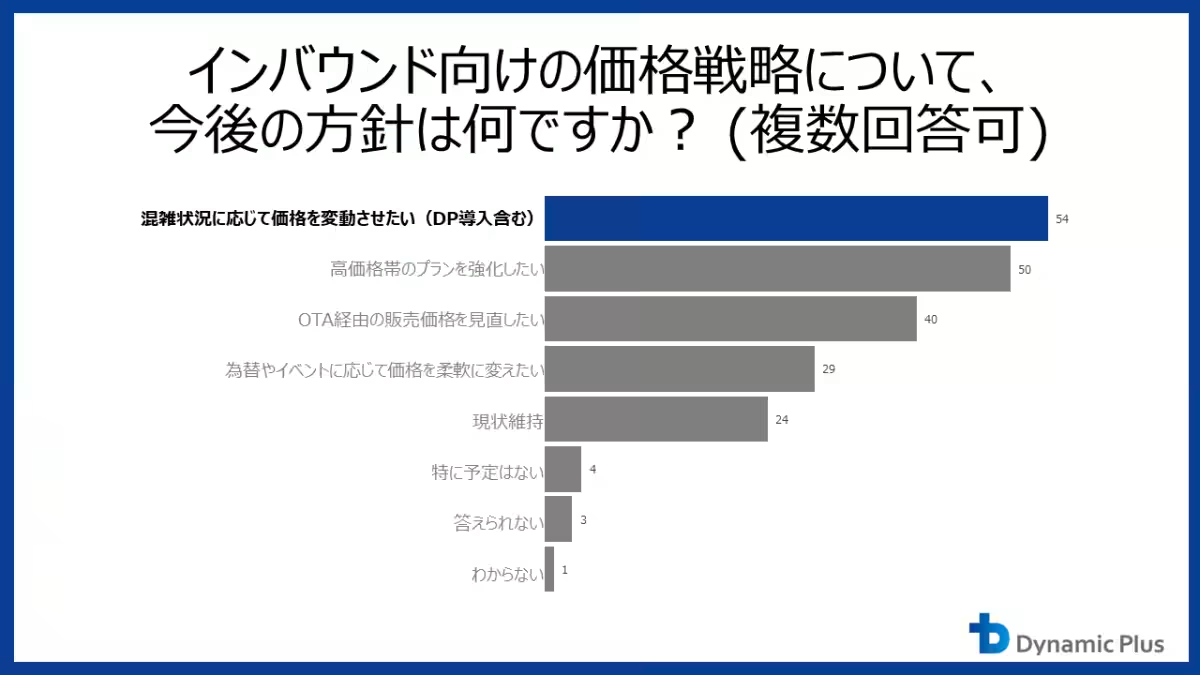
Moving forward, the favored pricing strategy appears to be one that incorporates flexible pricing adjustments in response to congestion and demand fluctuations. Many companies expressed a desire to strengthen higher-tier pricing plans and reassess prices via OTAs (online travel agencies). This shift signifies a transition from merely raising prices to optimizing them based on real-time data. Consequently, there is an increasing interest in embracing dynamic pricing models facilitated by AI, enabling businesses to implement adaptable pricing methods that reflect current market demand.
However, there remains a portion of operators who lean towards maintaining current pricing strategies, indicating a varied readiness for digital transformation in pricing methods.
Conclusion
The findings from this survey depict a tourism and hospitality industry under pressure to rapidly evolve its response to increasing inbound tourism demand. While many operators divulged the complications surrounding demand forecasting and price decision-making, there is a burgeoning trend toward a more conscious, scientifically based pricing approach that leverages AI and data insights.
As the industry embarks on this transformation, Dynamic Plus aims to facilitate advancements in revenue management through its D+ system, supporting industry-wide efforts to move from subjective price decisions towards a more data-driven, dynamic pricing model that enhances profit margins while meeting the diverse needs of consumers.
For further details, analysis reports, or to register for upcoming seminars detailing the survey results and industry trends, please visit Dynamic Plus.

Topics Consumer Products & Retail)
【About Using Articles】
You can freely use the title and article content by linking to the page where the article is posted.
※ Images cannot be used.
【About Links】
Links are free to use.