



Regional Differences in Marriage Hunting: Women in Rural Areas vs Men in Urban Areas
Exploring Regional Differences in Marriage Trends in Japan
In a comprehensive analysis by the IBJ Marriage Future Research Institute, the dynamics of the marriage hunting market across Japan have been revealed through the study of data from 19,112 successful marriages. This research sheds light on various trends, highlighting notable differences in marriage success rates based on geographical locations, as well as age differences among couples.
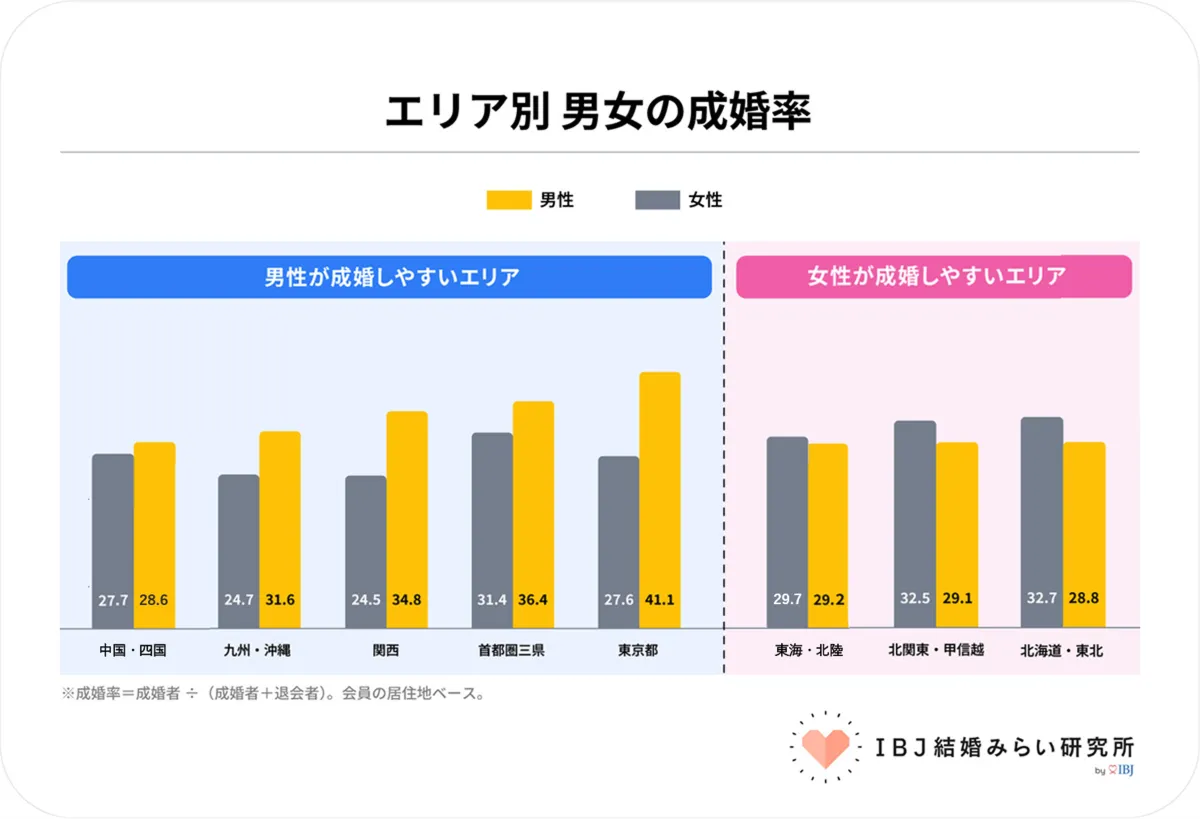
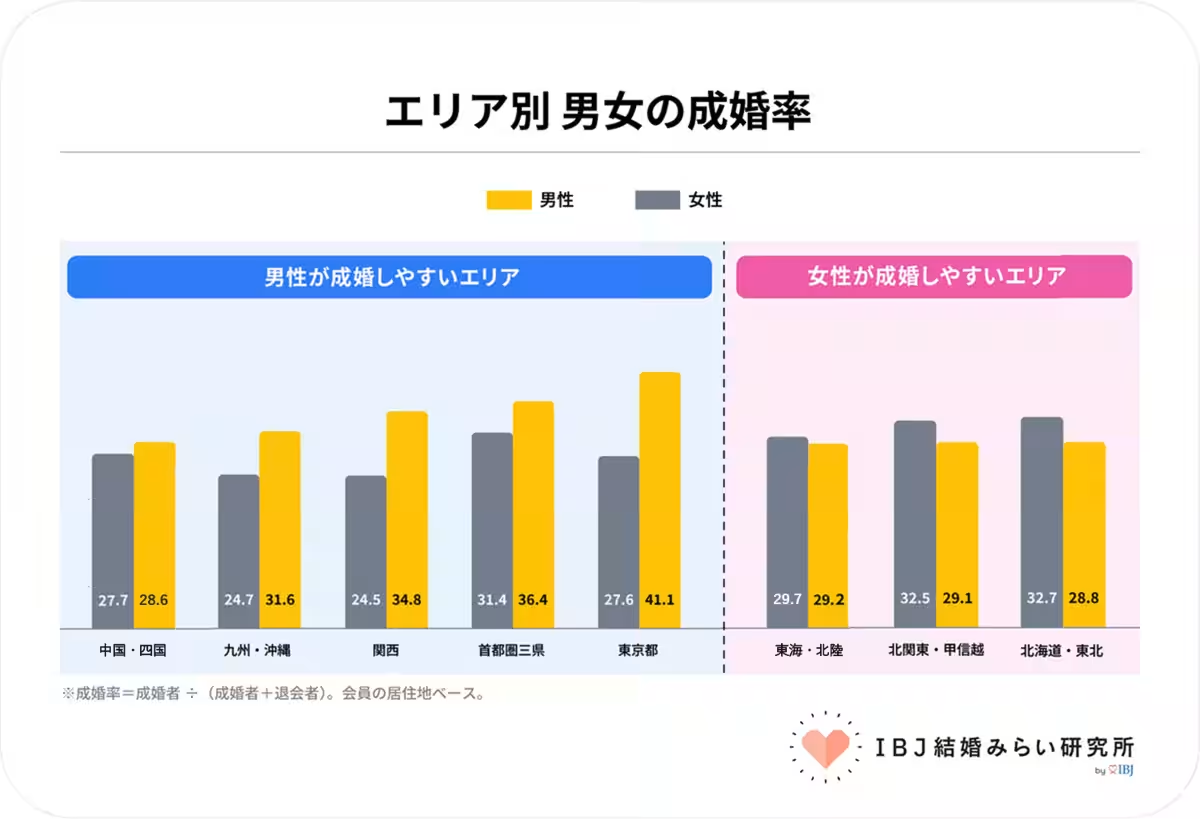
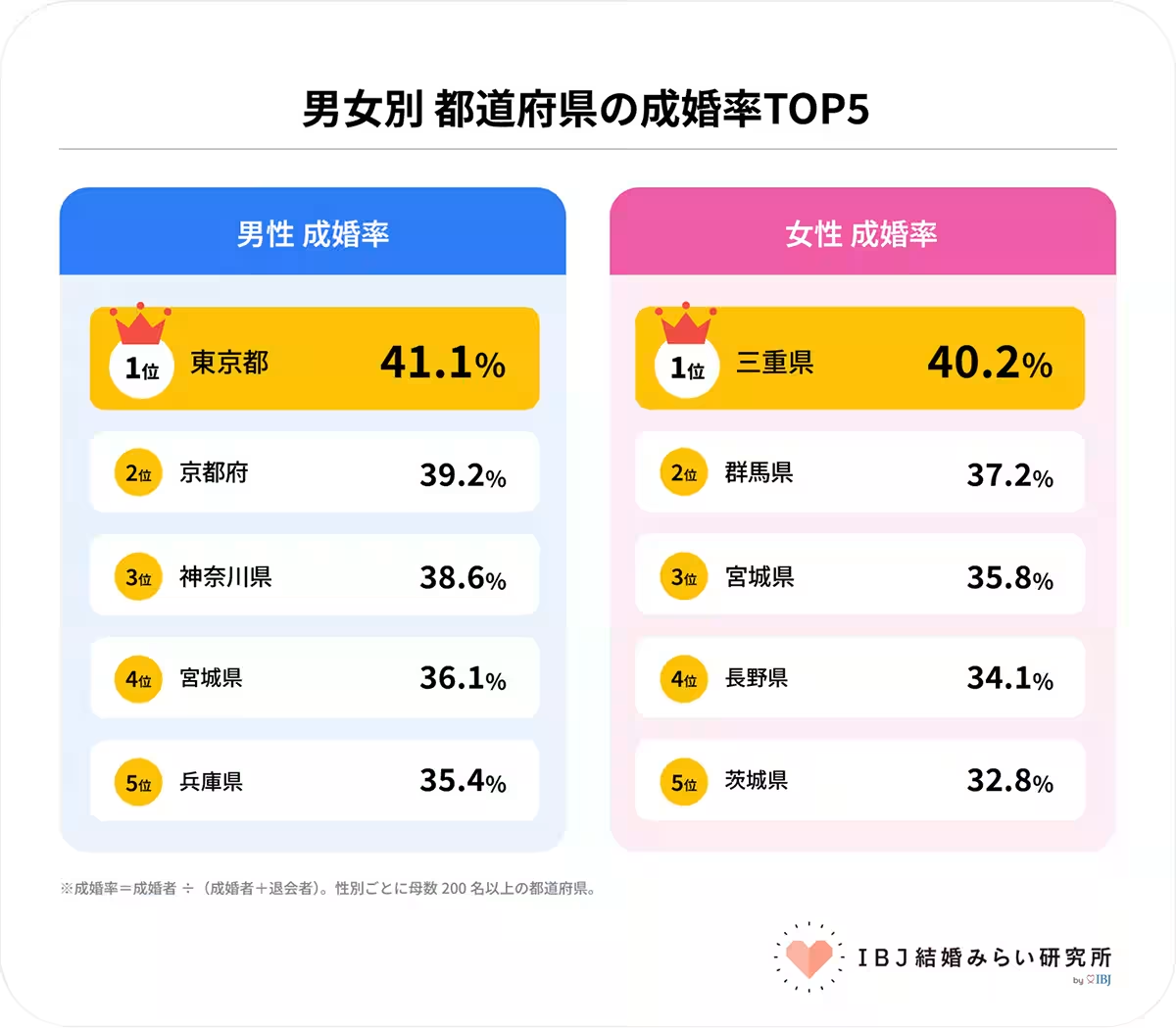
The research identifies distinct characteristics in marriage success based on gender and locale. In urban regions like Tokyo, men experience a higher marriage success rate of 41.1% compared to women's success rate of 27.6%. Conversely, rural areas in regions such as Hokkaido, Tohoku, and parts of Chubu demonstrate a more favorable scenario for women, where their success rates surpass those of men. This disparity can largely be attributed to population shifts, particularly the movement of younger women towards metropolitan areas for education and employment, resulting in a competitive landscape that favors women in rural areas and men in cities.
Demographic Influences on Marriage Rates
Recent findings suggest that the population structure significantly impacts marriage hunting outcomes. Urban regions provide greater opportunities for men, aligning with the higher percentages of success Chembak, while rural areas show a more nuanced picture, reflecting both socio-economic factors and lifestyle choices.
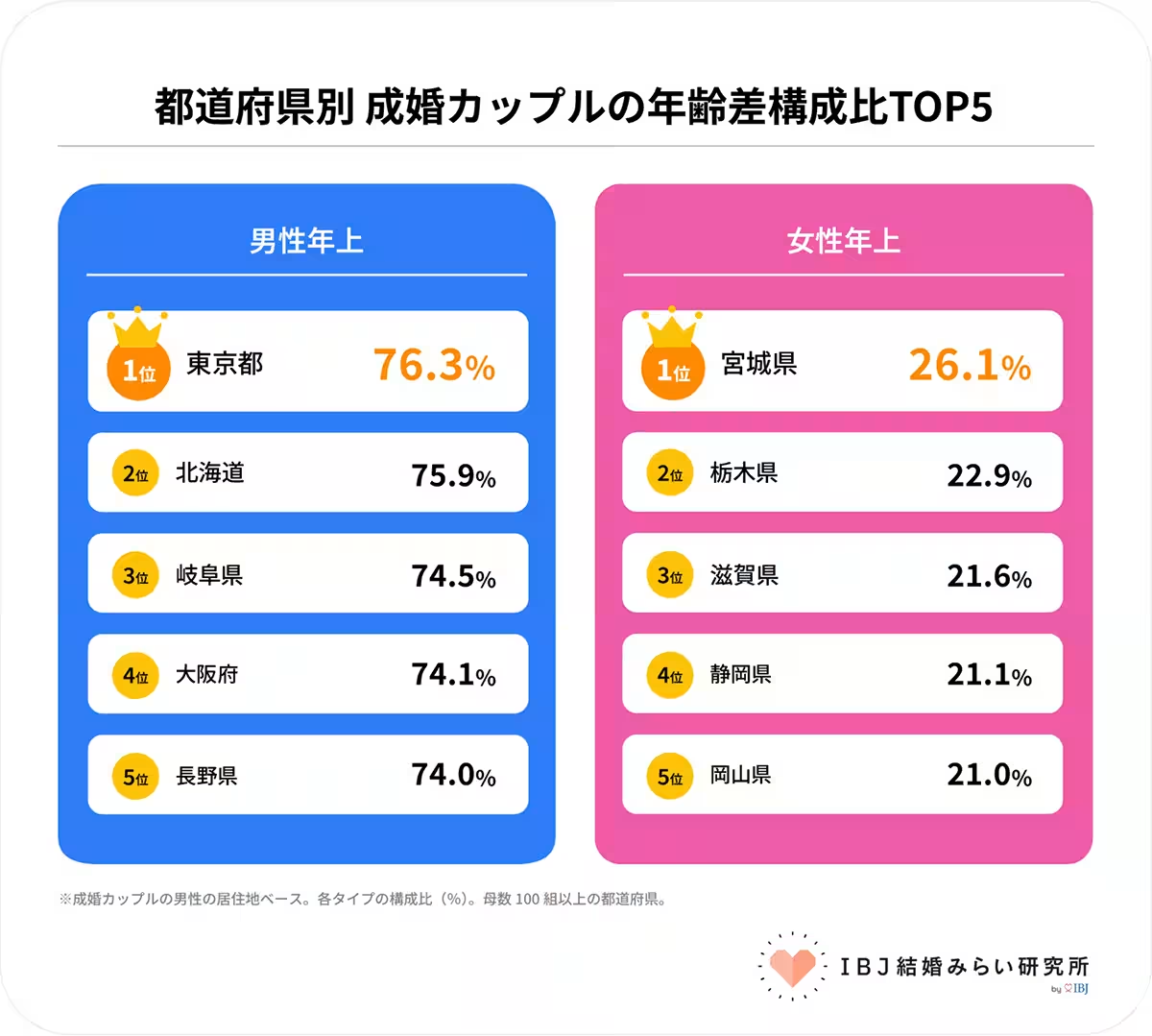
In addition, the age composition of successful couples varies by region. In metropolitan areas, the trend of older men marrying younger women persists, with Tokyo at 76.3% and Osaka at 74.1%. However, regions like Miyagi, Tochigi, and Shiga report a higher ratio of couples where the woman is older, reflecting diverse values and lifestyles shaped by local cultures. Notably, Miyagi stands out with 26.1% of couples having an older female partner, attributed to urban migration which fosters a more flexible view of age in relationships.
Shifts in Marital Expectations
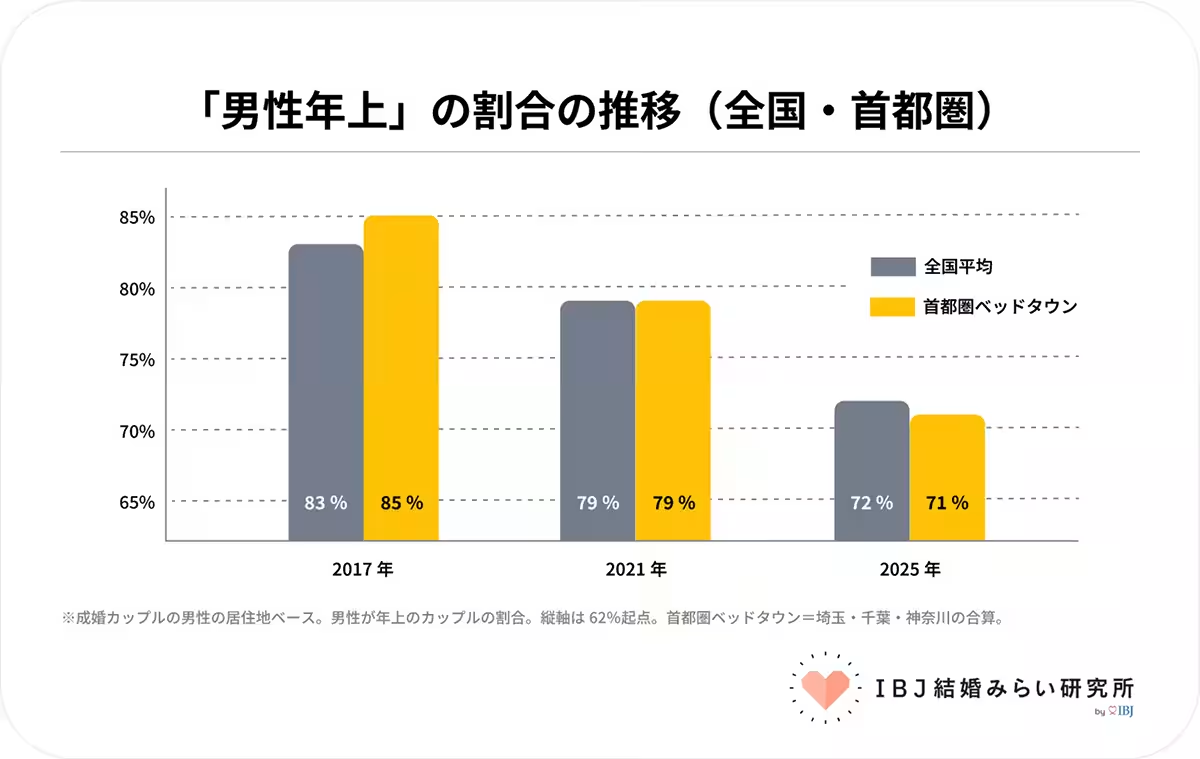
Despite the traditional view of older men marrying younger women remaining prevalent nationally, a marked change is evident in urban areas where the percentage has decreased from 83% in 2017 to 72% projected for 2025. This shift indicates evolving relationship criteria, moving from a simplistic focus on age to more comprehensive considerations of compatibility and shared values.
For men, the highest marriage success rates are seen in Tokyo (41.1%), followed by Kyoto (39.2%) and Kanagawa (38.6%). Oppositely, women see the most favorable conditions in Mie (40.2%), Gunma (37.2%), and Miyagi (35.8%). These contrasting results elucidate the fact that successful marriages are not solely a function of the urban-rural divide but also reflect local demographic dynamics and social structures.
Conclusion: The Future of Marriage Support
The analysis reveals significant regional variances in marriage hunting success, emphasizing the need for tailored approaches in marriage support initiatives. As Japan faces demographic challenges, including declining birth rates and increasing singlehood, understanding the unique features of local marriage markets will be crucial in devising effective policies and programs.
The IBJ Marriage Future Research Institute aims to continue its analysis of marriage data and contribute to a deeper understanding of the changing landscape of marriage in Japan. By examining these trends, the institute seeks to foster meaningful connections and support sustainable marital practices across diverse regions.
For more information on these findings and to explore additional analyses, visit the IBJ Marriage Future Research Institute and stay updated through our LINE community.

Topics People & Culture)
【About Using Articles】
You can freely use the title and article content by linking to the page where the article is posted.
※ Images cannot be used.
【About Links】
Links are free to use.