



How Rising Prices and Heat Impact Summer Activities for Children
The Impact of Inflation and Heat on Children's Summer Plans
The much-anticipated summer break poses significant challenges for parents, particularly as inflation and extreme heat reshape the landscape of leisure activities and educational experiences for children. This year, a survey conducted by Meiko Gijuku, a nationwide tutoring center, involved 1,000 parents of children from elementary to high school. They aimed to examine how these two factors have influenced summer vacation planning.
Changing Dynamics of Summer Activities
Every year, summer is a joyous occasion for children, filled with exciting activities and experiences. However, for parents, particularly in dual-income households, the pressure to maintain educational routines while ensuring a safe environment for children can become overwhelming. Today, various issues like rising costs and climate change have transformed how families plan summer activities.
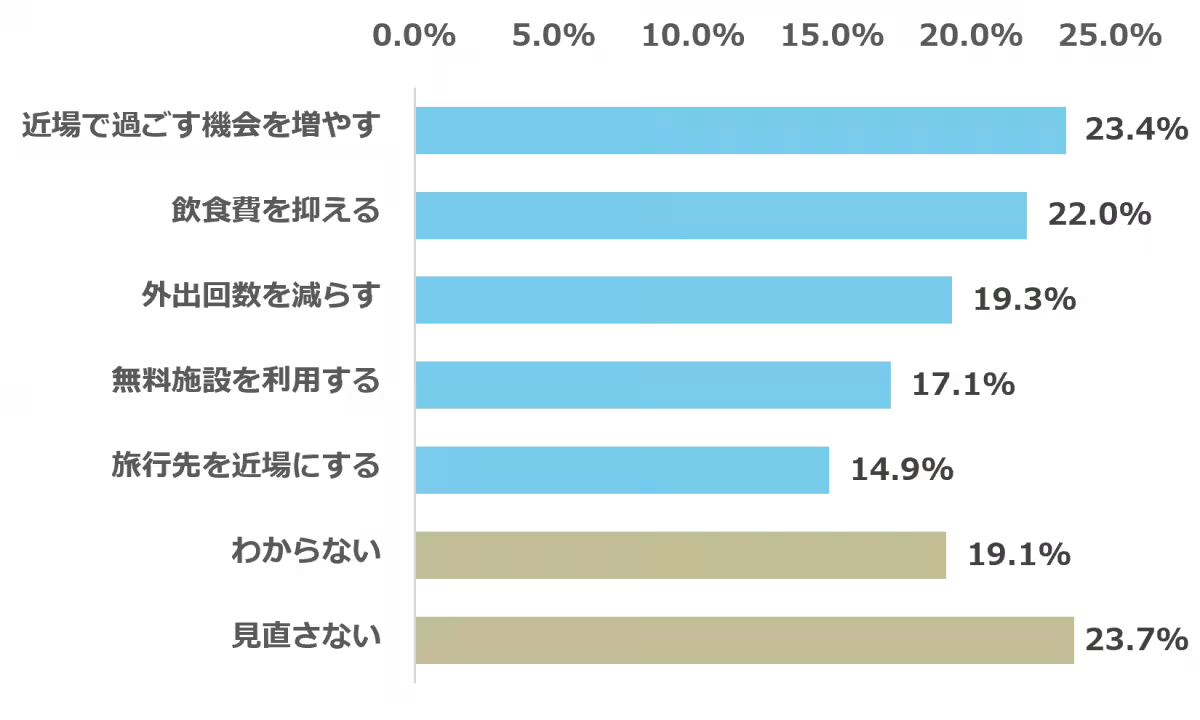
According to the survey results, around 60% of parents are reassessing their summer activities for kids due to financial pressures induced by elevated prices. Specifically, 23.4% indicated they would increase opportunities for local activities, while 22% plan to cut down on food expenses. Notably, only 23.7% stated they would not evaluate their plans. This reflects a growing trend where families are prioritizing cost-effective solutions to educational and recreational needs.
Such changes indicate that families are trying to strike a balance between financial limitations and the diverse needs of their children's growth and learning. The need for creative solutions is more apparent this season than ever, showing that parents are keen to provide enriching experiences within tighter budgets.
Financial Constraints and Increased Expenses
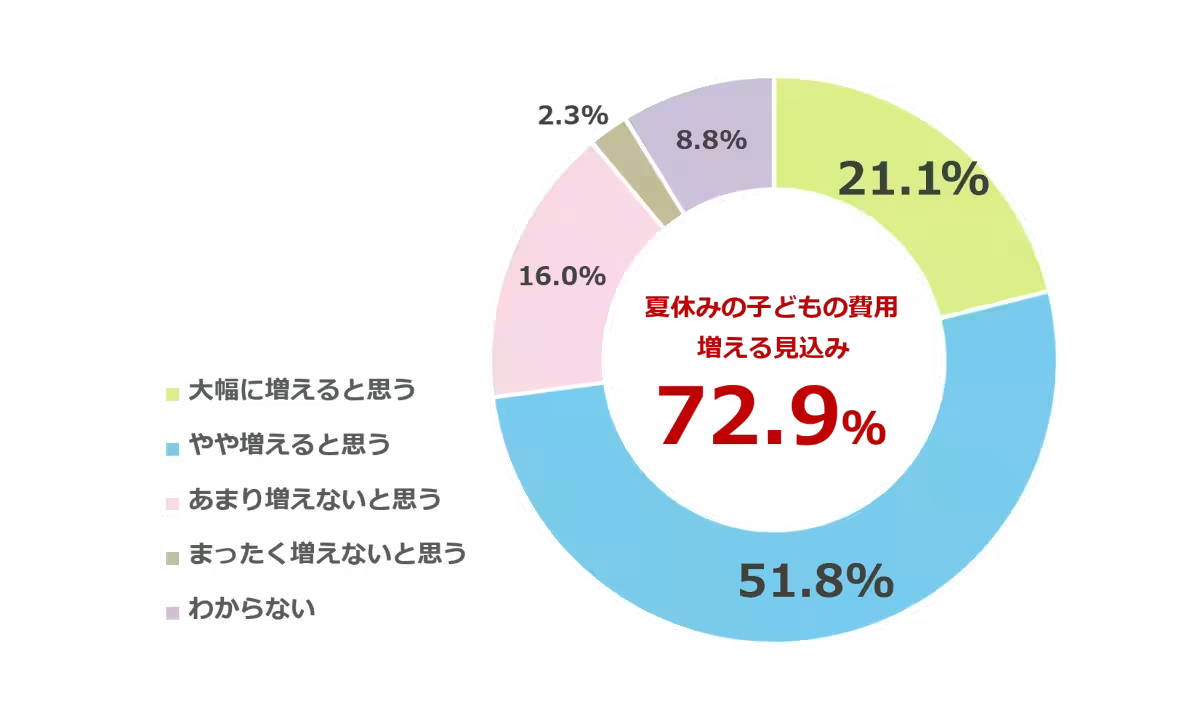
Adding to these economic strains is the relentless heat, which has resulted in increased costs for cooling, beverages, and heat-related materials. Nearly 73% of respondents predicted an increase in children-related expenses this summer due to the scorching temperatures. Families have reported significant impacts on their budgets primarily due to added costs of running air conditioning and purchasing cooling products.
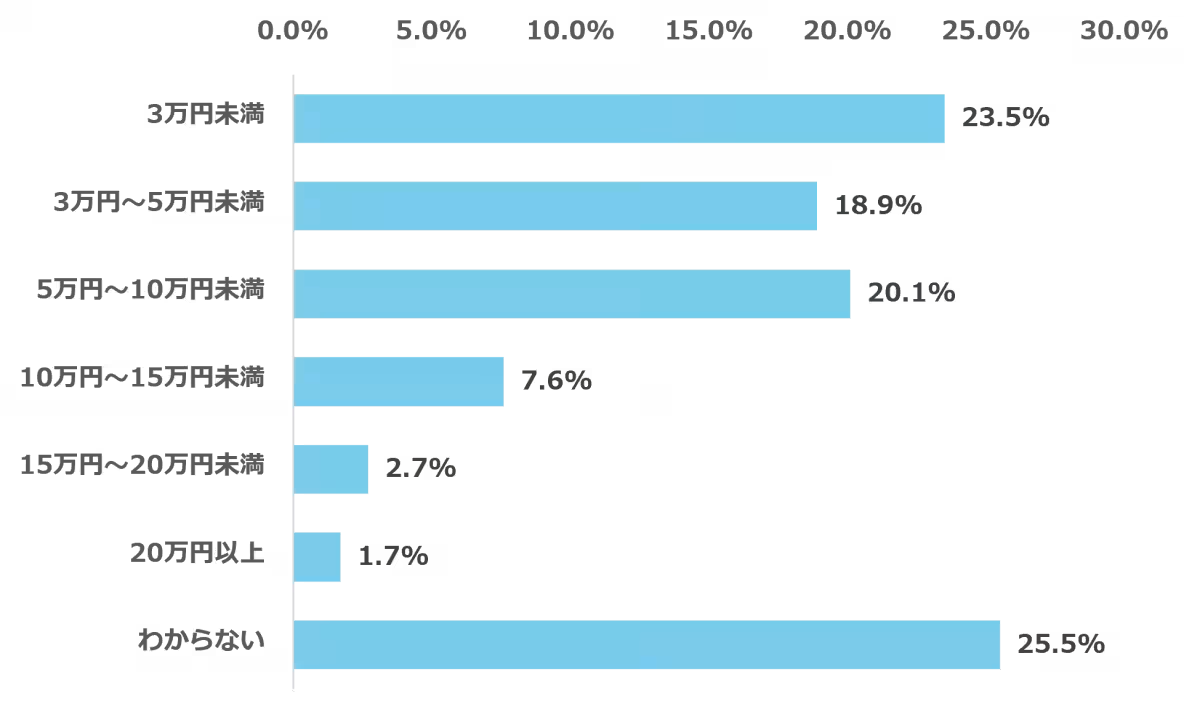
The survey revealed that over half of the families expect to spend more than 30,000 yen per child on summer activities. In contrast, the breakdown shows various ranges, indicating that for many, typical summer costs can accumulate significantly. These financial assessments underscore the reality that seemingly minor expenses—like meals or entertainment—can add up to a considerable burden on family budgets during the summer months.
Impact on Parental Work-Life Balance
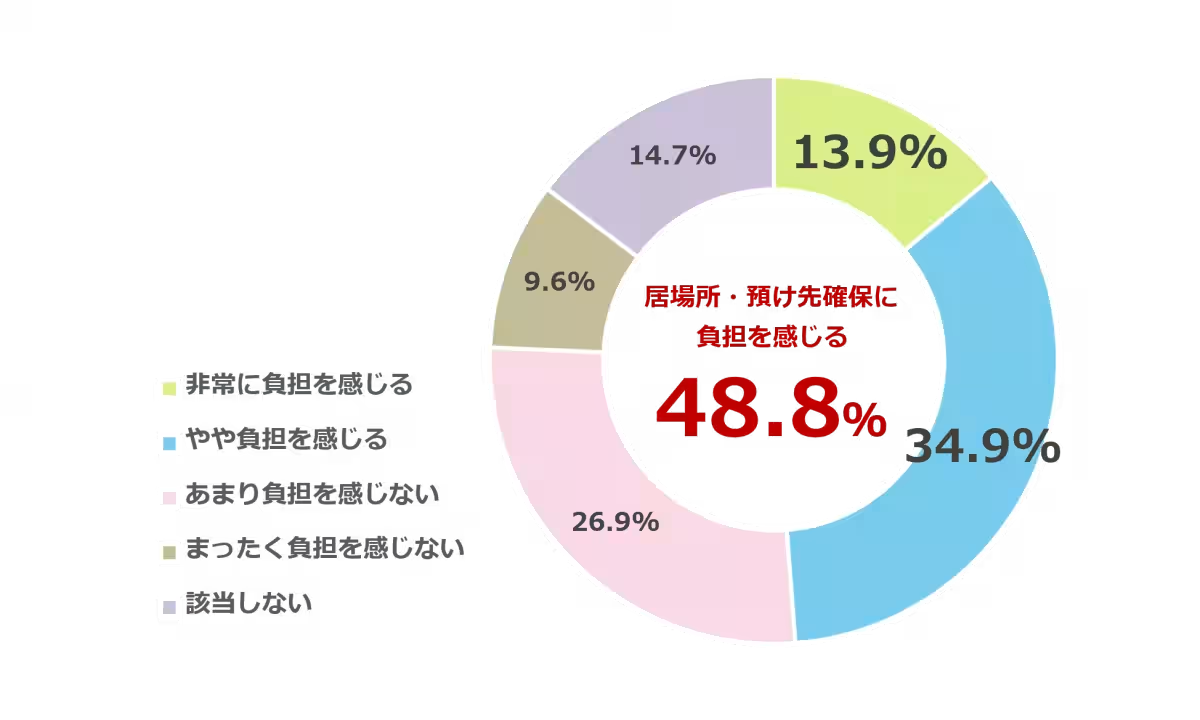
Another pressing issue that the survey highlighted is the burden placed on parents regarding their children's summer placements. Nearly half (48.8%) feel significant pressure to find suitable activities or childcare during their absence. This indicates a broader trend where parents feel compelled to juggle work obligations with the need to secure safe environments for lifelong learners.
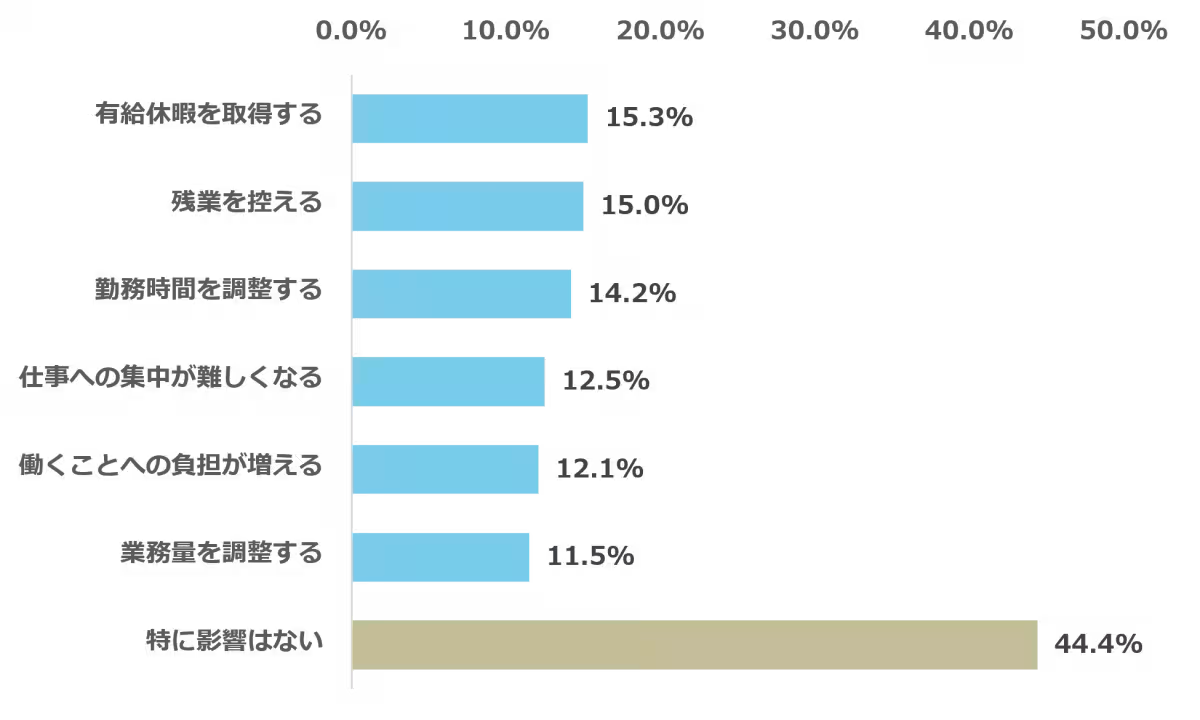
During the summer, many parents report taking time off or adjusting their work hours to accommodate their children’s schedules. Over 50% mentioned that their working arrangements are affected, highlighting the tense balancing act many face between their professional commitments and family responsibilities.
Evolving Educational Features During Summer
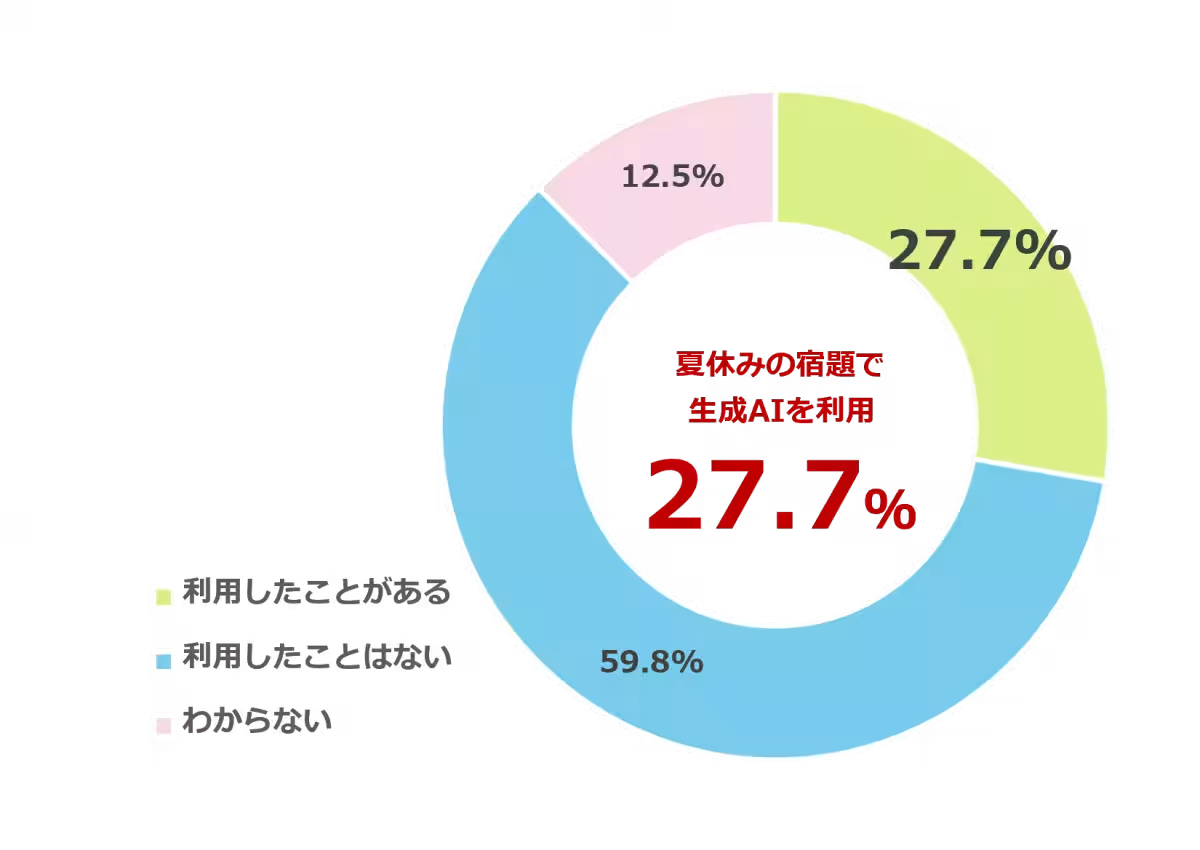
Interestingly, modern technology is also permeating summer education. The survey found that 27.7% of children utilized generative AI tools, like ChatGPT, for homework and projects, demonstrating how digital resources are becoming integrated into learning methodologies. While a significant portion of children isn't utilizing technology for their educational projects yet, the increase suggests that families are beginning to embrace new tools in enhancing their children's learning experiences even during the break.
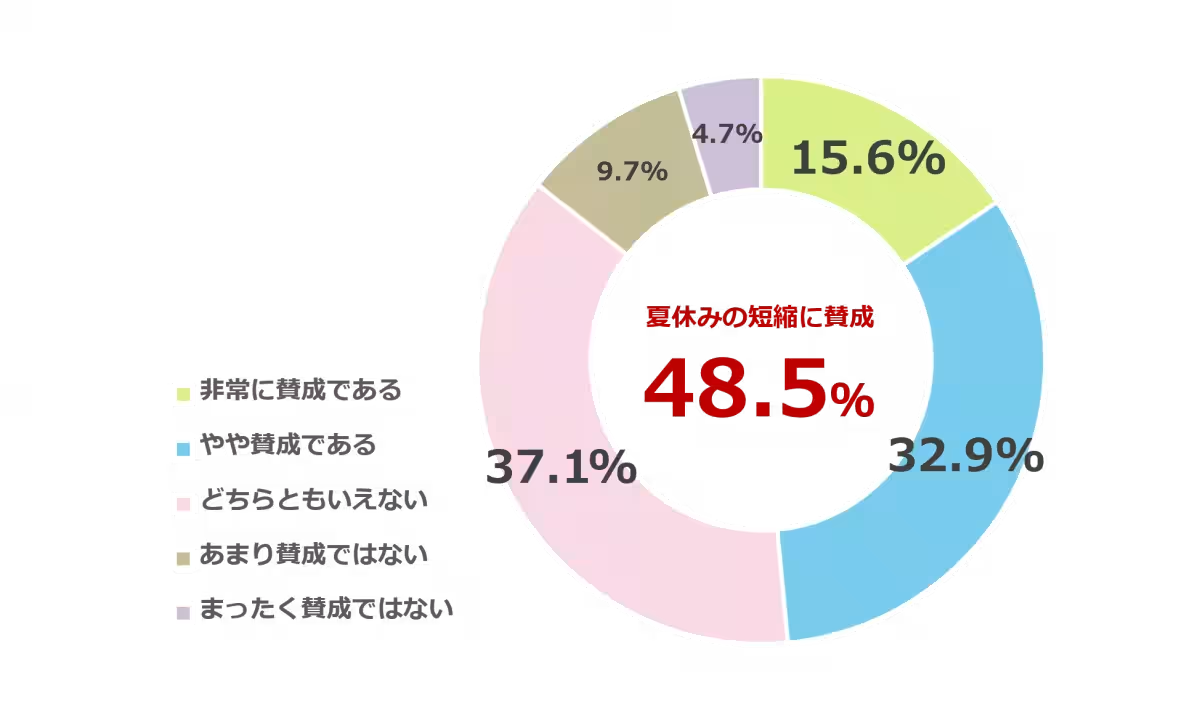
Moreover, discussions around shortening the summer break to optimize learning time are also on the table. Approximately 48.5% of parents support this change, while a significant number remain undecided, highlighting the complex interactions between educational needs and family life.
Conclusion
As reflected in these survey findings, the interplay between rising living costs and the necessity for maintaining a child's learning and recreational balance demands significant adaptation from families. This summer, as households reconsider their approaches to leisure activities, the hope is that such adjustments pave the way for more sustainable planning in the years to come. Through every challenge, the commitment of parents to ensuring meaningful summers for their children shines through. By navigating these evolving landscapes of education and family planning, they are actively crafting memorable and enriching experiences despite the hurdles.
In conclusion, the summer vacation landscape is changing, and awareness of these challenges cannot be understated. The results derived from this survey will hopefully assist families in better structuring their summer plans, ultimately yielding a fulfilling and enjoyable time for their children.
Topics People & Culture)
【About Using Articles】
You can freely use the title and article content by linking to the page where the article is posted.
※ Images cannot be used.
【About Links】
Links are free to use.