



Consequences of Care Worker Job Satisfaction in Japan Exposed by Recent Survey
Understanding Job Satisfaction Among Care Workers in Japan
In a recent survey conducted by S.M.S. Co., a leading Japanese company specializing in employment services, significant insights emerged regarding the working conditions and satisfaction levels among care workers. The survey targeted 570 care workers across Japan, aiming to assess the motivations behind their career choices and the current state of job satisfaction within the caregiving industry.
Key Insights from the Survey
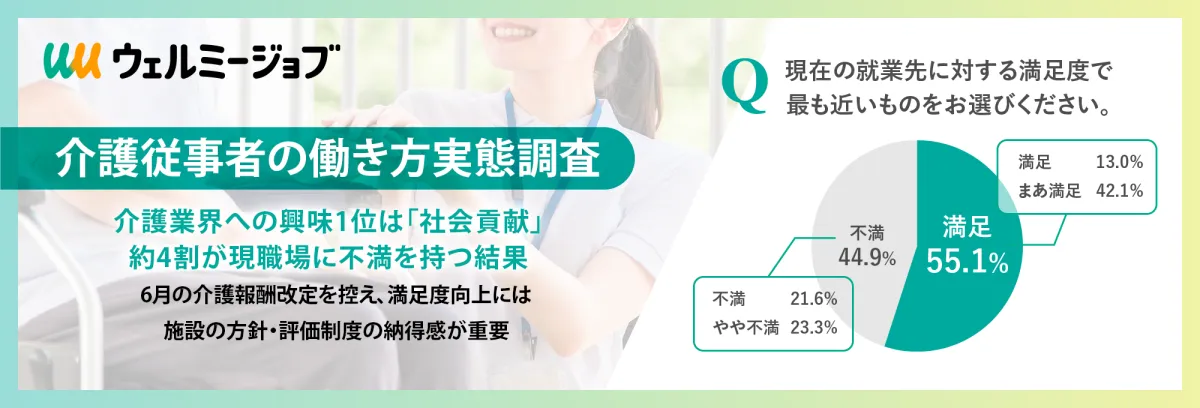
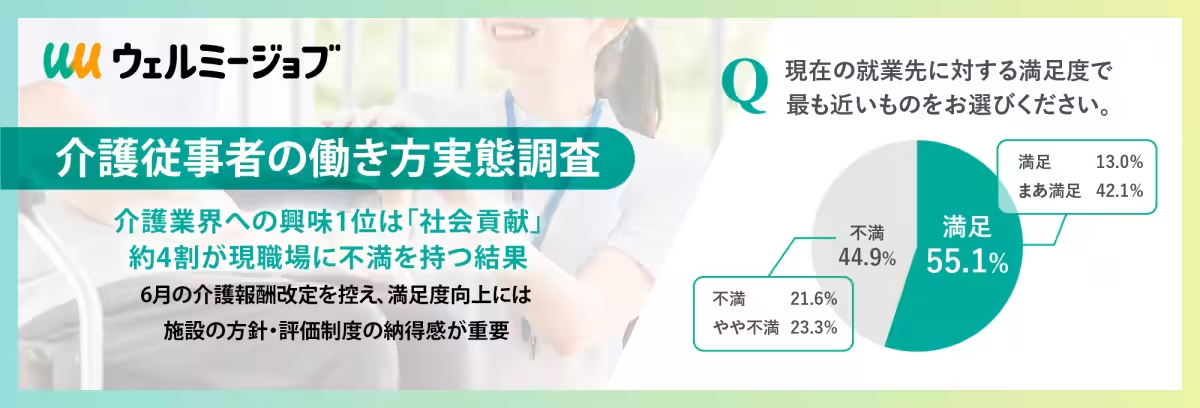
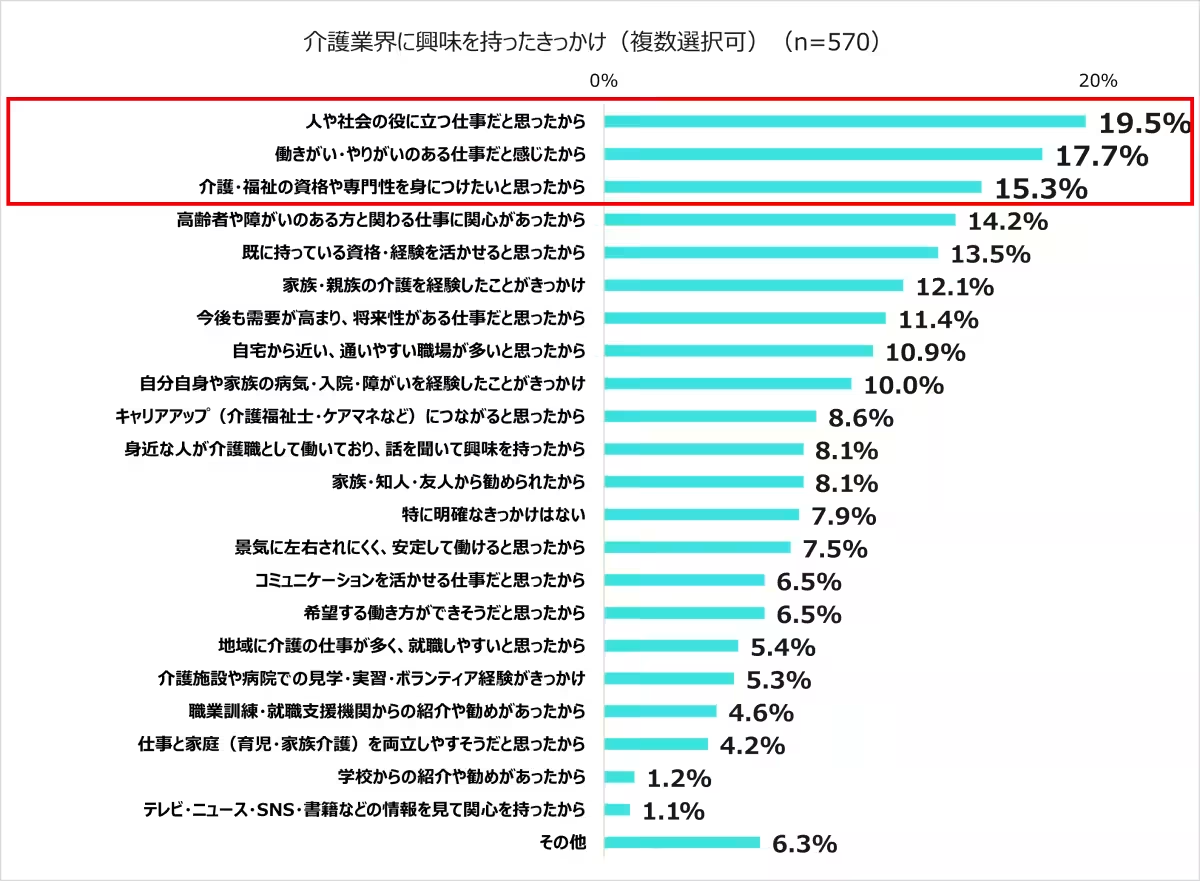
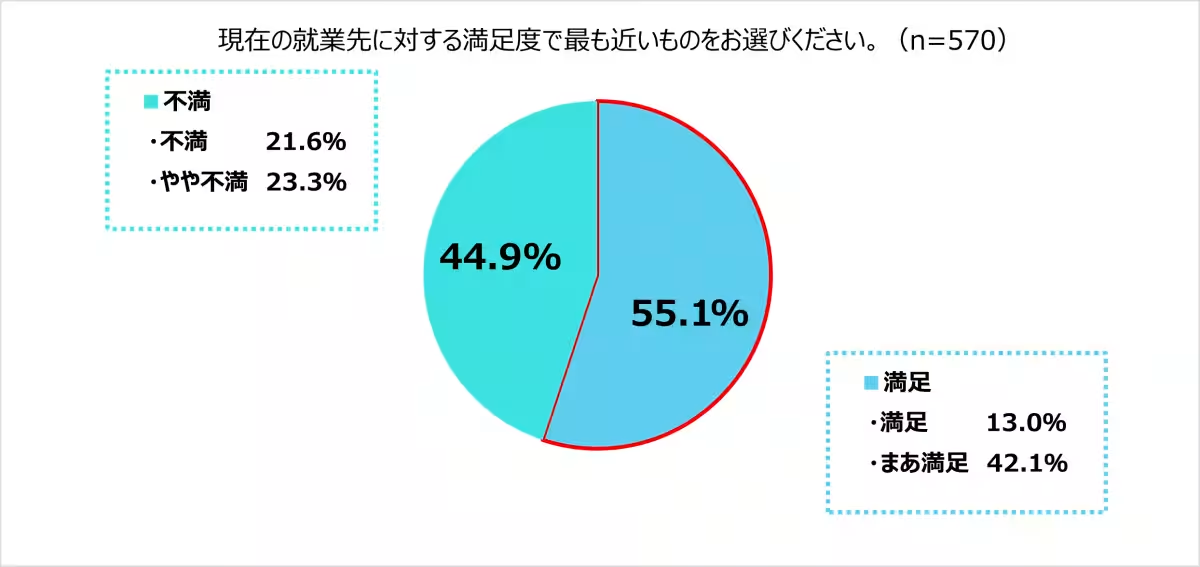
According to the survey, the primary motivation for entering the caregiving sector, cited by 19.5%, was the belief in making a meaningful contribution to society. This reflects a strong desire among workers to engage in a profession that serves a greater purpose. However, the paradox lies in the fact that 44.9% of the respondents expressed dissatisfaction with their current positions. This highlights a disconnect where the initial altruistic appeal of the job is overshadowed by workplace challenges that lead to dissatisfaction.
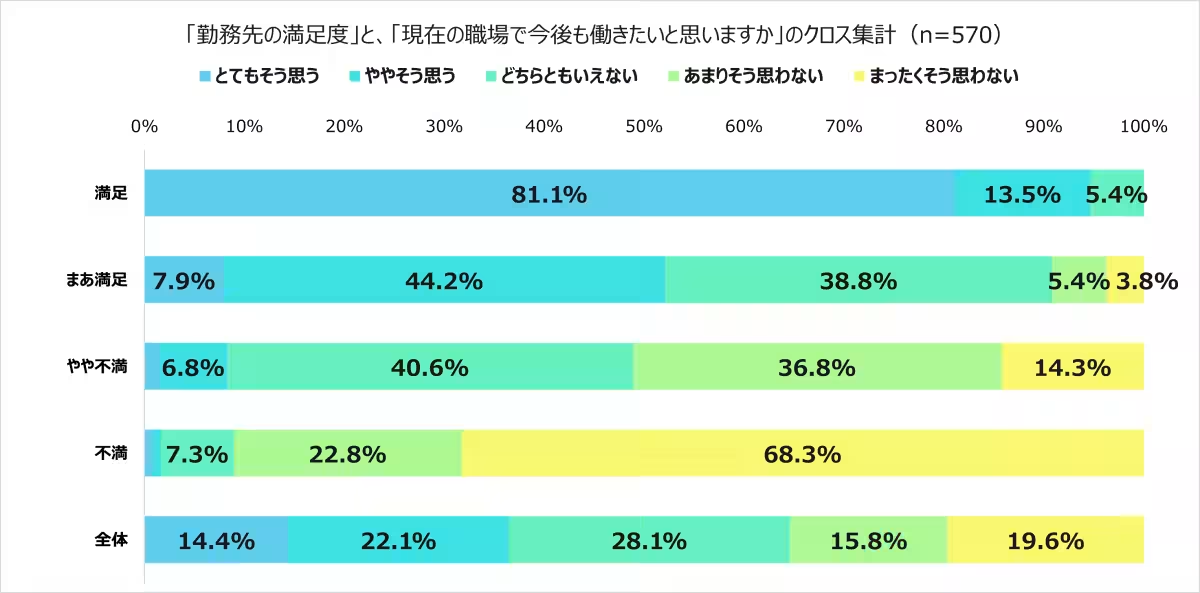
When examining the relationship between job satisfaction and intention to remain in their roles, the survey unveiled that over 90% of those satisfied with their jobs are motivated to stay. Conversely, nearly 90% of dissatisfied workers indicated a low desire to continue in their positions. This alarming trend illuminates a critical challenge within the industry: retaining skilled care workers in an environment where satisfaction is lacking.
The Satisfaction Factors
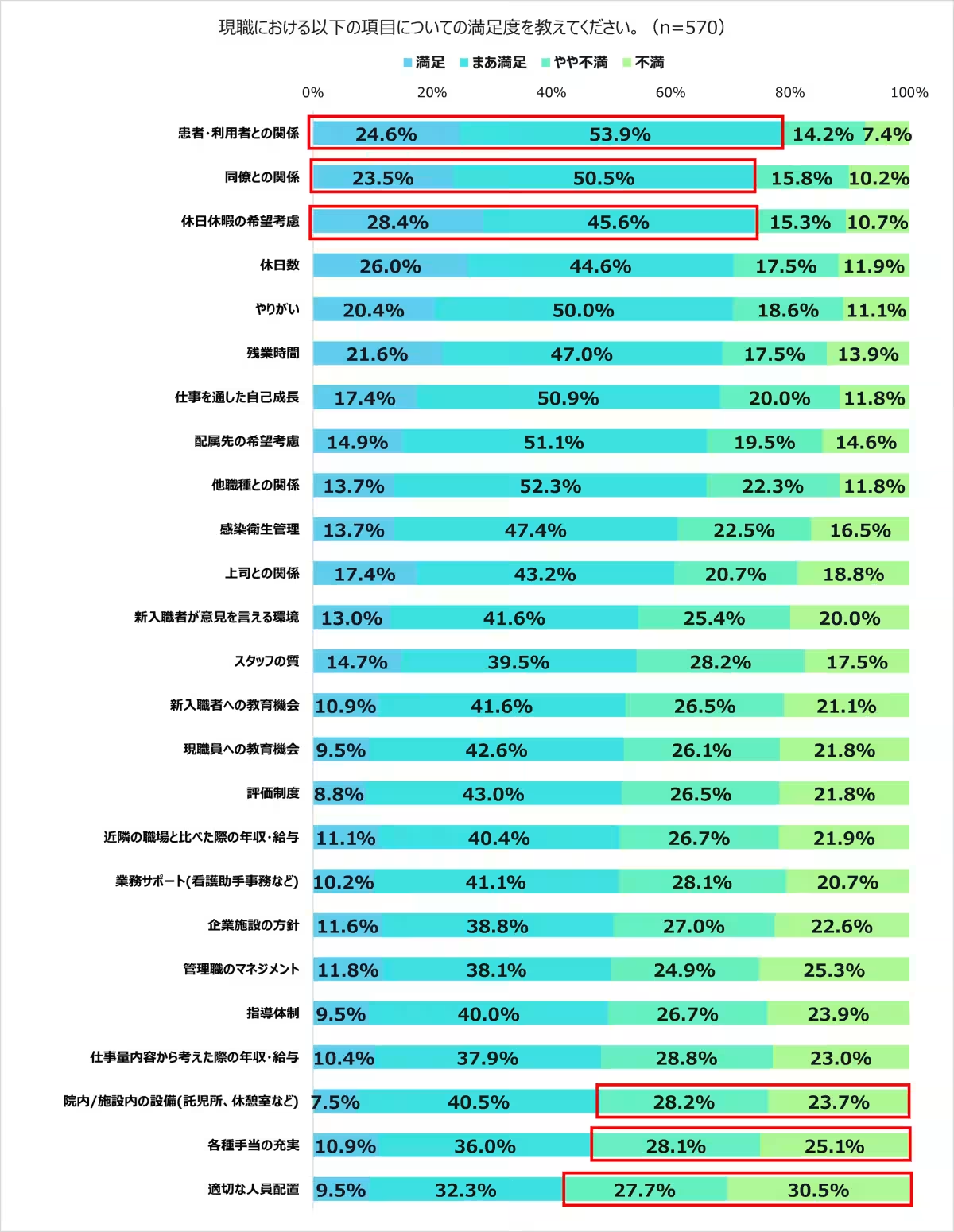
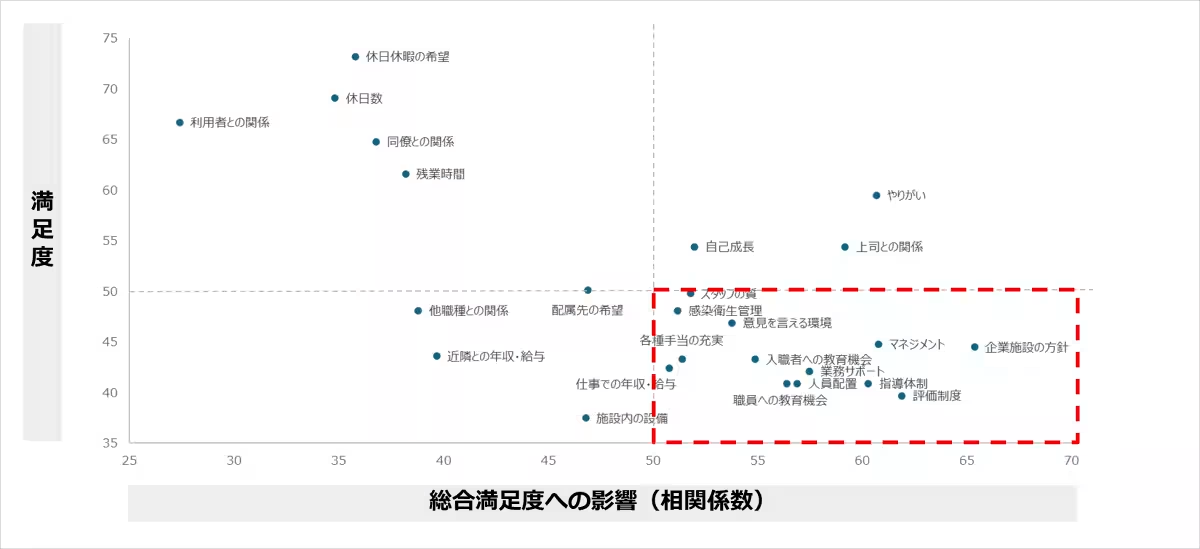
The aspects deemed most satisfying about their current roles included positive relationships with patients and colleagues, with satisfaction levels reported at 78.5% and 74.0%, respectively. Additionally, 74.0% noted that their requests for time off were generally considered. On the contrary, areas with low satisfaction ratings involved inadequate staff allocation, poor evaluation systems, and weak management strategies. The survey clearly indicates that improving these elements could significantly elevate overall job satisfaction.
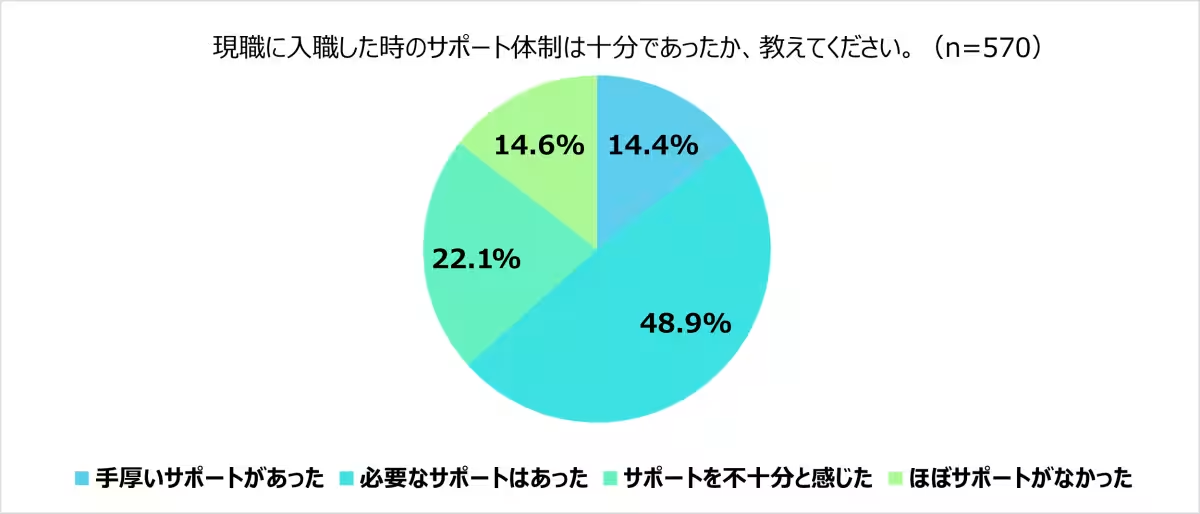
Another notable finding was regarding the support systems in place for new entrants. Approximately 48.9% reported that they received the necessary support upon joining, and when combined with the 14.4% who indicated they received ample support, about 60% expressed satisfaction with the onboarding process.
However, this also implies that nearly 40% of respondents felt the support they received was insufficient, indicating a clear need for improvement in the onboarding processes within caregiving organizations. Such support is crucial as it directly correlates with retention rates and has the potential to enhance job satisfaction in the long run.
Identifying the Needs for Improvement
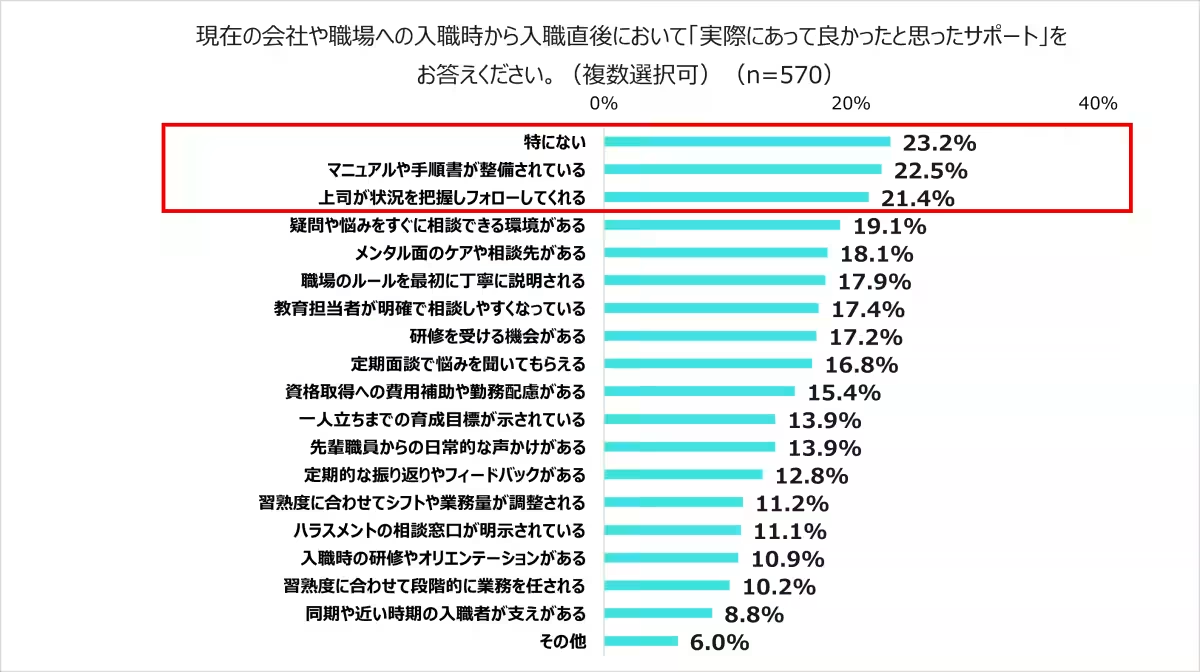
The survey also presented data on what new workers found most beneficial upon entering the field. The top two useful supports included having comprehensive manuals and procedures (22.5%) and direct supervision and follow-ups from managers (21.4%). This reflects a clear requirement for structured guidelines and supportive management in fostering a more positive work environment.
Conclusion
With the aging population in Japan, the demand for care workers is continually climbing. As such, addressing job satisfaction for care workers is vital not only to reduce turnover but also to ensure quality care for the aging community. S.M.S. Co. has articulated its commitment to facilitating improvements through ongoing research and support initiatives, including their specialized job matching service, Kaigo Job Agent. As indicated by the research, a concentrated focus on meaningful managerial practices and robust support systems can cultivate a more fulfilling work atmosphere for care workers, ultimately benefiting society at large.
In conclusion, while the desire to help others drives many to enter the caregiving field, persistent workplace issues must be tackled to maintain a satisfied and motivated workforce committed to this essential industry.
Topics People & Culture)

【About Using Articles】
You can freely use the title and article content by linking to the page where the article is posted.
※ Images cannot be used.
【About Links】
Links are free to use.