



The Rise of Mental Struggles Among Young Professionals Post-Holidays
The Rise of Mental Struggles Among Young Professionals Post-Holidays
As companies gradually return to an in-office work model following the pandemic, recent findings from a survey conducted by U-WA, a mental coaching firm based in Tokyo, shed light on a troubling trend among young professionals aged 20 to 30.
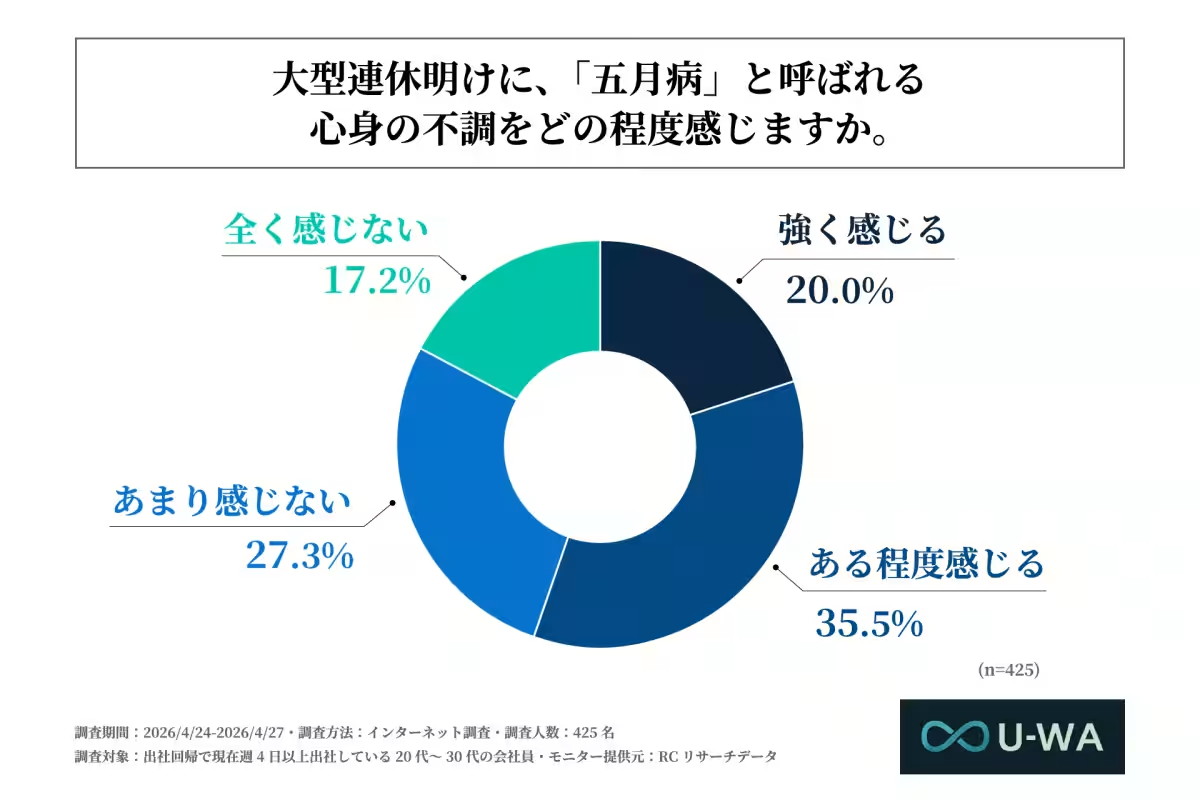
The survey, which targeted those working more than four days a week, reveals that over 55% of respondents experience what is commonly known as "May sickness," a term used to describe mental and physical ailments felt after long breaks. This phenomenon is particularly observed during the transition back to office work after extended holidays, when employees often face significant stress and anxiety.
Background of the Survey
The timing of this survey coincides with a period of heightened focus on mental well-being as employees return to the office after significant breaks. The added pressure of increased commuting and the shift in work dynamics can weigh heavily on young professionals, potentially impacting their job satisfaction and mental health. Companies need to be cognizant of the silent risks posed by employees who feel a vague desire to leave their jobs without a clear reason, often arising from the fatigue and dissatisfaction stemming from their work environments. Unfortunately, data on how the return to the office correlates with these mental health challenges among younger employees has been sparse. U-WA's survey aimed to fill this gap by investigating the realities of mental health for young professionals.
Key Findings
1. Mental Health Decline: Nearly 55% of respondents reported feeling some degree of May sickness after returning from long holidays. The most common responses included feeling uneasy or stressed, with 35.5% stating they feel it to some extent, while 20% reported strong feelings of discomfort.
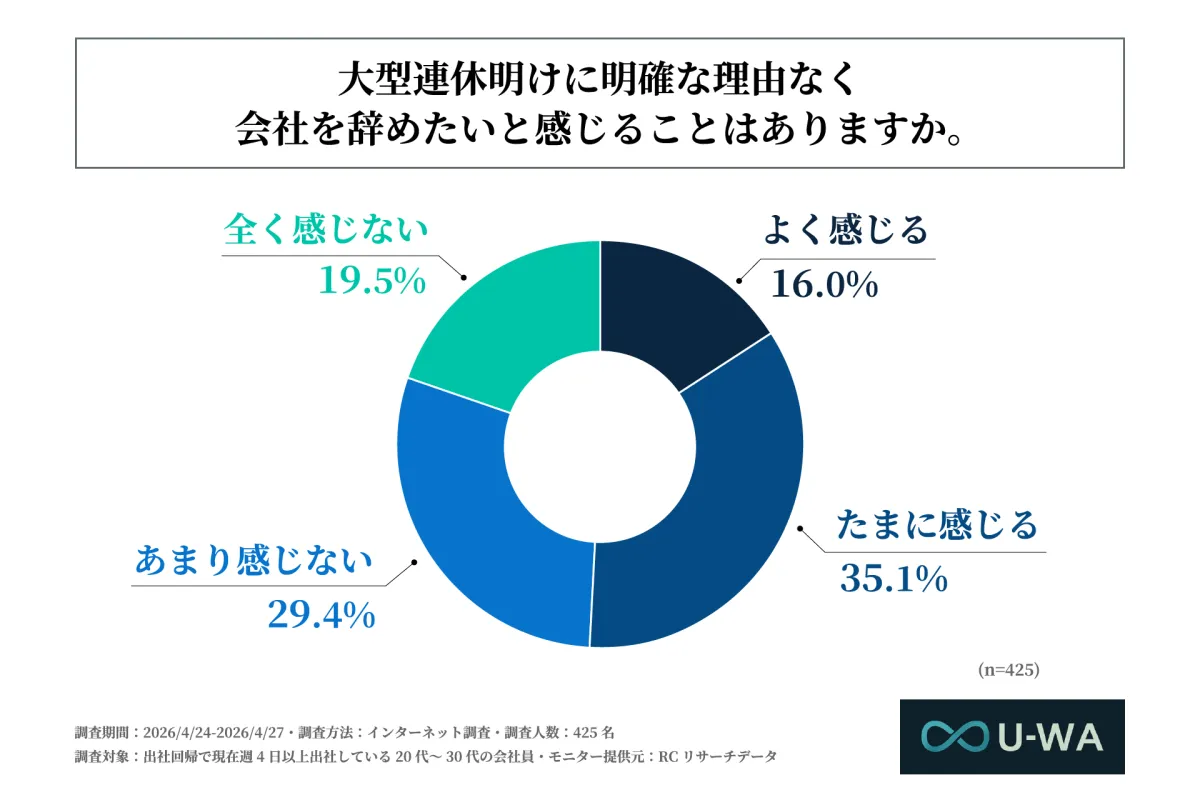
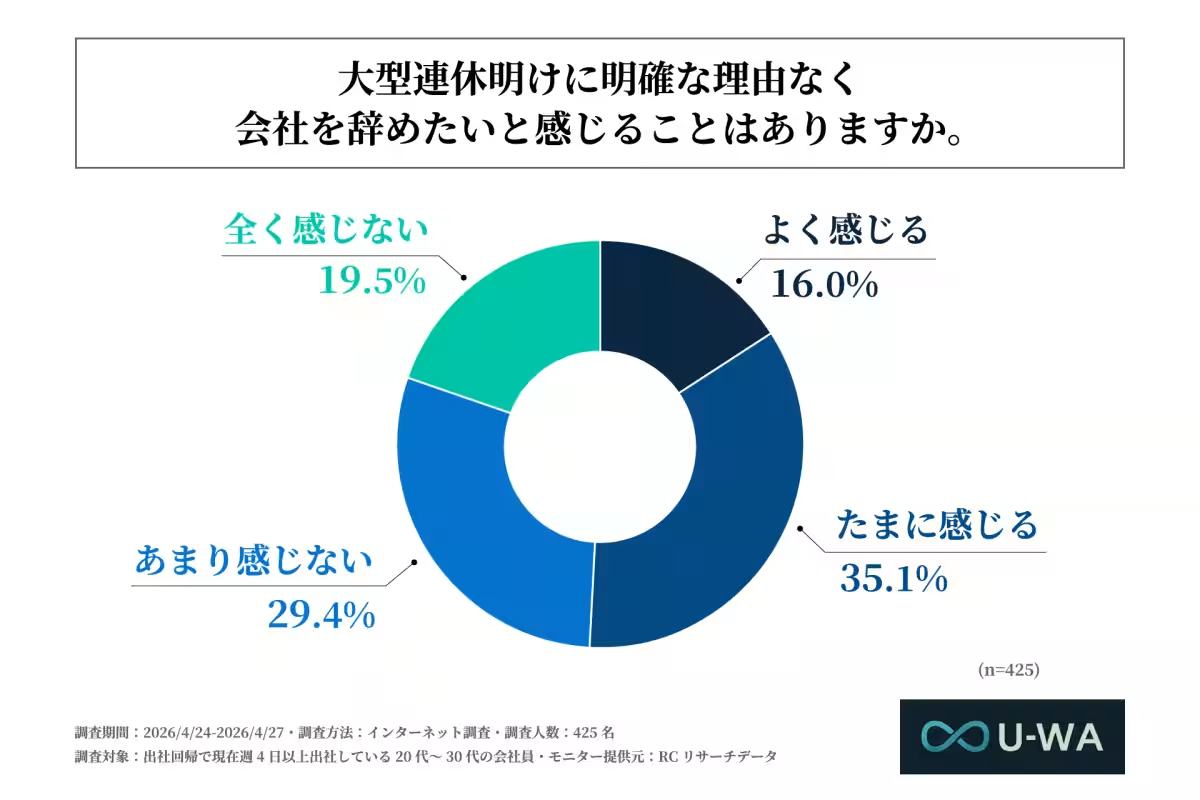
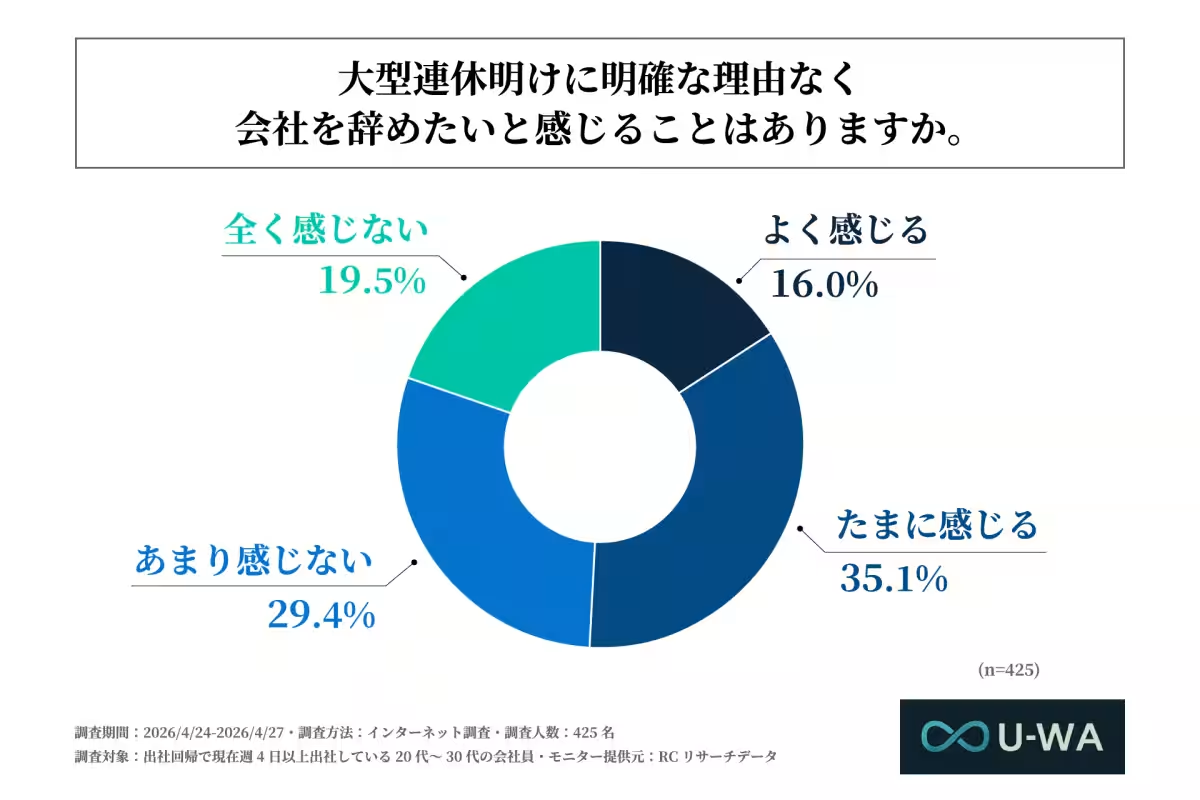
2. Desire to Leave: More than half of the young professionals stated they experience an inexplicable desire to resign, particularly after holidays. About 51.1% admitted to feeling this way occasionally or often, highlighting a significant concern for employers.
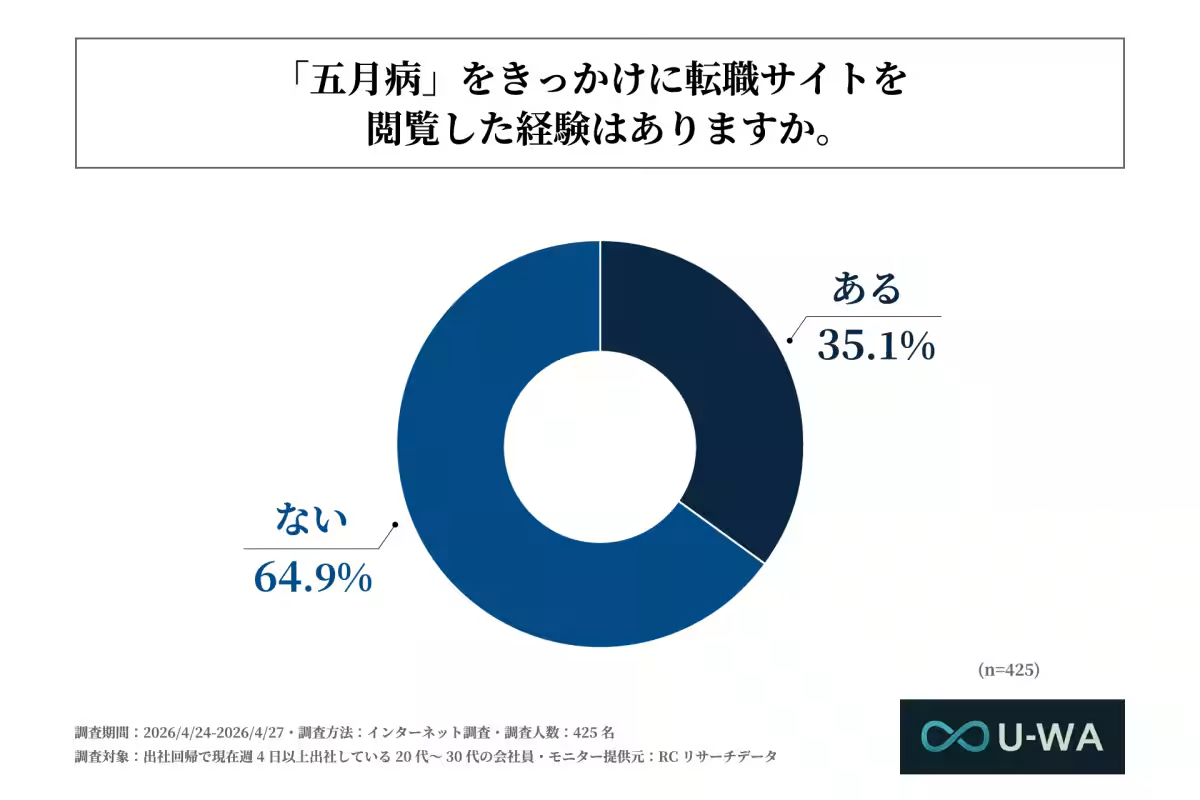
3. Job Search Behavior: One-third of the surveyed individuals reported checking job placement websites triggered by their May sickness symptoms, which underscores a larger trend of job seeking among dissatisfied employees.
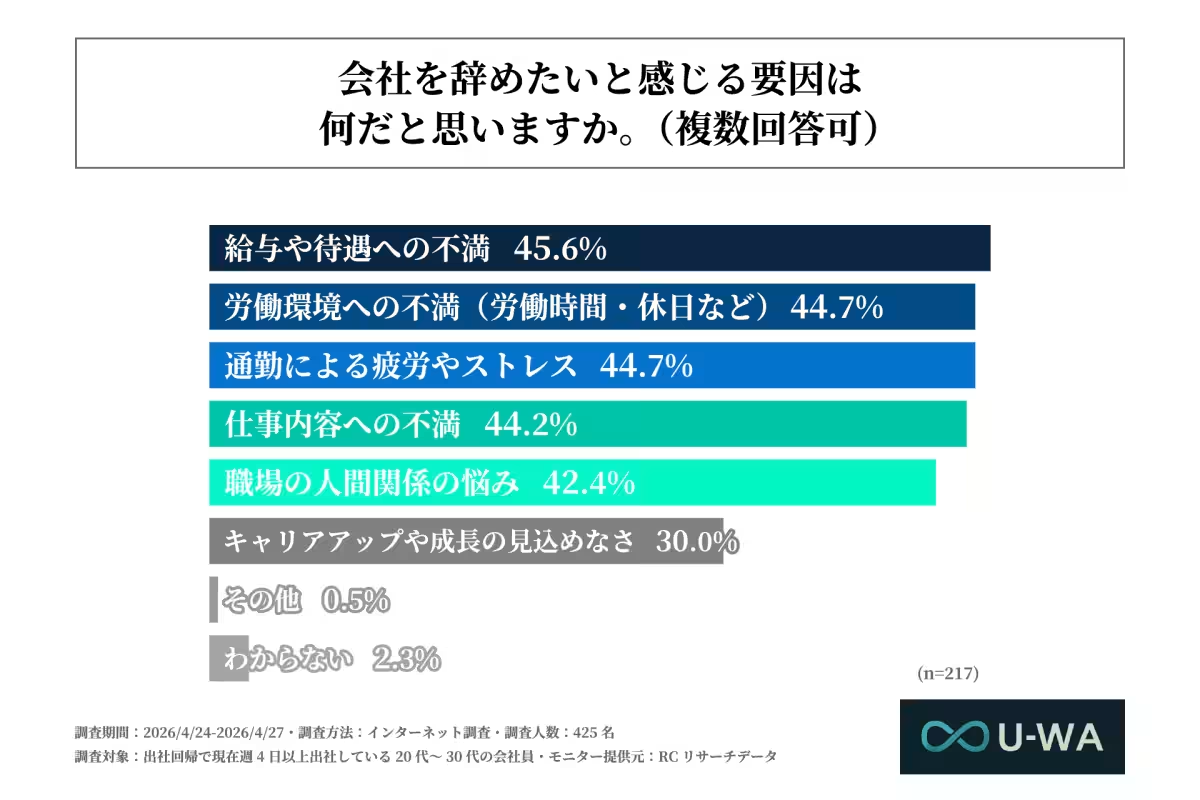
4. Reasons for Dissatisfaction: When prompted about the reasons behind their desire to resign, the top three concerns cited were dissatisfaction with salary and benefits (45.6%), labor conditions (44.7%), and stress related to commuting (44.7%).
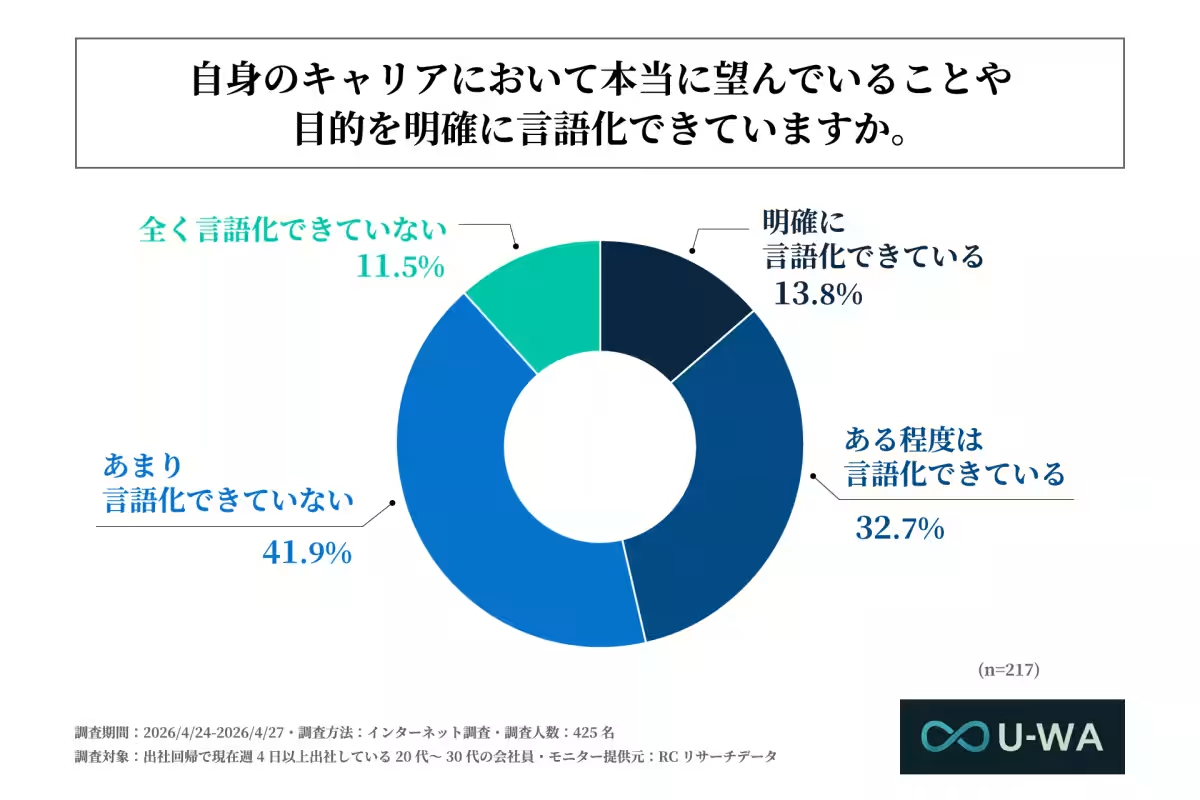
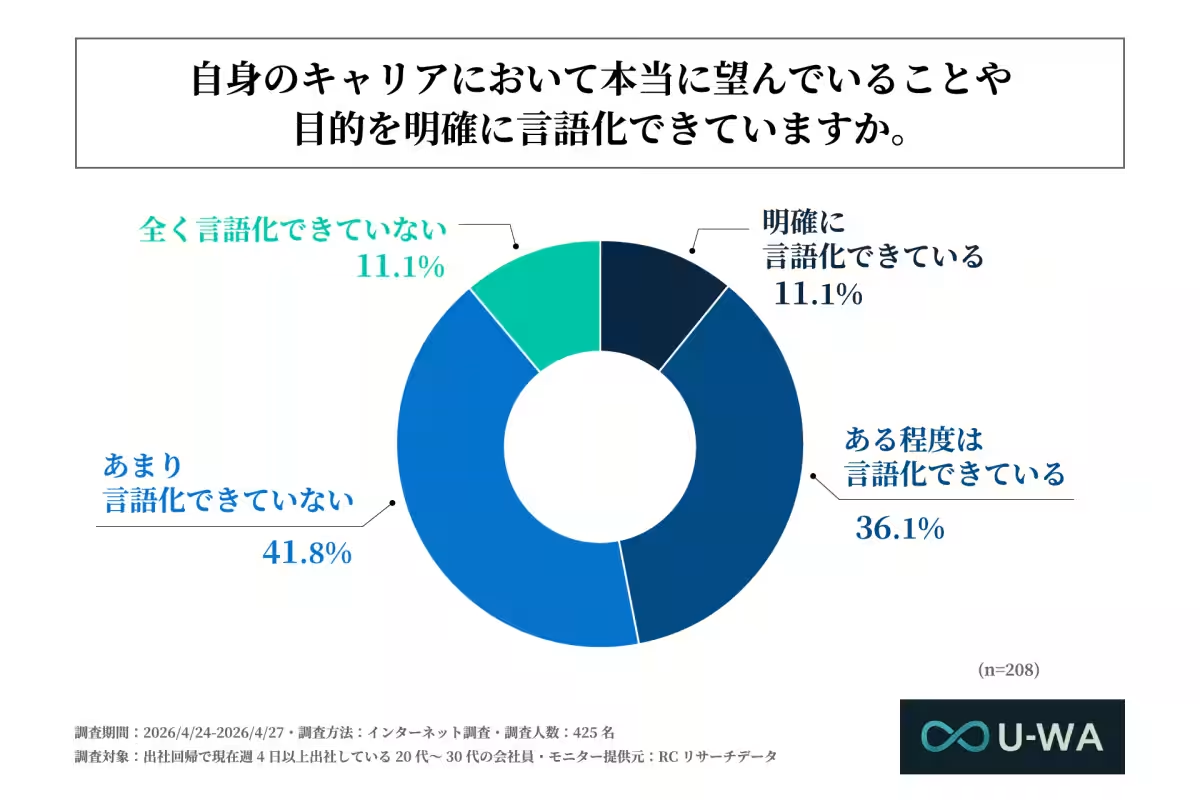
5. Lack of Clarity on Career Goals: Alarmingly, over half of those who felt the desire to resign could not clearly articulate their career aspirations or what they truly want from their jobs. This uncertainty also extended to those who claimed they did not feel like resigning.
Detailed Analysis
The findings from U-WA's survey reveal not only a concerning trend of mental health challenges but also an alarming lack of direction among young professionals. The findings signal a need for organizations to proactively address the mental well-being of their employees by encouraging open discussions about job satisfaction and career objectives.
The term "May sickness" has been traditionally associated with a feeling of confusion or disconnection post-holiday, but the underlying factors appear to be deeply rooted in dissatisfaction and stress related to work-life balance. Young professionals today are battling not only their workloads but also a growing sense of uncertainty about their future careers and the environments they inhabit. Employers must take such sentiments into account and actively find ways to engage their employees in meaningful dialogue to better understand their needs and expectations.
U-WA’s mental coaching services aim to address these issues head-on by helping professionals develop a clearer understanding of their personal and professional goals. Their approach focuses on building self-awareness and fostering environments where individuals can thrive without being hindered by external stressors.
Conclusion
The recent survey conducted by U-WA highlights a growing concern regarding the mental health of young employees returning to in-office work. As the pressures mount from salary dissatisfaction, commute stress, and unclear career paths, organizations must act swiftly to mitigate these issues and create a supportive work environment. The data points to a critical moment where awareness and proactive measures could lead to better employee retention and happiness in the workplace. Overall, effective mental coaching could pave the way for significant improvements in individual and organizational well-being in a post-pandemic world.
Feel free to contact U-WA for more information about their mental health programs or to learn more about how to facilitate a healthier workplace for your employees.


Topics People & Culture)
【About Using Articles】
You can freely use the title and article content by linking to the page where the article is posted.
※ Images cannot be used.
【About Links】
Links are free to use.