



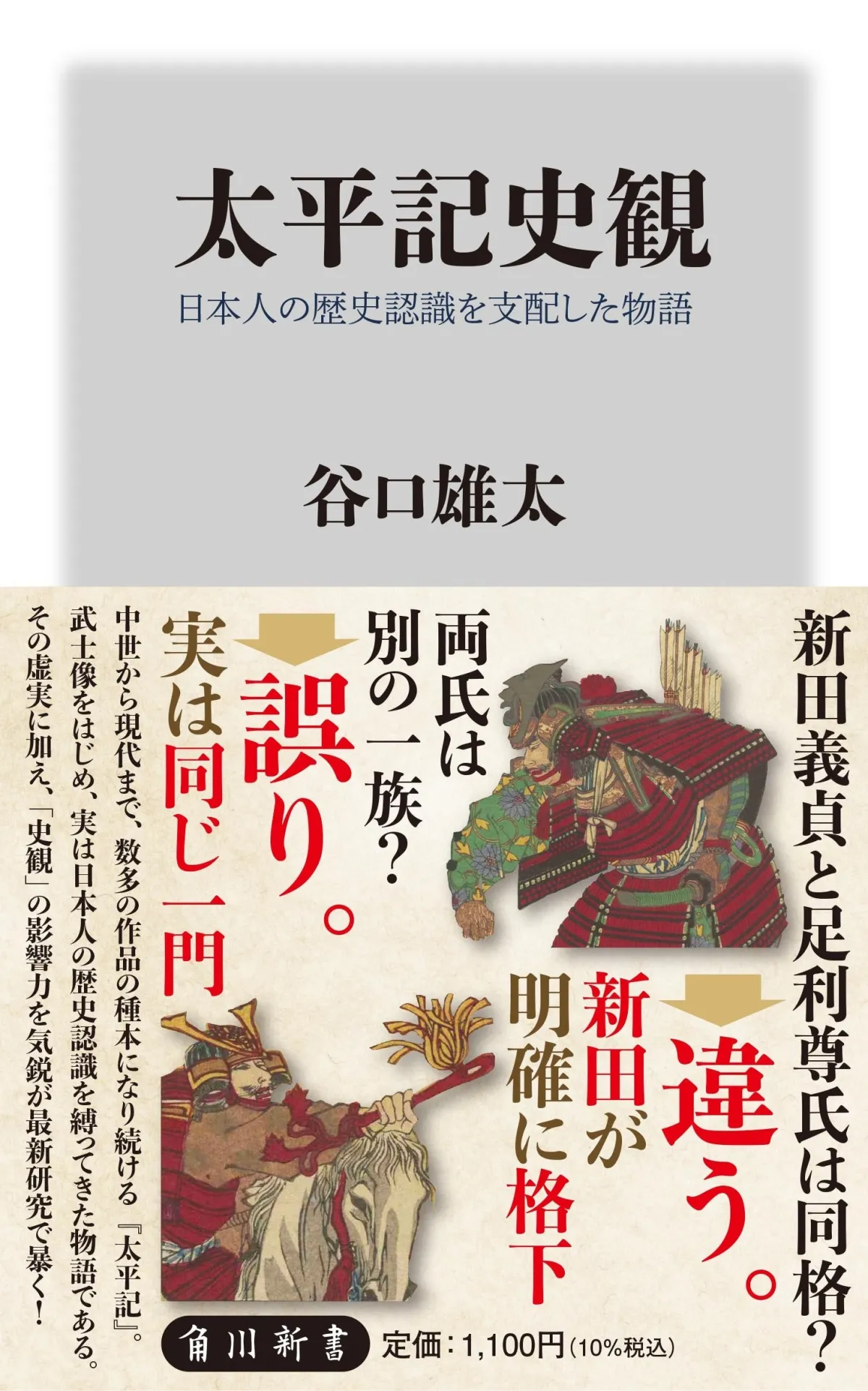
Understanding the True Impact of the Taiheiki on Historical Perception in Japan
Challenging Historical Narratives: The Impact of 'Taiheiki Shikan'
In the realm of Japanese historiography, few texts have wielded as much influence over historical perception as the 'Taiheiki'. This narrative has not only shaped the visual representation of samurai but has also intricately tied the understanding of Japanese history to its own fictional and factual accounts. In this context, the recent release of 'Taiheiki Shikan' by the scholar Yuta Taniguchi is stirring up discussions and paving the way for a fresh interpretation of historical events during the Kamakura and Nanboku-cho periods.
A New Perspective on Historical Figures
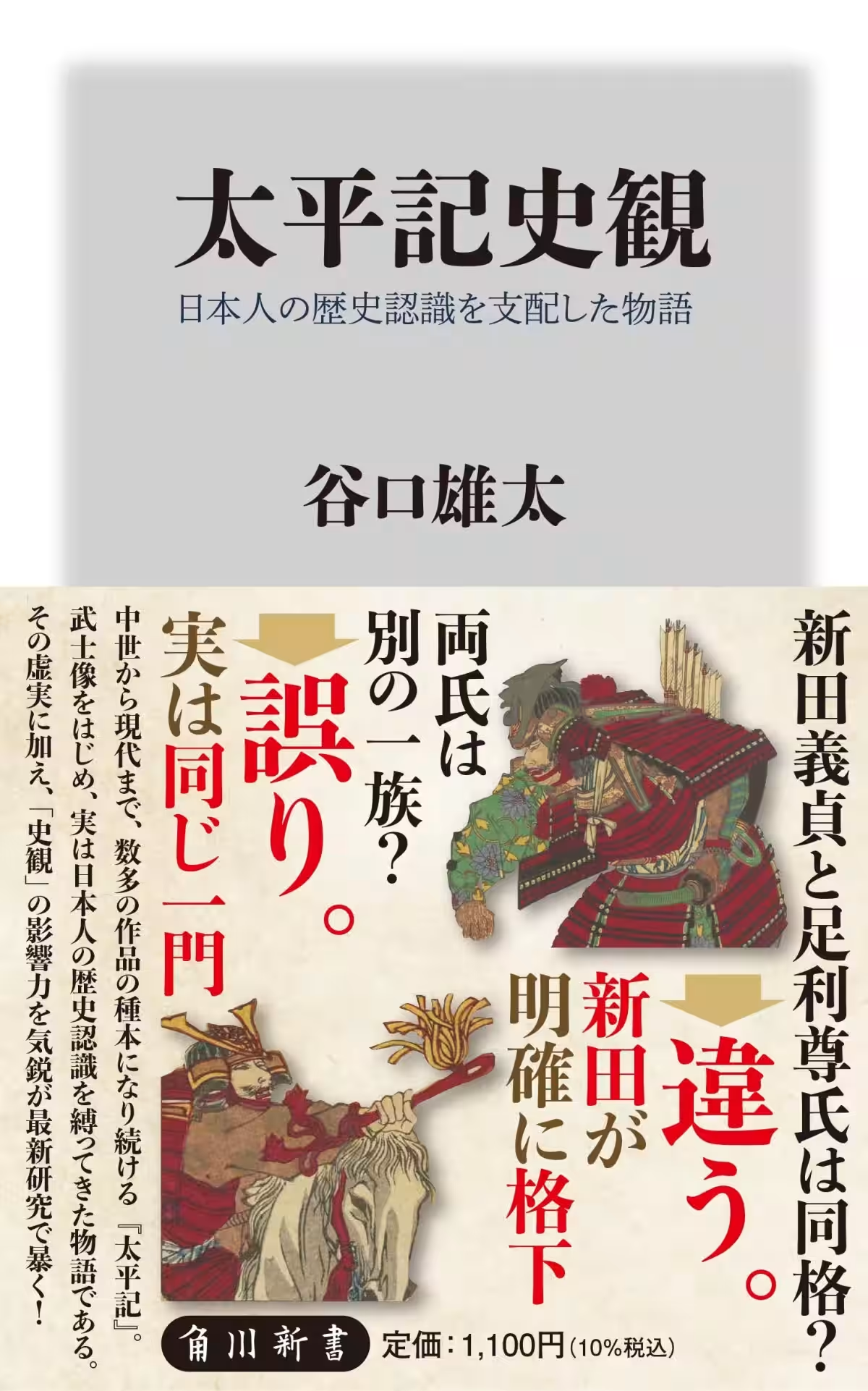
Taniguchi’s work reveals that popular perceptions—such as equating the status of Nitta Yoshisada and Ashikaga Takauji—are misplaced. The book firmly establishes that Nitta was not only a lesser figure compared to Ashikaga but also emphasizes that both belonged to the same lineage, providing a nuanced understanding of their respective roles in Japan's feudal history.
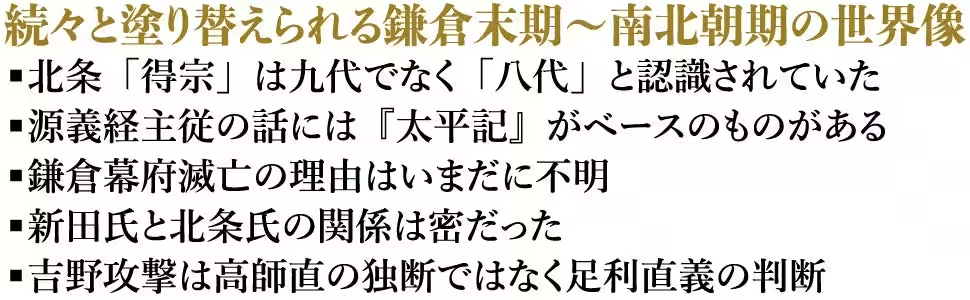
By dissecting the influence of the 'Taiheiki', Taniguchi navigates through the historical complexities regarding key figures such as Nitta Yoshisada, Ashikaga Takauji, Kusunoki Masashige, and Takashira Takamitsu. These characters, depicted in the 'Taiheiki', significantly affected historical narratives that have persisted for centuries, intertwining with ideologies such as sonno joi (revering the Emperor and expelling the barbarians) and the divine legitimacy of the imperial lineage.
Exploring the Themes
The book is structured to first familiarize readers with the concept of the 'Taiheiki Shikan', before delving into its multiple dimensions:
- - Chapter One: What is 'Taiheiki Shikan'?
- - Chapter Two: The Basics of the 'Taiheiki'
- - Chapter Three: Various Aspects of 'Taiheiki Shikan'
- - Chapter Four: Moving Beyond 'Taiheiki Shikan'
Each chapter intricately unpacks how the 'Taiheiki' has been a cornerstone for numerous historical works into modern times, such as the 'Dainihonshi' produced by the Mito clan, which relied heavily on 'Taiheiki' for its interpretations.
Taniguchi argues that the representation of these historical figures was never straightforward, revealing that Kusunoki Masashige had connections to the Kamakura shogunate, and the battles among the Ashikaga clan were more of a civil conflict than mere uprisings.
Historical Contentions and Modern Implications
What makes 'Taiheiki Shikan' particularly captivating is its exploration of how historical narratives can be both a reflection and a shaping force of contemporary national identity. Taniguchi emphasizes the story's complexity and how the mixture of fact and fiction makes it a challenging yet crucial source for understanding Japan's history.
He provocatively questions how much of the 'Taiheiki' was historically accurate, given its blend of creativity and factual storytelling. Yuta Taniguchi synthesizes academic achievements from both historical scholarship and the literature studies to uncover the subtle ways in which historical narratives affect our views and beliefs.
About the Author
Yuta Taniguchi, born in Hyogo Prefecture in 1984, serves as an associate professor in the Department of History at Aoyama Gakuin University. He draws upon years of research, holding a doctorate in literature from the University of Tokyo. His work includes significant titles that explore the Ashikaga clan’s lineage and authority, as well as the intricacies of the medieval to modern transition in Japanese history.
With its release on May 9, 2026, priced at 1,100 yen, 'Taiheiki Shikan' is expected to be a key text for anyone looking to understand the duality of historical storytelling in Japan. Grab a copy today and dive into a narrative that seeks to redefine and reshape the very lens through which we view Japan's past.
Topics People & Culture)
【About Using Articles】
You can freely use the title and article content by linking to the page where the article is posted.
※ Images cannot be used.
【About Links】
Links are free to use.