



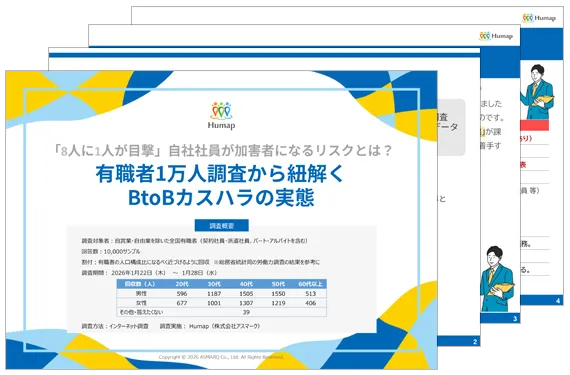
Understanding the Risk of Employee Perpetrators: Insights from a Study on Customer Harassment
Unveiling the Reality of Employee-Driven Customer Harassment
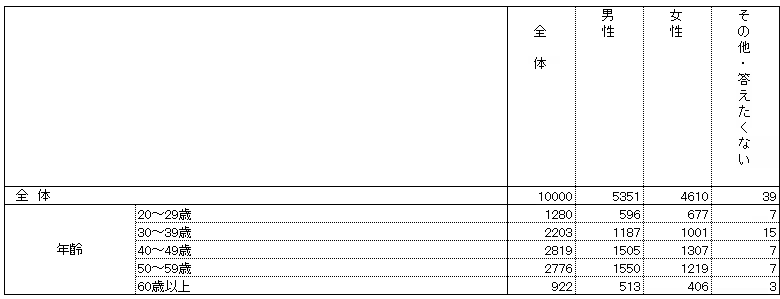
In a recent study conducted by Asmarq, a Tokyo-based company known for its employee engagement services, shocking insights were revealed regarding customer harassment (referred to as Kasuhara) within business contexts. The survey, which involved 10,000 employed individuals across the nation, sheds light on the concerning likelihood of employees being perpetrators of such harassment, particularly in BtoB interactions. Released on May 19, 2026, this report sets the stage for understanding the pressing need to address this issue as businesses brace for compliance obligations beginning October 1, 2026.
Background of the Study
This comprehensive survey serves as a benchmark for corporate compliance and harassment prevention data, part of the broader organizational strategy implemented by Asmarq. As companies increasingly face legal and managerial risks associated with potential harassment within their ranks, understanding the dynamics of employee behavior is critical. The looming mandate for all employers to implement countermeasures against customer harassment includes not only interactions with consumers (BtoC) but also those involving client interfaces (BtoB).
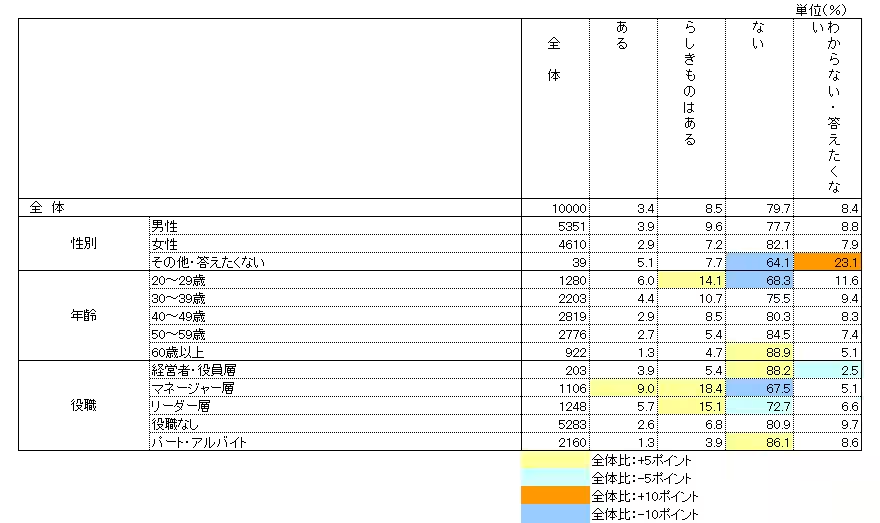
The spotlight of the investigation focused on the likelihood of employees themselves being the aggressors. Alarmingly, the report found that one in eight respondents (11.9%) witnessed incidents of harassment perpetrated by their colleagues towards external clients or partners, with managers being particularly implicated – a staggering 27.4% expressing they had observed such misconduct within their teams.
Key Findings of the Report
The data elucidates significant organizational challenges:
- - Witnessing Harassment: 11.9% of respondents admitted to witnessing employee harassment towards clients.
- - High Incidence Among Managers: The witnessing rate among managerial staff reaches 27.4%, due to their roles in monitoring interactions during negotiations and discussions.
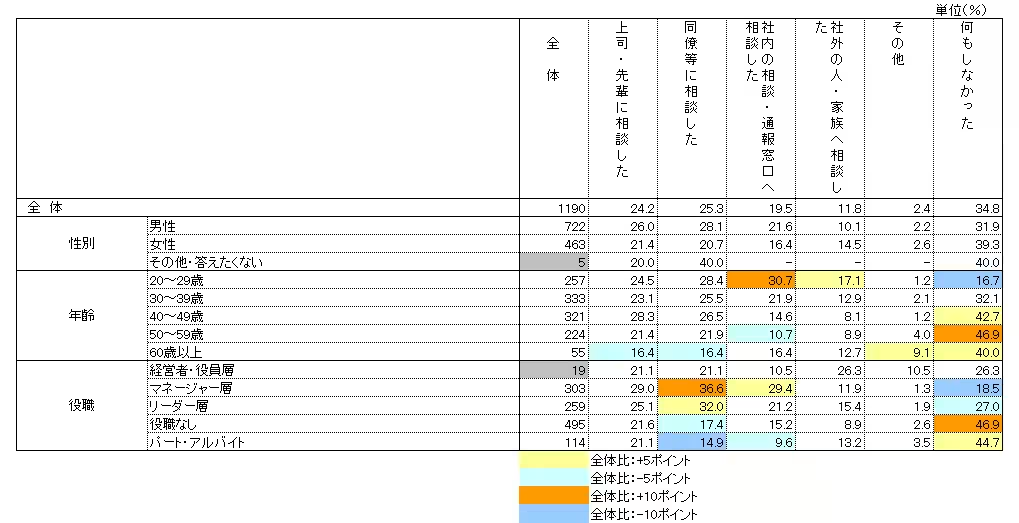
- - Silence Among Employees: Approximately 35% of those who witnessed harassment chose to remain silent, with the overwhelming majority citing the futility of reporting (44.9% believing “it’s useless to consult”).
- - Link with Workload: A correlation exists indicating that longer working hours may contribute to an increased witnessing rate of harassment incidents.
Categories of Harassment Observed
The survey questioned respondents about their experiences in the past six months:
- - Witnessing the sabotaging behavior of employees during client interactions was prevalent. The findings highlight not just the need for direct intervention strategies but also underscore the necessity for training and education within companies to create a more supportive workplace culture.
After reporting their observations, the most common response was a lack of action, with about 34.8% stating they did nothing, which vastly exceeded the 19.5% who sought help from internal mechanisms. This denotes a troubling silence, statistically higher among lower-level employees and part-timers who feel less empowered to speak out.
Implications for Organizations
As the findings continue to resonate, they further validate the imperative need for structured anti-harassment policies, training sessions to foster a culture of accountability, and channels where employees can voice their concerns without fear of retaliation. The data illustrates a clear path for organizations to engage in proactive measures to address harassment comprehensively.
In conclusion, as business responsibilities evolve with impending regulations, the commitment to fostering a safer and more inclusive work environment becomes essential not just for compliance but for the overall well-being of employees and the health of organizational culture. Action must be taken to educate management and empower employees to stand against customer harassment effectively, hence safeguarding both staff and their interactions with clients.
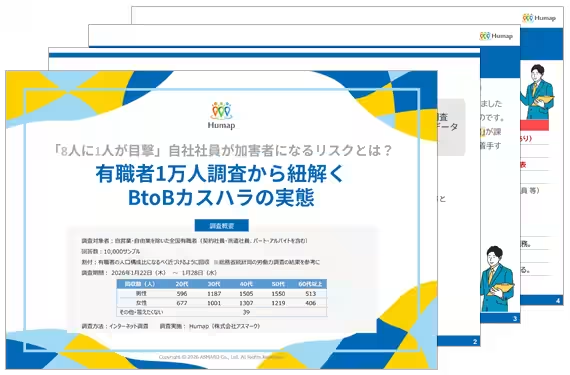
For further details, you can download the complete survey results offered by Humap, showcasing the comprehensive inquiry into workplace harassment dynamics.

Topics People & Culture)




【About Using Articles】
You can freely use the title and article content by linking to the page where the article is posted.
※ Images cannot be used.
【About Links】
Links are free to use.