



Analysis of Experienced Hiring Trends in Japanese Financial Institutions for 2025
Overview
A recent report by Frog Inc., located in Chiyoda, Tokyo, sheds light on the evolving hiring practices in Japanese financial institutions, particularly regarding experienced hires. The report mentions a notable shift in mid-career recruitment, especially in mega banks, which are moving away from a historically rigid approach to embrace more diverse hiring strategies.
Key Highlights
Growth in Job Openings
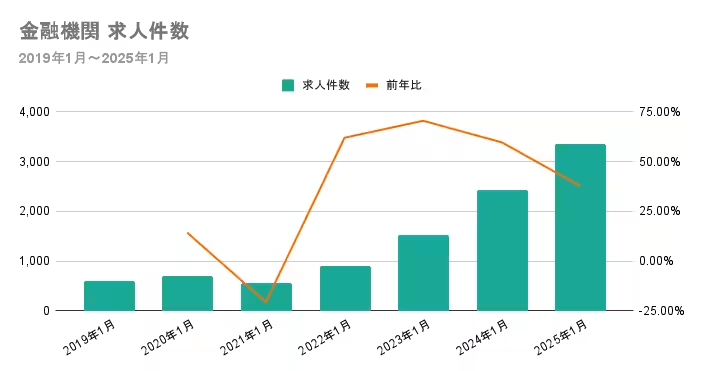
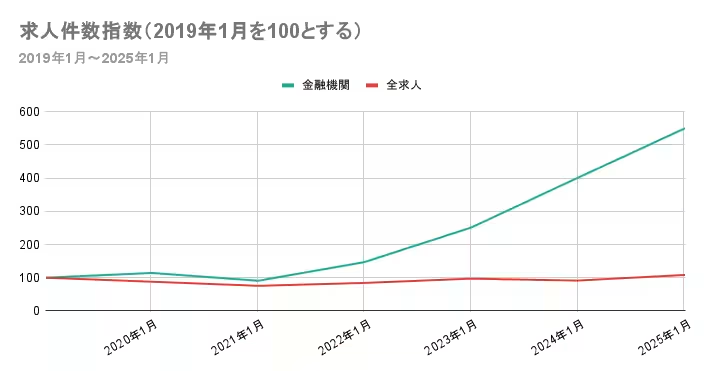
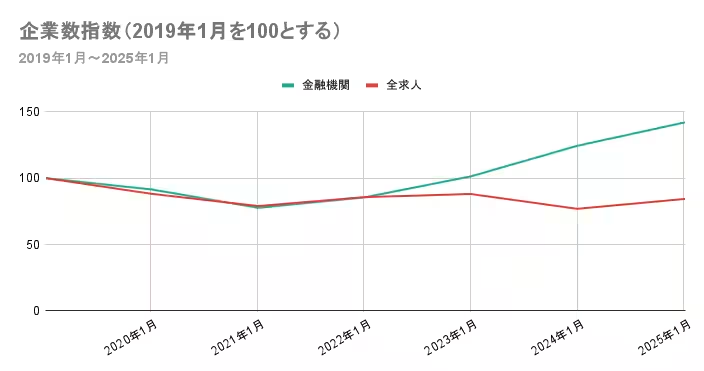
From January 2019 to January 2025, the number of job openings for experienced hires in financial institutions skyrocketed by 450.82%, increasing from 608 listings to 3,349. This extraordinary growth highlights a significant shift in recruitment strategies within the industry.
While there was a drop of 20.58% in job openings in January 2021, the market rebounded in 2022, showcasing a robust upward trend with a remarkable increase of 37.65% by January 2025 compared to the previous year. This reflects growing confidence among financial institutions in hiring experienced professionals.
Job Type Analysis
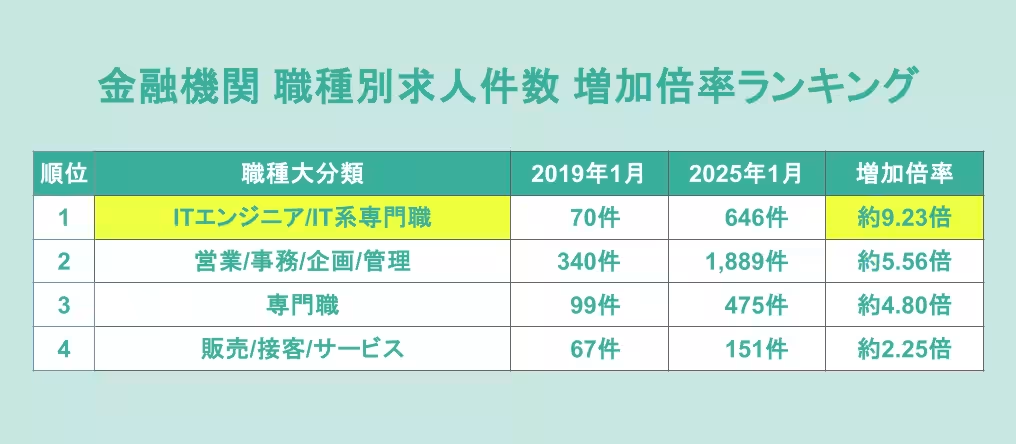
The report indicates that the category of IT engineers has seen the most substantial growth, with job openings in this sector expanding about 9.23 times over the given period. Other roles, such as sales and administrative positions, grew by approximately 5.56 times, showcasing the demand for diverse talent in the industry. The increase in job listings for specialized roles like consulting and data science also emphasizes the sector's dynamic evolution.
Hiring Trends
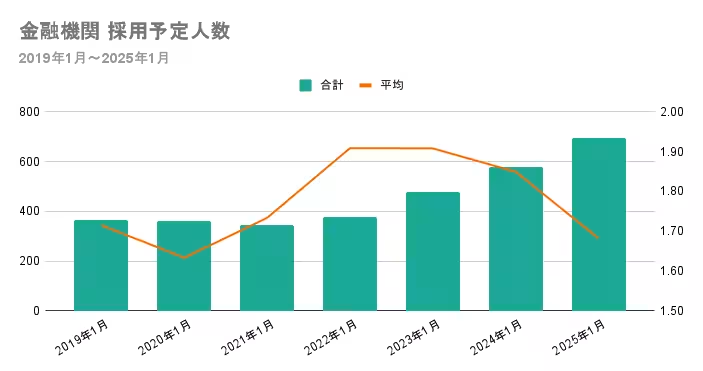
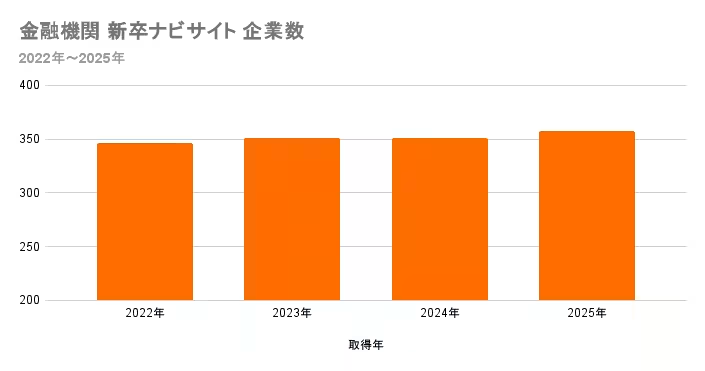
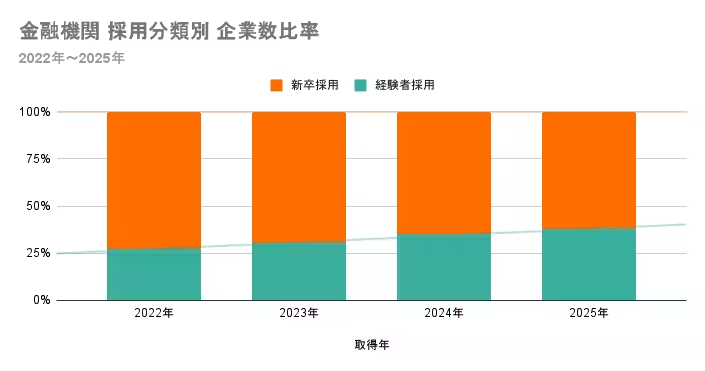
To gain a deeper insight into the hiring trends, the report analyzes openings and recruitment numbers significantly. Financial institutions saw an increase in the number of hiring companies, with the ratio of experienced hires compared to new graduate hires shifting dramatically. In 2022, experienced hires constituted 27.3% of total recruitments, escalating to 37.6% by 2025—a striking increase of 10.3 percentage points within three years.
This shift indicates a measurable change in corporate recruitment approaches, with organizations increasingly leaning toward experienced talent alongside maintaining a steady level of entries for fresh graduates.
Average Salary Trends
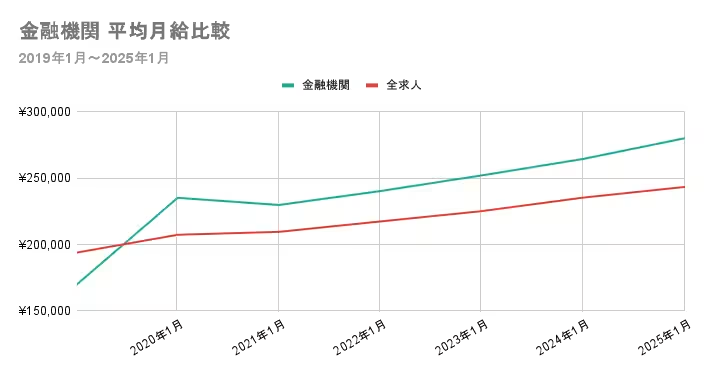
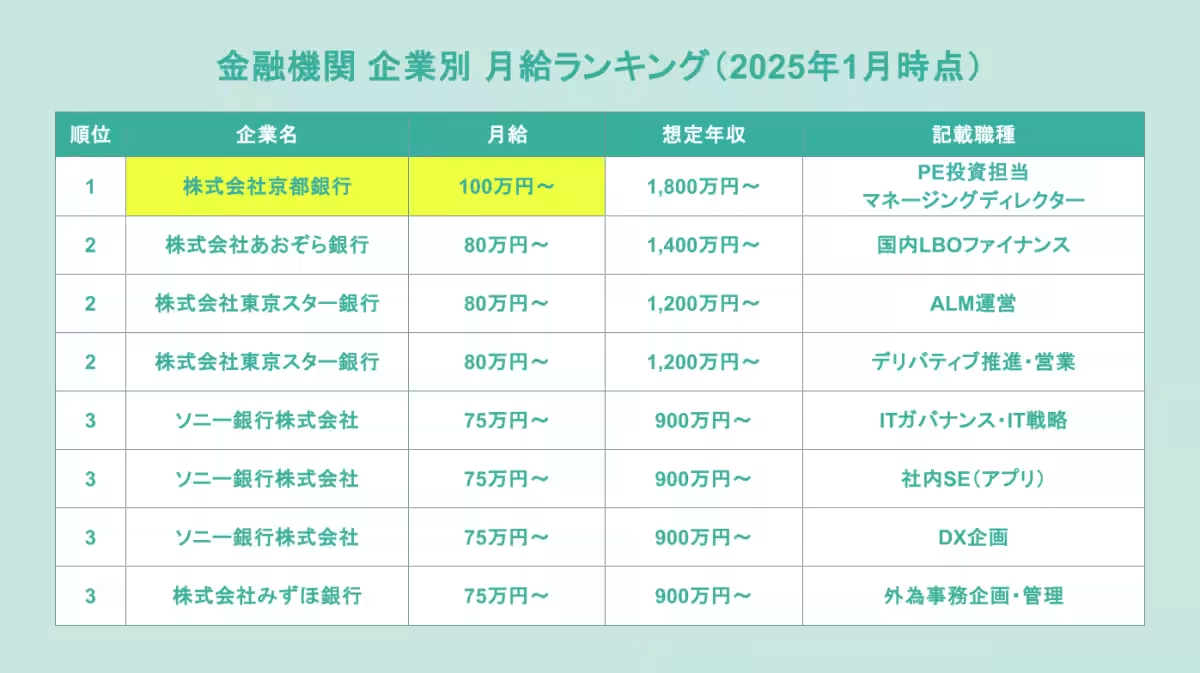
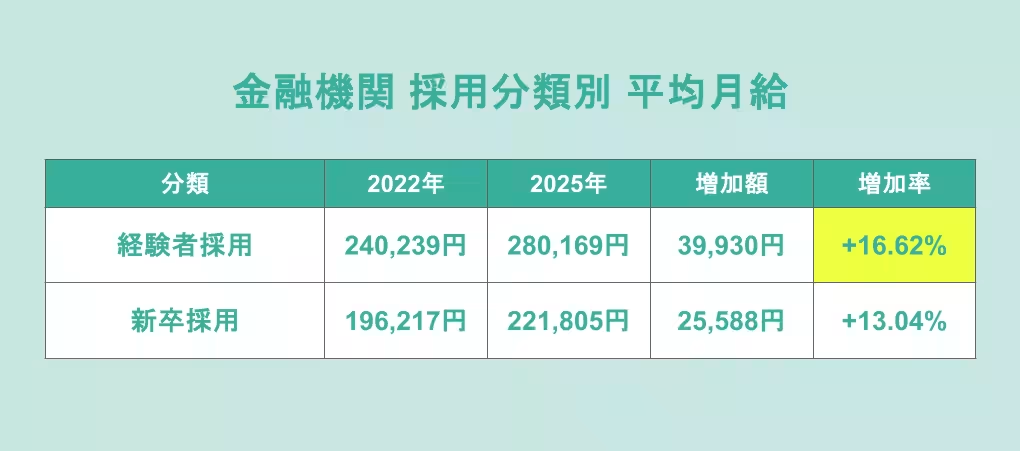
An important observation in the report is the average monthly salary for experienced hires in financial institutions, which has significantly exceeded those of fresh graduates. As of January 2025, the average salary hit ¥280,169, marking a notable shift in compensation structures. The highest monthly salary recorded was an impressive ¥1,000,000, offered by Kyoto Bank for investment professionals, signaling strong competition for skilled personnel in the market.
The growth trajectory of salaries also suggests that companies are adjusting compensation levels to attract high-caliber professionals, especially in IT and finance roles.
Implications Moving Forward
The findings spotlight an undeniable trend: as the financial sector evolves, there is a burgeoning need for experienced hires to fill specialized roles. This is pivotal for the industry, traditionally dominated by new graduate hiring. With a steady increase in experienced hires alongside competitive salaries, financial institutions are preparing for a future that prioritizes skill and adaptability over conventional recruitment practices.
Ultimately, the report encourages stakeholders in the job market and human resources to leverage the valuable insights derived from this comprehensive job data. Understanding these trends can enhance recruitment strategies and foster significant improvements in hiring practices moving forward.
Conclusion
In summary, the analysis presented in this report provides a clear picture of the transformation underway in Japanese financial hiring. The remarkable increase in job openings for experienced hires signals an industry-wide shift towards a more progressive approach in recruitment, focusing on specialized skills and the recognition of professional expertise—the fundamental building blocks for future growth within the sector. As such, it will be essential for organizations to adapt and innovate their hiring strategies to stay competitive in this evolving landscape.
Topics Business Technology)
【About Using Articles】
You can freely use the title and article content by linking to the page where the article is posted.
※ Images cannot be used.
【About Links】
Links are free to use.