



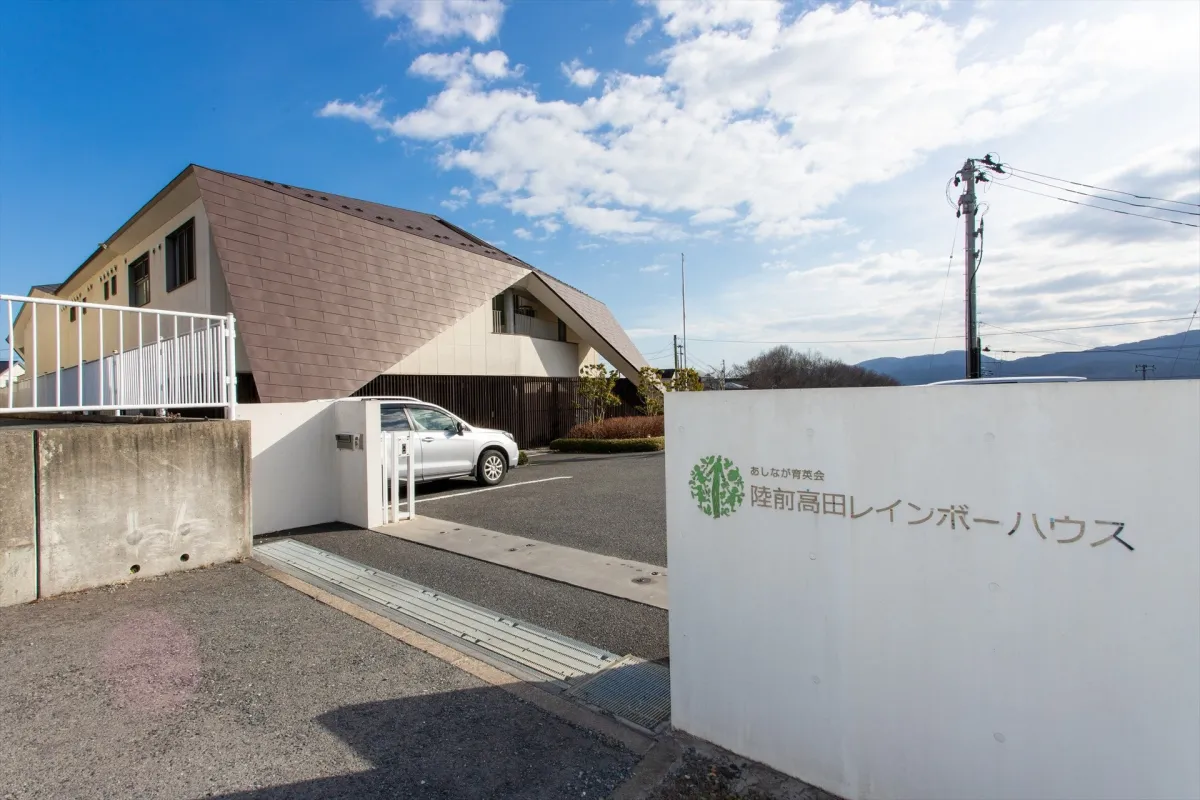
The Legacy of Rikuzen Takata Rainbow House: A Support Center for Disaster Orphans
The Legacy of Rikuzen Takata Rainbow House
In a significant move, the Asunaga Foundation has decided to transfer the Rikuzen Takata Rainbow House, a critical support center for children affected by the Great East Japan Earthquake, to Rikuzen Takata City at no cost. Scheduled for formal transfer on March 31, 2026, with a ceremonial event planned for late April, this decision marks a new chapter in the life of the Rainbow House, which has served as a beacon of hope and healing for many families.
The History of Rikuzen Takata Rainbow House
Following the devastating earthquake in March 2011, the Asunaga Foundation swiftly initiated operations to support the affected communities. This initiative led to the identification of 2,083 orphan children from the disaster and the launch of grief care services in May of the same year. By 2014, three Rainbow Houses were established in Sendai, Ishinomaki, and Rikuzen Takata, paving the way for a sustained commitment to helping those impacted by the tragedy.
In August 2011, preparations commenced for the Rikuzen Takata site, resulting in the building's completion in June 2014. Since then, the center has served 1,484 visitors, hosting various programs aimed at providing emotional support and community engagement.
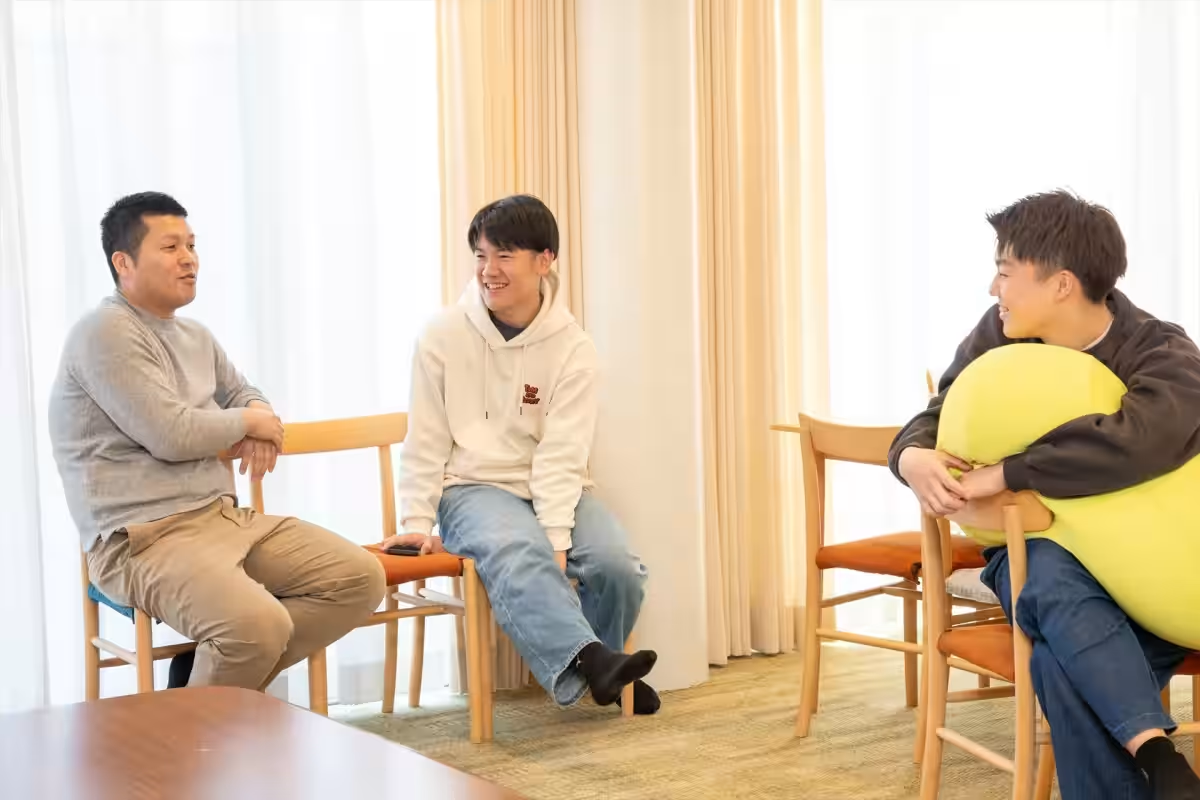
During a recent event on March 11, 2026, known as “3.11 Opening Day,” 14 families benefitting from the center’s resources shared their heartfelt experiences. Children described the center as “a second home” where they could be true to themselves and revealed that it was “the best place for their kids” according to their parents.
The Transition Process
The establishment of the Rainbow Houses came after a fundraising campaign that collected approximately 4.98 billion yen in donations from supporters worldwide. From the outset, there was a clear intent to return the facilities to local management within a decade, thus honoring the commitments made to donors.
Though the timeline extended beyond initial expectations, fruitful negotiations with Rikuzen Takata City and the maturation of many disaster orphans into adulthood prompted the decision to proceed with the transfer. The formal contract for the transfer was signed on March 17, 2026.
Future Support for Disaster Orphans
Children who were in utero during the disaster are now in junior high school, while several disaster orphans have already transitioned into adulthood and continue to seek community spaces for support.
The Sendai Rainbow House will remain active as a supportive hub for disaster orphans, including those who have lost parents in circumstances other than the earthquake. Meanwhile, the Ishinomaki Rainbow House is also poised to advance local returns similar to Rikuzen Takata.
Although the Rikuzen Takata facility itself will no longer serve as a physical support center, the relationships built with the families will persist, fostering continued community interactions and opportunities for engagement.
Future Use of the Facility
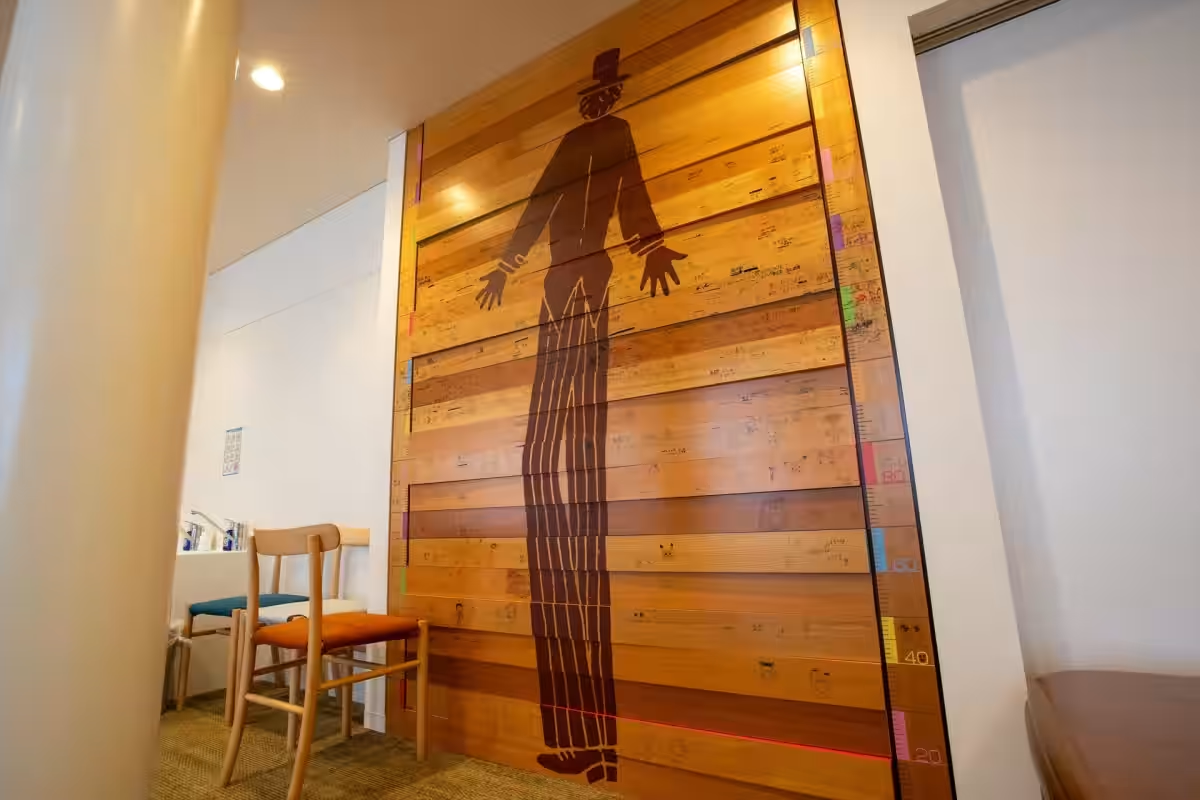
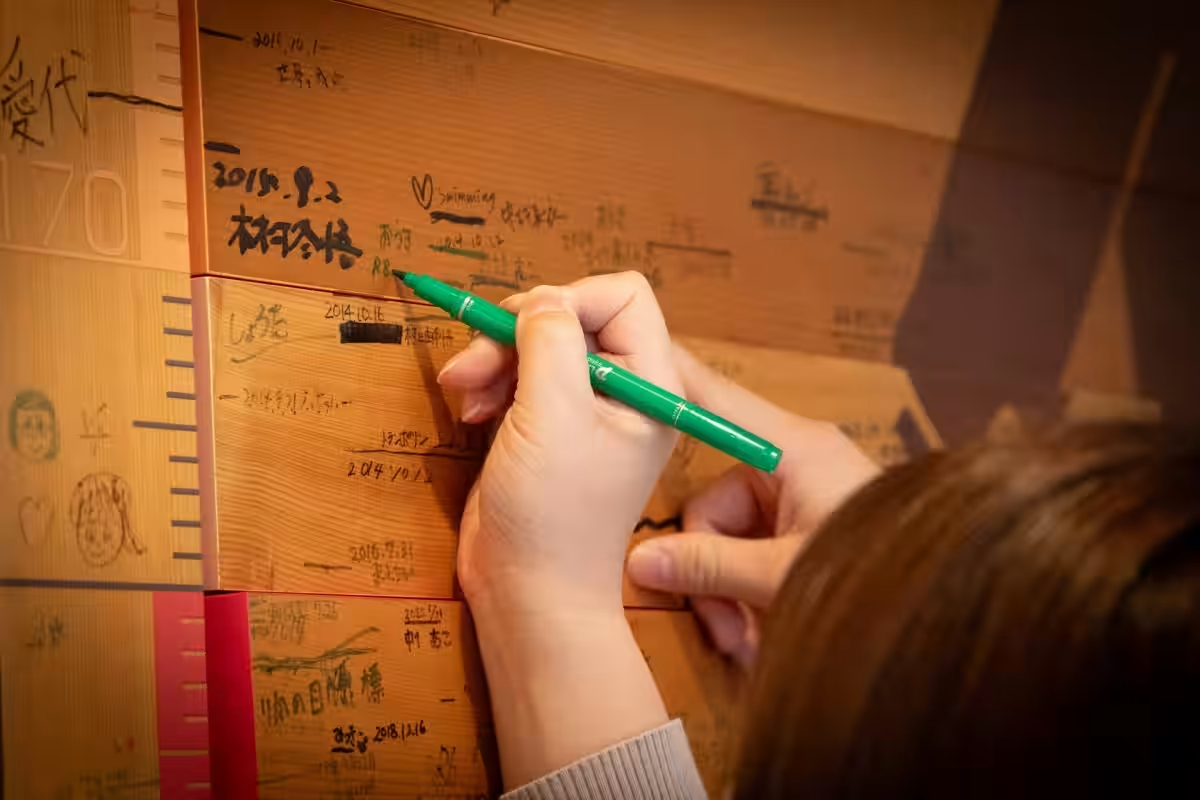
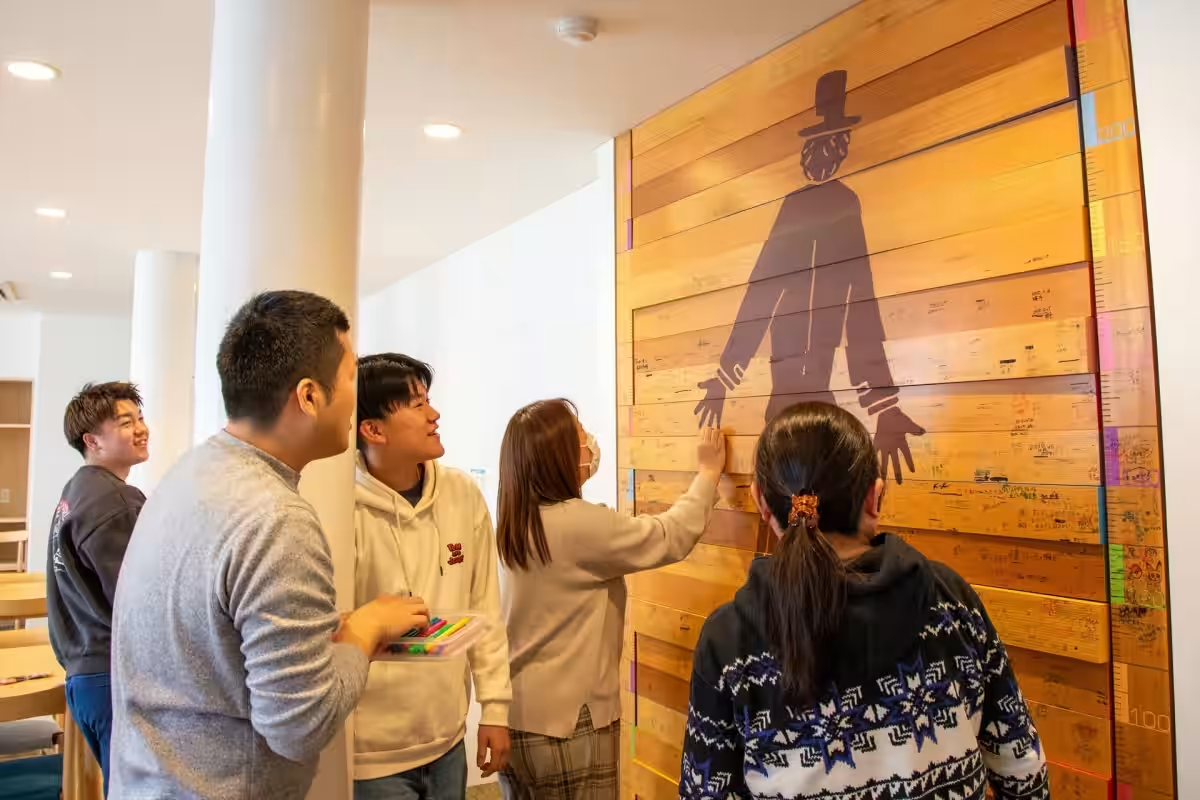
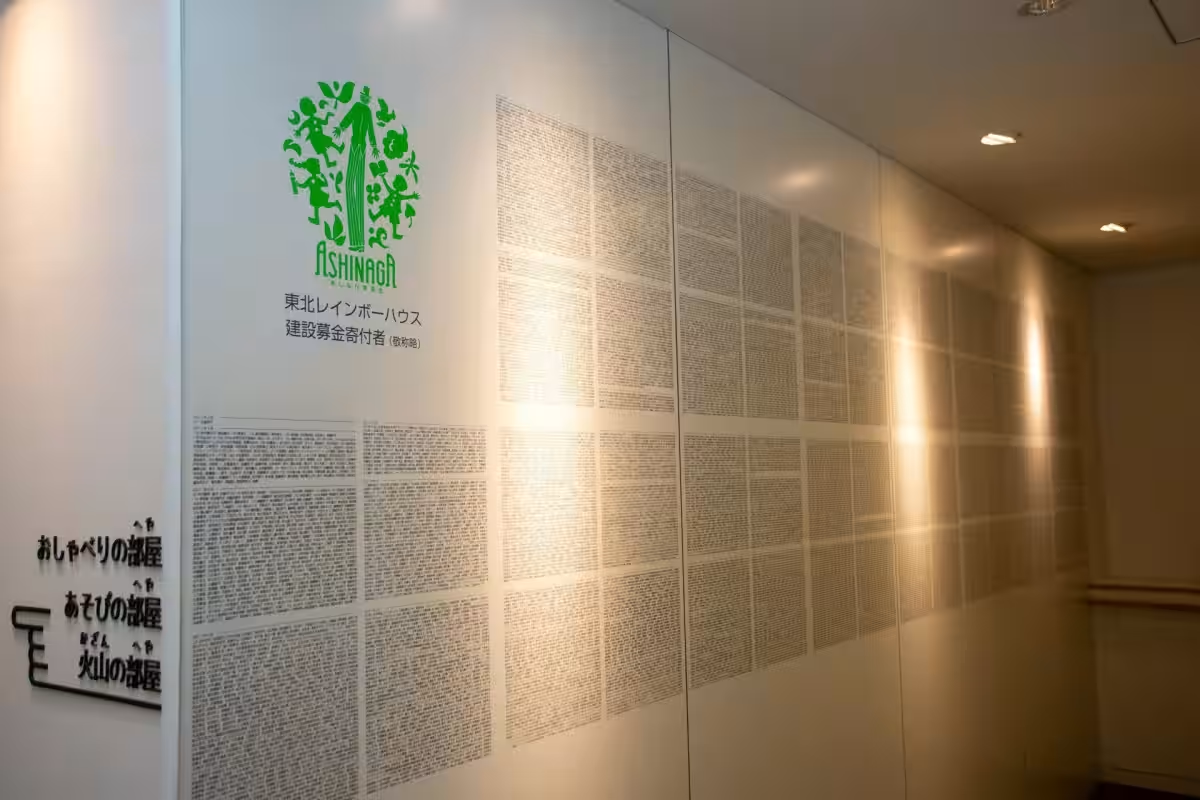
The transfer includes the land and building as they currently stand, with plans in place to keep commemorative elements, such as donor plaques and height charts marking the growth of the young visitors, intact. An understanding has been established with the city to ensure the facility serves as a community anchor for both children and local residents.
The Transfer Ceremony
The transfer ceremony to Rikuzen Takata City is set for late April, with details to be finalized shortly. In attendance will be the city's Mayor Taku Sasaki, Asunaga Foundation President Osamu Murata, and families of the disaster orphans who have been part of the Rainbow House’s journey. Coverage of this significant event is warmly welcomed.
About Rikuzen Takata Rainbow House
- - Organization: Asunaga Foundation Rikuzen Takata Rainbow House
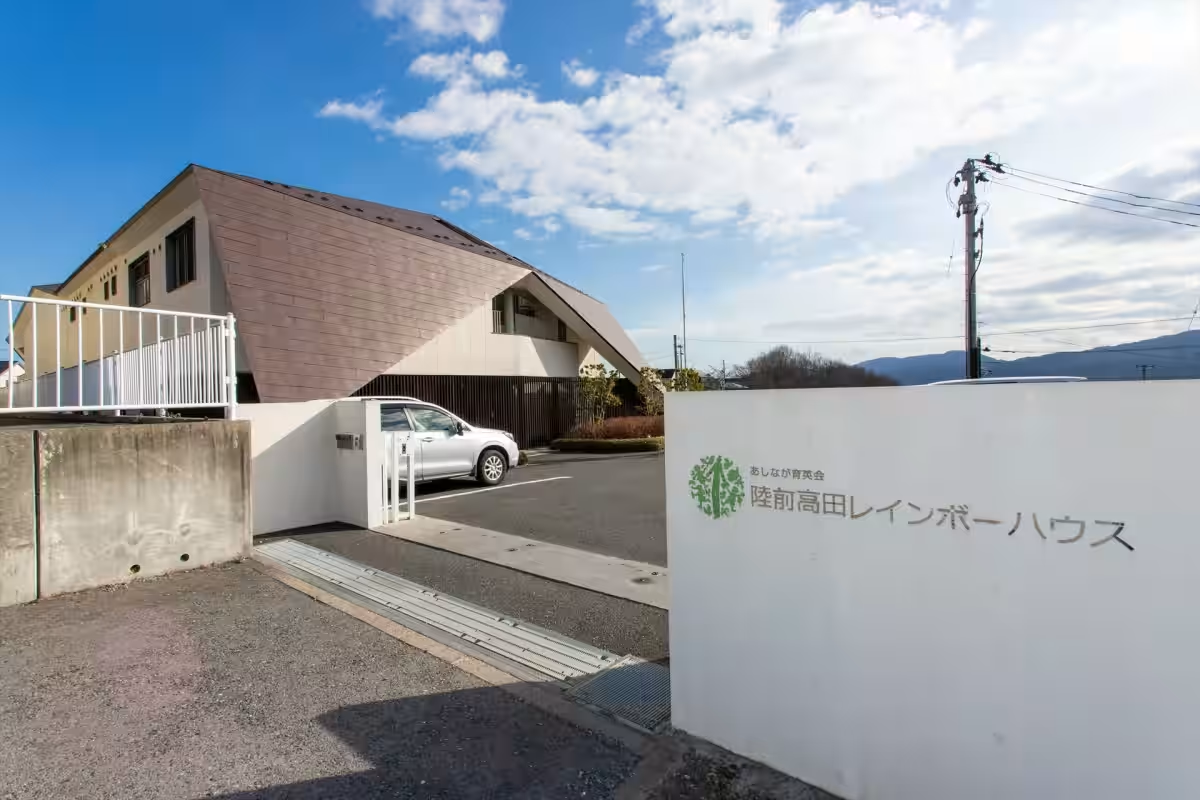
- - Location: 112-7 Naruse, Takata-cho, Rikuzen Takata City, Iwate Prefecture
- - Structure: Steel construction, two stories
- - Site Area: 2,228.50 m²
- - Floor Area: 1,201.60 m²
- - Completion Date: June 29, 2014
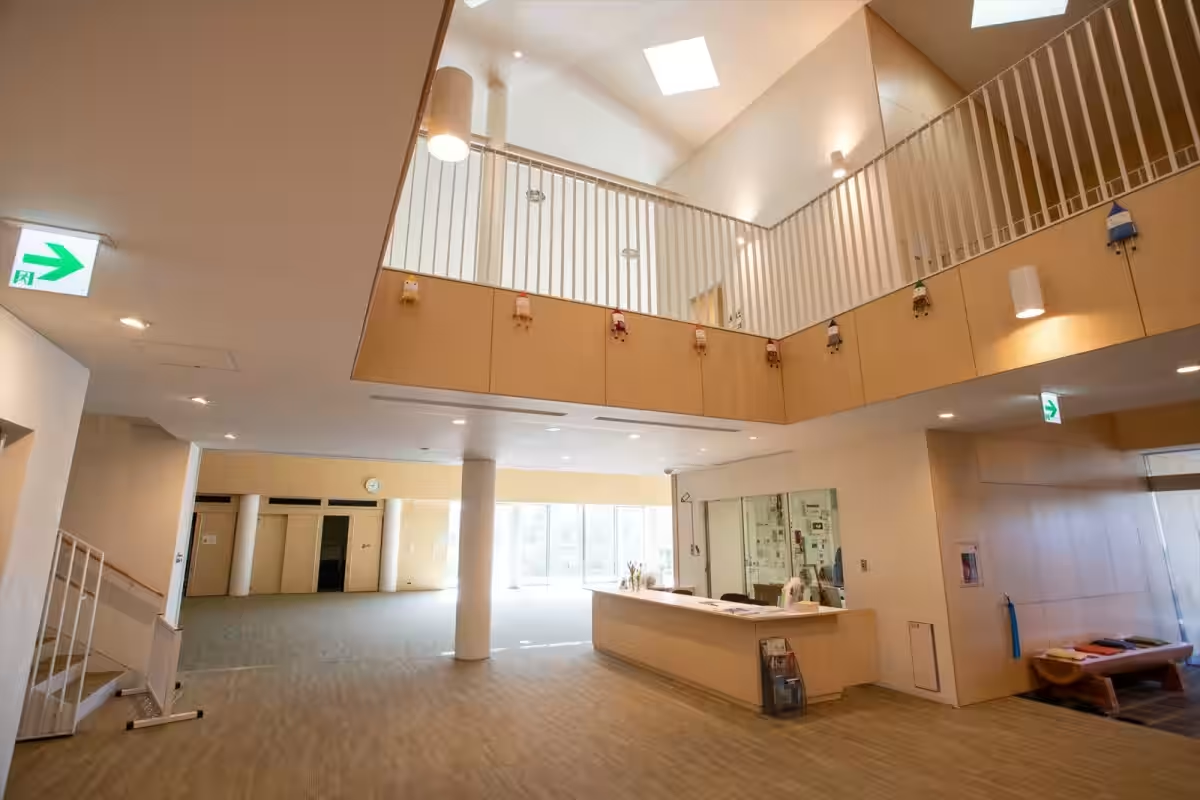
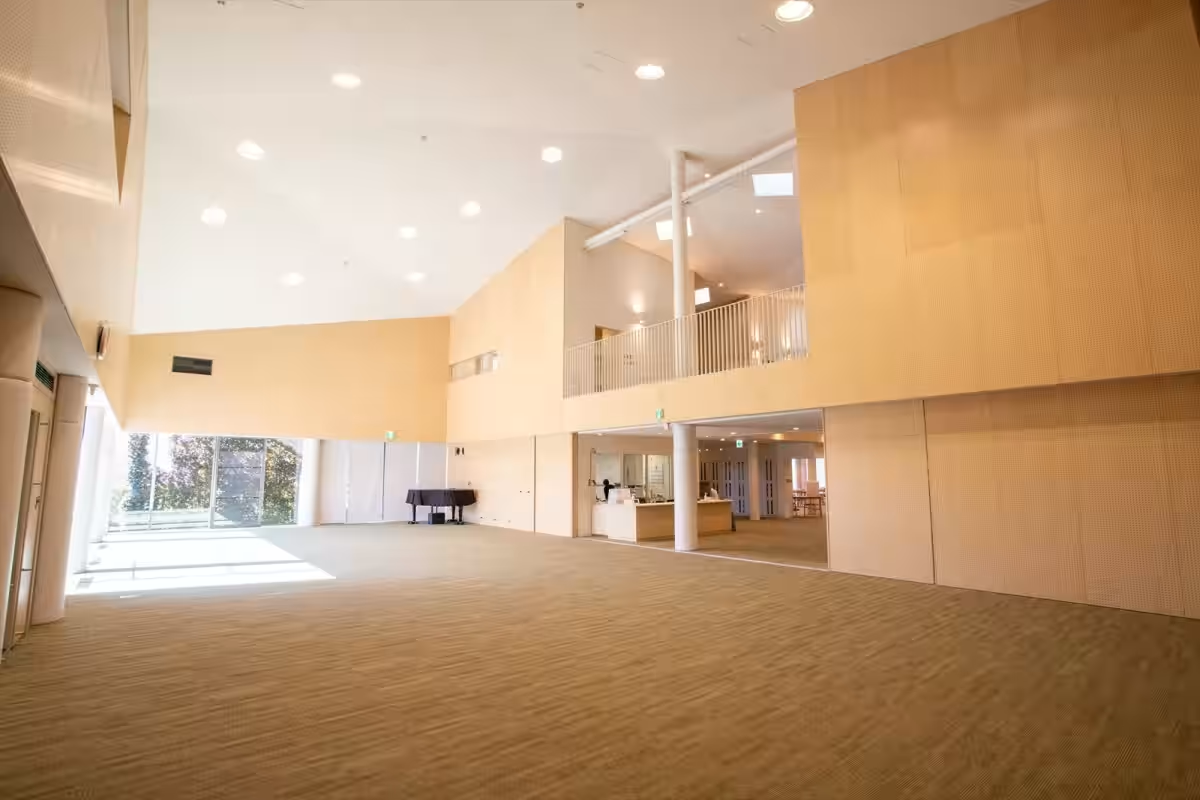
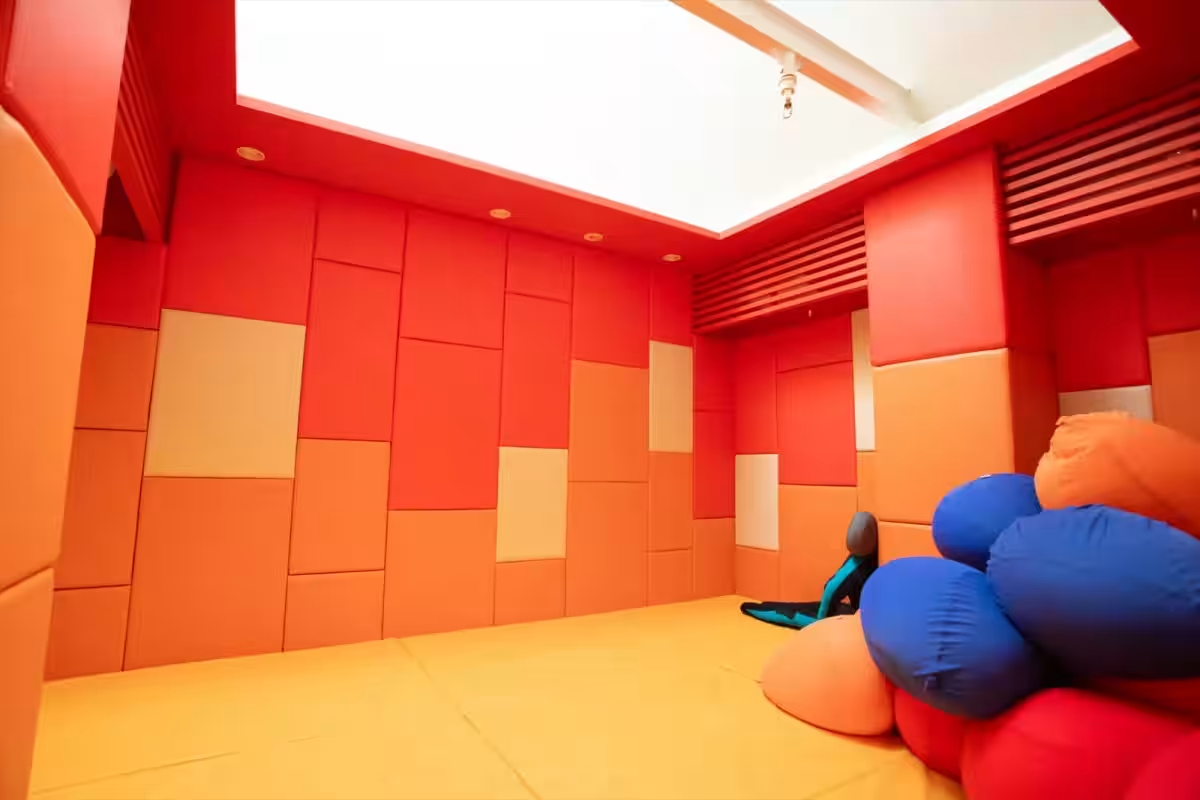
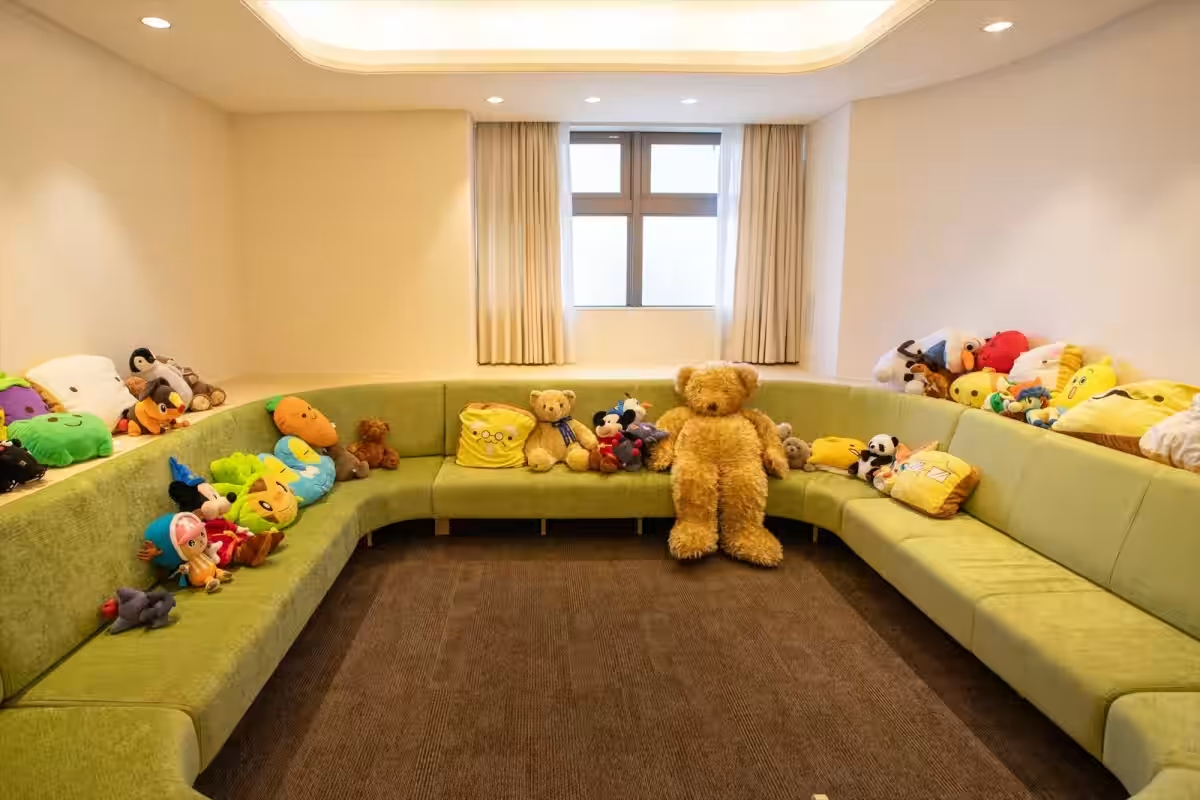
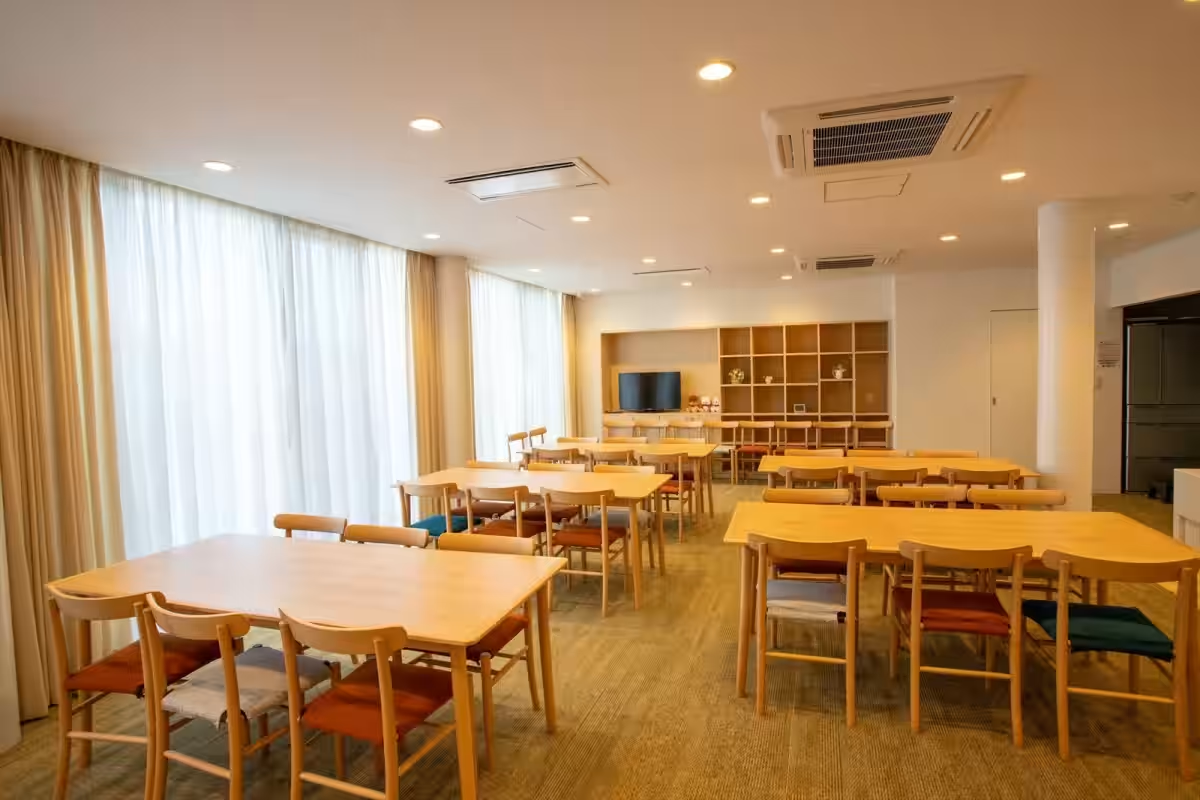
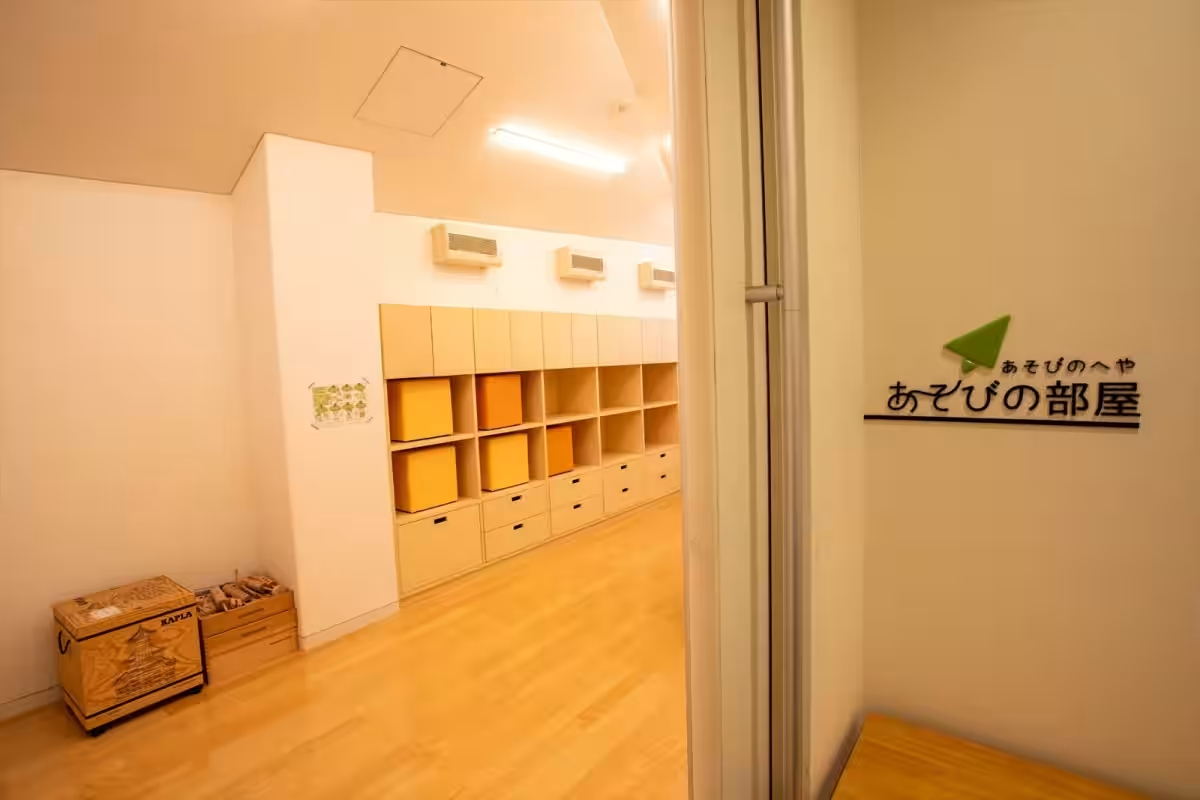
Equipped with facilities such as multi-purpose halls and therapy rooms, the Rainbow House has provided a supportive environment, allowing children to express their emotions safely and engage with peers, creating lasting memories amid their healing process. The commitment to continued support remains, nurturing the community that has formed through shared resilience.
Topics People & Culture)


【About Using Articles】
You can freely use the title and article content by linking to the page where the article is posted.
※ Images cannot be used.
【About Links】
Links are free to use.