




Exploring the Cost of Personal Grooming: Insights from 1,193 Respondents
The Cost of Personal Grooming: A Detailed Look
A recent study conducted by Fo-it, aimed to uncover the true costs associated with personal grooming among Japanese individuals. With rising interest in self-presentation, it's important to understand how much people are investing in their appearance and the factors influencing their spending habits.
Survey Background
As people become more aware of their appearance, there's a growing curiosity about how much they actually spend on grooming. Is investing in beauty solely for self-satisfaction, or is it a necessary social expenditure? The survey sought to delve into these personal motivations.
Survey Overview
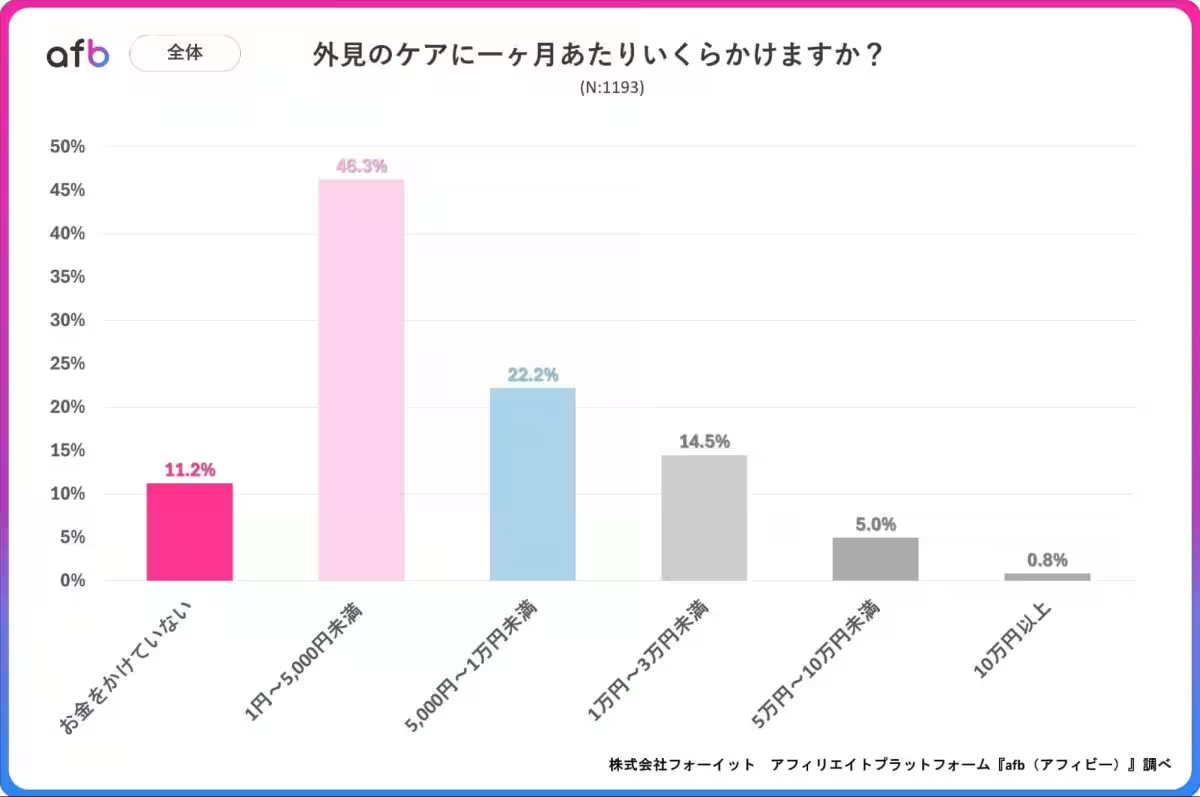
The target participants were 1,193 men and women aged between 20 and 69 who reported regularly engaging in grooming practices. The data collection was conducted online on November 18, 2025. The main question posed was, "How much do you spend on grooming each month?" Participants had several options to choose from:
1. No spending
2. Less than ¥5,000
3. ¥5,000 to under ¥10,000
4. ¥10,000 to under ¥30,000
5. ¥50,000 to under ¥100,000
6. Over ¥100,000
Key Findings
The leading response was "Less than ¥5,000," with 46.3% of respondents selecting this option. This was followed by 22.2% opting for "¥5,000 to under ¥10,000," and 14.5% for "¥10,000 to under ¥30,000." Only 11.2% of the participants reported spending no money at all.
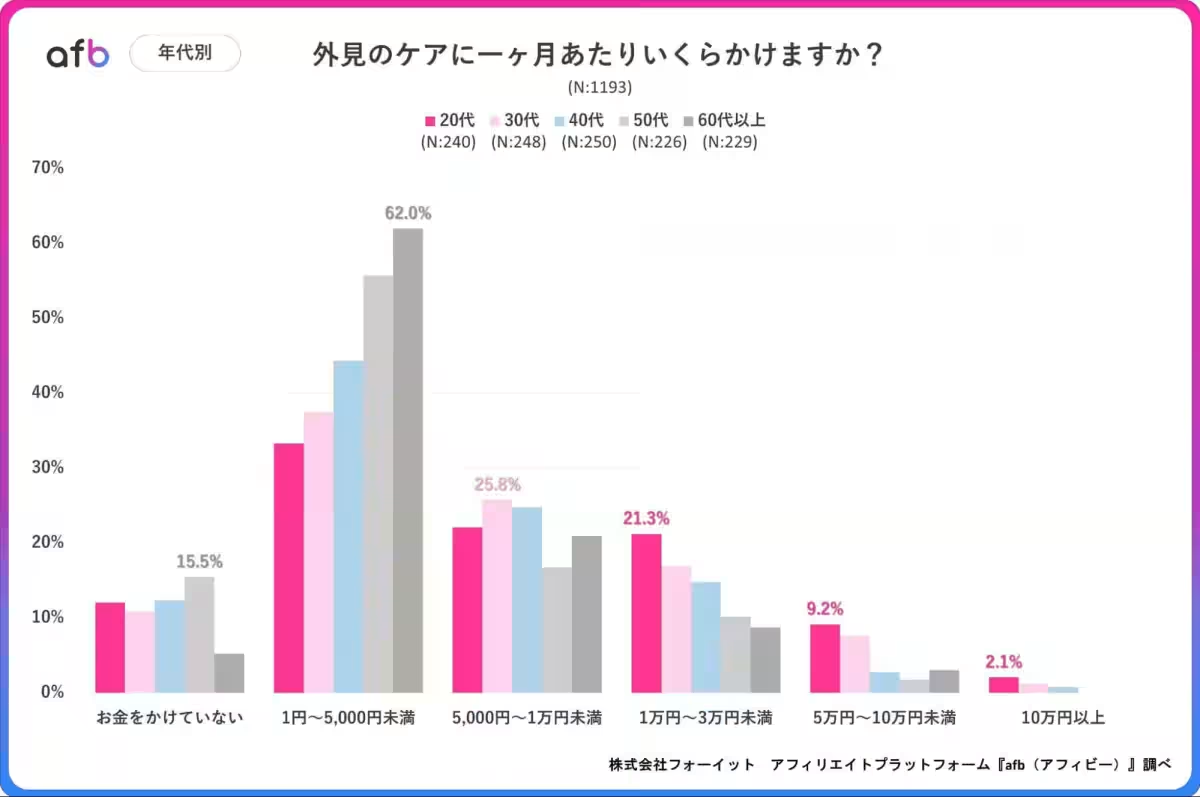
From the data, a clear trend emerged: younger individuals tend to invest more in beauty, while older generations exhibit a tendency to reduce their spending over time.
Gender Differences in Grooming Expenses
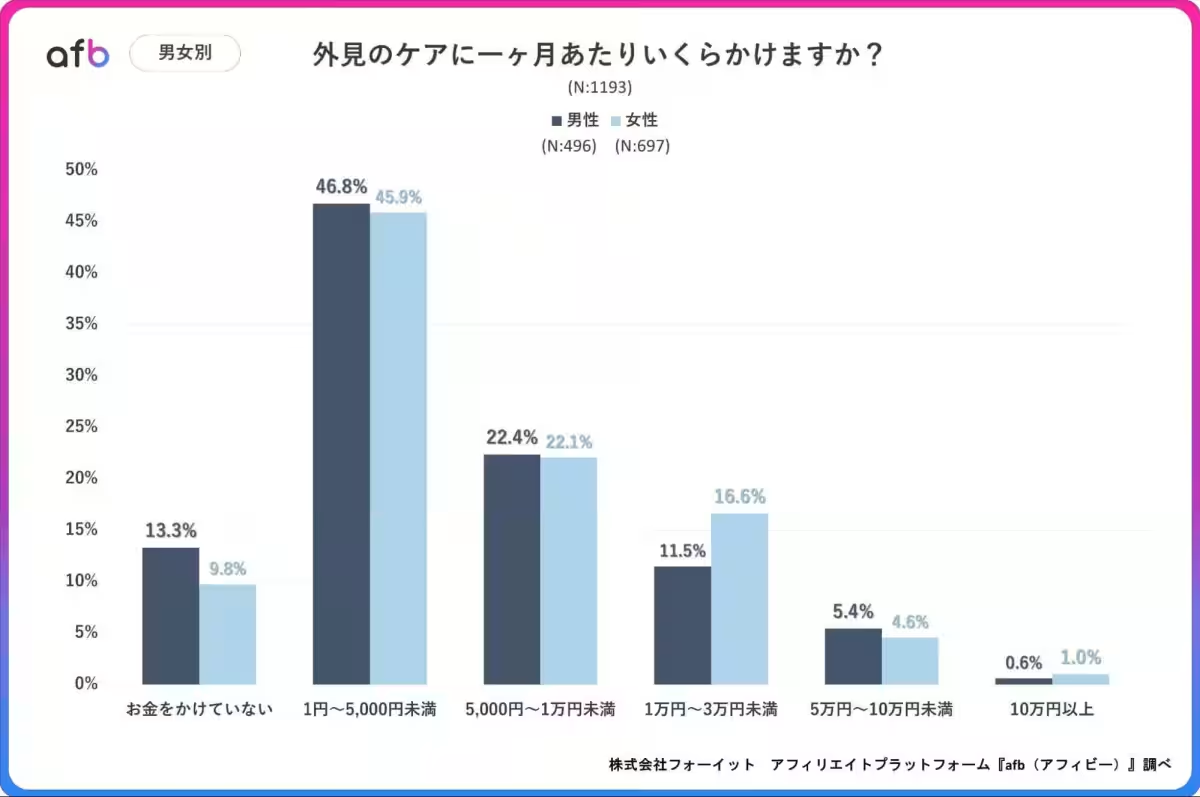
When breaking down the results by gender, the survey highlighted distinct motivations. Among women, 59.1% indicated that their grooming expenses were aimed at boosting self-motivation, a considerably higher percentage compared to men. This suggests that maintaining an attractive appearance is closely linked to self-esteem and emotional well-being among women.
Conversely, men reported a stronger inclination toward wanting to be viewed favorably by the opposite sex. The survey showed that a higher percentage of men were motivated by professional evaluations, indicating that external perceptions are a significant driving force in their grooming expenditures.
Spending Patterns Among Singles vs. Married Individuals
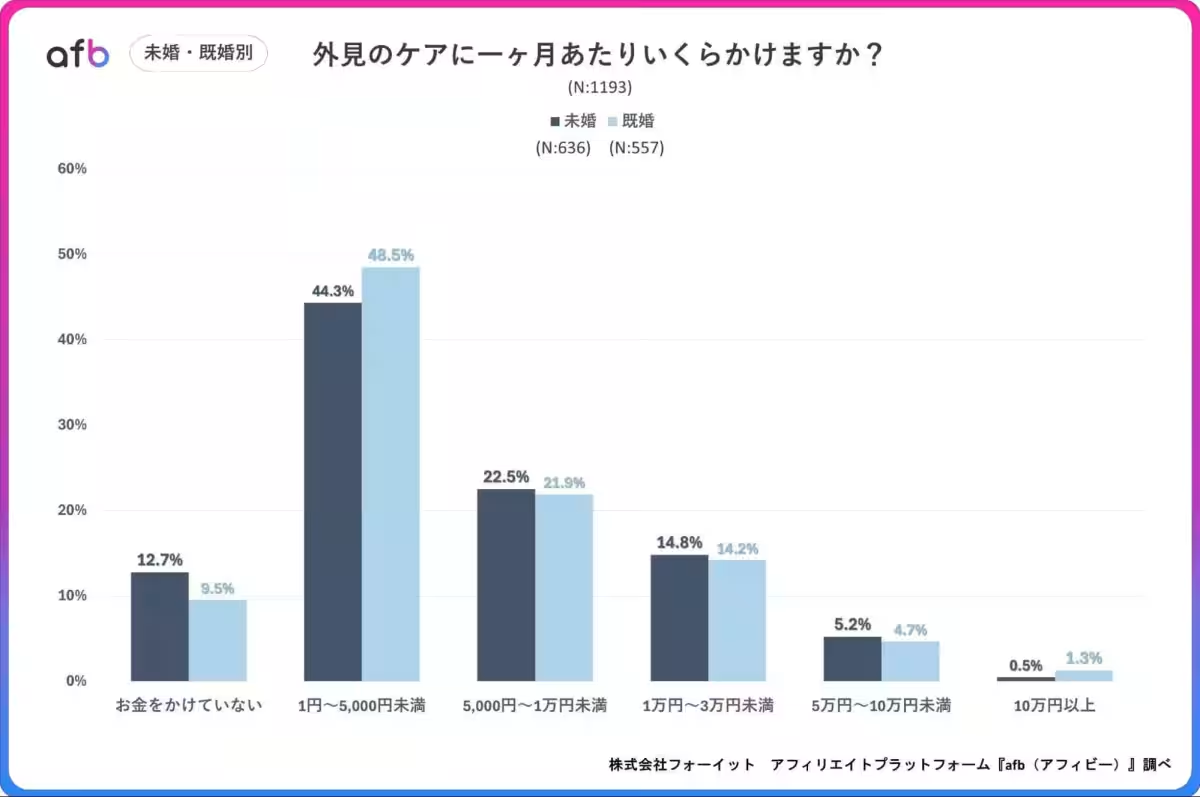
The survey also revealed contrasting spending patterns between single and married respondents. Among singles, 14.8% reported spending between ¥10,000 and ¥30,000, slightly higher than their married counterparts. This group also displayed a more polarized attitude towards grooming expenditures, as 12.7% stated they do no spending at all. Single individuals often prioritize their appearance to enhance social and dating opportunities, which may account for the increased expenditure.
In contrast, the majority of married respondents (48.5%) spent less than ¥5,000, indicating a more conservative approach to grooming expenses. This suggests that, as part of a household, there is an awareness of budgeting that affects individual spending decisions.
The Rise of Aesthetic Medical Procedures and Caution with Spending
The advancements in beauty treatments have made personal grooming a common strategy among younger individuals, broadening its scope beyond mere appearance maintenance to being seen as an investment in oneself. However, with the plethora of high-priced beauty products and services available, it remains crucial for individuals to critically assess their options before making financial commitments.
Conclusion
As revealed by the survey, grooming expenses vary significantly across age, gender, and marital status. While there is a prevalent trend towards spending modestly on grooming, there are distinct motivations aligning with these expenses that highlight the role of personal and societal expectations. As we move forward, understanding these trends will be vital for businesses operating within the personal care and grooming markets.


Topics Consumer Products & Retail)
【About Using Articles】
You can freely use the title and article content by linking to the page where the article is posted.
※ Images cannot be used.
【About Links】
Links are free to use.