



2025 Survey Reveals Disaster Preparedness Among Single Households
Understanding Disaster Preparedness Among Solo Residents
In light of the rising awareness regarding disaster preparedness amidst recent unexpected weather patterns, Able Holdings, based in Minato, Tokyo, has conducted an extensive survey, termed the "Disaster Preparedness Survey for Singles 2025." This study aims to delve into the level of disaster awareness and preparedness among individuals living alone. The survey was commissioned by the detailed research division called "Hitogura Research Institute," affiliated with Able's supportive brand for single dwellers.
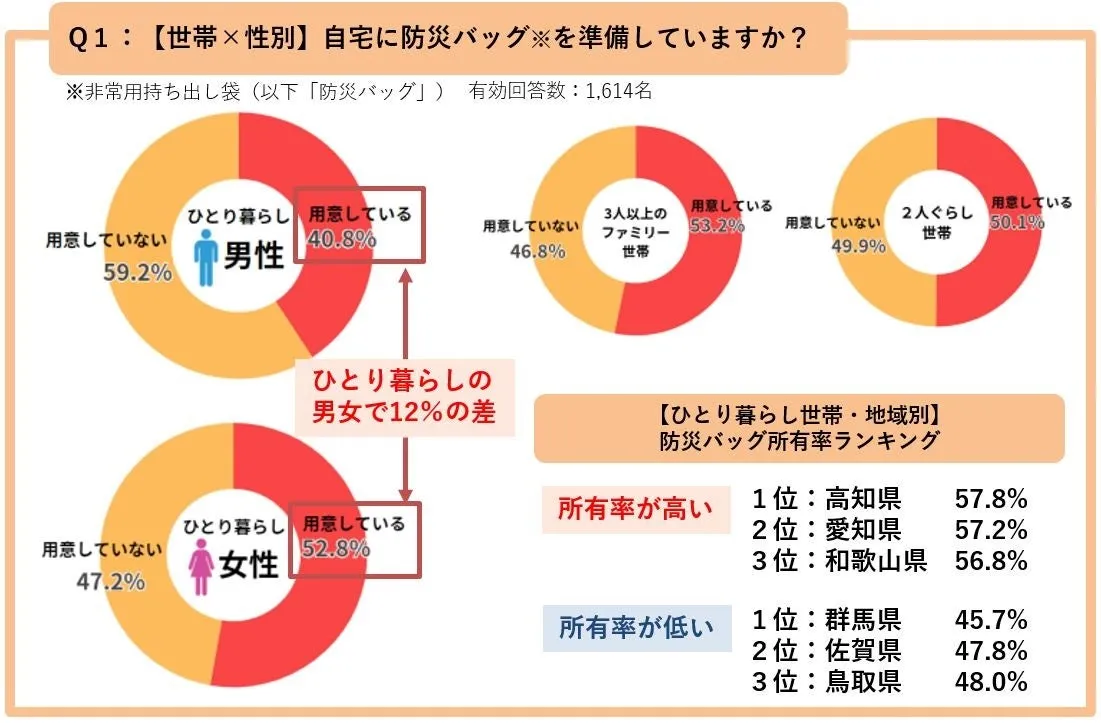
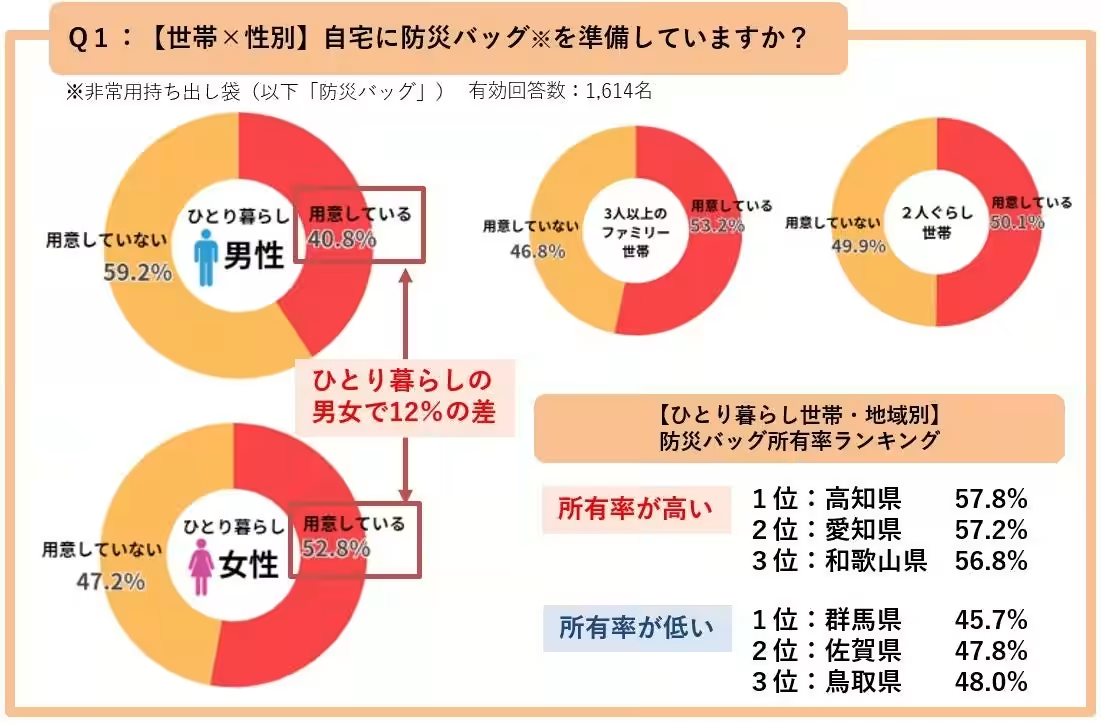
The survey was carried out from August 14 to 17, 2025, gathering 1,614 valid responses from men and women aged 20 to 49 residing in Japan. One of the critical findings was that approximately half of those surveyed have prepared a disaster bag, a crucial step in disaster readiness. Among family households, 53.2% reported having their kits, significantly more than individuals living alone, where preparation rates were lower, particularly among men (40.8%) compared to women (52.8%). This difference indicates a potential gap in awareness or resources between genders.
Geographically, areas such as Kochi, Aichi, and Wakayama demonstrated notably higher ownership rates of disaster kits, at around 57%. In contrast, regions like Gunma, Saga, and Tottori showed lower figures, ranging between 45-48%. The correlation suggests that residents in areas perceived to be at higher risk for seismic activity are likely more vigilant about their preparedness, possibly influenced by their proximity to at-risk zones.
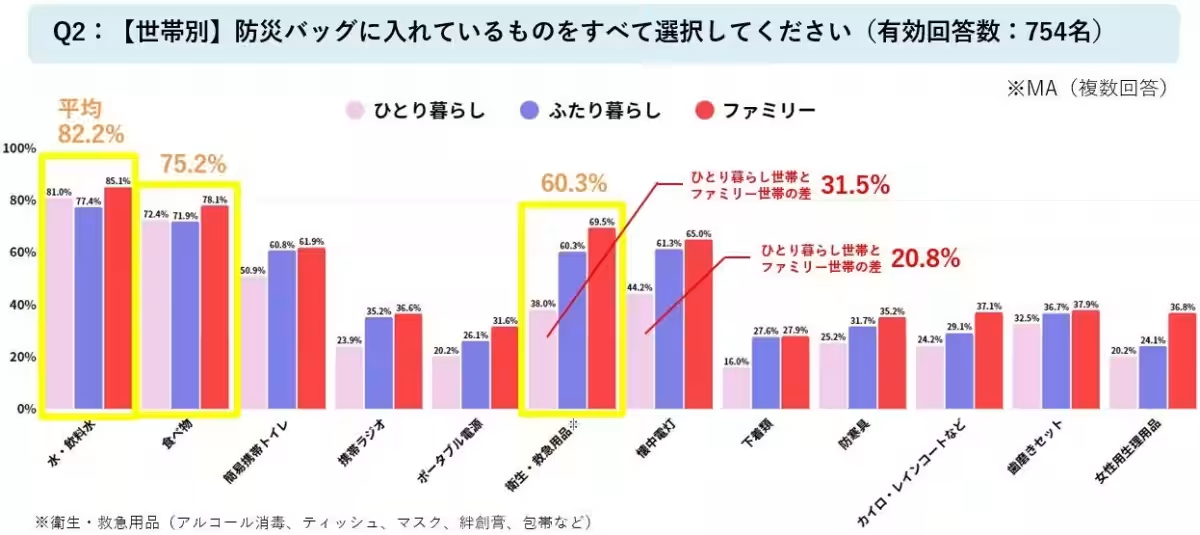
When those who owned disaster bags were queried about their contents, a robust majority included essential items. Among these, 82.2% affirmed having water or beverages, followed by 75.2% with food supplies. Other critical items included hygiene and first-aid supplies (60.3%), flashlights (59.4%), and portable toilets (59.1%). Notably, individuals living alone tended to have fewer diverse items in their kits compared to family arrangements, suggesting a lack of focus on comfort or safety beyond basic survival needs. This insight underlines the importance of holistic preparedness, emphasizing that during a disaster, sanitary items and light sources are equally vital for survival—particularly for individuals without immediate social support.
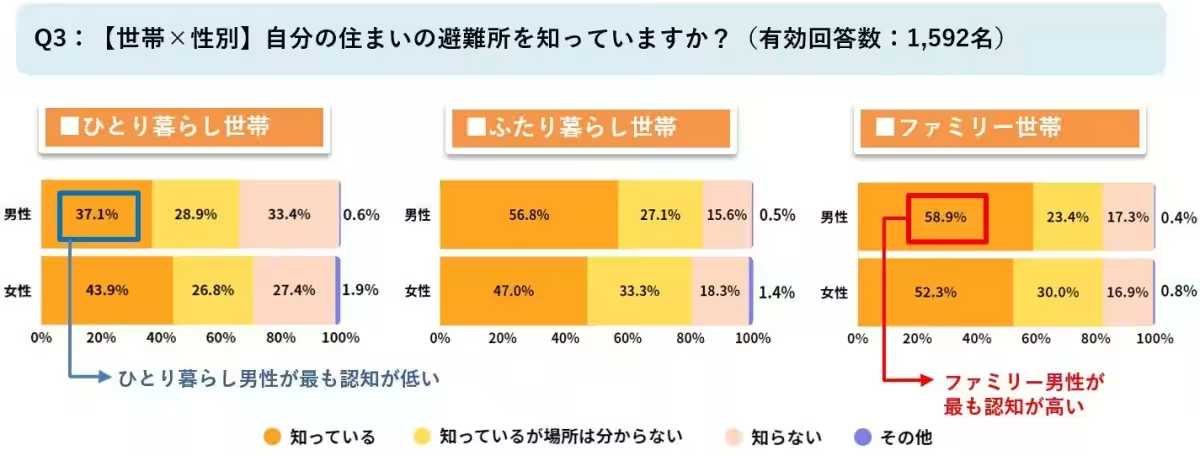
In terms of awareness about evacuation centers, family units surpassed single households in knowledge, with fewer than half of solo residents aware of these locations. Alarmingly, the lack of knowledge was most pronounced among single men, with only 37.1% knowing evacuation sites. Moreover, a considerable number of all respondents (approximately 30%) acknowledged knowing about the centers yet not their exact locations, presenting a significant risk if smartphones or mapping applications are unavailable during emergencies. Therefore, individuals are encouraged to familiarize themselves with routes to their nearest evacuation points in advance, ensuring they can navigate successfully during a disaster.
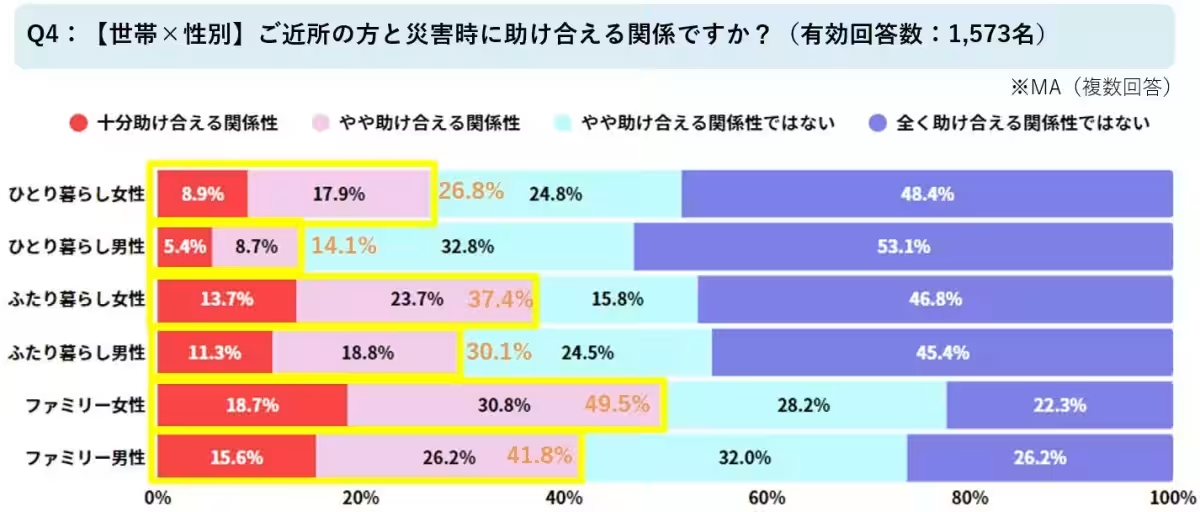
Furthermore, there is a notable distinction in the social connectivity among neighborhoods based on household types. Female respondents from family households indicated a stronger sense of community support, with nearly half (49.5%) feeling they could rely on neighbors. Conversely, only 26.8% of women living alone felt similarly, and a mere 14.1% of men living solo reported having support systems, emphasizing a broader trend towards isolated living that could compromise disaster recovery efforts.
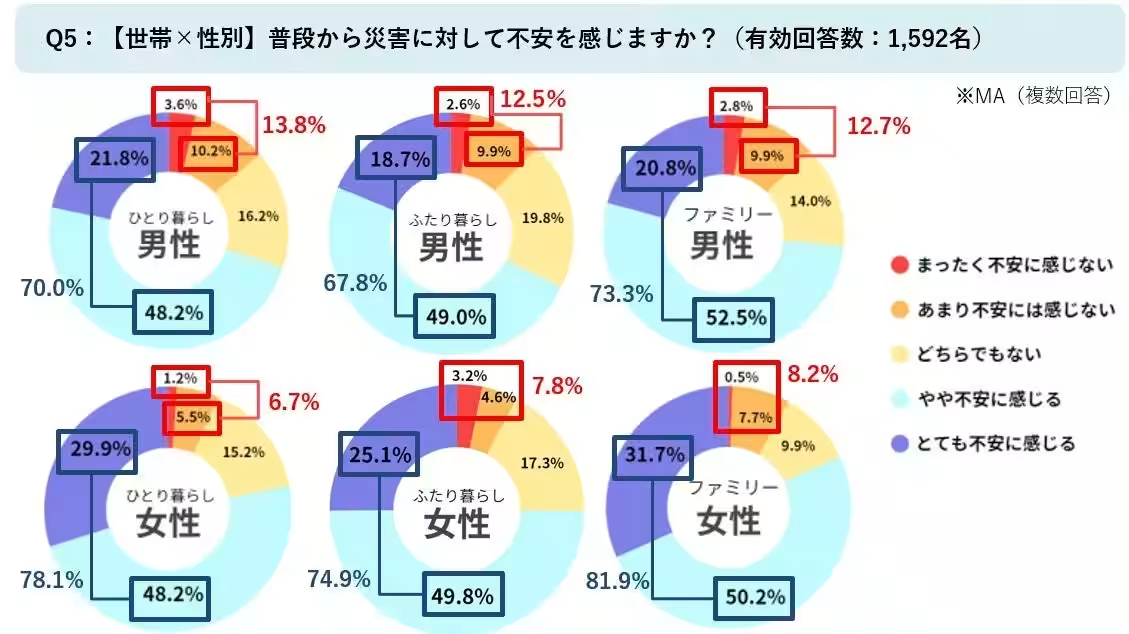
When examining anxiety levels related to potential disasters, about 20-30% of participants expressed significant concern, and including those who felt somewhat anxious, the figure rose to nearly 70%. Across all demographics, women more prominently reported feelings of anxiety, peaking at 81.9% among family women. Conversely, the least anxious group were men living alone, where 13.8% felt no concern at all, contrasting sharply with 6.7% of single women—revealing deeper disparities in how genders perceive and cope with risk.
Overall, the survey indicates an urgent need for enhanced community outreach and educational efforts to bridge the preparedness gap for those living alone. The data suggests that while awareness and readiness are improving—likely catalyzed by increased natural disasters—the unique challenges faced by solo residents remain overlooked. Encouragingly, there’s a proactive move from Able Holdings to launch a suite of disaster preparedness products specifically catering to rental dwelling occupants, providing essential items for long-term storage and safety at home.
As the 2025 release of Essential Preparedness Products approaches, with items like food and hygiene kits available for immediate purchase, it is hoped that this initiative will assist in strengthening the disaster readiness of individuals living alone. For further insights and detailed survey findings, readers can visit the Hitogura Research Institute website and stay informed on how to enhance their own preparedness.
For more detailed insights into the survey results, check the Hitogura Research Institute's website here.
Announcement for Disaster Preparedness Products
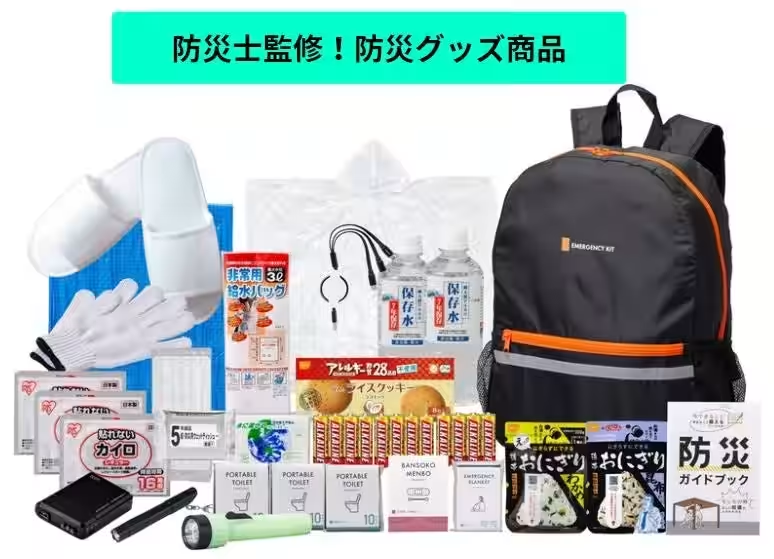
Starting September 2, 2025, Able Holdings will unveil original disaster supplies, including long-term storage options for water, food, hygiene, and emergency essentials available for purchase, aimed to ensure peace of mind and comfort for residents living alone. These products, designed for optimal safety, will be shipped beginning in October 2025.
Topics Policy & Public Interest)
【About Using Articles】
You can freely use the title and article content by linking to the page where the article is posted.
※ Images cannot be used.
【About Links】
Links are free to use.