



Waseda University Collaborates with Karatsu High School for Upcycling PET Bottle Caps into Wearable Accessories
Recycling PET Bottle Caps with Creativity
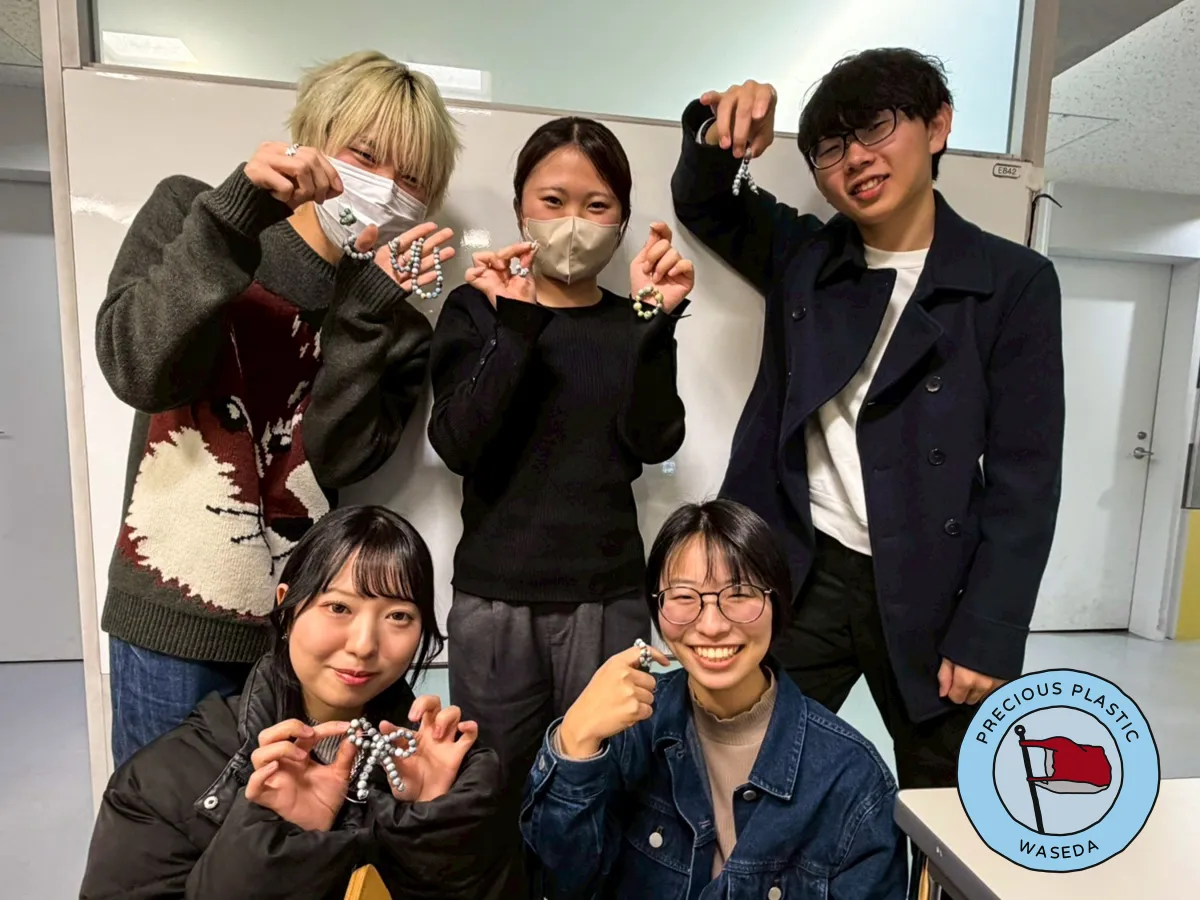
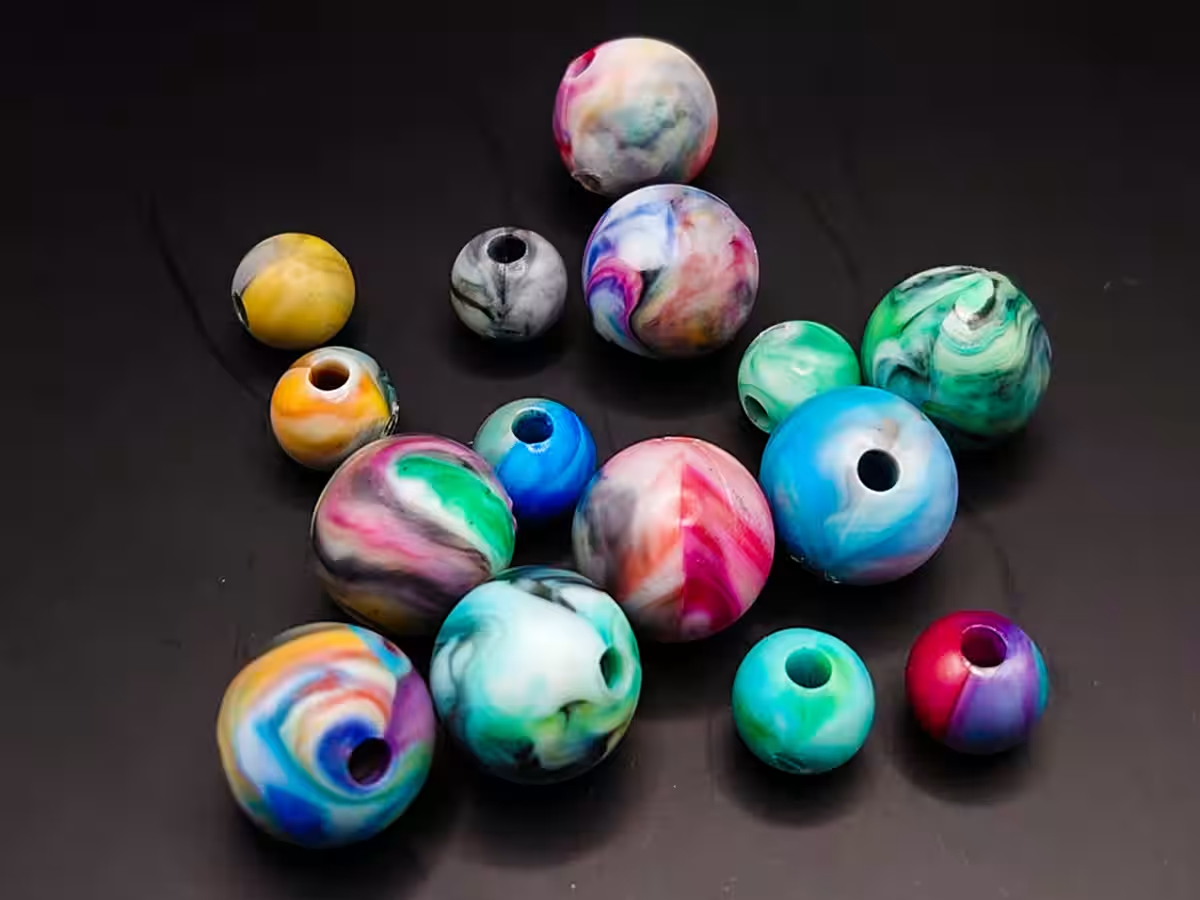
In an inspiring initiative, Waseda University has teamed up with Karatsu Minami High School's 'Rainbow Pine Grove Project Team' to promote sustainability through upcycling. Under the auspices of the Karatsu City 'Carbon Neutral Challenge,' students are dedicating their efforts to transform collected PET bottle caps into vibrant beaded accessories.
The Collaboration and Educational Goals
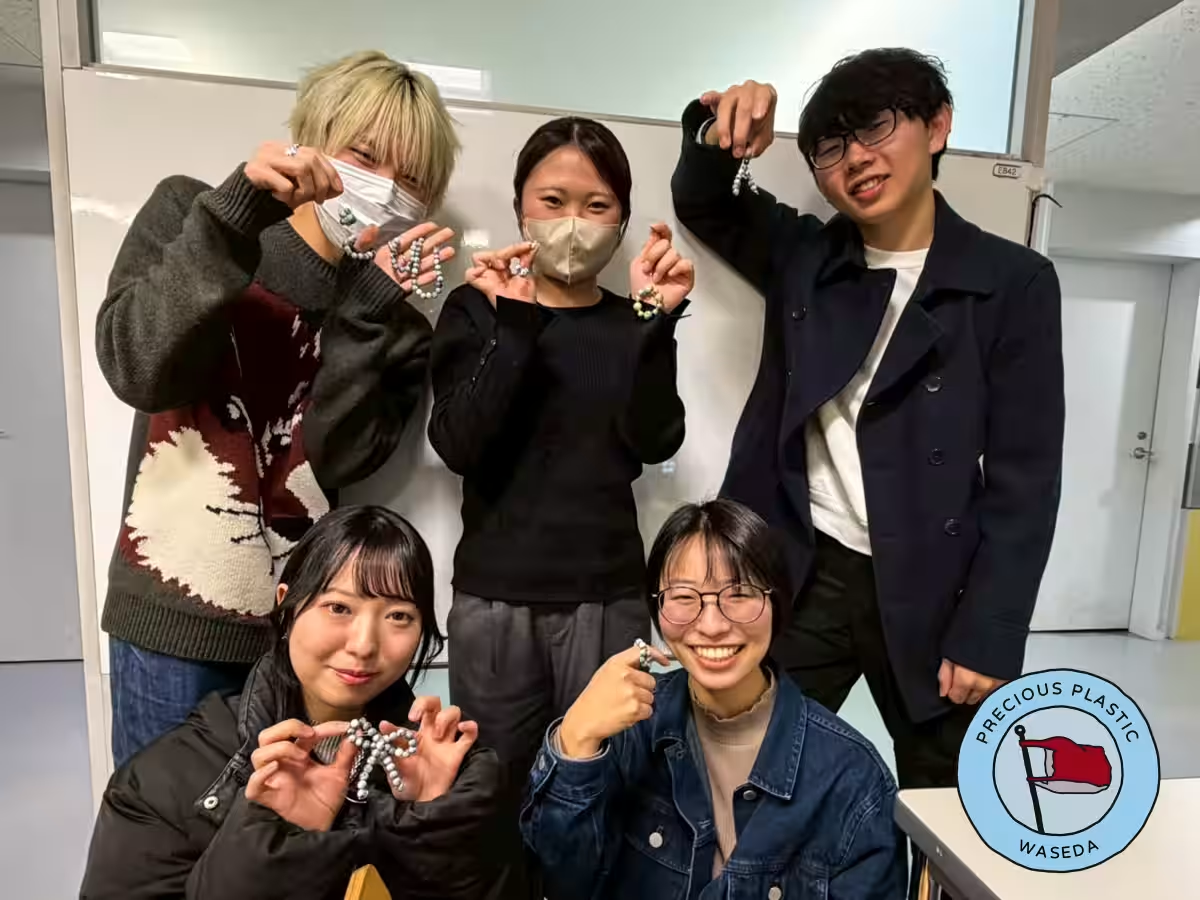
This partnership involves the student group, Precious Plastic Waseda, which introduces the concept of Life Cycle Assessment (LCA) to visualize environmental impacts. By creating a hands-on learning environment, they encourage younger generations to engage with the concepts of sustainability and recycling.
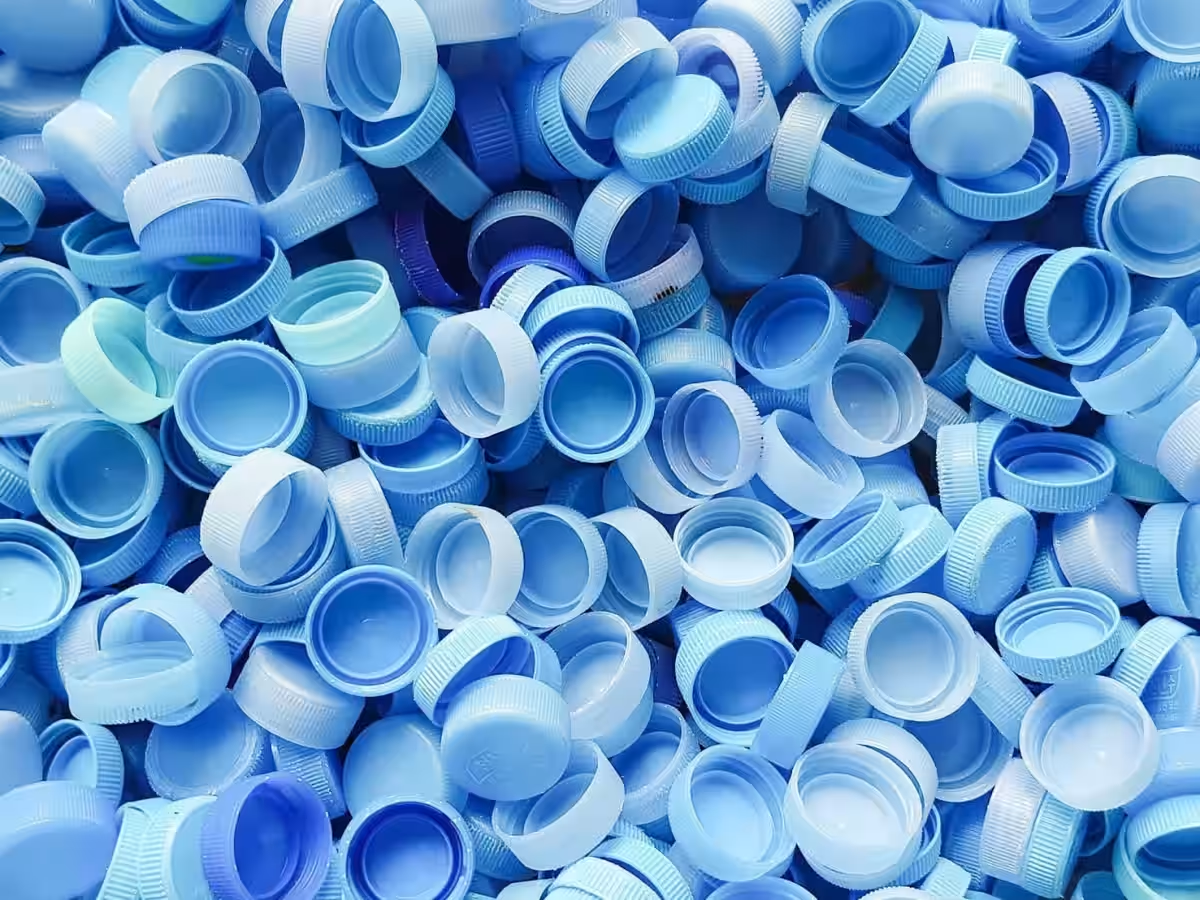
A substantial amount of materials has been collected; approximately 840 kg of PET bottle caps (about 33,600 individual caps) were gathered from various locations in Karatsu, including local elementary schools and community centers. Through this project, students are involved from the planning stages to production, fostering a new perspective on waste as a resource rather than just garbage.
Key Features of the Initiative
1. Promoting Sustainable Fashion: The project reframes upcycled beaded accessories into fashionable items that can easily be integrated into daily life. It emphasizes the idea that individual choices can lead to societal transformation.
2. Quantifying Environmental Value: Utilizing formulas from Waseda University's Precious Plastic team, it has been estimated that this effort will result in a reduction of approximately 1,834 kg of CO2 emissions, showcasing the tangible benefits of recycling initiatives.
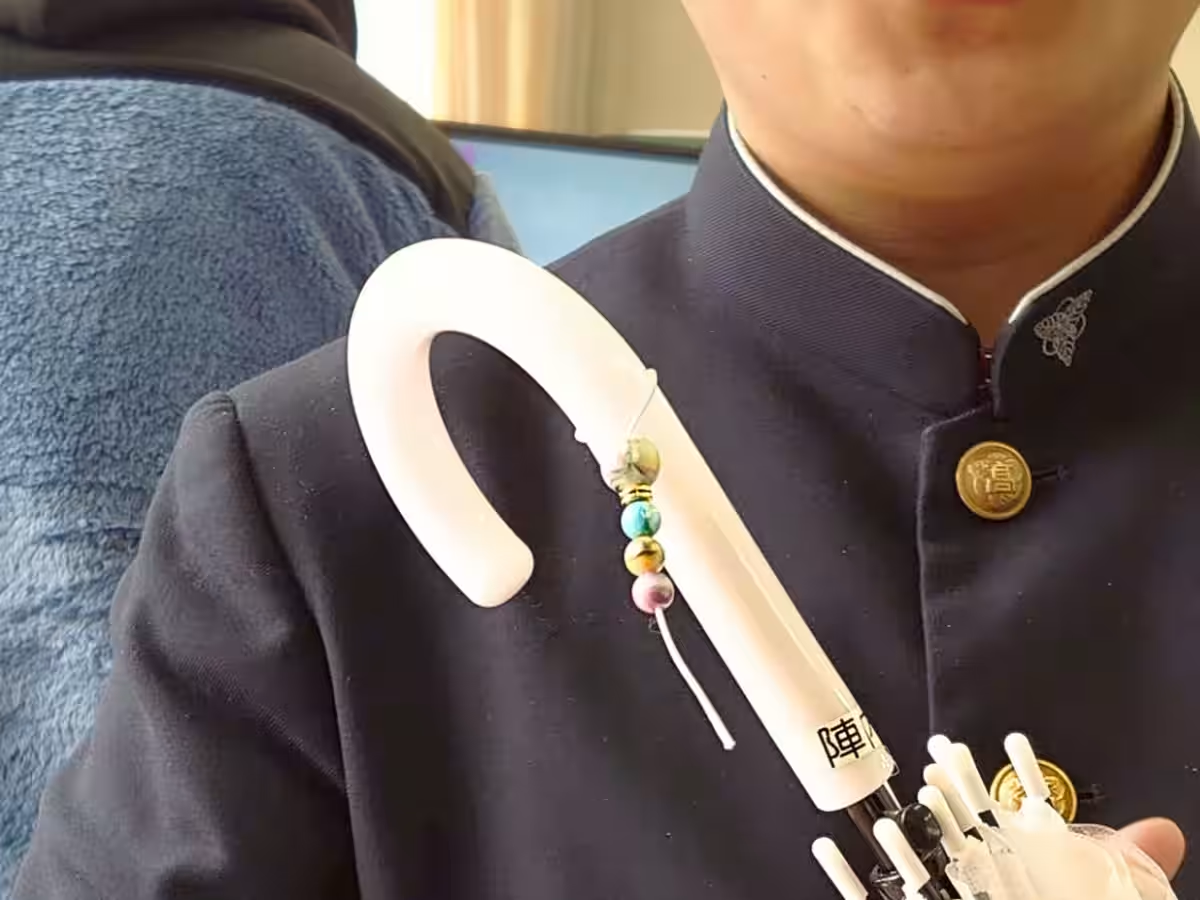
3. Innovative Umbrella Marker: In Japan, where around 120 to 130 million umbrellas are consumed annually—60% of which are disposable—this project introduces an innovative 'umbrella marker.' Designed to promote reuse, this proposal aims to encourage a shift towards smarter consumption habits. It has been calculated that only using an umbrella when necessary can reduce CO2 emissions by about 692 grams per use.
Workshop Details
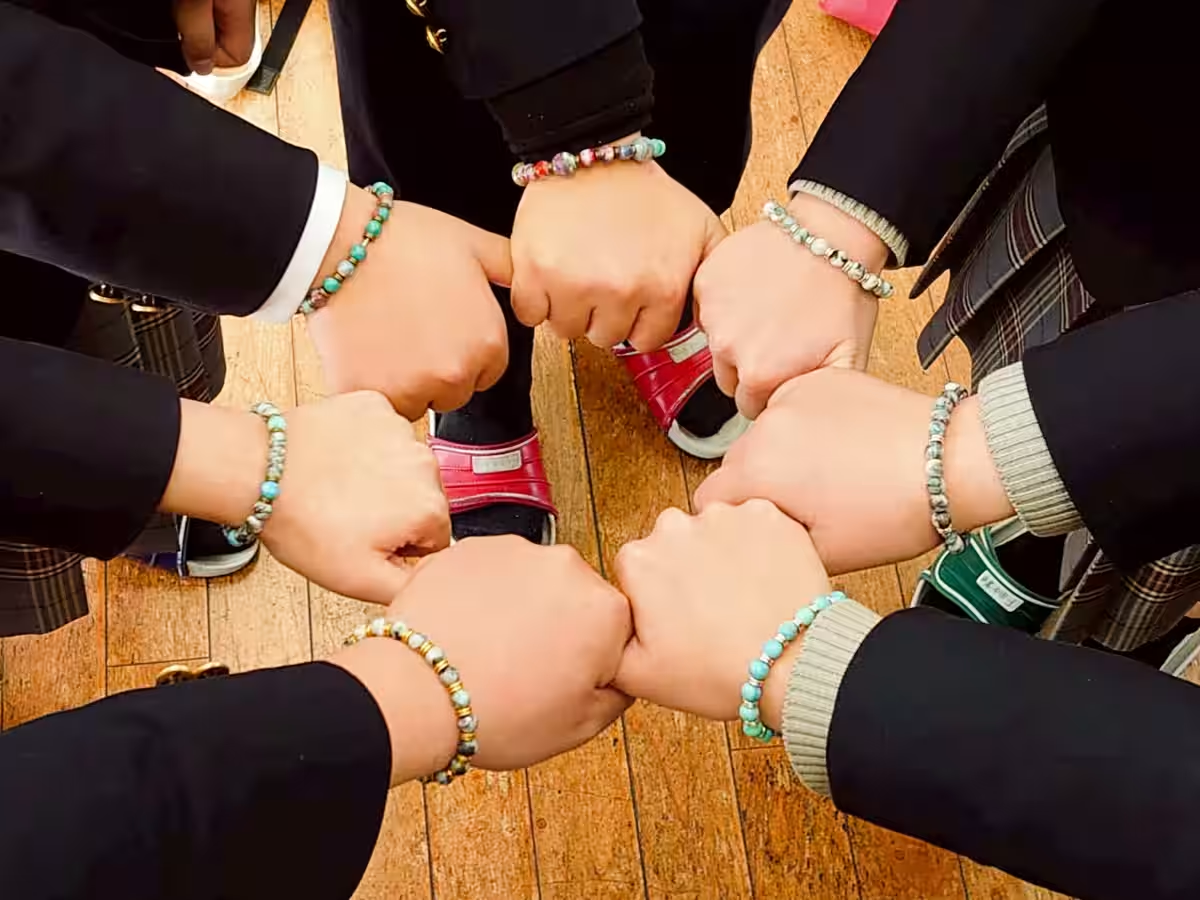
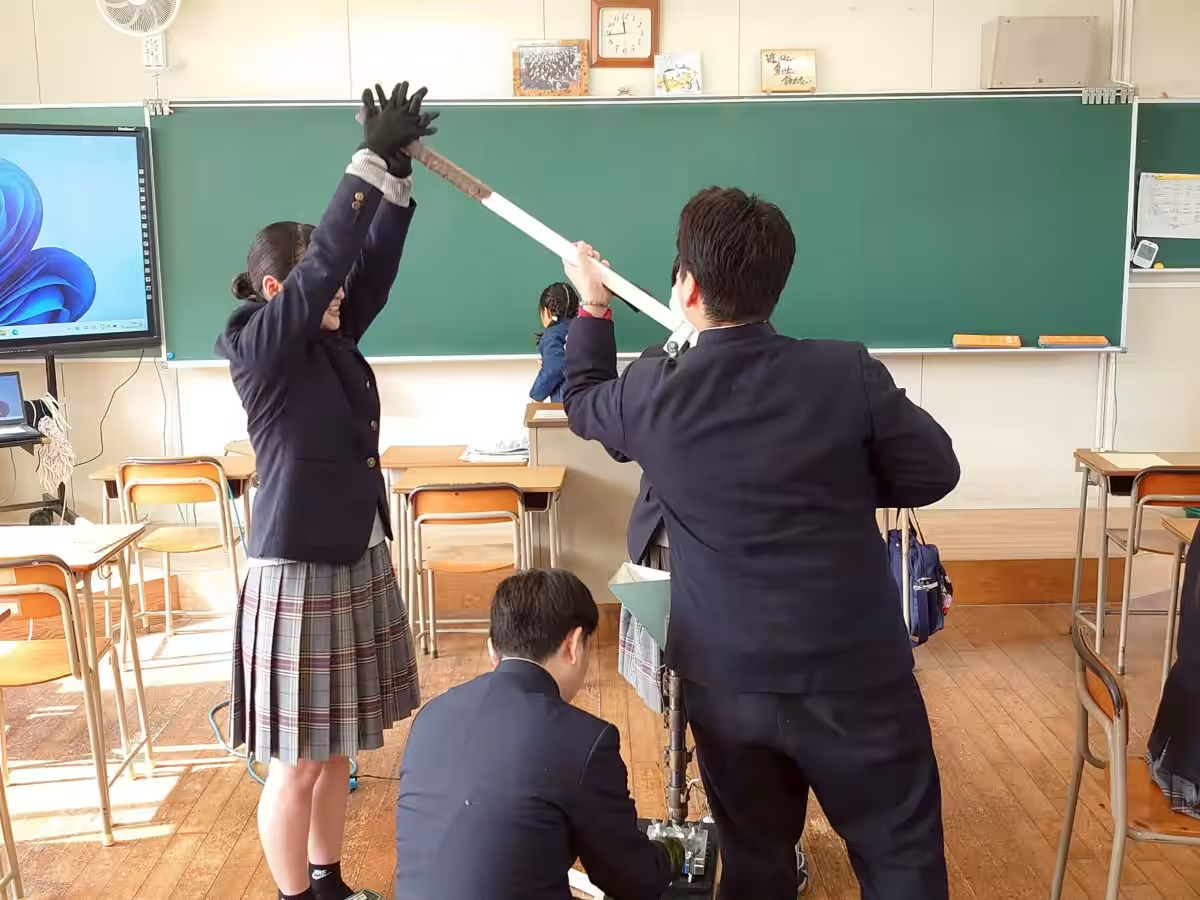
The workshop involved participants from Karatsu Minami High School (first- and second-year students, as well as third-year students post-career decision) and was in collaboration with Waseda University. The activities revolved around transforming collected caps into practical items such as beaded bracelets, hand straps, and umbrella markers, facilitating a creative approach to sustainability.
Future Endeavors
This project is set to serve as a model for collaboration between schools, universities, and local communities, aiming to integrate the entire process from collection to re-manufacturing and promotion. Precious Plastic Waseda will continue this initiative as part of the Carbon Neutral Challenge, further linking it with regional recycling efforts and environmental education. The vision is to expand the loop of sustainability and create a lasting impact within the community.
An online shop featuring products from the project can be accessed at: Precious Plastic Japan.
Background of LCA
Life Cycle Assessment (LCA) is a method used to evaluate the environmental impact of products and services throughout their entire lifecycle—from raw material extraction to manufacturing, transportation, usage, and disposal. For more information, visit: LCA Information.
About the Collaborative Organizations
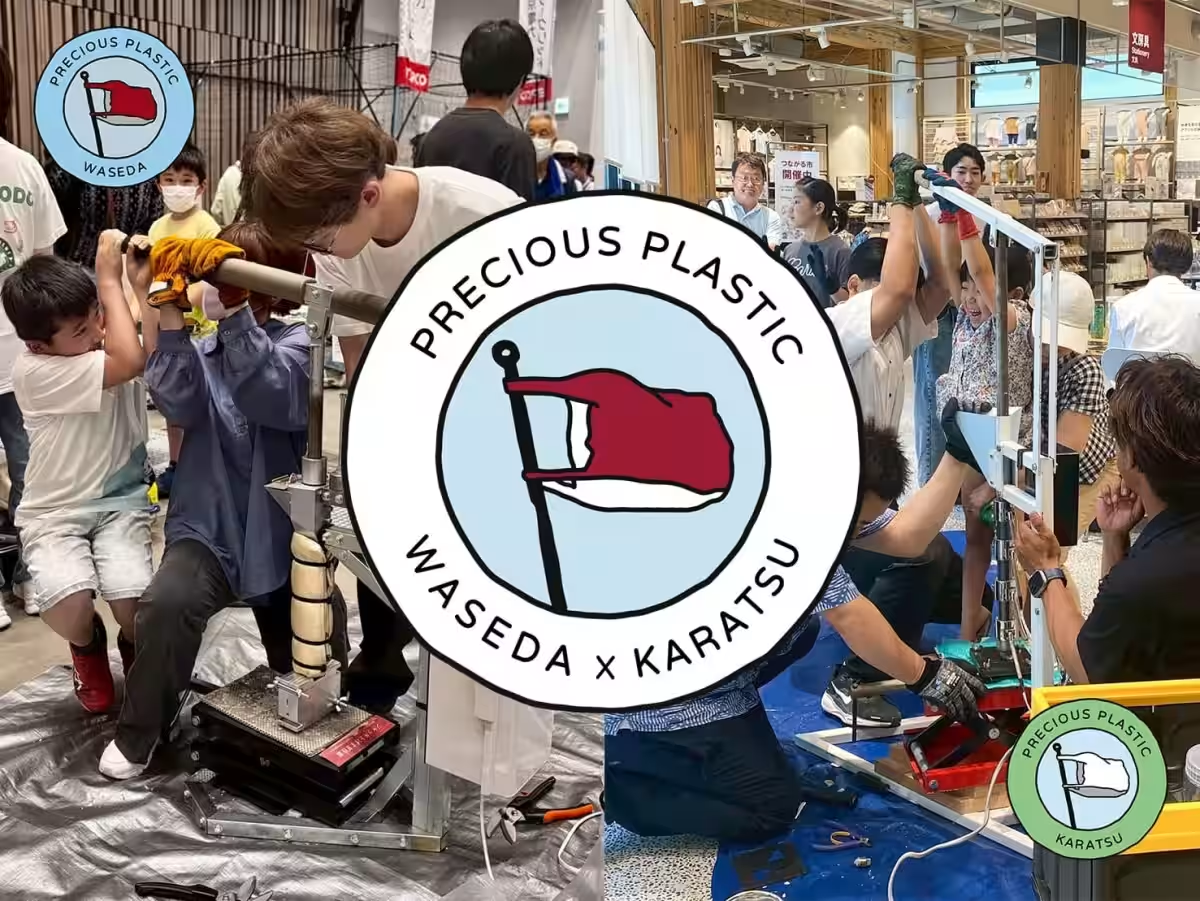
Precious Plastic Waseda (Environmental Rodriguez): Established in October 2024, this student project at Waseda University leverages the techniques of the open-source initiative 'Precious Plastic' originating from the Netherlands to turn waste plastics like caps and contact lens cases into valuable products. The goal is to make environmental activities engaging and accessible, fostering natural interactions with pressing environmental issues through workshops and product development.
Additionally, they incorporate LCA to quantitatively assess environmental burdens from collection to production, aiming to build a scientifically supported, sustainable recycling model. Precious Plastic Waseda is expanding its network to engage with communities and businesses as they strive to nurture the next generation's commitment to circular economies.
Karatsu Farm & Food NPO: Based in Karatsu, Saga Prefecture, this organization works towards bridging the gap between forests, oceans, and urban areas through environmental conservation and educational endeavors. They are involved in agricultural restoration, environmental education in schools, and repurposing marine plastics as resources, working to foster a more sustainable future for both the community and the next generation.

Topics People & Culture)


【About Using Articles】
You can freely use the title and article content by linking to the page where the article is posted.
※ Images cannot be used.
【About Links】
Links are free to use.