



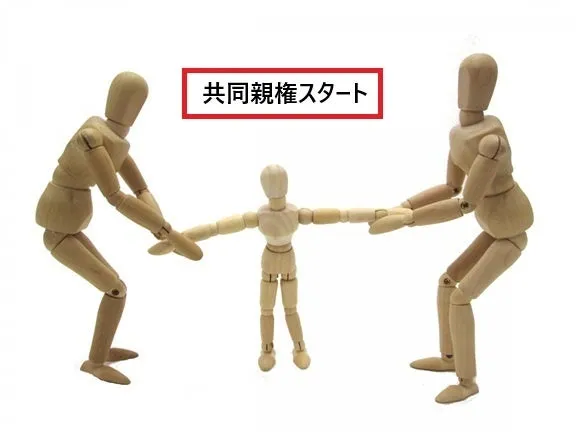
The Rise of Joint Custody: Changing Dynamics in Parental Rights Post-Divorce
A New Era of Joint Custody: Transformations in Family Dynamics
On April 1, 2026, Japan introduced a groundbreaking system of joint custody that is set to reshape parental rights during divorces. This significant policy change is expected to not only reduce disputes between parents over custody but also influence the number of inquiries received by investigation agencies, particularly from men.
Background on Joint Custody in Japan
For years, many men felt they had little chance of gaining custody of their children after a divorce, often leading them to abandon the fight altogether. The societal expectation placed on mothers as primary caregivers meant men were largely resigned to the idea that they would not secure parental rights. However, since the amendment regarding joint custody emerged in May 2024, there has been a notable shift in attitudes—and behaviors—among men seeking assistance.
Increase in Male Inquiry Rates
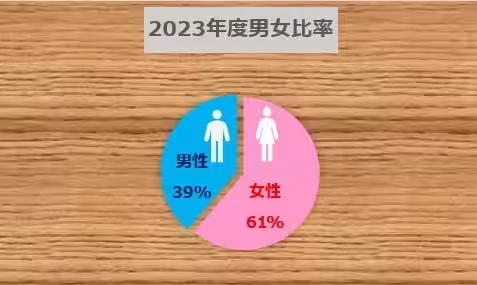
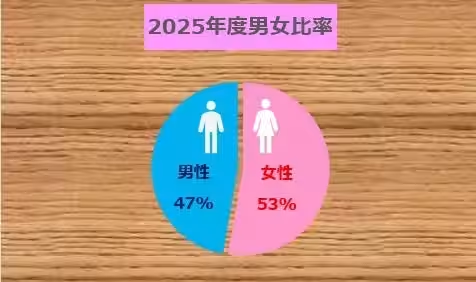
Data from 2023 indicated that of the inquiries received by investigation agencies, the gender ratio was 60% women to 40% men. Fast forward to 2025, the landscape started to change dramatically, with male inquiries doubling to nearly 50%. This increase of approximately 12% over two years underscores a remarkable transformation reflective of the new joint custody options available.
A common narrative emerging is that many men previously reluctant to pursue investigation due to fears of disbelief or reprisal, especially pertaining to child access, have begun to set aside these anxieties. They have recognized the potential of joint custody as a safety net, emboldening them to gather evidence regarding infidelity with the goal of claiming their parental rights more assertively.
Case Studies: Voices of Change
To illustrate this trend further, we explore a couple of client cases that reflect the changing landscape:
Case 1: Mr. A, A 34-year-Old Public Servant
Having been married for a decade and noticing his wife's suspicious behavior, Mr. A suspected infidelity. With three children, he feared that confronting his wife could jeopardize his relationship with them. After engaging an investigation firm, they confirmed that his wife was indeed having an affair with an old high school classmate, leading Mr. A to decide on divorce but preparing to wait until joint custody became an option. He stated, "I will not give up on my children; I need to know my rights first!" This determination reflects the security brought on by joint custody legislation.
Case 2: Mr. Y, A 46-Year-Old Office Worker
In a similar situation, after 14 years of marriage, Mr. Y suspected his wife of cheating after noticing her increasing tardiness and changes in behavior. Confident in securing parental rights, he pursued an investigation and confirmed her affair. Mr. Y firmly expressed his intent with, "I want my children, and I’m prepared to claim my rights through joint custody, despite my wife's infidelity." This resolve to maintain fatherly involvement showcases a significant mindset shift among men.
The Psychological Impact on Children
Previously, the sole custody system could often lead to intense conflicts during divorces, affecting children's mental health negatively. With this new joint custody framework, the hope is to create a more stable environment for children amid family disputes. This shift advocates not only for the rights of parents but also prioritizes the mental well-being of children caught in the chaos of divorce.
As we carry forward into this new era, the expectation is for fewer children to bear the burden of parental strife while encouraging parents to collaborate on child-rearing, irrespective of their situations. With the joint custody option available, a fresh beginning in family dynamics is in store for many Japanese families.
Conclusion
As the landscape of parental rights continues to evolve, the change brought about by joint custody presents a promising path forward for both men and women navigating divorce. The increasing requests for investigations and the openness among fathers to pursue familial rights to reduce the impact of divorce on children serves as a testament to progressive social changes. This dialogue and adaptation will pave the way for a healthier family environment moving forward.

Topics People & Culture)

【About Using Articles】
You can freely use the title and article content by linking to the page where the article is posted.
※ Images cannot be used.
【About Links】
Links are free to use.