



The Evolving Perceptions of Infidelity in the Digital Age: A Survey of Married Couples
The Evolving Perceptions of Infidelity in the Digital Age: Insights from a Comprehensive Survey
The rise of dating apps and social media platforms has transformed the way people connect and communicate. A survey conducted by PIO Detective Agency, aimed at married individuals aged 30 to 60, sought to understand how the proliferation of such digital tools affects perceptions of infidelity. With over 1,000 participants, the findings yield revealing insights into the blurred lines of fidelity in our interconnected world.
Survey Overview
The survey was carried out from April 23 to April 24, 2026, employing an internet-based method orchestrated by PRIZMA. It specifically targeted individuals who identified as married during their responses to examine the concept of infidelity in relation to dating apps and social media.
Key Findings
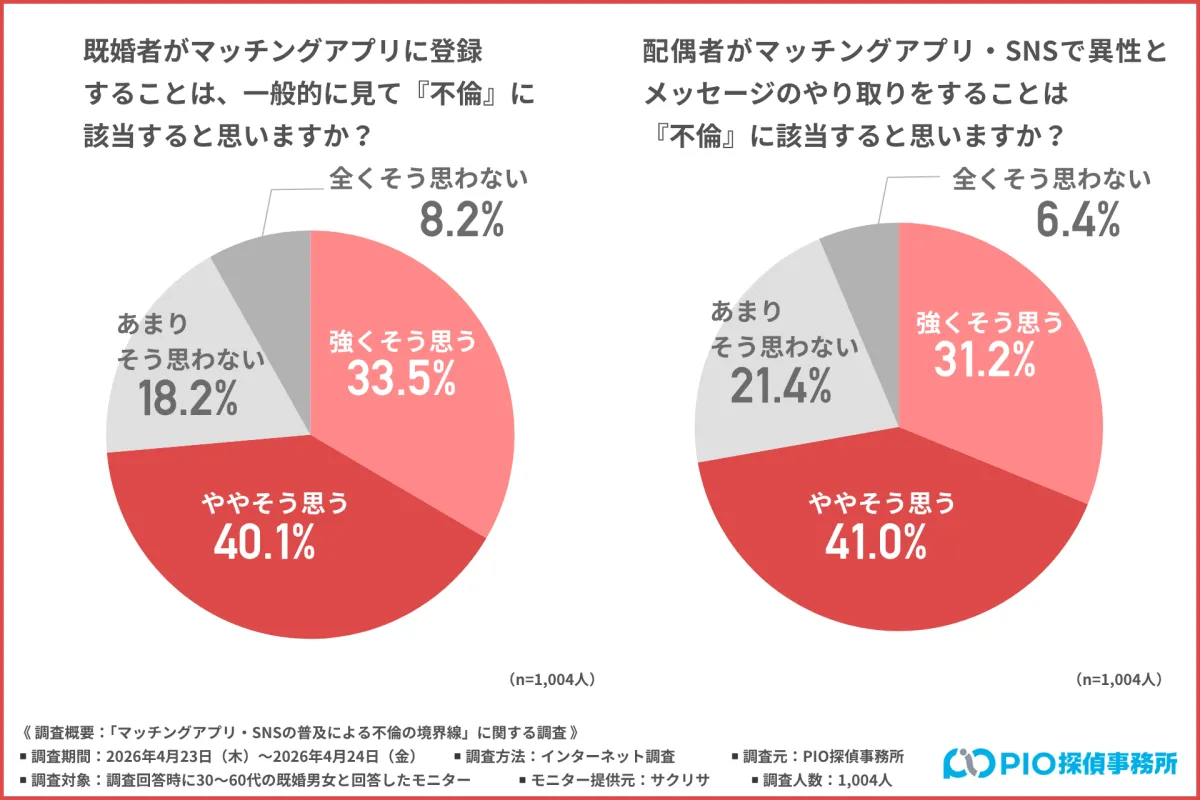
One of the most striking revelations from the study is that more than 70% of respondents believe that registering on a dating app constitutes infidelity. Specifically, 33.5% answered 'strongly agree,' while 40.1% chose 'somewhat agree.' This suggests a strong consensus that simply engaging with these platforms indicates an intention to seek relationships outside of marriage.
Additionally, when asked whether messaging someone of the opposite sex on these platforms amounts to infidelity, the results reflected similar sentiments—over 70% responded affirmatively. This indicates that for many individuals, the nature of their partner's digital interactions can be perceived as threatening to marital trust, with emotional infidelity being closely scrutinized even in the absence of physical relationships.
Recognizing Infidelity: Concerning Trends
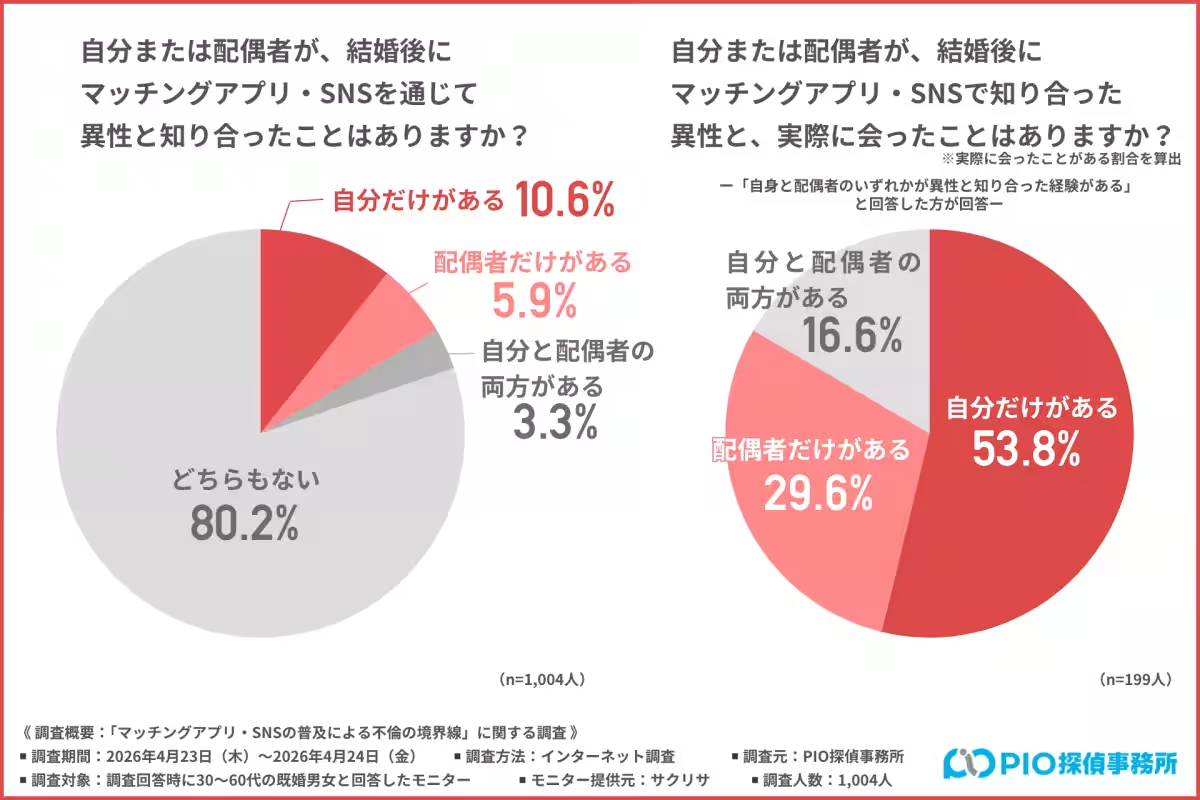
Interestingly, despite the apprehensions highlighted, when respondents were asked if they or their spouse had met someone of the opposite sex through these digital platforms after marriage, 80.2% claimed there was no such experience. However, nearly 20% acknowledged having engaged in these connections, revealing that while many recognize the potential pitfalls, some still venture into these digital interactions.
Furthermore, among respondents who have met someone online, over half of them admitted to having subsequently met in person, suggesting that digital interactions often traverse into the physical space, thus heightening concerns regarding fidelity.
Triggering Doubts: Signs of Infidelity
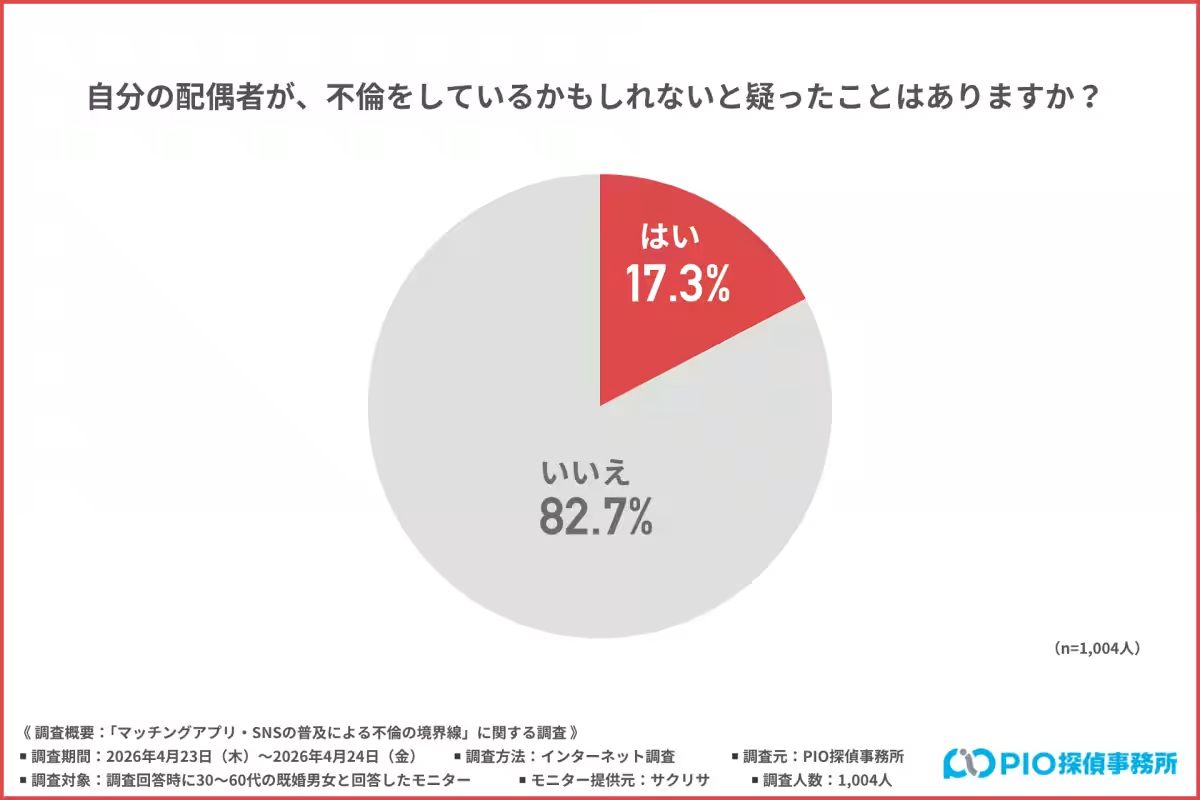
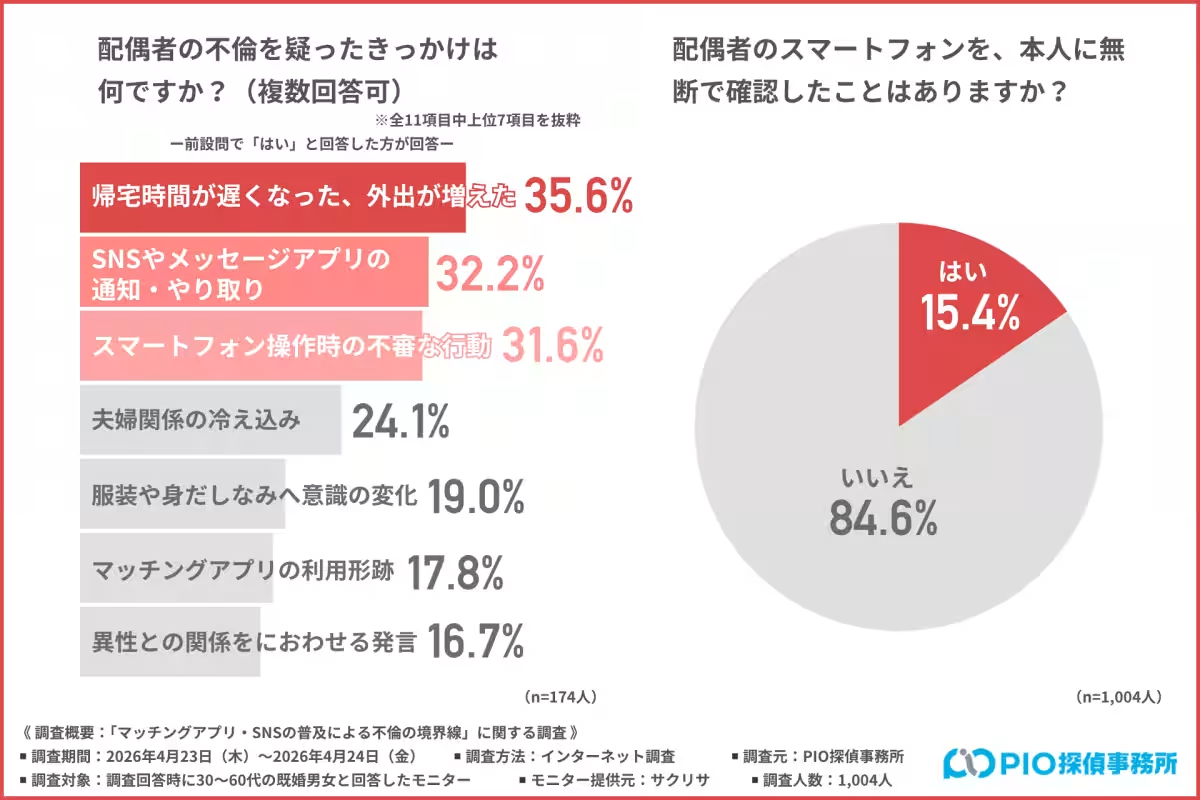
With digital exchanges often escalating to physical meetings, it becomes clear why many married individuals experience doubt regarding their partner’s fidelity. Approximately 17.3% of respondents admitted to having suspected their spouse of infidelity at some point. Common triggers for this suspicion include increased late nights and outings by their partners (35.6%), notifications from social media or messaging apps (32.2%), and suspicious behaviors related to smartphone use (31.6%).
The increased use of smartphones in relationships has now become a modern-day trigger for infidelity suspicions. With the majority of people tied to their devices, a partner's sudden secrecy or obsessive behavior with their phone can be seen as a sign of trouble, often producing intense feelings of unease and suspicion.
Taking Action: Seeking Evidence
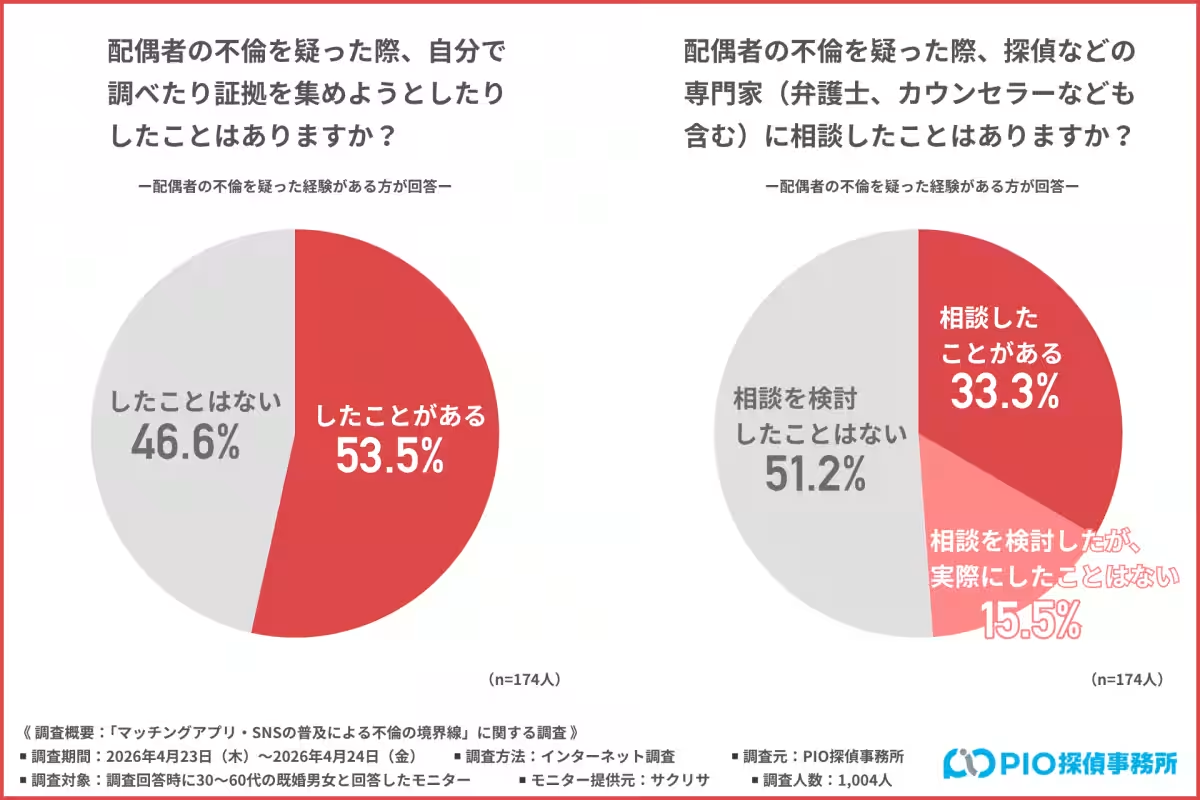
When faced with these suspicions, many individuals have taken matters into their own hands. Over 50% of those who suspected infidelity reported having searched for evidence themselves. However, a significant portion—almost half—indicated they had not done any fact-finding, likely due to fear of the truth, uncertainty on how to proceed, or a desire to avoid escalating tensions.
Interestingly, the survey indicated that a little over 33% had consulted professionals, such as detectives or counselors. However, 51.2% had never considered seeking expert advice. This highlights a critical gap where individuals often hesitate to seek help despite their suspicions, primarily due to perceived costs or a reluctance to involve outsiders in their personal issues.
Economic Barriers and Psychological Hurdles
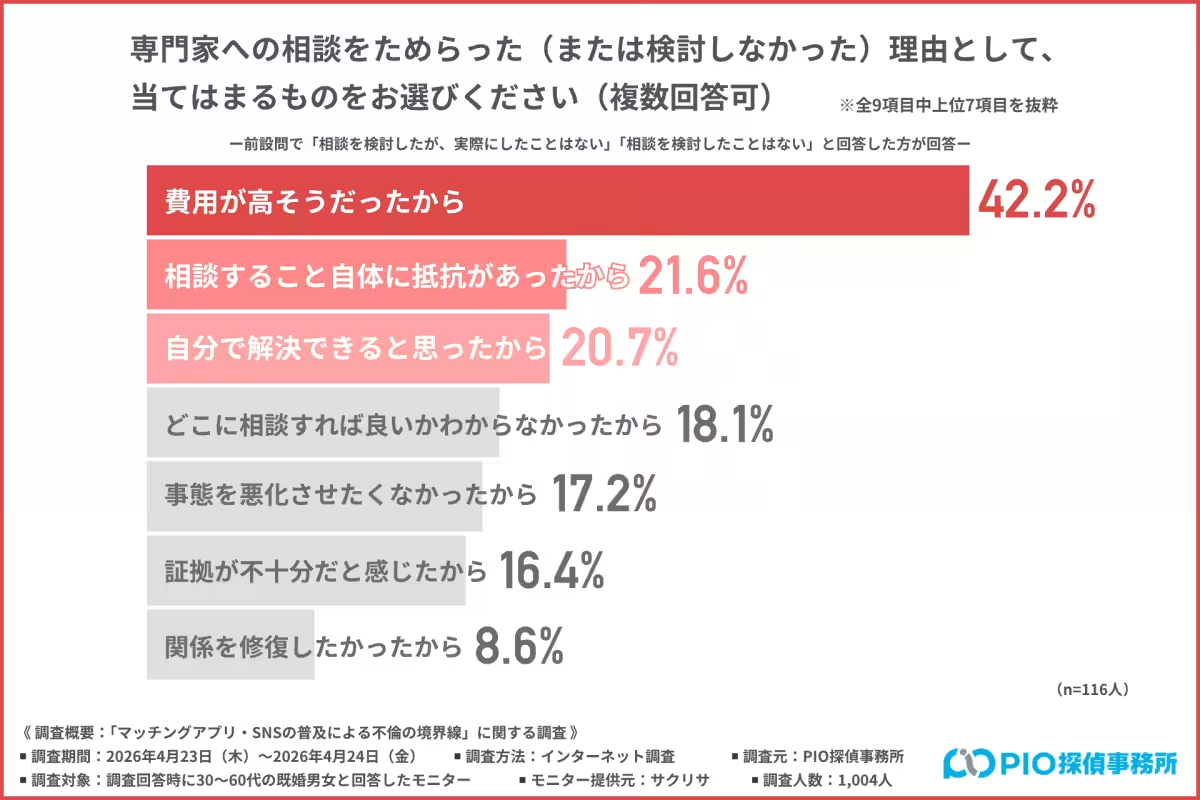
Cost is a significant deterrent, with 42.2% expressing worries about potential expenses associated with hiring professionals. Other factors contributing to people avoiding consulting experts include discomfort with the notion of discussing personal matters with outsiders, and the assumption that they could handle it themselves.
As a consequence, many individuals find themselves spiraling deeper into their doubts and anxieties, often only seeking help when their situation becomes dire.
Conclusion
The results of this survey underscore the unique challenges faced by couples in the digital age concerning trust and fidelity. While a significant majority views online interactions with the opposite sex as infidelity, behaviors reflecting increased digital communication can stir doubts and suspicions that disrupt relationships. Moreover, the financial and emotional barriers to seeking professional help can prevent individuals from addressing their concerns effectively.
In a time when digital connections can easily transition into real-life encounters, open communication between partners is critical. By fostering transparency, couples can mitigate misunderstandings and reinforce the foundation of trust that is essential for any successful marriage.
For those grappling with concerns over infidelity, consulting a reliable investigative service can help bring clarity and peace of mind. PIO Detective Agency, with over 53 years of experience, stands ready to assist those in need, providing discreet services tailored to uncover the truth.
For more information or to schedule a free consultation, visit PIO Detective Agency.

Topics People & Culture)









【About Using Articles】
You can freely use the title and article content by linking to the page where the article is posted.
※ Images cannot be used.
【About Links】
Links are free to use.