



2025 Happiness and Residential Satisfaction Rankings for Tokyo Area Revealed
Introduction
In an effort to gauge the satisfaction of residents in Japan's capital region, Daiwa House has unveiled the results of its extensive survey. This survey, the largest of its kind, assessed both the happiness levels and the desire to continue living in specific areas around Tokyo. The findings not only provide insights into which neighborhoods are favored but also reflect the changing sentiments of residents over time.
Methodology
Daiwa House conducted the survey in collaboration with Macromill from February 21 to March 10, 2025. More than 53,000 respondents participated, each assessing their satisfaction with their current residence and overall happiness using a ten-point scale. For the ranking of desirable neighborhoods, respondents rated their attachment to their areas on a five-point scale, allowing for a comprehensive measure of both contentment and loyalty to their respective locations.
Key Findings
Happiness Rankings (Municipalities)
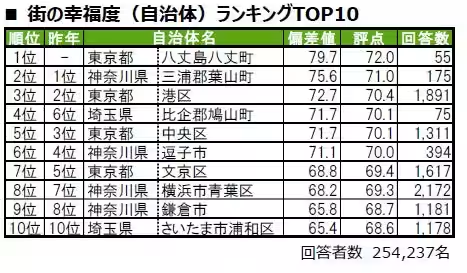
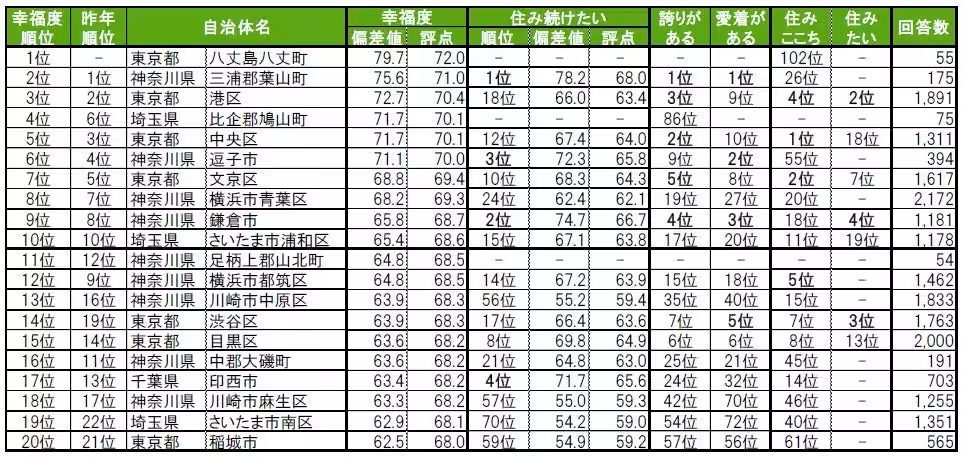
The top-ranked municipality for happiness is Hachijo Town in Tokyo, making its debut in this survey. It reflects a community that, despite being lesser known, has achieved an impressive happiness score likely due to its tranquil environment and strong local culture. Following this, Hayama Town and Minato Ward in Tokyo, renowned for their stunning coastal views and vibrant city life respectively, secured second and third positions.
Desired Residential Areas (Municipalities)
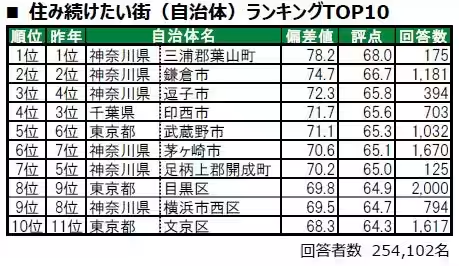
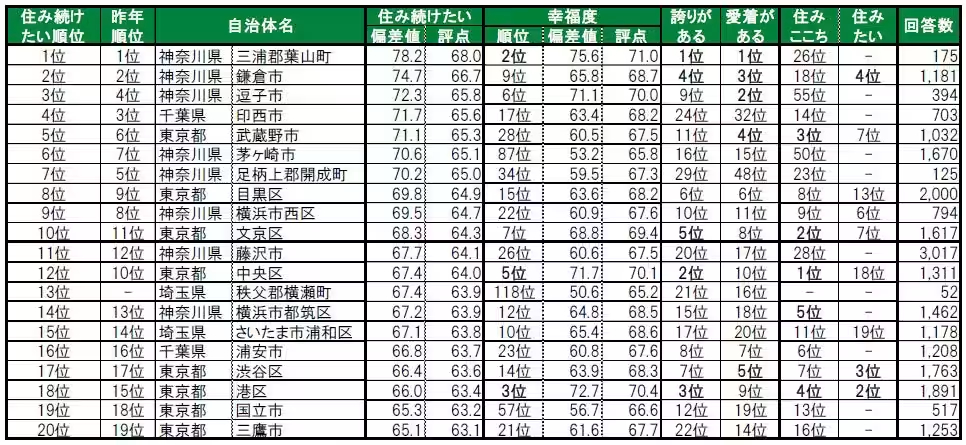
In contrast, the rankings for preferred places to live saw Hayama Town again clinch the top spot, marking five consecutive years as the most desired location. Its combination of natural beauty and community values appears to resonate deeply with residents, fostering a sense of pride and belonging. Kamakura City, famous for its historical sites, ranked second, while Zushi City, known for its beachside living, moved up to third place, showcasing the appeal of Japan's coastal areas.
Happiness Rankings (Stations)
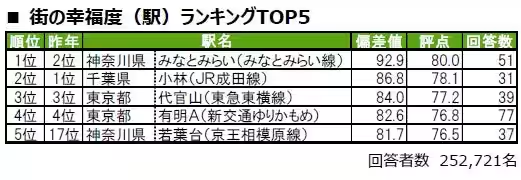
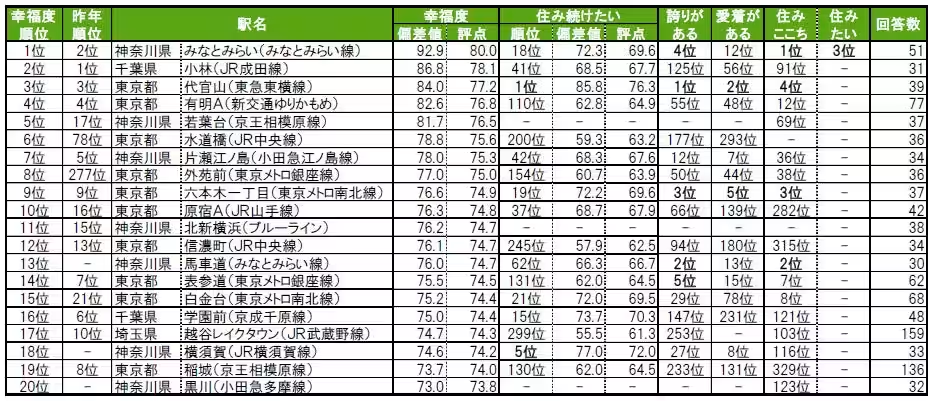
Among stations, Minato Mirai in Yokohama achieved the highest happiness score, standing out with a remarkable deviation score in the 90s. This area is praised for its modern infrastructure, upscale living, and ample recreational spaces. Meanwhile, Kobayashi Station in Inzai City and Daikanyama Station in Shibuya maintained their prominent spots, reinforcing the attractiveness of suburban living combined with urban amenities for commuters.
Desired Residential Areas (Stations)
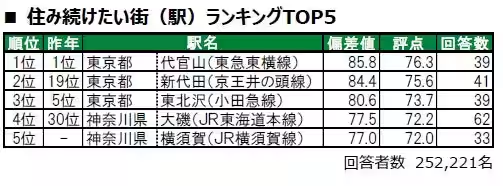
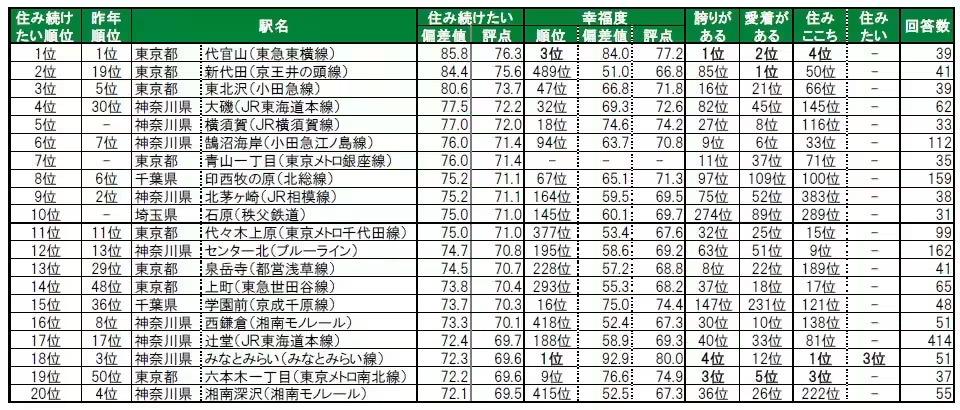
Once again, Daikanyama Station has emerged as the most sought-after location for three years straight, as residents express their contentment and pride in living within this stylish neighborhood. New additions to the top tier include Shin-Nakano Station and Oiso Station, both of which have seen dramatic climbs in their rankings compared to previous years.
Discussion
The survey’s findings highlight growing trends, particularly in the need for residents to feel a strong connection to their environment. Happiness is closely linked to a sense of community and belonging. Areas ranked high not only in happiness but also in aspirational living often exhibit attributes such as cultural vibrancy, community engagement, and aesthetic beauty. The rankings indicate a positive reassurance for urban planners and local stakeholders about the importance of creating spaces that residents cherish and want to remain in.
Conclusion
With shifting demographics and changing values post-pandemic, understanding where people find happiness and where they want to live becomes critical. The surveys by Daiwa House reveal more than just rankings; they present a deeper story about the desires and needs of residents in Japan's Greater Tokyo area as they navigate their living environments. Going forward, these studies could influence urban development policies aimed at enhancing livability throughout the region.
For additional details and updates, visit Daiwa House. Further insight into the methodology and more intricate findings can be found in the company’s press release.

Topics People & Culture)


【About Using Articles】
You can freely use the title and article content by linking to the page where the article is posted.
※ Images cannot be used.
【About Links】
Links are free to use.