



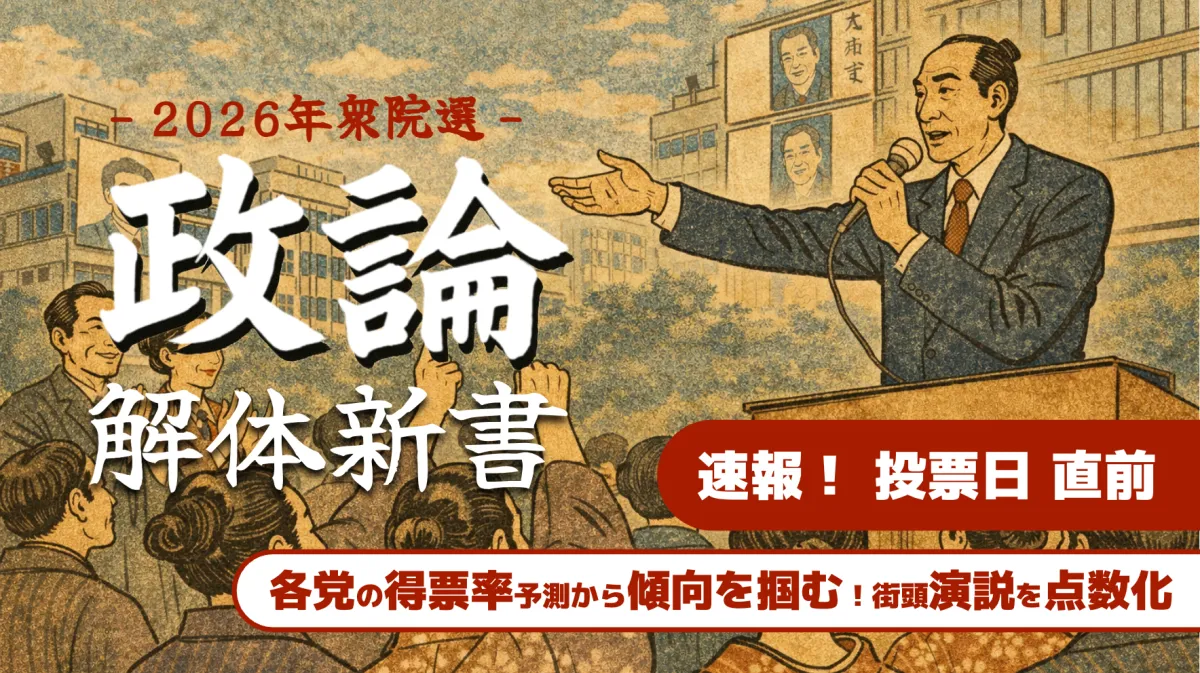
Analyzing Election Campaign Speeches: Insights and Predictions for 2026
Analyzing Election Campaign Speeches: Insights and Predictions for 2026
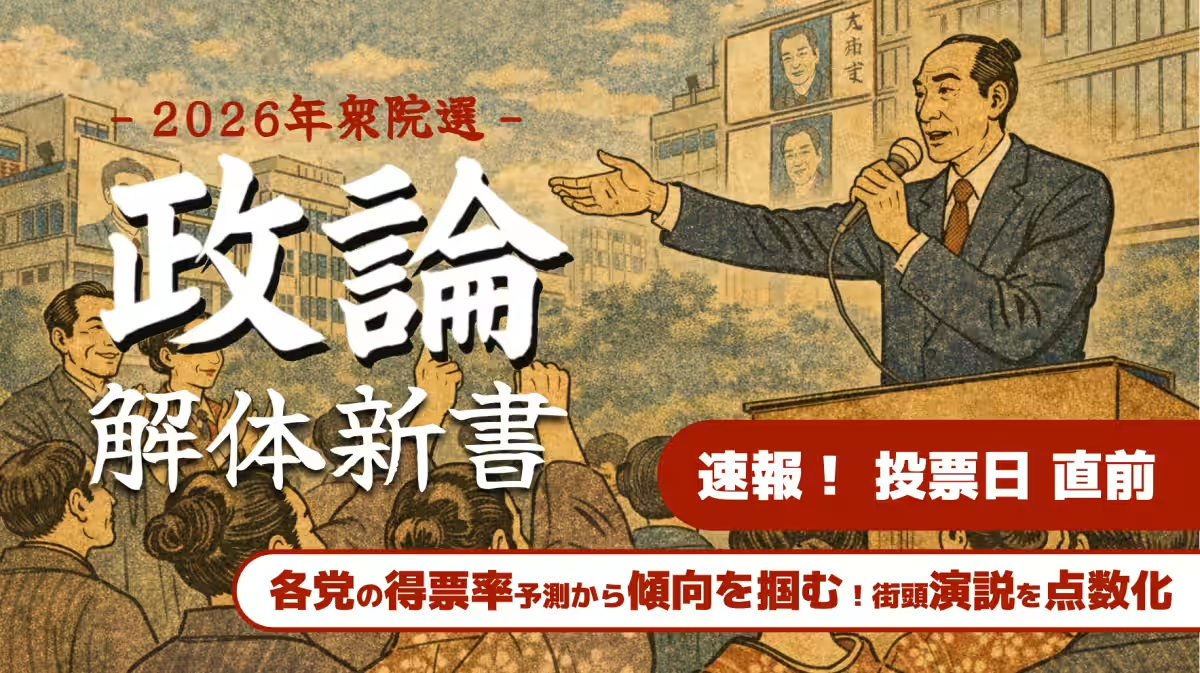
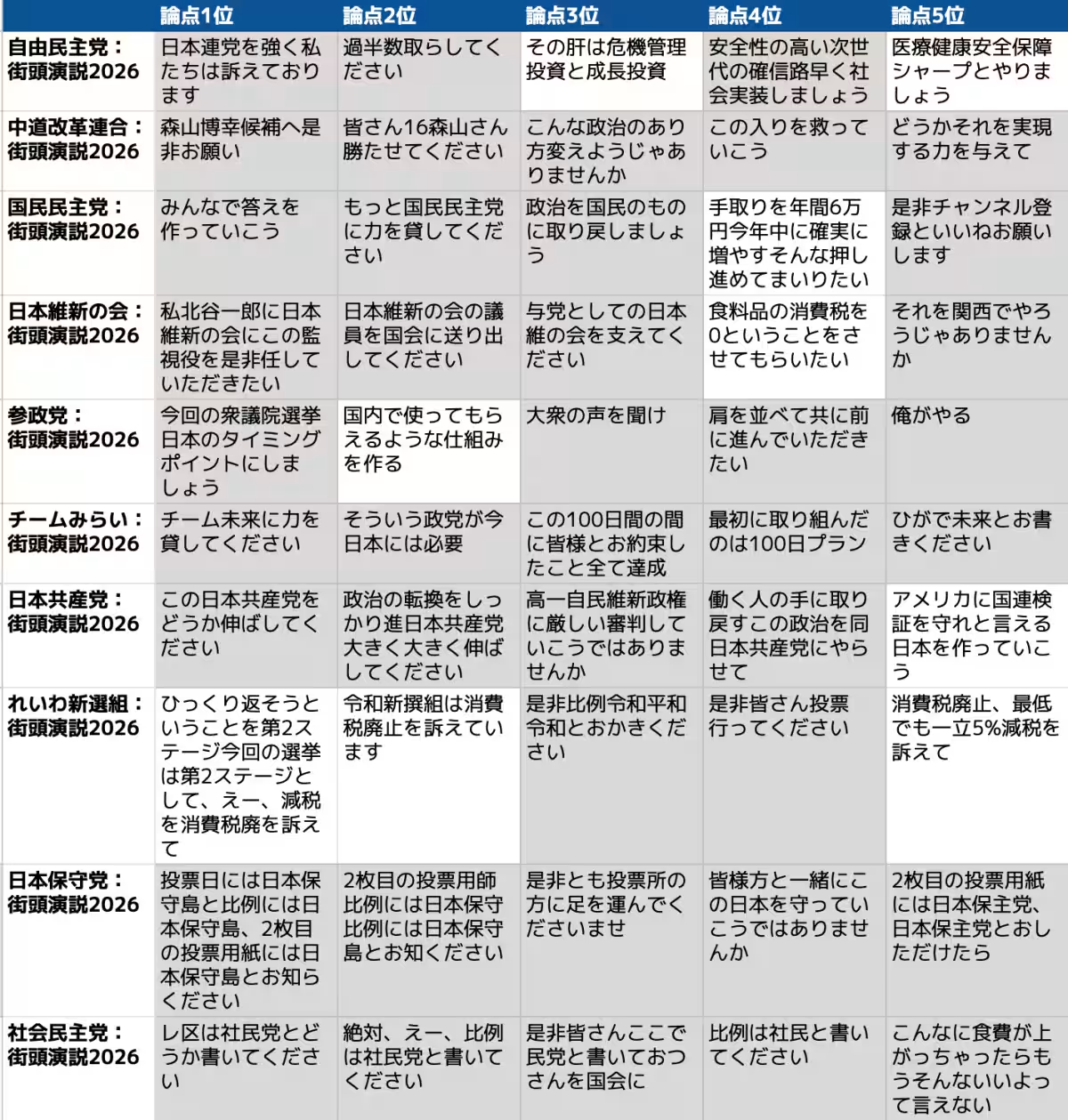
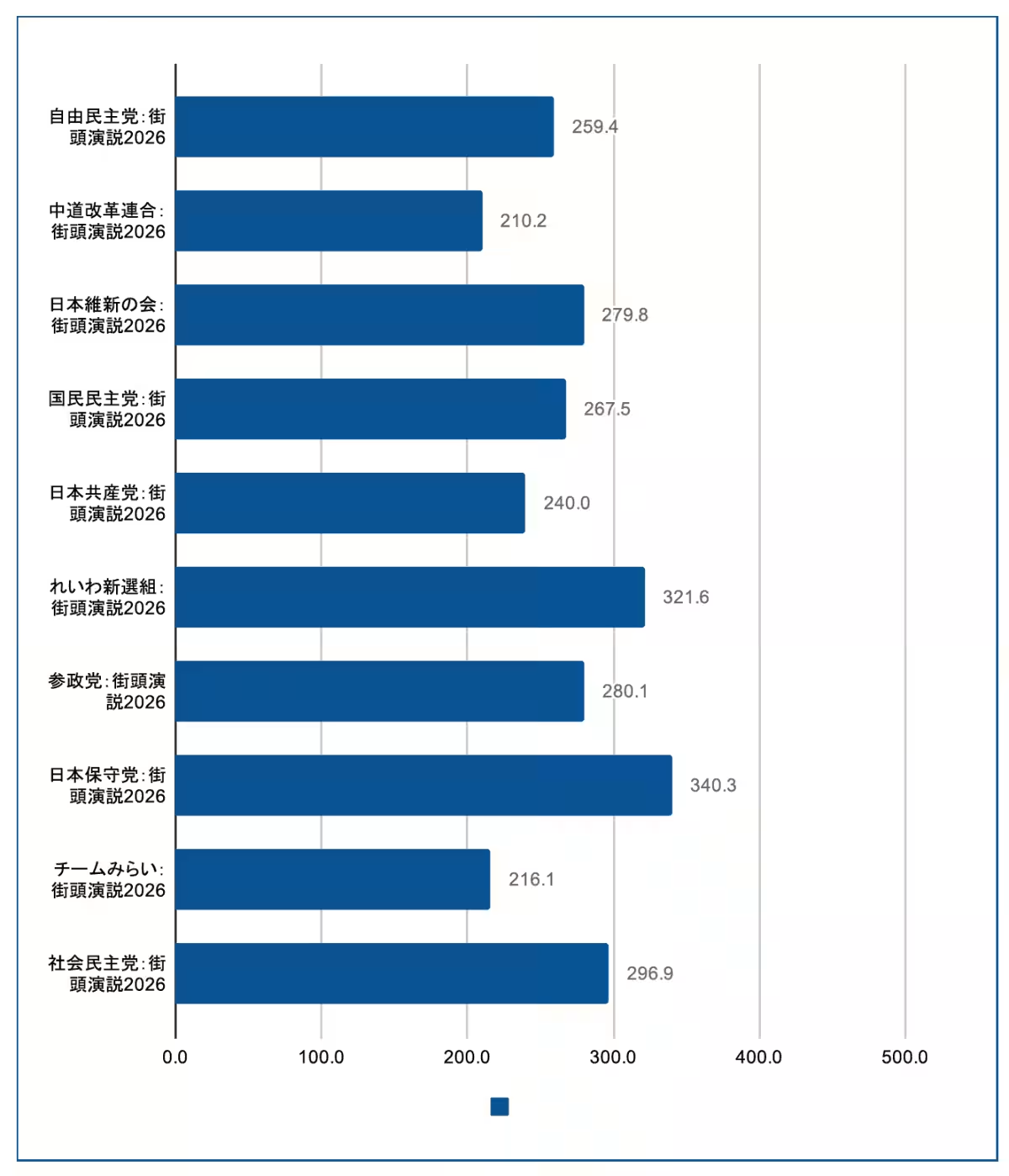
As the House of Representatives election approaches in Japan, the landscape of campaign speeches becomes a focal point for predicting voter behavior. Cognitee Inc., based in Shinagawa, Tokyo, has utilized AI technology to analyze a total of 419 minutes of speeches from 10 political parties. This analysis aims not only to evaluate the content of the claims made during these speeches but also to quantify the delivery methods employed.
A New Approach to Election Predictions
Instead of solely relying on conventional voter predictions, Cognitee's analysis examines how well the characteristics of each party's speech align with existing predictions. This method does not directly measure the strength of supporter bases or organizational votes; rather, it scrutinizes how well these speech characteristics correlate with voter forecasting.
This marks Cognitee's fourth election analysis, following insights gained from the 2022 Upper House election, the 2024 Tokyo gubernatorial election, and the 2025 Upper House election. The analysis highlights trends and provides a framework for understanding voting patterns leading up to the election date on February 8, 2026.
Key Findings
Key Element Resilience: What Makes a Winning Speech?
The analysis revealed three primary characteristics common to speeches with higher predicted voter support:
1. Increase in Main Topic Proportion: Winning speeches tend to cover more topics, thereby broadening their appeal.
2. Reduction in Repetitive Explanations: Speeches that avoid redundancy are likely to engage audiences more effectively.
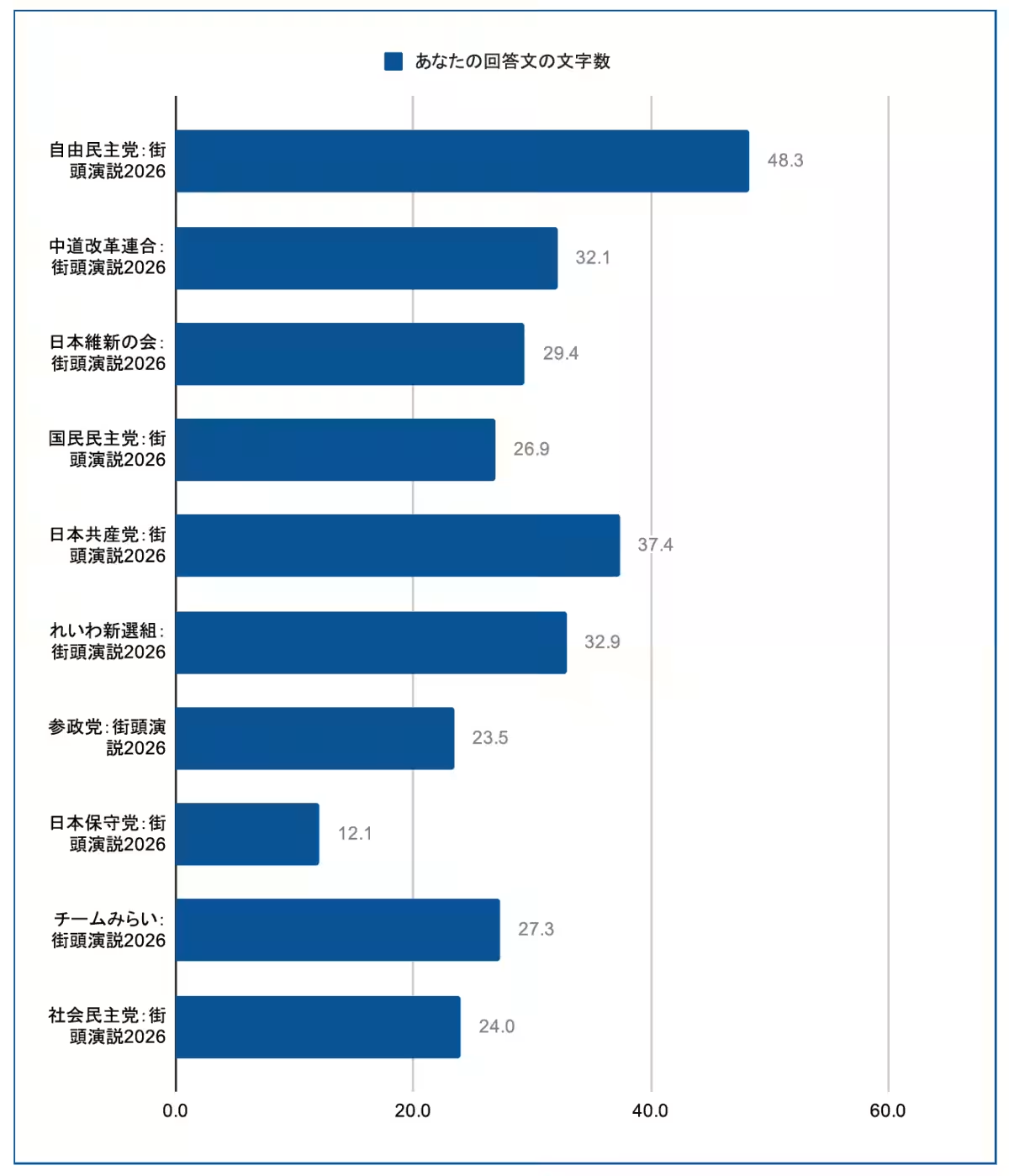
3. Enhanced Length of Self-Responses: Encouraging deeper self-reflection on questions posed increases audience involvement.
These elements suggest that successful speeches are structured around clear points, minimize redundancy, and stimulate audience responses effectively.
The Importance of Topic Arrangement
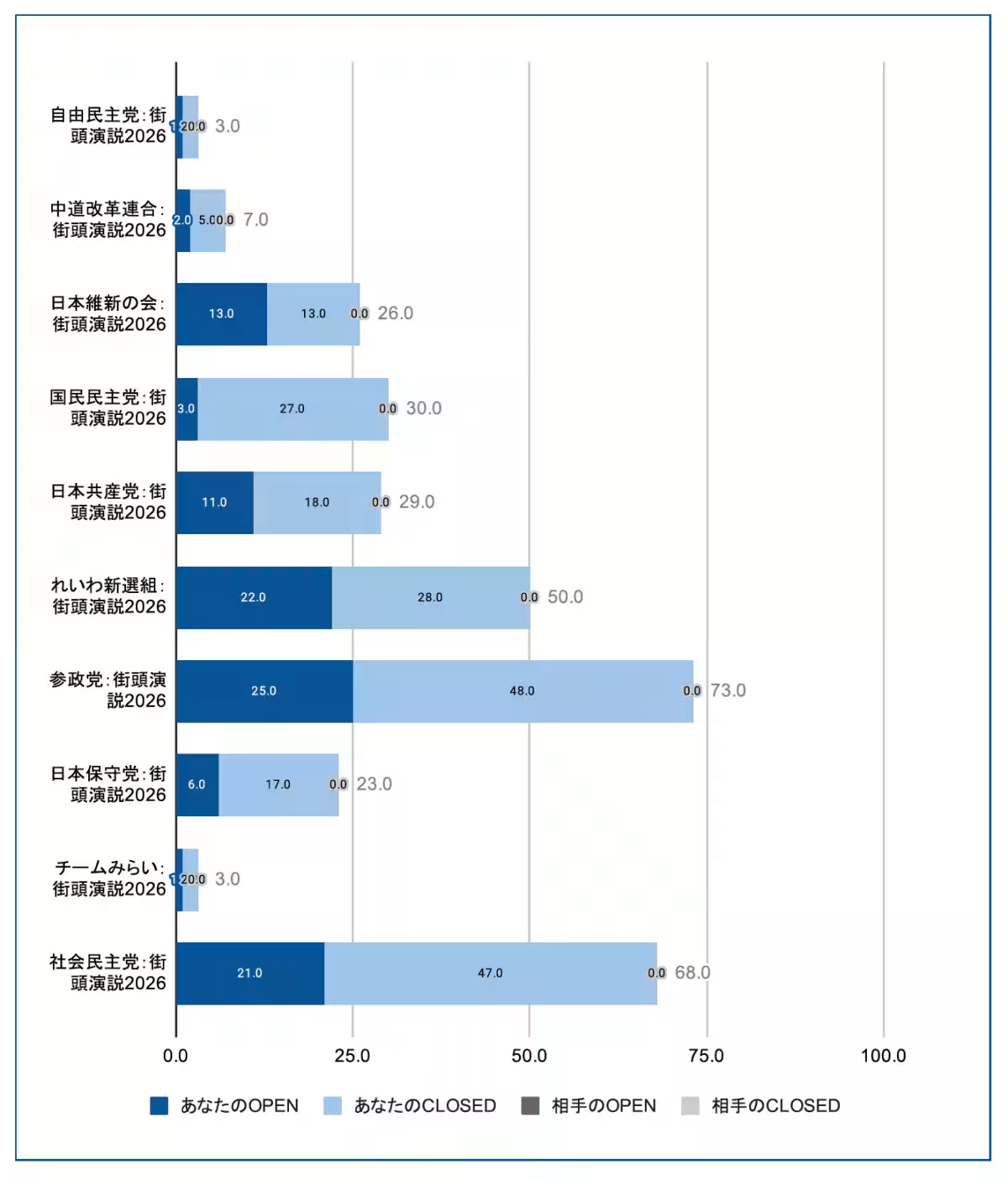
Notably, it is not just the number of topics addressed that matters; their arrangement significantly influences voter predictions. Political parties with high projected voter support featured a greater variety of topics within their speeches, while those with lower predictions often focused on fewer issues but provided more in-depth explanations. Ranking the topics based on information content, it was evident that leading parties offered clear core claims and contextual significance, whereas trailing parties tended to repeat calls to action or similar themes.
The Impact of Speaking Style
The delivery style of speeches also revealed significant differences. Higher prediction parties typically maintained a slower speaking pace, averaging about 254.2 words per minute compared to the overall average of 271.2 words per minute. Moreover, those with more seats before the election tended to give longer self-responses, although they also asked fewer questions overall, indicating a strategic approach to engaging their audience.
Re-evaluating Voter Support Through Speech Analysis
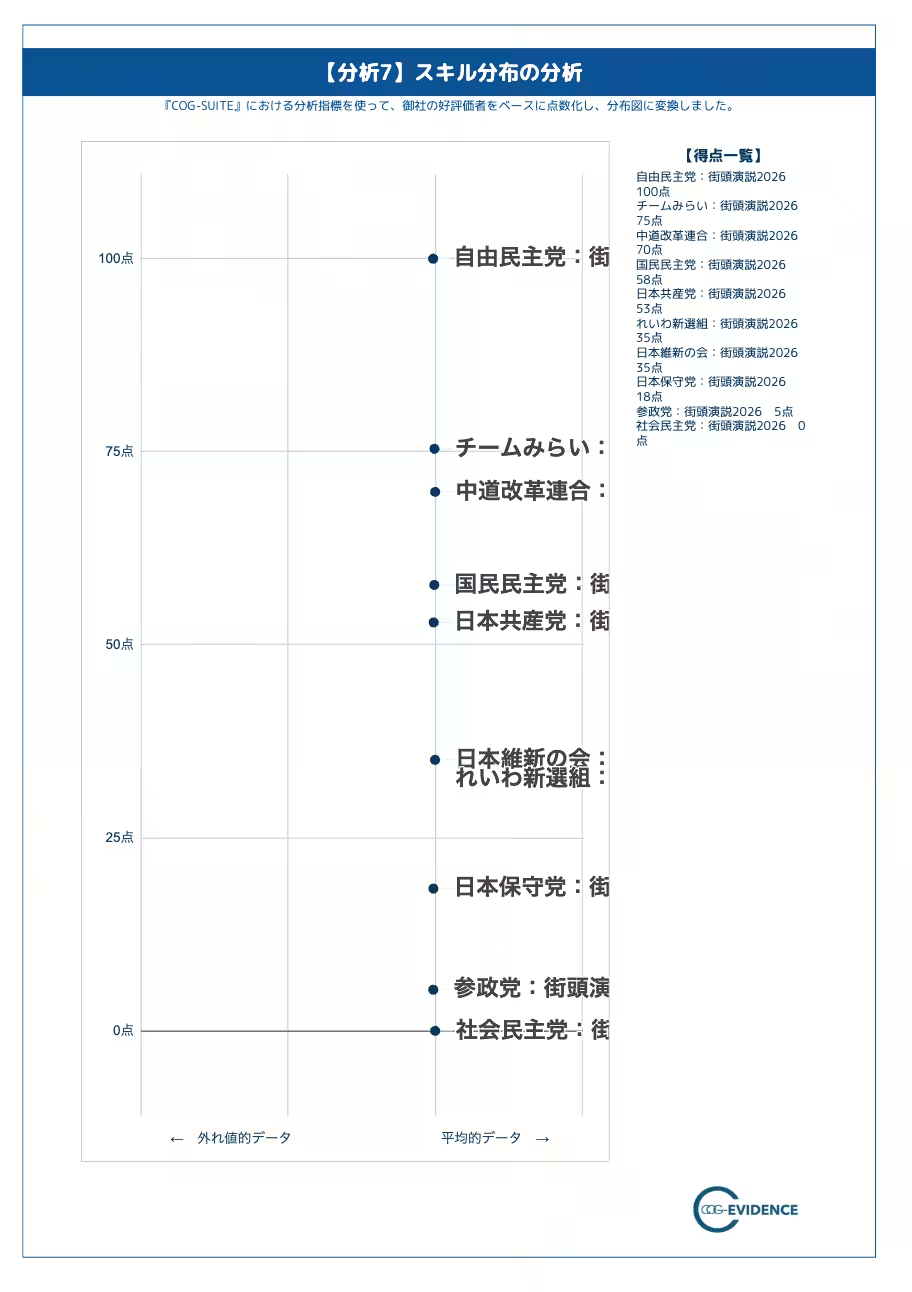
Cognitee employed these winning characteristics to score each party's speeches on a scale of 0 to 100, revealing a re-ranking based on speech features. The results were as follows:
1. Liberal Democratic Party (100 points)
2. Team Mirai (75 points)
3. Center Reform Coalition (70 points)
4. Democratic Party for the People (58 points)
5. Japanese Communist Party (53 points)
6. Reiwa Shinsengumi (35 points)
6. Japan Innovation Party (35 points)
8. Japan Conservative Party (18 points)
9. Seijitō (5 points)
10. Social Democratic Party (0 points)
Among the notable insights from this re-ranking is that Team Mirai surpassed initial expectations based on their speeches, indicating that effective speech characteristics can significantly influence perceived voter support.
Additional Information
Cognitee has published a special report for voters that details each party's manifesto videos, political broadcasts, and a summary of their speeches and characteristics. This comprehensive overview provides valuable insights for voters as they prepare for the upcoming election. The dedicated webpage for this analysis can be accessed at Cognitee's Special Report.
In conclusion, the 2026 election promises to be shaped by how effectively candidates can engage and resonate with the electorate through their campaign speeches. With Cognitee’s data-driven insights, voters can better understand the political landscape and make informed decisions at the polls.


Topics People & Culture)
【About Using Articles】
You can freely use the title and article content by linking to the page where the article is posted.
※ Images cannot be used.
【About Links】
Links are free to use.