



Quzhou Celebrates a Decade of Spring Welcoming Rituals in China
Quzhou Celebrates a Tradition of Welcoming Spring
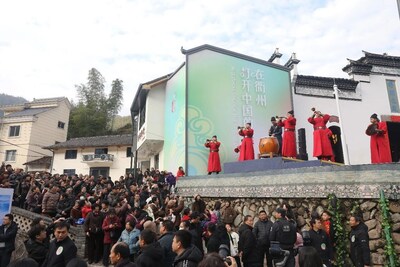
In the heart of East China, the village of Miaoyan comes alive with a vibrant display of culture each February. This year marked a special occasion as the community celebrated ten years of its traditional spring welcoming ceremony, a celebration deeply rooted in the region’s history. The event took place on February 4th and coincided with one of the 24 solar terms in China, signaling the arrival of spring. Hosted in the historic Wutong ancestral hall, the ceremony has garnered recognition, particularly since its inclusion in UNESCO’s list of intangible cultural heritage.
Participants gathered to honor this seasonal ritual, aptly titled "Spring Awakens in Quzhou: Where China’s Season Begins." The ceremony involved a series of ancient practices that have been passed down through generations. The festivities kicked off with the striking of 24 bells, accompanied by drums that resonated throughout the hall as the spring flag was raised, a symbol of the season's arrival.
Eager villagers prepared ten ritual offerings that included traditional spring cakes and local baked goods destined for Gou Mang, the deity associated with spring. These offerings symbolize continuity, happiness, and a favorable agricultural year ahead. Following the rituals, children engaged in time-honored practices, distributing peanuts and candies, adding a cheerful ambiance to the experience.
Wu Haigen, a keeper of these traditions, shared that the roots of this ceremony trace back to the Song Dynasty, highlighting the significance of the Wutong hall as the only temple exclusively dedicated to the worship of the spring god in China. He emphasized that this ceremony maintains the essence of Jiangnan’s agricultural practices, noting, "Rituals like the whipping of the spring ox carry forward the enduring desire for abundance and prosperity."
For the past decade, Quzhou has nurtured this cultural legacy. Nearby, an exhibition hall dedicated to the culture of the spring festival has been established, creating a focal point for visitors and locals alike. This initiative has transitioned the ceremony from being a mere organized event to a seasonal highlight that embodies tradition, sharing, and continuity. It resonates not only within the local community but also with tourists, inviting them to witness and partake in these longstanding customs.
As the community continues to observe the changing of seasons, the annual spring welcoming ritual stands as a testament to Quzhou’s commitment to preserving and celebrating its rich heritage. The merging of historical practices with contemporary elements ensures that this ancient tradition not only survives but thrives, welcoming spring with a sense of historical significance and a vibrant present.
In conclusion, the spring welcoming ceremony in Quzhou serves as a beacon of cultural identity, showcasing how longstanding traditions can adapt and prevail in today’s society. It is more than just a ceremony; it encapsulates the joy, hope, and togetherness that this vibrant community continues to foster.
- ---
Topics People & Culture)
【About Using Articles】
You can freely use the title and article content by linking to the page where the article is posted.
※ Images cannot be used.
【About Links】
Links are free to use.