



Exploring the New Lives of Young Singles: Social Dynamics and More
Exploring the New Lives of Young Singles: Social Dynamics and More
In an age where individualism is celebrated, the living experiences of young singles provide a unique lens through which to view society's evolving social dynamics. The Hitogura Research Institute, operated by Able Holdings, recently completed a comprehensive survey titled 'New Lives and Relationship Awareness of Young Singles 2026'. The study, conducted from April 14 to April 15, 2026, gathered insights from 1,001 respondents aged 20 to 44 who are currently living alone in Japan.
Summary of Findings
This survey yielded some telling results:
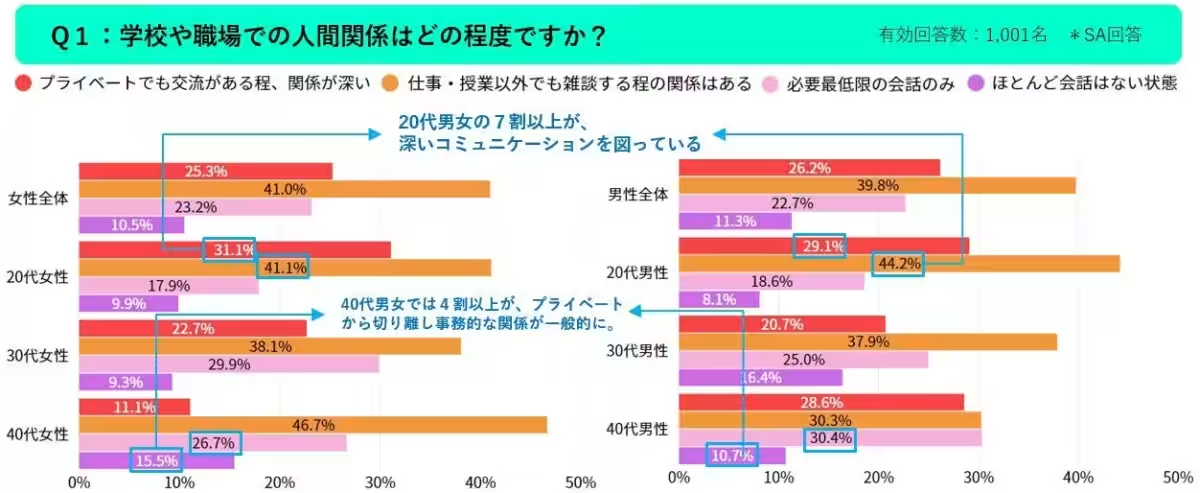
1. Private Interactions: Approximately 70% of respondents in their 20s are enthusiastic about engaging in private exchanges and casual chats with co-workers or classmates.
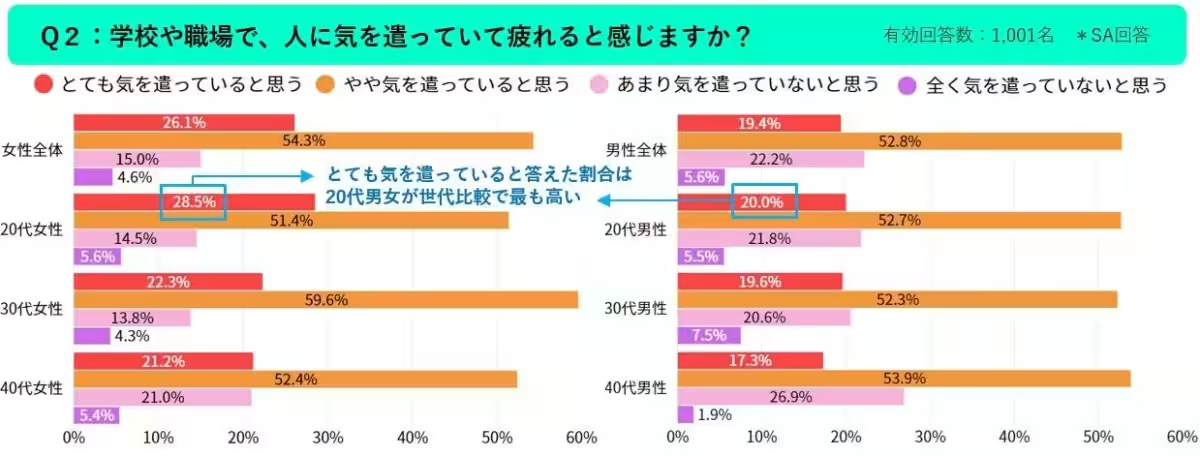
2. Social Sensitivity: A notable 80% of 20-something participants express that they are conscious of their social interactions, representing the highest levels of concern across all age groups surveyed.
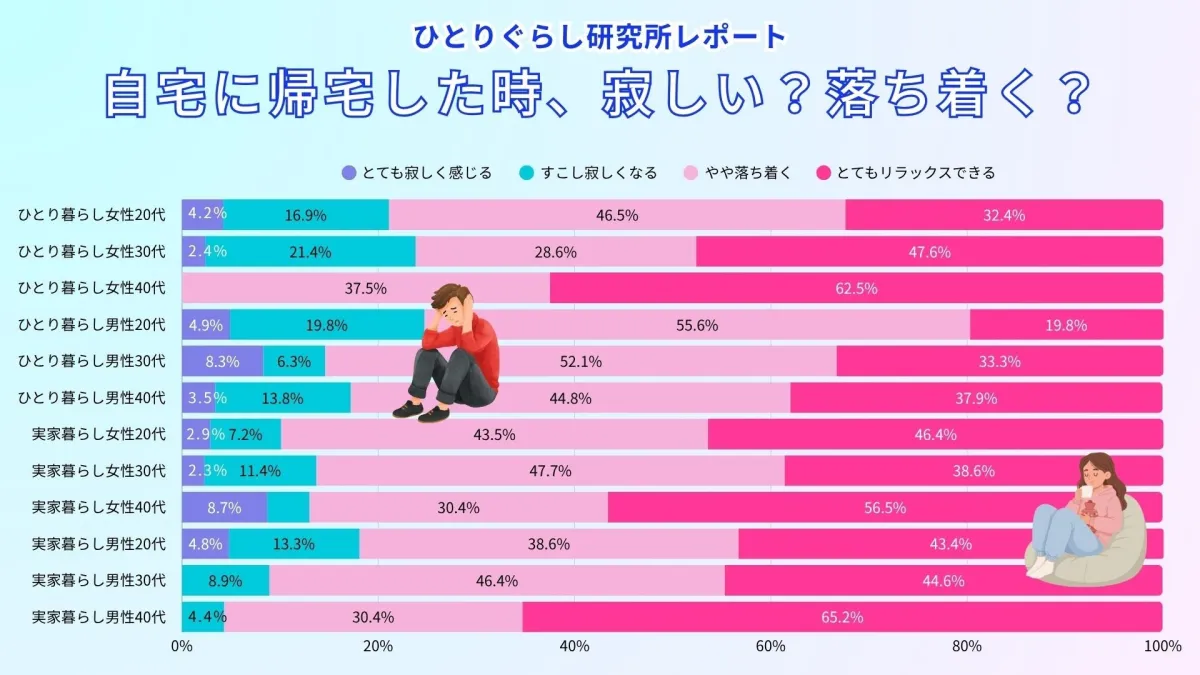
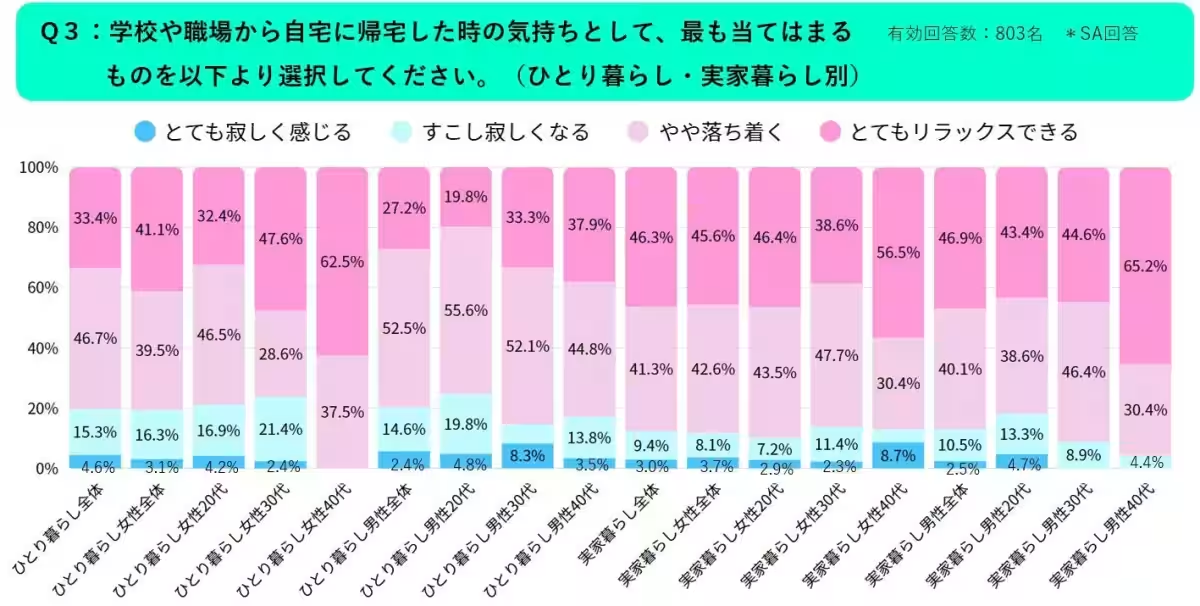
3. Feelings of Loneliness: About 20% of young singles feel a sense of loneliness when they return home, reflecting their complex emotional landscape.
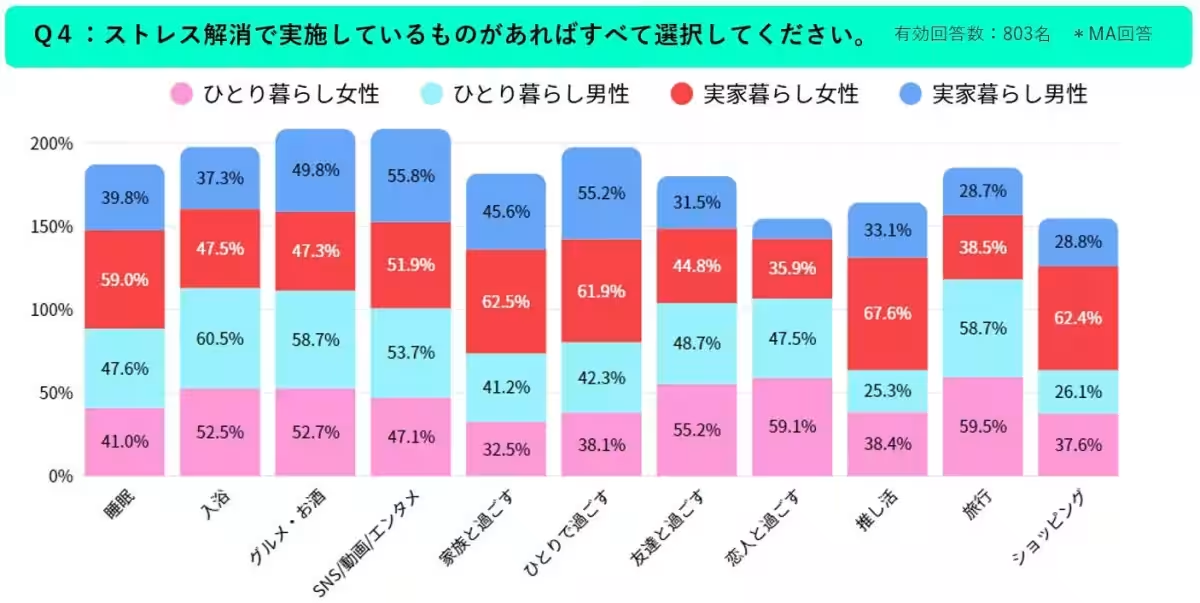
4. Stress Relief Methods: When it comes to alleviating stress, young singles prefer self-care activities at home, such as enjoying gourmet food and beverages or taking relaxing baths. In contrast, those living with their families often engage in social activities like shopping and fandom pursuits.
Social Connections Among Young Singles
The survey indicates that more than 70% of young singles appreciate deep relationships that intertwine personal and professional lives. This reveals a significant trend where young individuals prioritize forming close connections beyond just the workplace or educational realm. This commitment to nurturing deep-rooted relationships is contrasted by the more compartmentalized approach of their 40-something counterparts, who often delineate personal relationships from their professional lives.
Young adults are keen on establishing close-knit ties but also face high levels of emotional energy expenditure, with about 70% to 80% claiming they often feel mentally drained from juggling various social expectations. Their desire for connection drives them to pay close attention to others, sometimes at the expense of their own emotional well-being.
The Loneliness Dilemma
Interestingly, while nearly 90% of 20-somethings living at home report feeling relaxed in their personal space, about 20% of those living alone frequently grapple with feelings of loneliness upon returning home. This suggests that the social fatigue incurred during the day may amplify feelings of isolation in solitary living conditions. In particular, 28.5% of young women and 20.0% of young men admitted they feel a heightened sense of caution in social settings, indicating a societal pressure that impacts emotional health.
As age increases, the dynamic appears to shift: older solitaries navigate their loneliness differently, with no reported feelings of loneliness among single women in their 40s. It seems that as individuals mature, they master the balance between solitude and socialization, developing healthier coping mechanisms that contribute to their emotional growth.
Distinct Approaches to Stress Relief
In terms of coping strategies, solitary individuals show a preference for home-based activities like bathing or indulging in culinary experiences as effective measures of self-care. They value quiet moments to recharge, contrasting the outgoing, socially vibrant lifestyle of those living with family who engage in activities such as shopping and engaging with fandoms for stress relief. For singles, self-care becomes a refuge, providing necessary emotional support in an often overwhelming world.
Conclusion and Future Insights
Ultimately, this survey leaves a lasting impression: the earnestness of young singles striving to carve out their place in a demanding world. Their initiative to build connections and deepen relationships is admirable, yet the substantial levels of mental exhaustion reflect the intense social scrutiny they face. Understanding this balance, just as older generations have learned to do, is critical.
The insights gleaned from this survey highlight the importance of fostering both social connections and personal time as young individuals navigate their complex emotional landscapes. While community ties are critical, creating a personal sanctuary is equally vital for emotional well-being. One cannot overlook the resolve of young singles who are bravely embarking on their journeys, and it is our hope that they continue to find comfort and strength within themselves, alongside their networks.
For more details on the survey and findings, visit the official website of the Hitogura Research Institute.
Additional Contact Details
For media inquiries, please reach out to the Public Relations Office at Able Holdings.
Phone: 03-5770-2618
Email: [email protected]

Topics People & Culture)







【About Using Articles】
You can freely use the title and article content by linking to the page where the article is posted.
※ Images cannot be used.
【About Links】
Links are free to use.