



Study Reveals Over Two-Thirds of Gen Z Employees Desire to Leave Their Jobs
Insight into Gen Z's Job Intentions: A Shift in Workforce
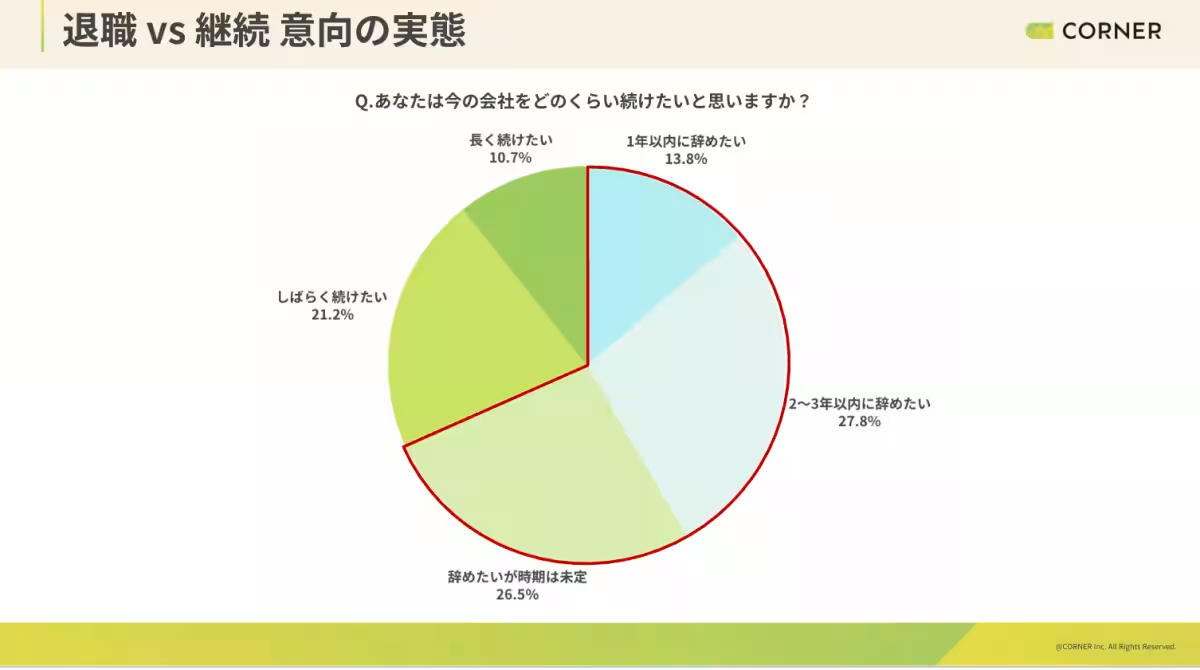
In a revealing study conducted by CORNER, a human resources boutique firm, it was discovered that approximately 68.1% of Gen Z employees, who are within their first three years of work, are considering quitting their jobs. The research surveyed 514 individuals from August 29 to September 4, 2025, uncovering significant insights into their job intentions and the underlying factors contributing to this trend.
Key Findings of the Study
1. Desire to Leave: A staggering 41.6% of surveyed participants revealed they plan to leave within 1-3 years, while 26.5% remain undecided about their timelines for departure. This indicates a prevalent sentiment among young professionals in the workforce regarding their employment longevity.
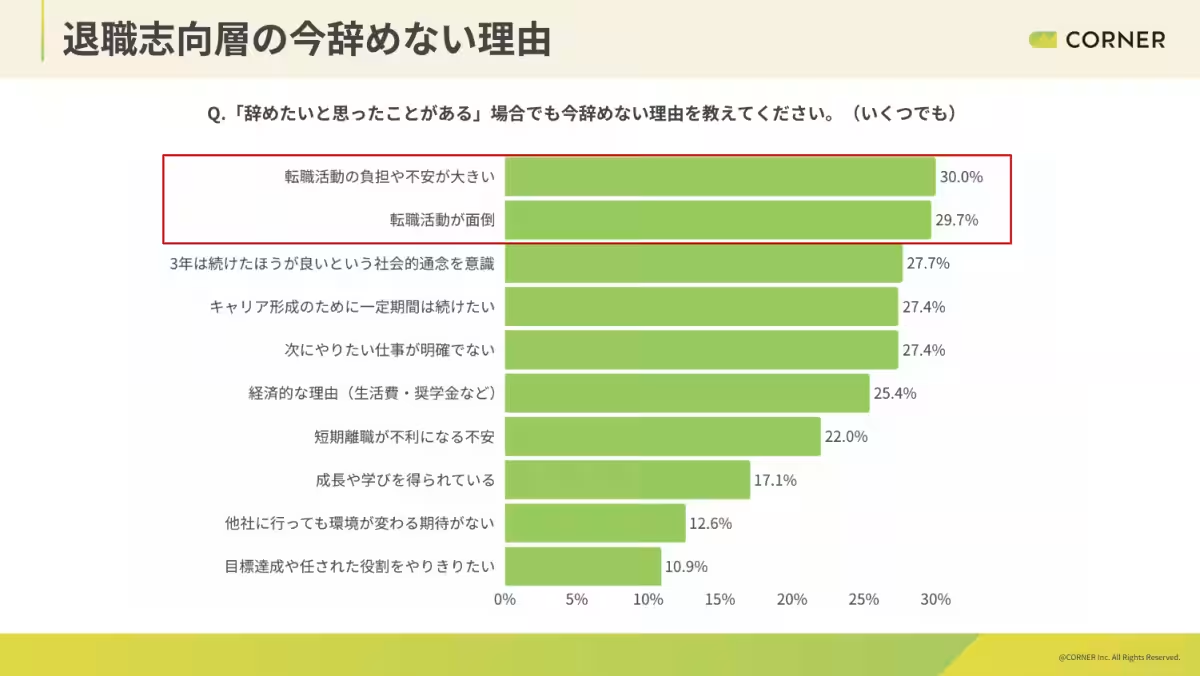
2. Reasons for Staying: Despite the clear inclination to leave, the primary reason for not resigning currently is attributed to the emotional and administrative burdens tied to job hunting, along with uncertainties surrounding their next career steps. This reveals a complex relationship between dissatisfaction with current roles and fear of the unknown, as many remain in positions that do not fulfill their professional aspirations.
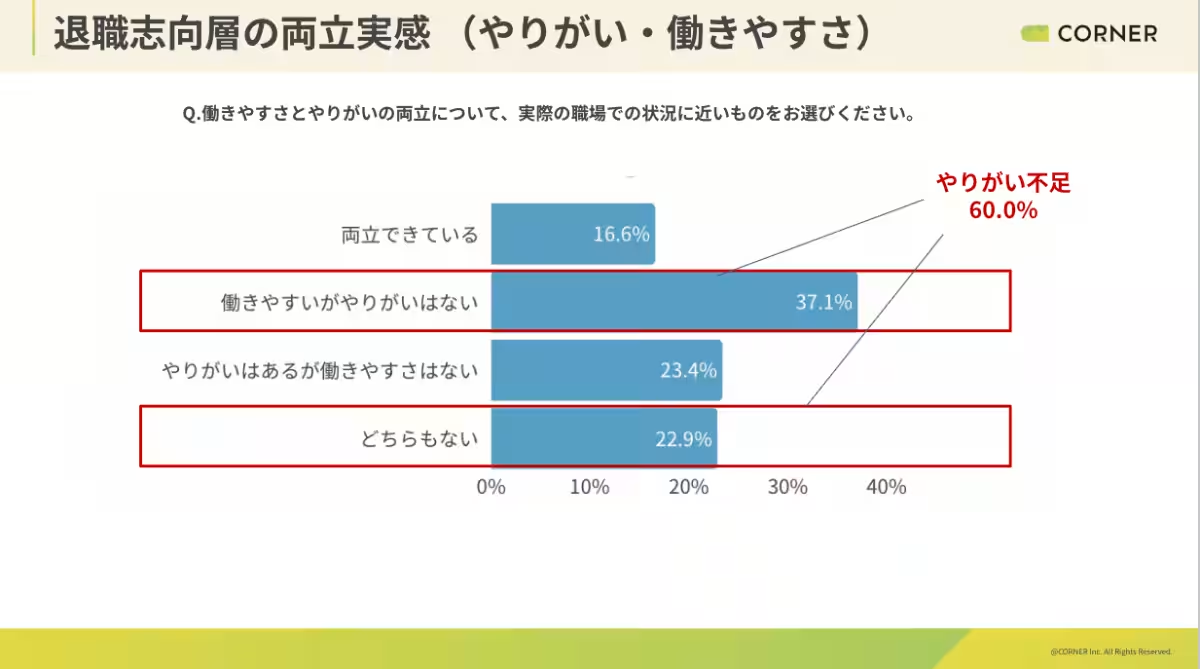
3. Recognition of Work Satisfaction: When it comes to job satisfaction, many respondents expressed their frustrations towards aspects like treatment, promotion opportunities, and the overall sense of engagement in their roles. A concerning 60% articulated feelings of undervaluation, reflecting on the lack of meaningful challenges in their work environments. Notably, only 16.6% felt they were successfully balancing job ease and the pursuit of fulfillment.
The Psychological Burden of Job Change
Among the participants expressing a desire to resign, the predominant reasons were tied to the psychological and procedural burden of transitioning jobs. External societal beliefs, such as the notion that one should stay in their first job for at least three years, along with the current economic situation, further exacerbate this reluctance to change jobs.
Work Environment Analysis
Despite the majority feeling overworked, the statistics suggest otherwise. Over 51.5% of respondents indicated they worked less than nine hours of overtime over the past three months, and many reported minimal paid leave usage—averaging just 1-3 days over six months. These figures paint a picture of potential disconnect: a short work schedule alongside pervasive feelings of dissatisfaction.
Implications for Employers
The insights from this study highlight a crucial aspect for employers to consider: simply retaining employees does not equate to ensuring their commitment or job satisfaction. Employers must recognize the urgent need to design avenues for realizing meaningful work experiences. Potential strategies could include revisiting current human resource policies to facilitate greater opportunities for growth, engagement, and recognition within roles.
As highlighted by Takahiro Momma, CHRO at CORNER, it’s essential to view Z Generation's job intentions from a holistic viewpoint—where they acknowledge the possibility of leaving, prompting companies to adapt their methodologies proactively to meet the needs of their workforce.
Conclusion
The study unveils a pertinent trend among Gen Z employees, characterized by their desire to shift current roles combined with a hesitance brought on by job transition fears. For companies aiming to harness this generational talent, addressing their intrinsic motivations and crafting responsive work environments will be fundamental in retaining staff who feel valued and engaged. As organizations move into future workforce planning, insights like these could be pivotal in shaping more adaptive and satisfying work cultures for today’s youth.
For detailed findings and further insights, download the full report from CORNER's website.
Download the Study Report Here

Topics People & Culture)


【About Using Articles】
You can freely use the title and article content by linking to the page where the article is posted.
※ Images cannot be used.
【About Links】
Links are free to use.