



The Struggles of Working Women Balancing Careers with Parenting and Elder Care
The Struggles of Working Women Balancing Careers with Parenting and Elder Care
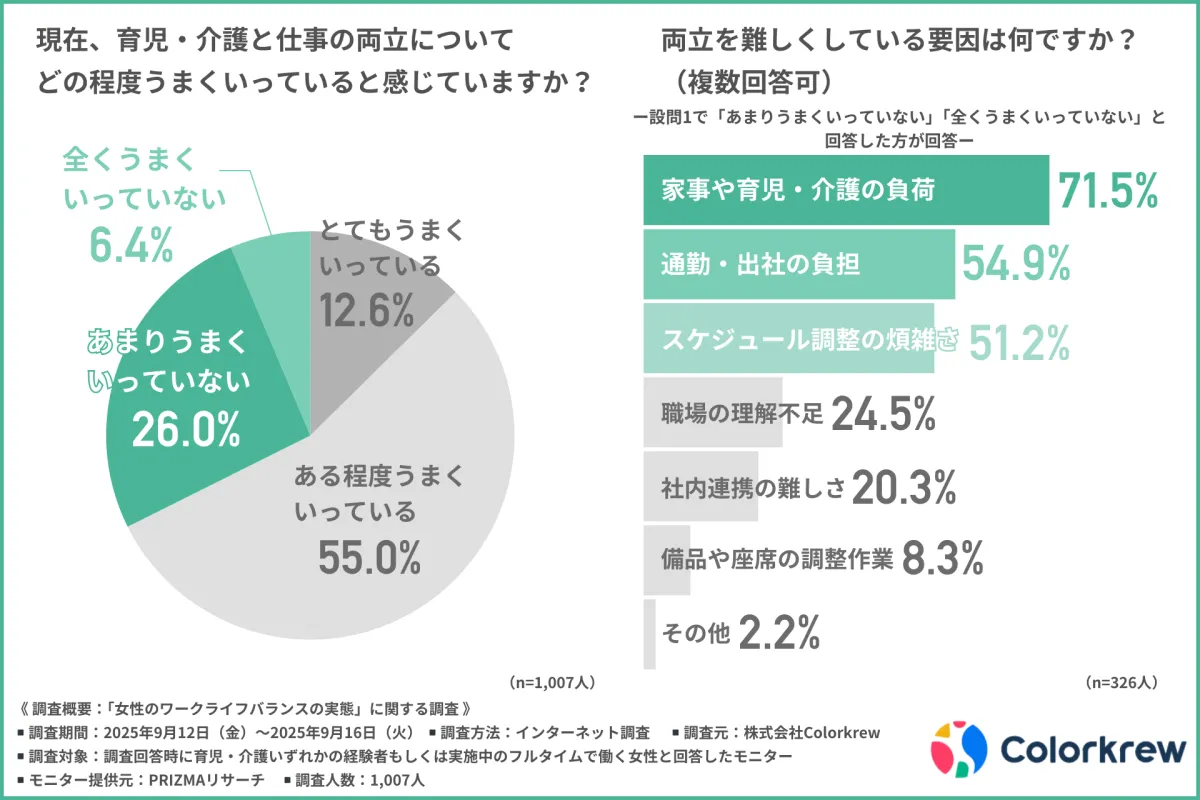
A recent survey conducted by Colorkrew Inc. based in Taito, Tokyo, reveals some unsettling truths about the work-life balance of full-time working women in Japan. The study primarily focused on mothers and caregivers, showcasing that over 30% of respondents feel they are unable to effectively manage their jobs alongside family obligations, such as childcare and elder care.
With a growing emphasis on work-life balance, many companies have started to implement policies intended to support working parents. However, the survey indicates that a significant number of women experience feelings of inadequacy in managing these dual responsibilities. In fact, 26.0% of respondents indicated that they are struggling somewhat, while 6.4% said they feel they cannot manage at all. This statistic underscores the ongoing challenges many women face in the workplace, even amidst attempts to implement supportive policies.
The investigation revealed that the primary reasons hindering effective balancing between work and caregiving include the heavy load of domestic responsibilities affecting 71.5% of participants. 54.9% pointed to the burdens associated with commuting and being physically present at the office, while 51.2% discussed the complexities involved in scheduling.
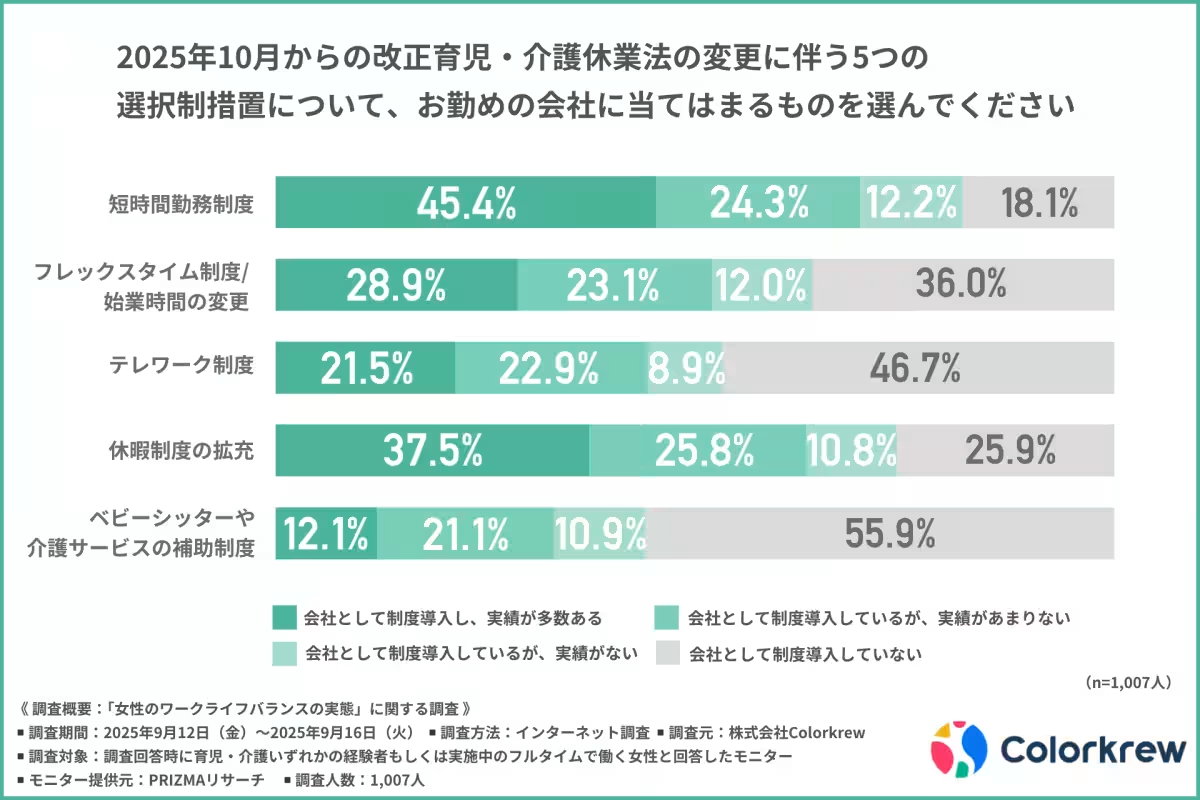
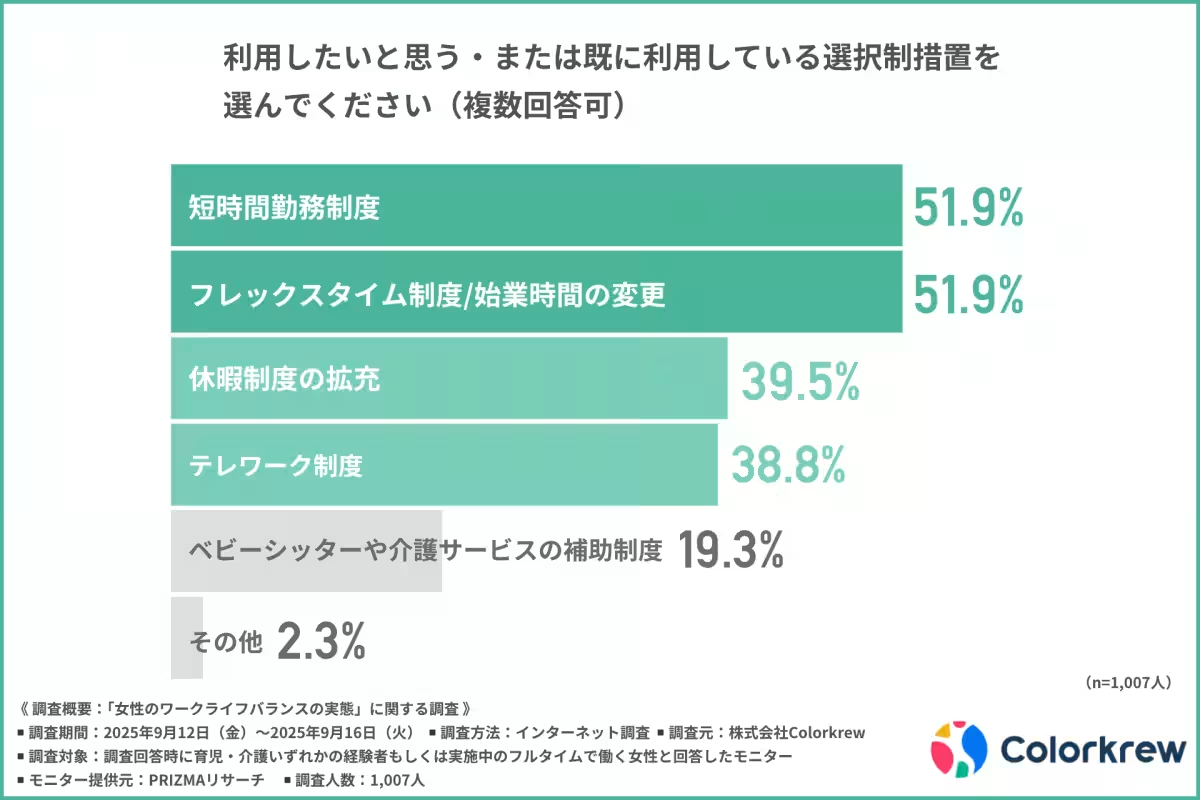
Despite the existence of childcare and elder care support systems, over 70% of these women still feel that these supports are difficult to utilize. The most notable systems in place include short-time employment options, which 45.4% of respondents successfully utilized, and expanded leave systems to accommodate temporary absences for emergencies, engaging 37.5%. On the other hand, the flex-time system, meant to allow for a modification of working hours, showcased a gap between its implementation and actual usage, indicating that despite its introduction, few women are actually benefiting from the flexibility it should provide.
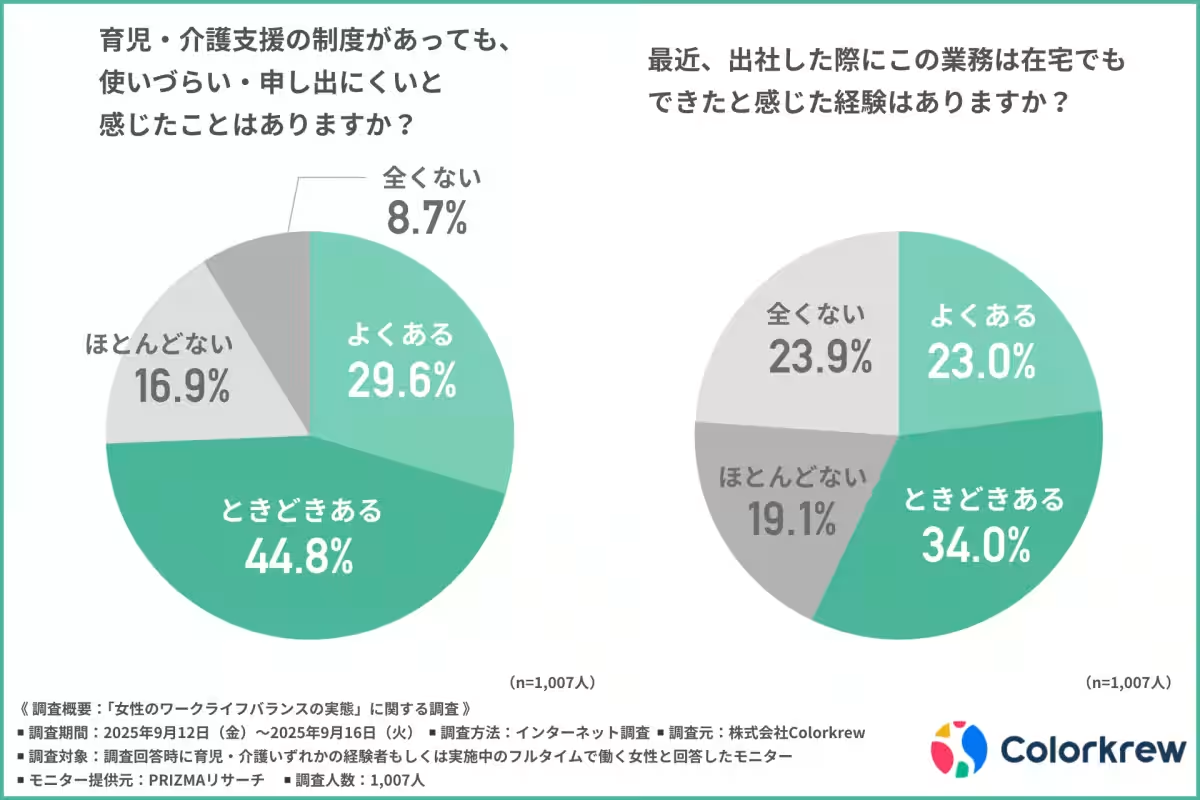
What's even more troubling is that more than 70% of women reported finding it hard to ask for help or necessary adjustments in the workplace due to policies being perceived as complex or the workplace atmosphere being unfriendly to such requests. Thus, while safety nets exist, they are often underused due to a combination of workplace culture and personal apprehensions.
In an attempt to quantify how women feel about remote work viability, nearly 60% of respondents expressed having experienced tasks that could have been performed from home, reinforcing that flexibility in work arrangements may be feasible moving forward.
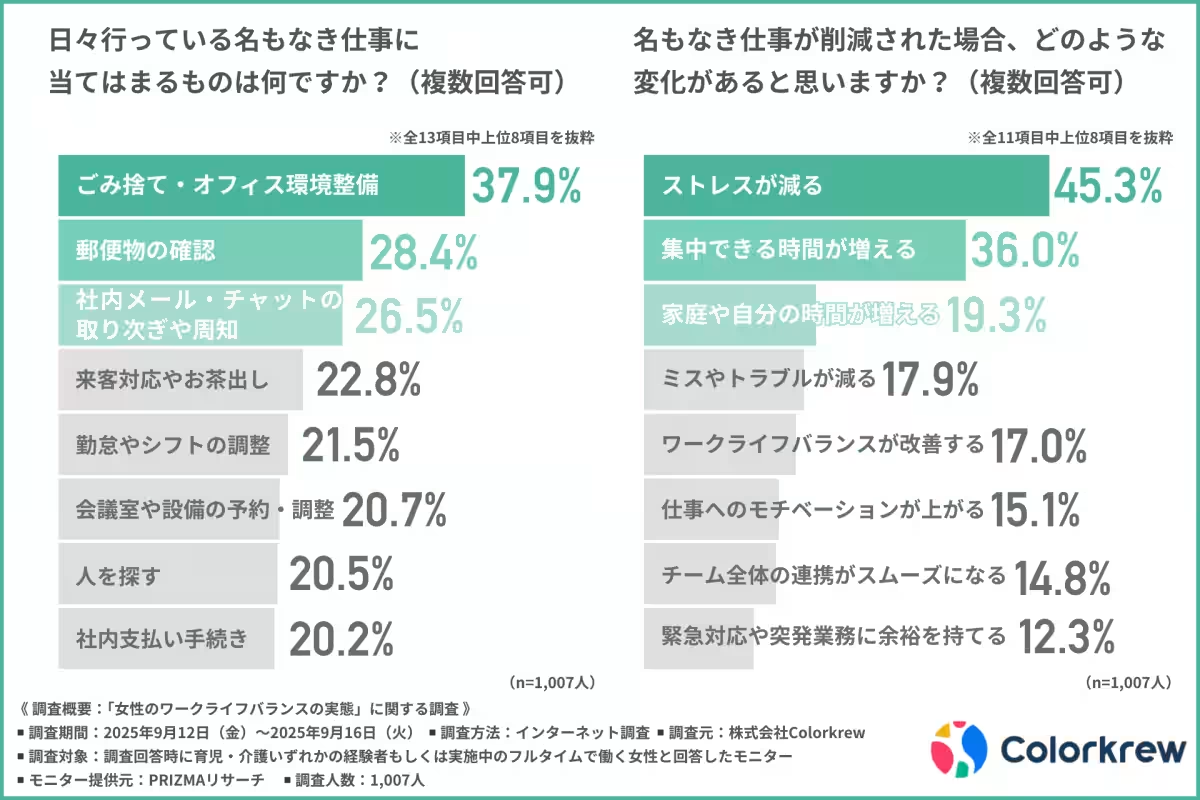
Moreover, the phenomenon of “unseen work”—tasks that don’t directly relate to the primary job responsibilities—was highlighted by participants. Activities such as waste disposal, internal communications, and package tracking were voiced as significant time consumers that drain productivity. A majority believe that reducing these unwritten tasks could lead to decreased stress levels (45.3%) and increased focus on essential job functions (36.0%).
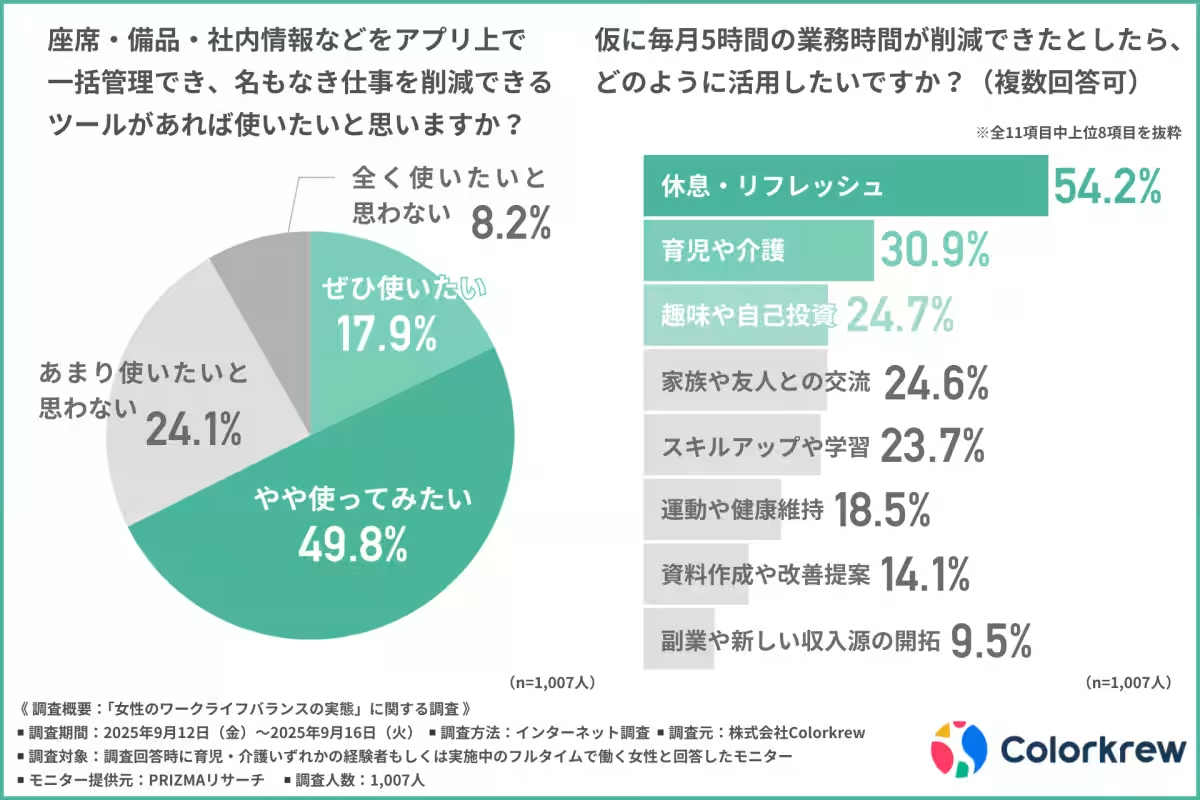
Interestingly, the desire to eliminate these unwritten tasks aligns well with a willingness to invest in management tools that can streamline processes. Around 70% of participants indicated a positive interest in utilizing integrated tools to manage company logistics and organizational responsibilities, showing a robust demand for efficiency amid growing workloads.
Lastly, the survey highlighted how saving a practical five hours monthly can influence personal time. Approximately 54.2% of respondents said they would dedicate this time to relaxation and self-care, suggesting a dire need for restoring balance in their lives, while 30.9% would focus on childcare or caregiving.
In conclusion, the findings from Colorkrew's survey contend that simply having policies in place is not enough. A shift towards making these policies accessible and inviting in practice alongside eliminating inconsequential tasks is vital for supporting women's work-life balance positively. As our work environment evolves, so too must our approaches to supporting women on the front lines of balancing careers with caring responsibilities.
Topics People & Culture)

【About Using Articles】
You can freely use the title and article content by linking to the page where the article is posted.
※ Images cannot be used.
【About Links】
Links are free to use.