



Is Your Workplace Prepared for Emergencies? Insights on Communication Measures
Understanding Emergency Communication Measures at Work
On Disaster Prevention Day, it's critical to assess whether workplaces are prepared for emergencies. Telenet Inc., located in Iida, Nagano, conducted a comprehensive survey targeting disaster prevention officers in both companies and municipalities, as well as business executives. The focus: communication means during emergencies.
In recent years, the frequency of natural disasters such as earthquakes, typhoons, and heavy rainfall has increased, heightening the importance of disaster preparedness in businesses and municipalities. While many organizations concentrate on stockpiling supplies and conducting evacuation drills, the state of their communication systems warrants greater attention. In particular, users' need for multi-functional communication means, such as group calls and location sharing during emergencies, is a crucial topic for discussion.
Survey Overview
- - Conducted by: Telenet Inc. (Website)
- - Method: Online survey
- - Period: August 13-15, 2025
- - Participants: 1,014 individuals (511 disaster prevention officers and 503 business executives)
- - Research Partner: PRIZMA Inc.
- - Monitor Provider: PRIZMA Research
Survey Insights: Communication Measures Implementation
Approximately 70% of workplaces have implemented communication measures designed for emergencies. However, satisfaction regarding these measures remains low, indicating significant areas for improvement.
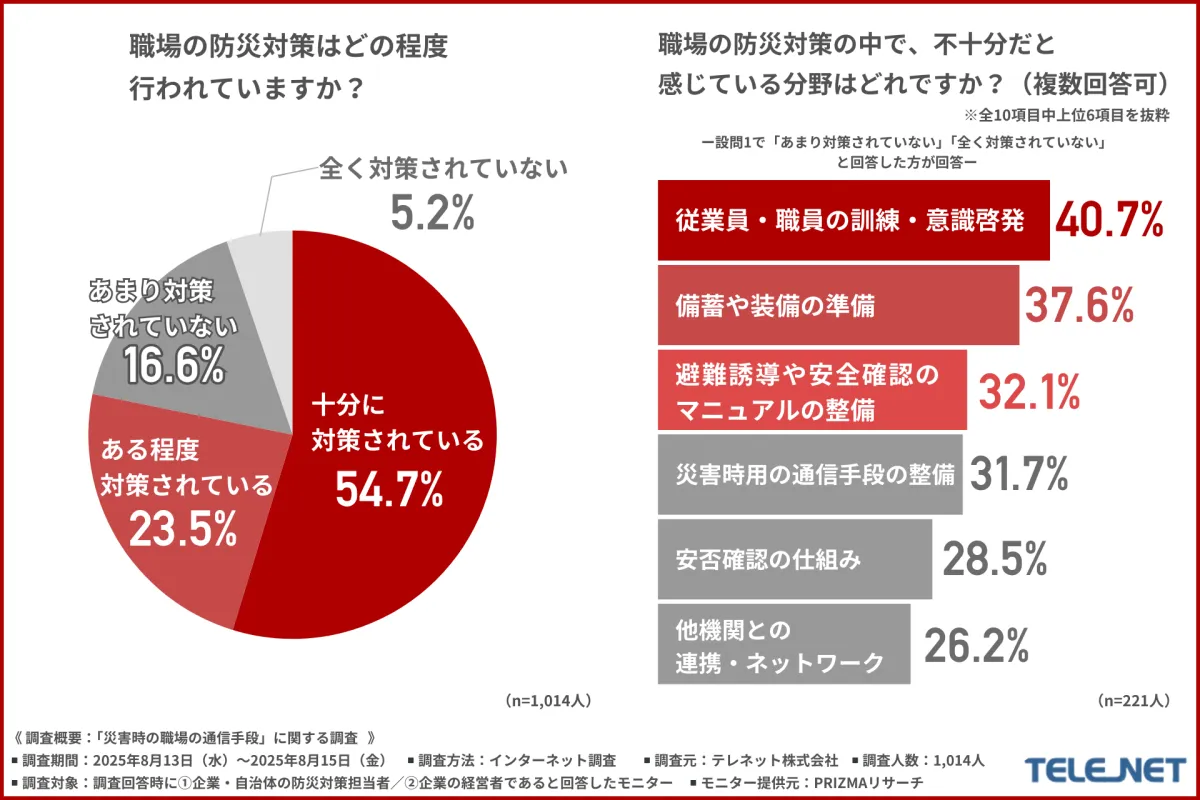
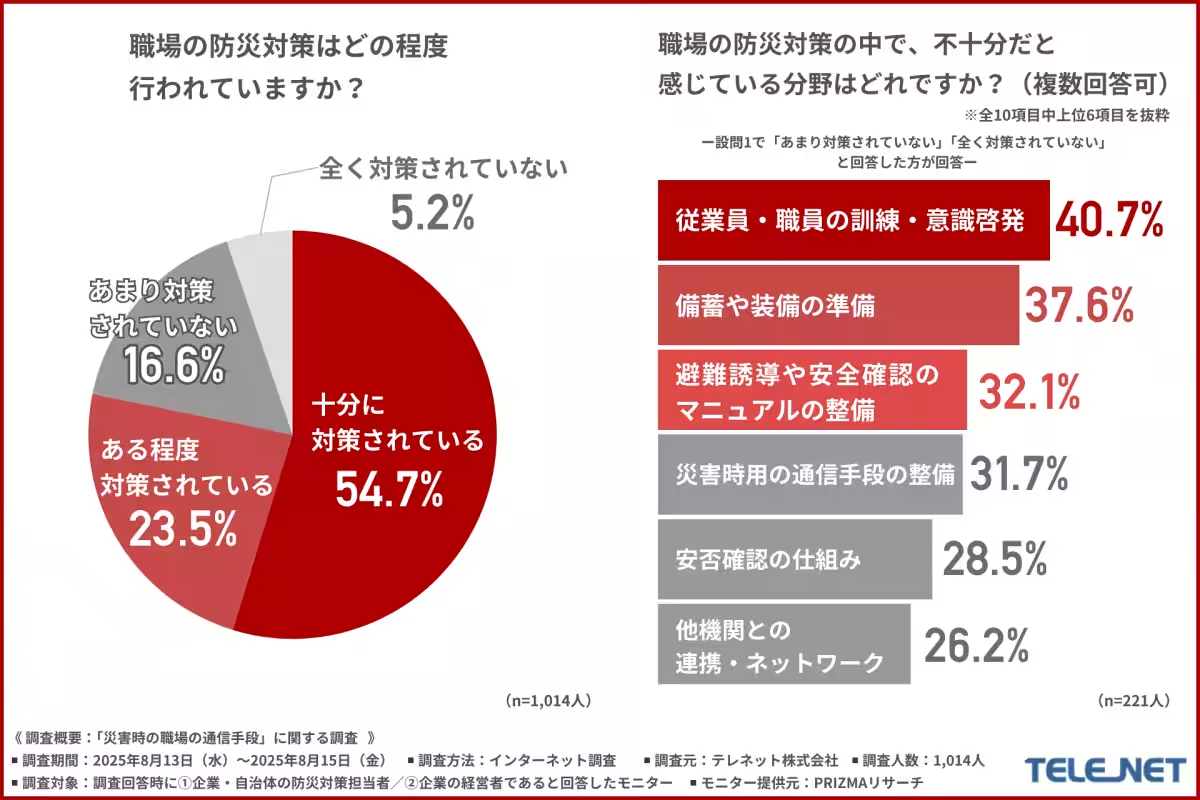
When asked about the adequacy of disaster preparedness, about 80% of respondents stated that their workplaces are either sufficiently (54.7%) or somewhat prepared (23.5%). Conversely, over 20% admitted that they feel either poorly prepared (16.6%) or not at all prepared (5.2%). Among the inadequacies identified, the most pressing concerns included employee training and awareness (40.7%), stockpiling and equipment readiness (37.6%), and the establishment of evacuation guides (32.1%), followed closely by the need for improved emergency communication.
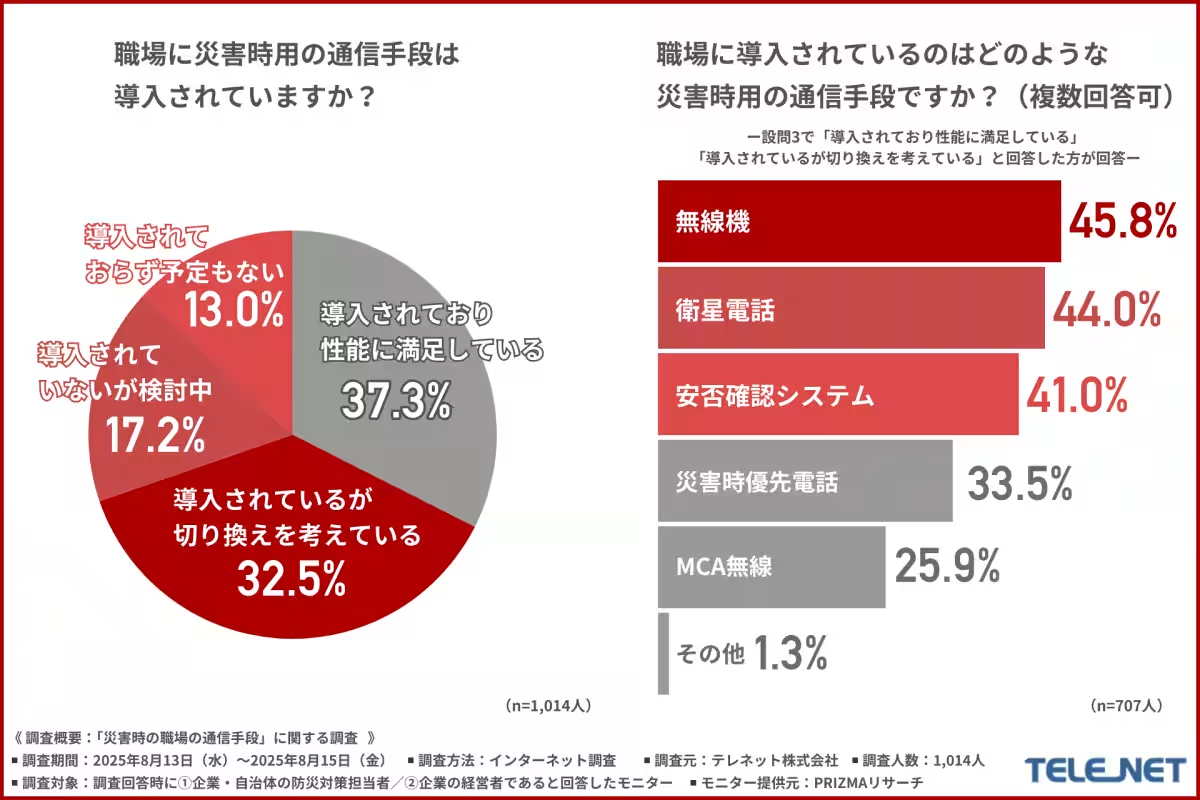
In response to whether their workplace has implemented emergency communication means, results revealed:
- - Implemented and satisfied: 37.3%
- - Implemented but considering alternatives: 32.5%
- - Not implemented but under consideration: 17.2%
- - Not implemented with no plans: 13.0%
This suggests that while many workplaces have adopted emergency communication solutions, a significant percentage (over 60%) are either considering switching, are still in the contemplation stage, or have yet to introduce a system.
Essential Features for Workplace Emergency Communication
Among respondents who confirmed implementation, the most common communication tools included:
- - Radios: 45.8%
- - Satellite phones: 44.0%
- - Safety confirmation systems: 41.0%
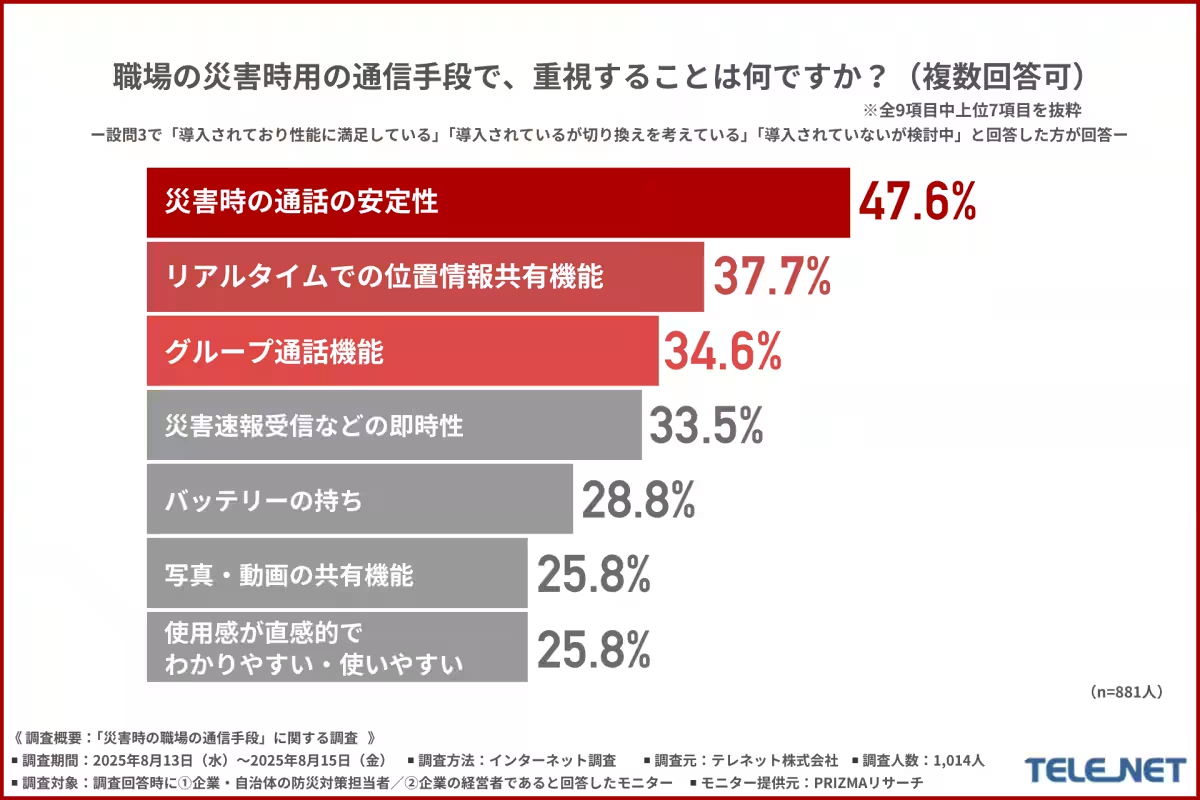
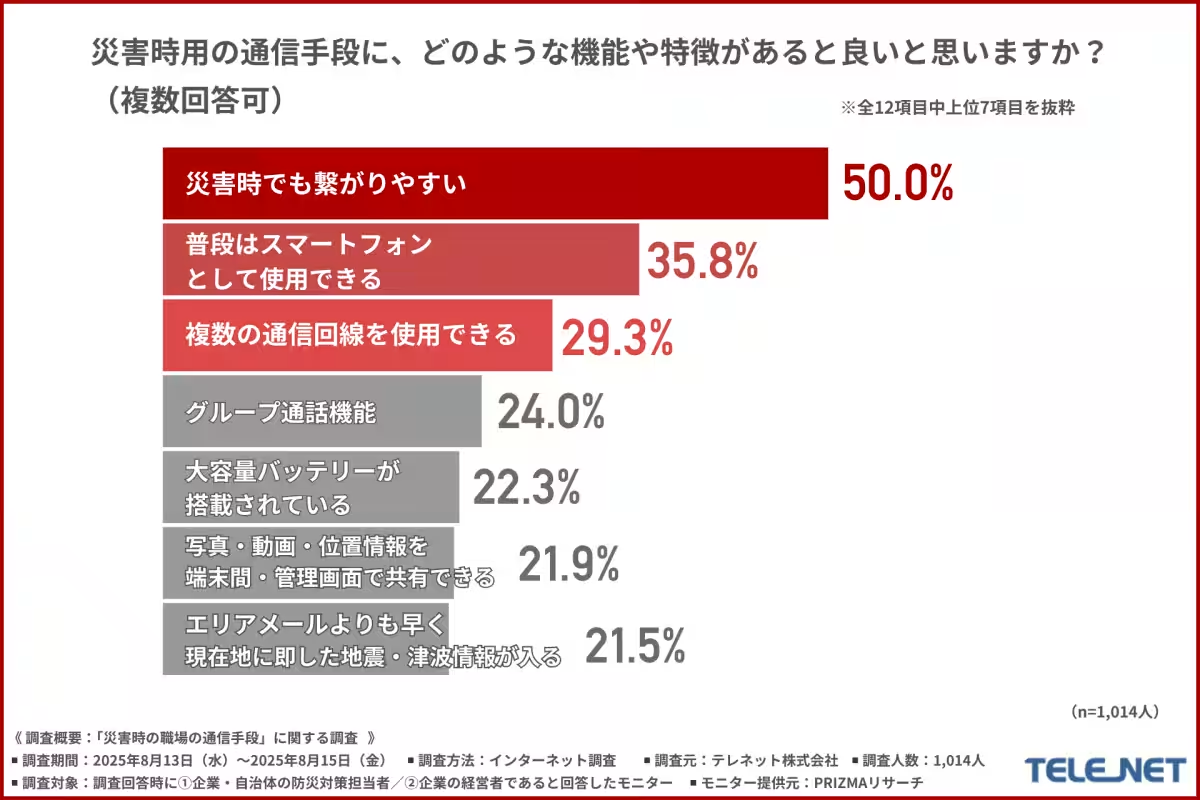
Notably, over half of the participants focused on essential functional features such as stable communication during emergencies (47.6%), real-time location sharing (37.7%), and group calling capabilities (34.6%). The evident emphasis on stability and multi-channel communication systems indicates growing awareness of the need for robust disaster communication infrastructure.
Future Implications and the Call for Seamless Integration
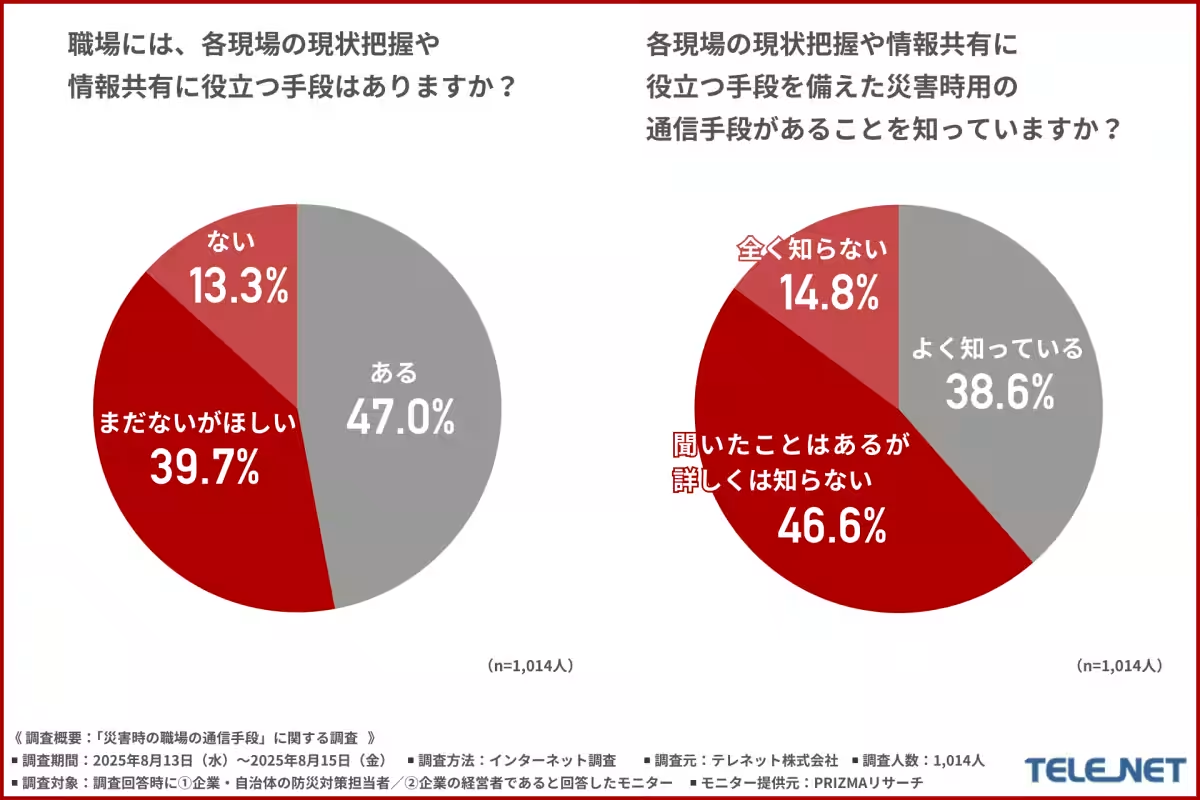
The survey findings suggest that while awareness and partial implementation exist, understanding and satisfaction regarding effective communication tools are limited. Approximately 40% indicated a desire for more tools to aid in on-site information sharing and situation awareness. However, about 60% were either not well-informed about potential solutions or completely unaware of them.
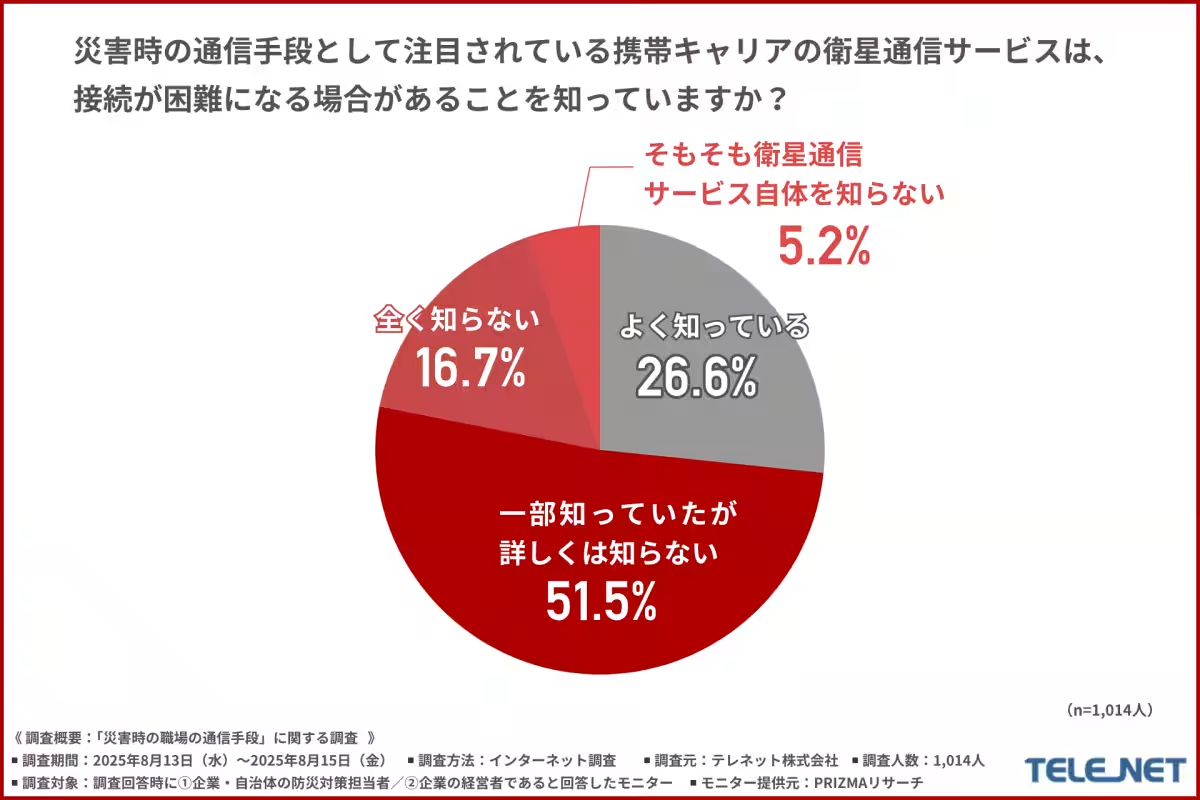
Additionally, significant confusion surrounding mobile carrier satellite communication services was evident, with over 70% of respondents lacking a robust understanding of their limitations and operational efficacy. These insights underline the importance of equipping workplaces with reliable and user-friendly communication systems that can be utilized during both emergencies and daily operations, thus ensuring seamless transitions between the two.
Conclusion: Raising the Bar on Emergency Communication Preparedness
This investigation into disaster communication measures illustrates a critical need for improvement among businesses. Despite a degree of implementation, clarity around function and user satisfaction is lacking. It's clear that developing effective communication systems is not merely about having resources available; understanding how these systems function and ensuring employees are equipped with necessary training is vital.
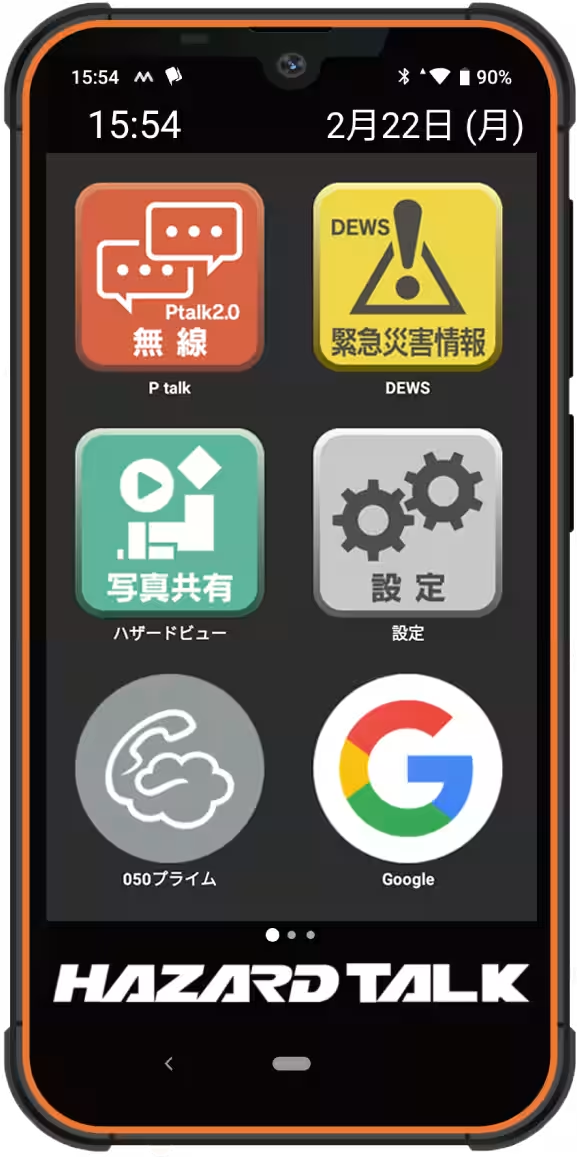
Telenet Inc. is actively addressing these needs with their multi-functional emergency communication tool, the Hazard Talk (Website), which offers seamless capabilities for both everyday use and emergency situations, ensuring that workplaces are better prepared for potential disasters. Stay tuned for more developments as they prepare to unveil new models this fall, making communication tools even more accessible and reliable for all workplaces.
Topics Policy & Public Interest)
【About Using Articles】
You can freely use the title and article content by linking to the page where the article is posted.
※ Images cannot be used.
【About Links】
Links are free to use.