



Exploring the Spiritual Legacy of Itabashi's Temples and Cultural Heritage
Unveiling Itabashi’s Spiritual Heritage
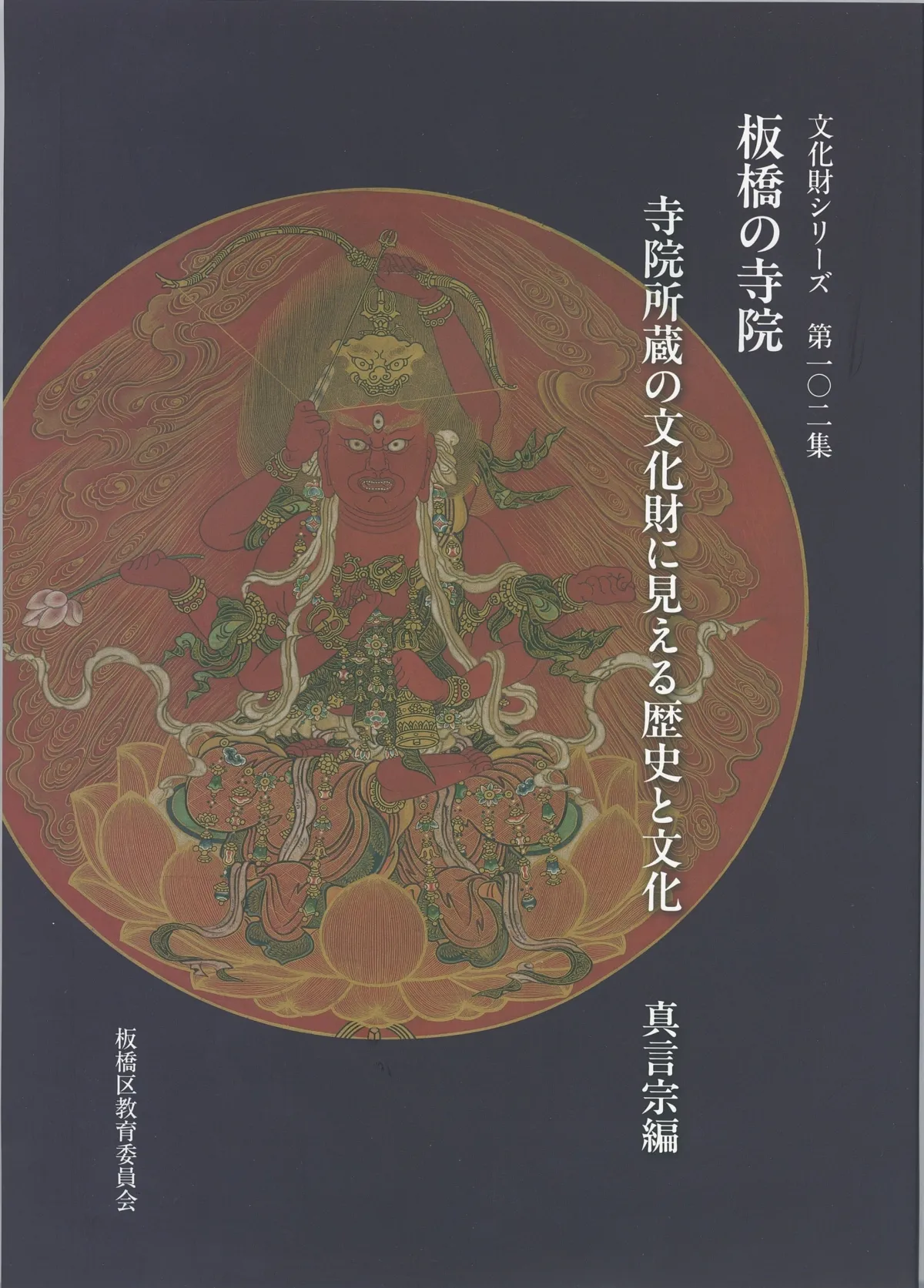
The Itabashi Ward Education Board has recently published a detailed research report named "Cultural Heritage Series Vol. 102: Cultural Assets of Itabashi Temples in the Shingon Sect," marking the first comprehensive study of its temples and cultural properties in nearly half a century. This latest publication explores significant artifacts preserved across three local temples: Nichiyou-ji, Kanmyou-ji, and Nakadai Enmeiji, shedding light on the rich historical and artistic narratives intertwined with these sacred sites.
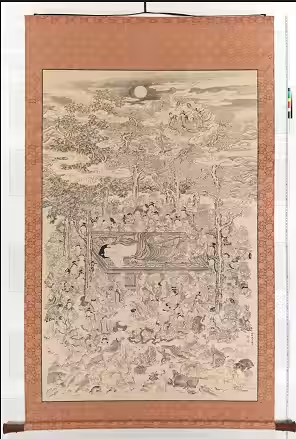
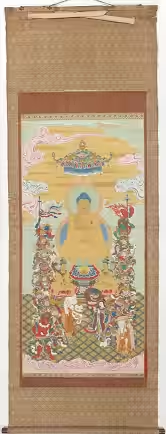
The previous report, issued in 1982, set the groundwork for understanding the spiritual and historical significance of Itabashi, which thrived as a post town on the Nakasendo route connecting Edo and Kyoto. This new publication offers a close look at rare and often hidden Buddhist art pieces, gathering insights from local curators, university scholars, and museum researchers. What makes this edition particularly special is the vivid, high-resolution color illustrations of Buddhist paintings that are typically kept under wraps.
A Legacy of Faith and Art
The temples within Itabashi serve as heartfelt refuges for diverse communities ranging from craftsmen to members of the Tokugawa shogunate. These locations embodied the local people's faith, collecting a unique assortment of treasures shaped by various spiritual expressions. As the report outlines, the cultural wealth of Itabashi is cherished as a symbol of the region's heritage, continuing to connect the past with the present.
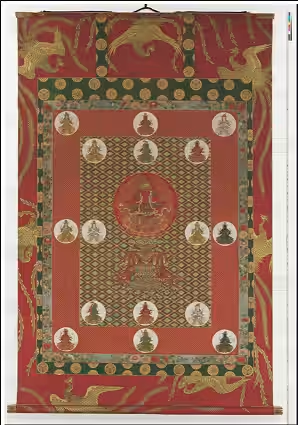
The report delves into the fine details of each temple's collection. At Nichiyou-ji, established approximately 300 years ago and linked to the Tokugawa clan, the sacred "Aizen Mandala" and exquisite Buddhist paintings showcase a historical connection between the established samurai family and the spiritual community. Similarly, Kanmyou-ji, dating back to the Muromachi era over 500 years ago, stands as a testament to the dedication of the local village of Hiraoi, whose residents funded the temple’s revival through their prayers for health and longevity.
At Nakadai Enmeiji, which was founded during the Edo period around 400 years ago, artifacts illustrate a narrative of resilience. Following multiple fires that plagued the temple, the endeavor to restore it relied heavily on significant contributions from approximately 600 individuals, whose names are commemorated in a voluminous collection of Buddhist scriptures.
Bringing Cultures Together
As visitors explore these temples along the Nakasendo route, they will also find a vibrant community whose prayers and aspirations have fostered a rich, interconnected spiritual tapestry. The connection between Hiraoi and Kanmyou-ji, for instance, reveals how local communities have worked hand in hand to sustain their heritage, reliving their enduring beliefs through shared artifacts.
In this comprehensive volume, readers can expect a thorough study revealing historical context and artistic transitions across the centuries, showcased in glossy illustrations. Each chapter articulates the importance of preserving these cultural assets while presenting a valuable resource for researchers and enthusiasts alike.
Availability for the Public
"Cultural Heritage Series Vol. 102" focuses on the Buddhist treasures housed within Itabashi's temples and is currently available for purchase at the Itabashi Local History Museum and the Civic Affairs Office at a price of 640 yen. Additionally, copies can be accessed for free at the Itabashi Central Library. This initiative not only fosters interest in the regional heritage but also helps solidify the connection between past and present for the local community.
In conclusion, examining the spiritual artifacts preserved in Itabashi's temples provides invaluable insights into the area's historical significance and the diverse array of prayers that continue to shape local identity. Whether you are a history buff, art lover, or simply curious about cultural practices, the treasures of Itabashi await you.
Contact Information
For inquiries about this research, reach out to:
Itabashi Ward Lifelong Learning Division, Cultural Assets Section
Tel: 03-3579-2636
Please note that the information above could change, and it's advisable to verify details before making any plans.
Topics People & Culture)

【About Using Articles】
You can freely use the title and article content by linking to the page where the article is posted.
※ Images cannot be used.
【About Links】
Links are free to use.