



Exploring the Unique Potential of Quince: A Science Initiative by Lotte Research Center
Unveiling the Potential of Quince: A Science Initiative by Lotte
In a world where several rare agricultural products face a decline in both production and awareness, the quince (or kannin in Japanese) has found itself at the forefront of a recent educational initiative. This initiative, led by Lotte Co., Ltd., aimed to reinvigorate interest in this traditional fruit, celebrated for its unique characteristics but often overlooked in modern culinary practices.
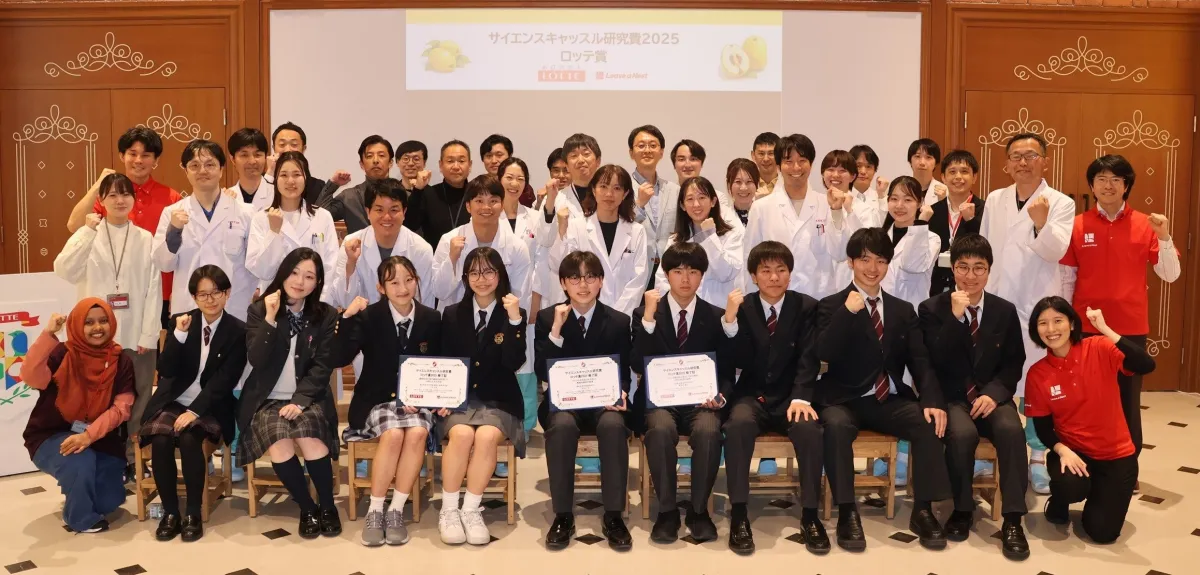
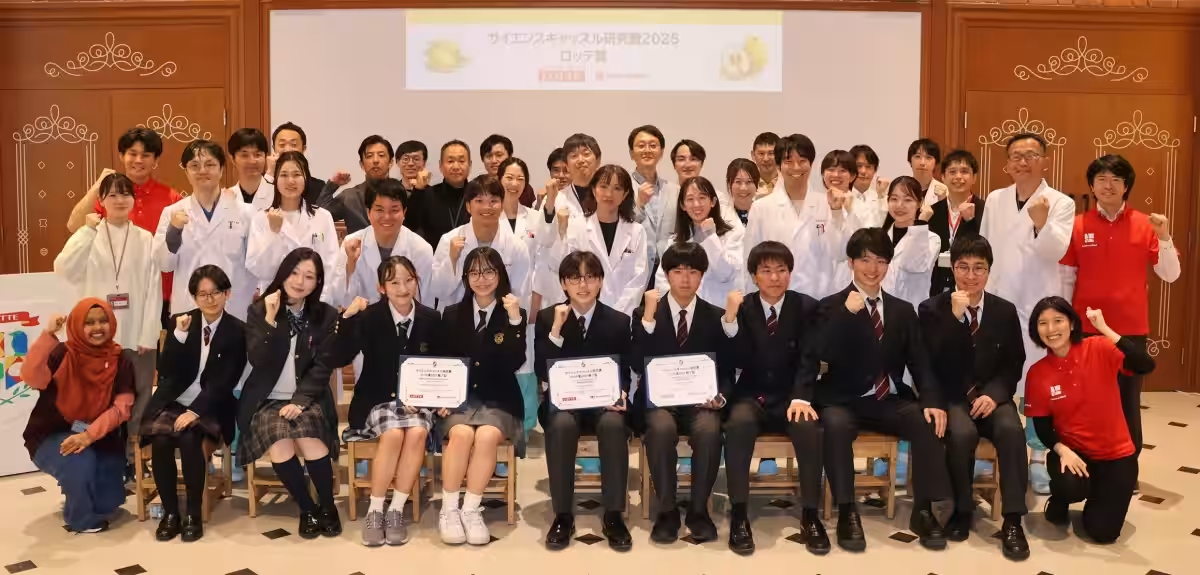
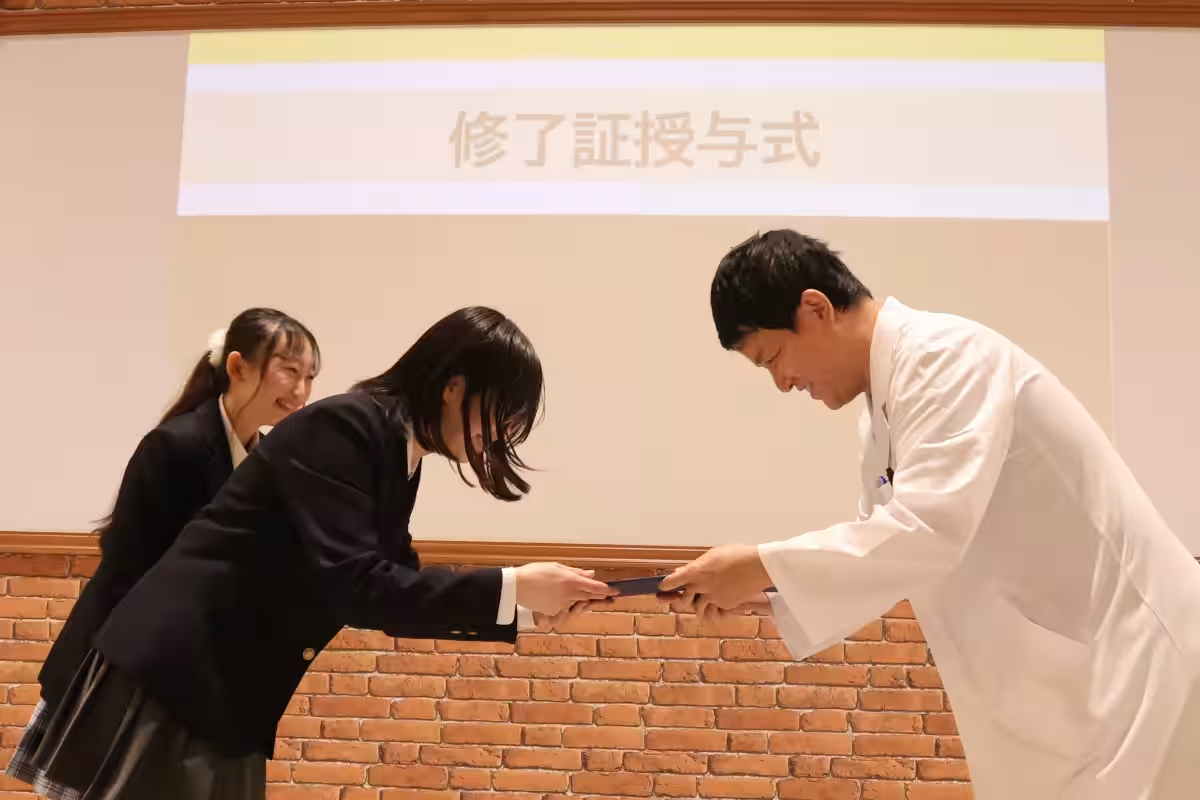
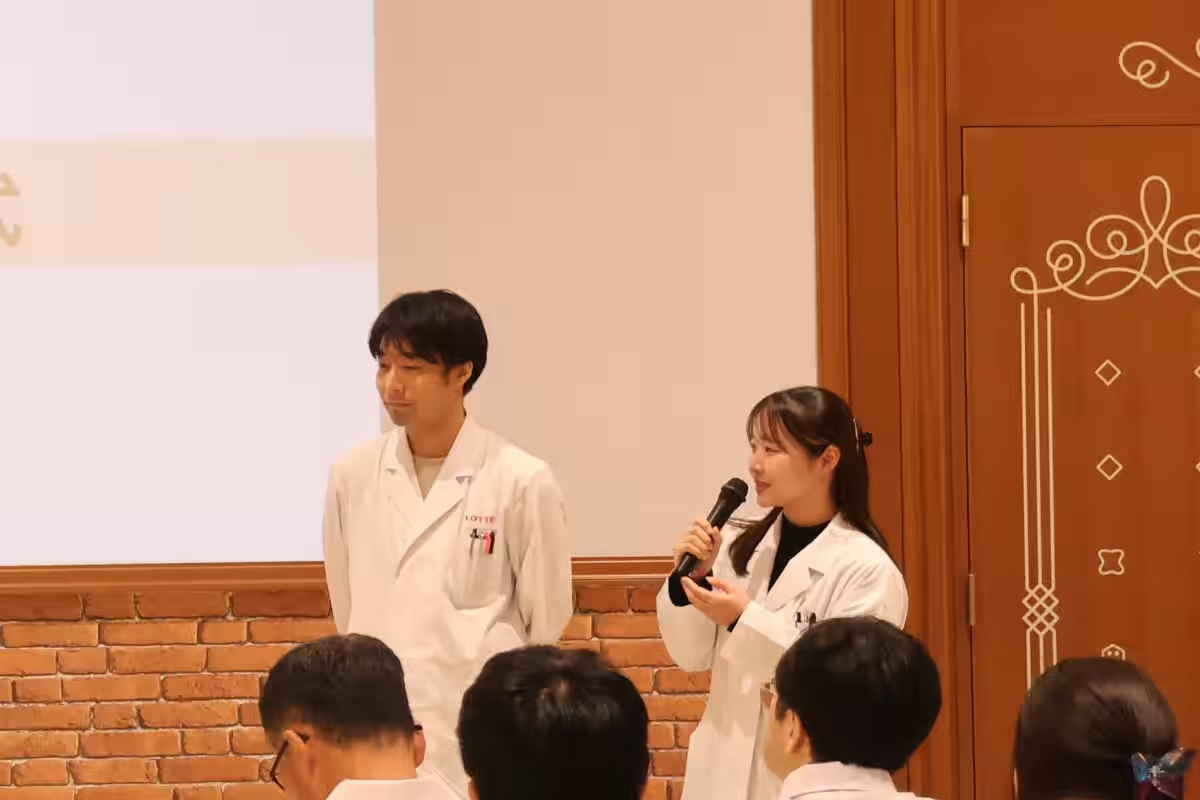
On March 26, 2026, Lotte's Central Research Institute in Saitama, Japan, hosted a成果発表会 (research presentation event) for the Science Castle Research Fund 2025 Lotte Prize. This fruitful event, which brought together talented middle and high school students, emphasized research on quince and its varied applications, showcasing the innovative projects developed over the previous six months under the guidance of Lotte researchers.
Challenging Conventional Wisdom
The focus on quince was spurred by its rarity and potential utility in various industries, including food preservation, aquaculture, and even cosmetics. Lotte, leveraging its commitment to nurturing future generations of researchers, invited students from middle schools, high schools, and specialized vocational schools to brainstorm ideas that would elevate quince's value.
Three teams were selected for their innovative proposals, each tackling unique aspects of quince's potential benefits. They explored the fruit’s properties as a natural antioxidant, its effectiveness in fish feed to enhance taste, and the formulation of eco-friendly sunscreen using plant-derived UV absorbers.
Unfolding Research Findings
The presentations unveiled remarkable findings:
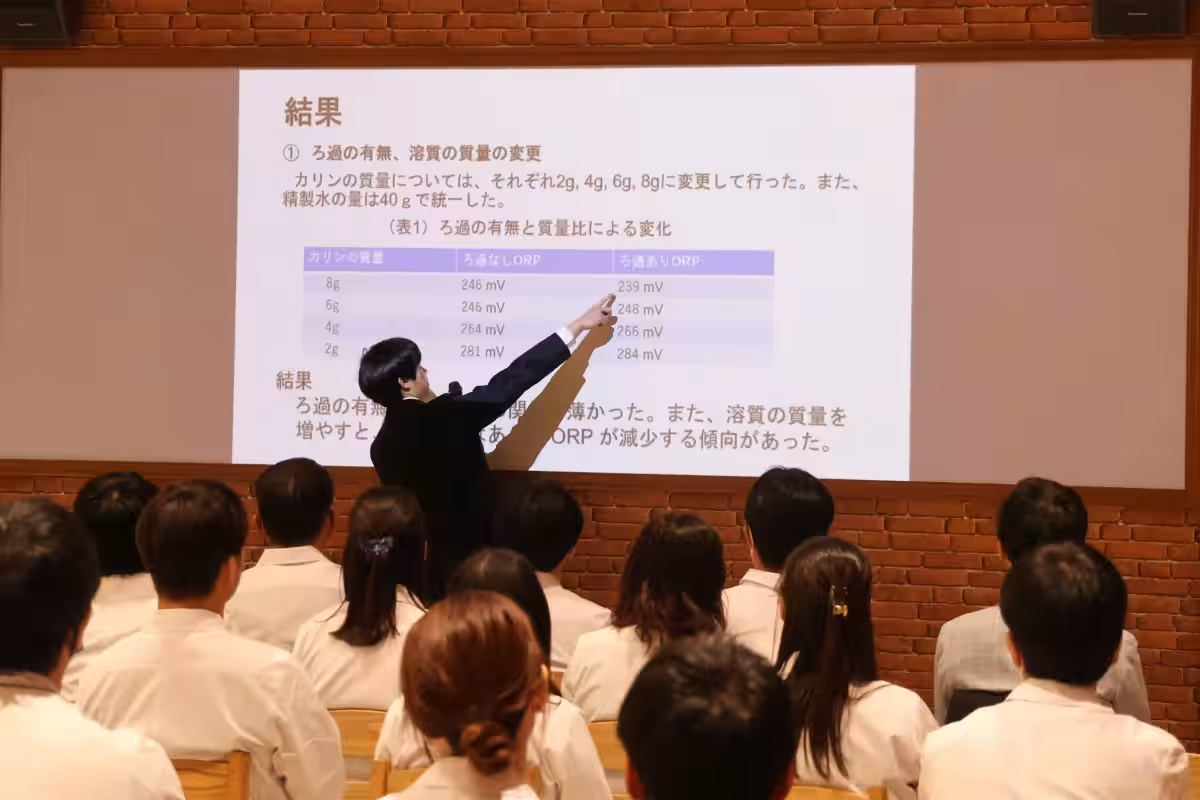
1. Antioxidant Potential: A student from Yamagata Prefectural Higashi-O sakugaku School, Asahi Tokairin, shared insights into using quince as a natural antioxidant, potentially beneficial in preventing spoilage and improving food longevity.
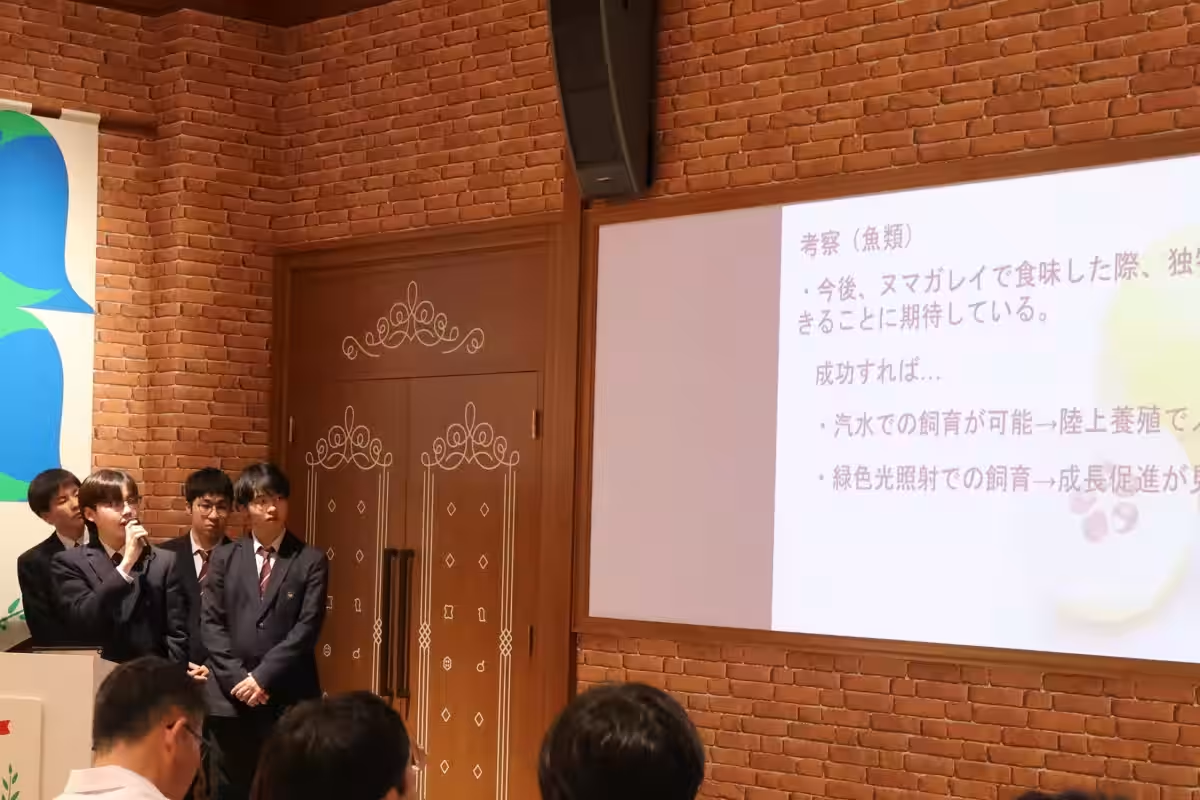
2. Fish Feed Development: At Urawa Agricultural High School, a collaboration among first and second-year students resulted in a novel feed incorporating quince components aimed at enhancing the flavor of aquaculture products.
3. Eco-Friendly Sunscreen: Students from Tokyo Gakugei University’s affiliated international middle school presented their project on creating a sustainable sunscreen by combining onion compounds with quince properties to protect the skin while being gentle on the environment.
A Day of Inspiration and Collaboration
The atmosphere at the event was charged with intellectual curiosity as both students and researchers exchanged ideas. One student expressed, "I have learned the importance of earnest dedication in research,” while another stated, “I aspire to uncover new potentials for quince with our own hands.” Lotte researchers, impressed by students' fresh perspectives, commented on the depth and creativity of the students' approaches and hypotheses.
The event not only showcased the scientific prowess of young minds but also sparked conversations on sustainability, tradition, and the future of agriculture. As participants engaged with each other's work, the camaraderie and shared passion for the quince transformed the environment into a collaborative space full of excitement.
Lotte continues to aspire to a 'happy future' through initiatives that bridge the gap between research and real-world applications. The success of this program exemplifies the company's commitment to community engagement and education, while also repositioning the humble quince fruit into a spotlight that it long deserved.
Lotte and Livenes's collaborative efforts have not only provided students with rewarding experiences but have also laid a foundation for future research to further explore the capacity of this rare agricultural gem.
For more information about the Science Castle Research Fund 2025 Lotte Prize and related projects, visit Lotte's official site and learn about how the company champions future scientists.
Topics People & Culture)
【About Using Articles】
You can freely use the title and article content by linking to the page where the article is posted.
※ Images cannot be used.
【About Links】
Links are free to use.