



The Impact of Distance from Parents on Modern Parenting: Insights from 300 Parents Survey
Understanding the Effects of Extended Family Distance on Parenting
A recent survey by MFRO, which gathered responses from 300 parents raising children away from their families, sheds light on how the proximity of one’s family can greatly influence parenting dynamics and everyday life. This survey is crucial, especially in light of the increasing number of dual-income households and the migration of populations to urban areas, which often distances young families from their supportive relatives.
The presence of extended family can provide essential support in several ways, including assistance with childcare, help during sudden illness, and emotional comfort. Yet, these benefits can be drastically altered based on geographic distance. This research aims to elucidate how the closeness or distance of one’s family affects parenting and daily life, as well as to identify the challenges and ideal circumstances faced by modern parents.
Survey Methodology
Conducted from August 15-18, 2025, the survey included a diverse group of parents, of whom 221 were women and 76 were men, with additional participants identifying otherwise. The age distribution of the respondents predominantly fell within their 30s (approximately 47%), while those in their 20s, 40s, and 50s accounted for smaller proportions. Given the changing social fabric, the survey sought to gather substantial insights on the effects of family closeness on parenting, thereby contributing to discussions around contemporary family dynamics.
Distance Effects: A Dichotomy
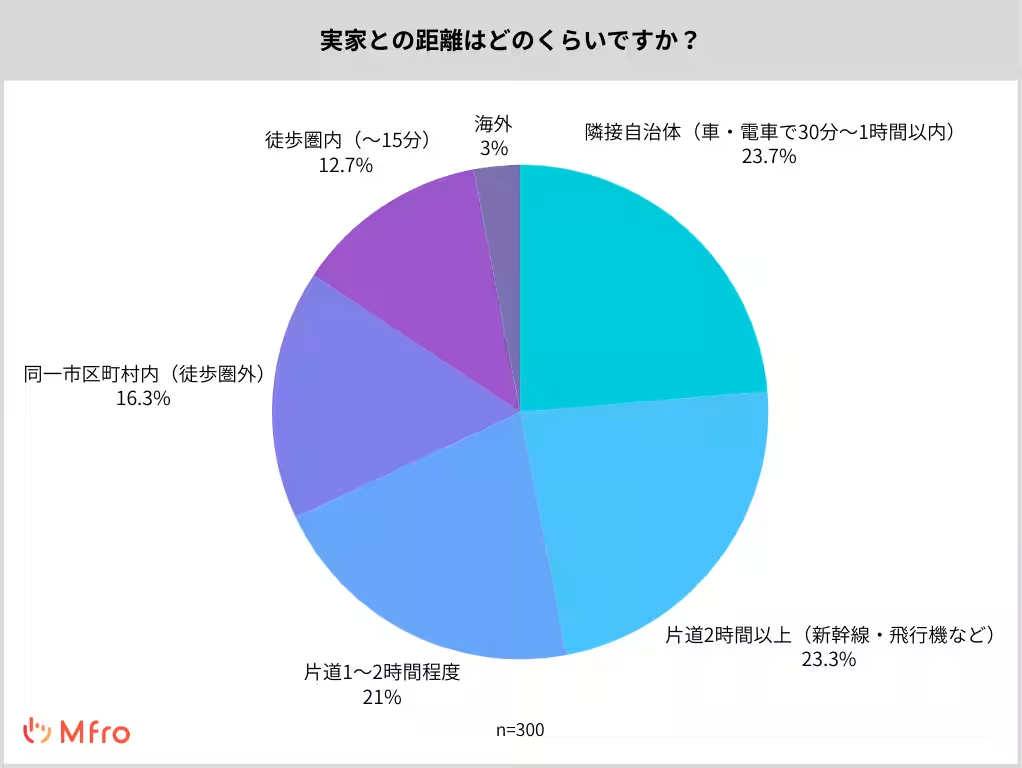
Survey results highlighted a polarization in family distances: approximately 24% of respondents lived in adjacent municipalities within a 30-minute to one-hour travel time, while a similar number reported being more than two hours away from their families. Following these were those indicating a one to two-hour distance (21%) and those residing within the same municipality (16%). Only about 13% of families reported their parents living within walking distance, thus indicating that parents are significantly divided into those easily reachable and those feeling quite distant.
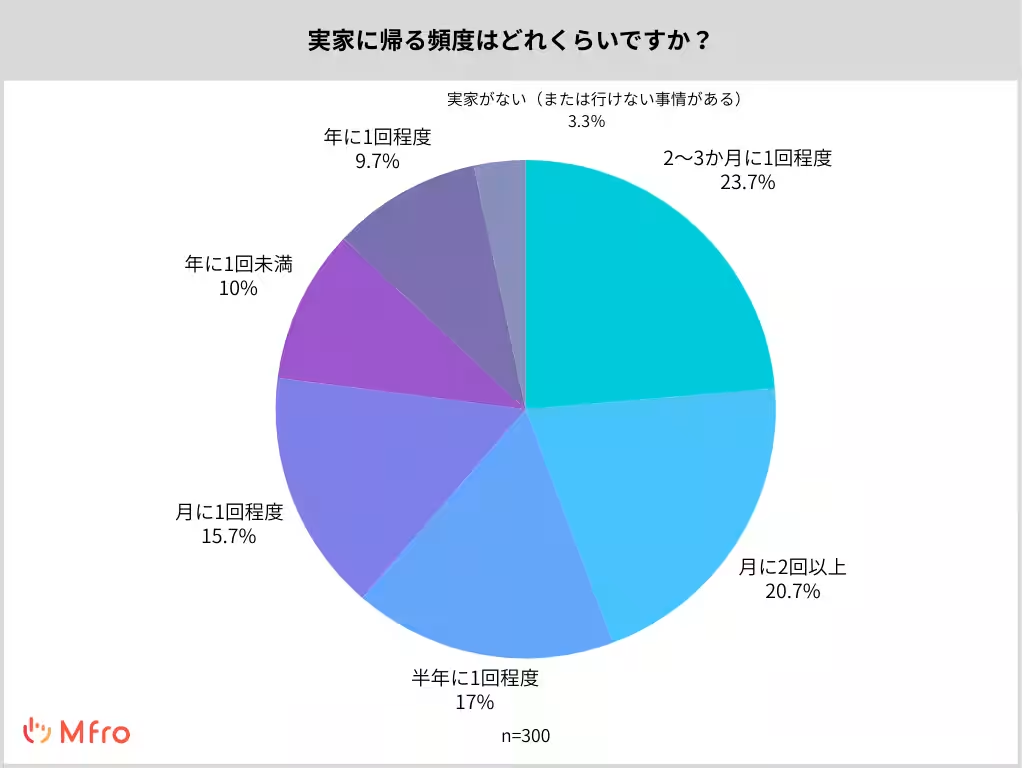
Additionally, when asked how often they return to their hometowns, the most common response (23.7%) was every two to three months. Following that were bi-monthly visits (20.7%), and around 17% reported visiting approximately every six months. Interestingly, 20% of the respondents visited less than once a year, indicating a substantial variance in familial engagement based on distance and personal circumstances.
Perceived Impact of Distance on Parenting
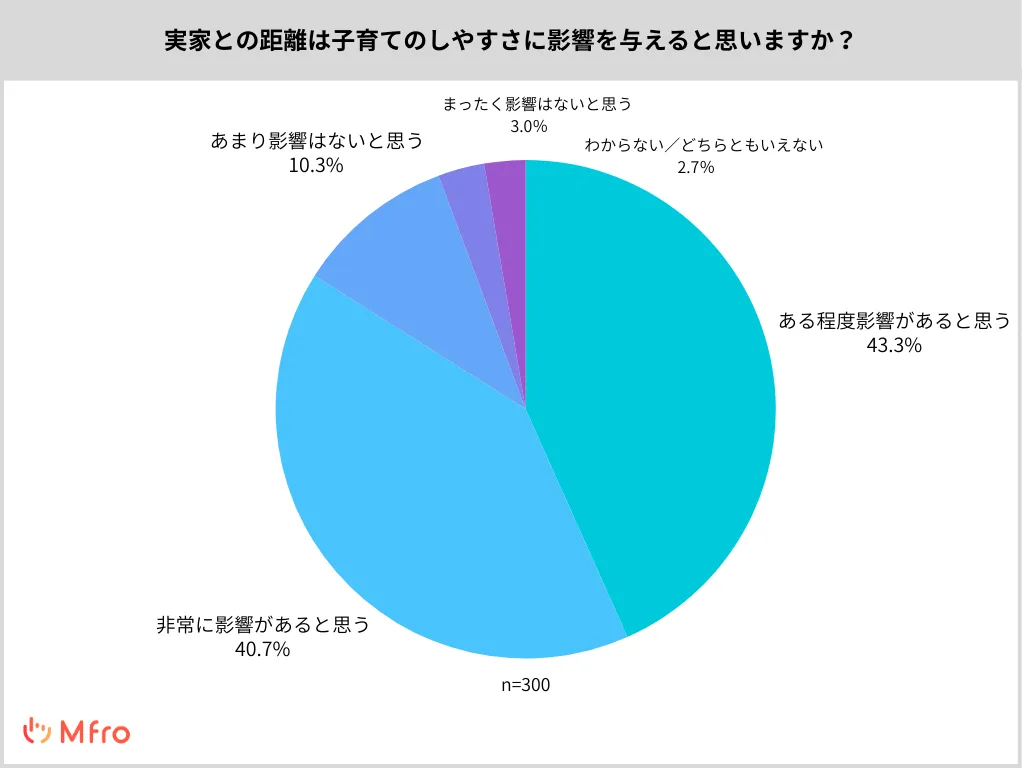
The survey overwhelmingly indicated that over 80% of participants felt distance had an impact on parenting, with 40.7% believing it was a significant influence. The absence of nearby family members was noted especially during emergencies—a critical finding for families relying on immediate support from grandparents or other relatives. The challenges of living far away were evident, especially regarding parental concerns during illnesses and significant life transitions such as childbirth.
Advantages of Proximity
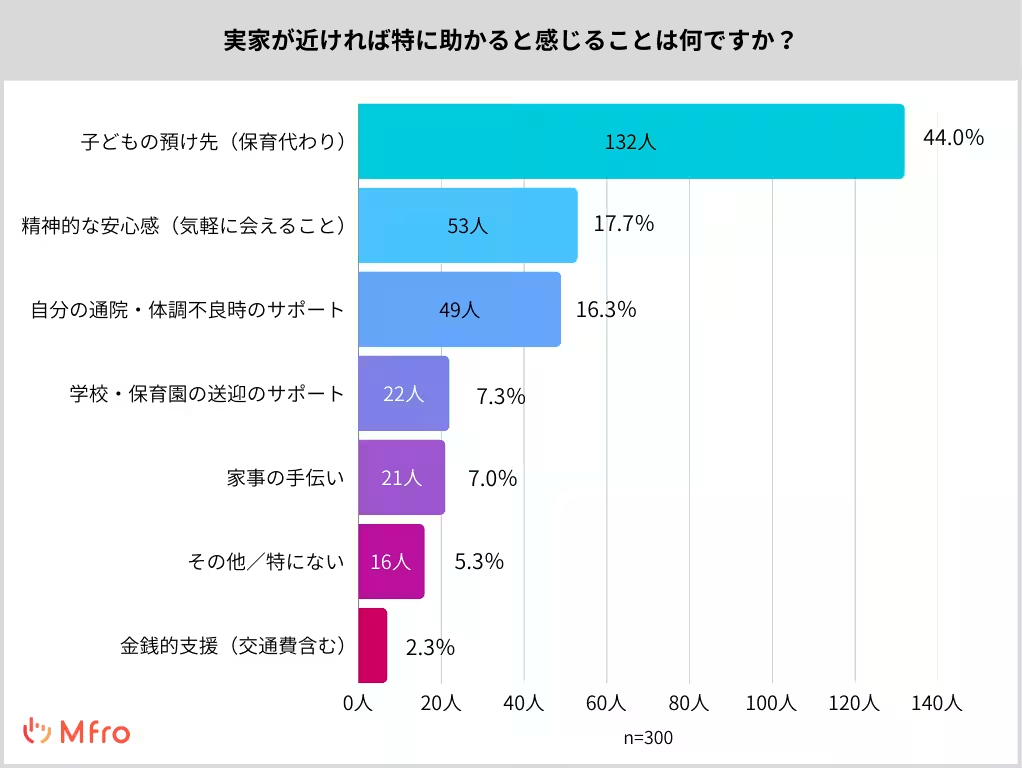
When parents described the advantages of having family members nearby, the most significant benefit cited—by 44%—was having a reliable childcare option. This was closely followed by the emotional comfort and assurance of knowing support was readily available. The feedback pointed out not only the practical assistance of physical support but also the psychological relief that comes from knowing family can help.
Distance-Induced Challenges
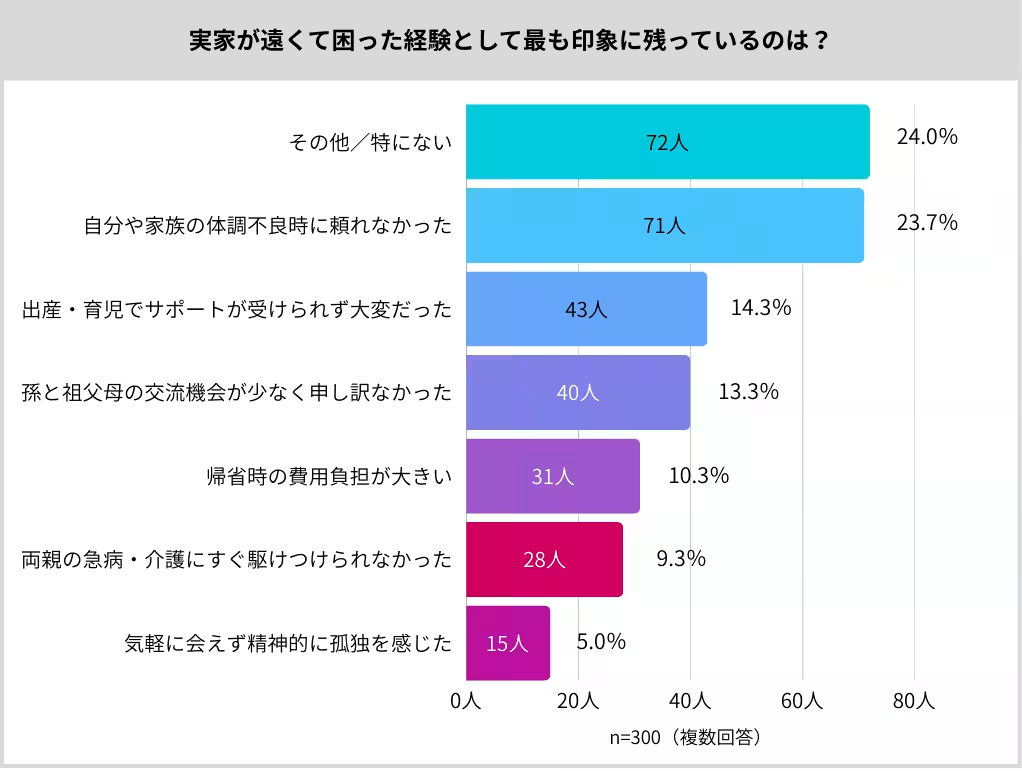
On the flip side, the major struggles reported from living far away included the inability to rely on family support during times of sickness (23.7%) and the lack of assistance during critical parenting times (14.3%). Parents expressed feelings of regret for decreased interactions between their children and grandparents due to distance, which spotlighted the emotional toll of separated families. This also extended to the economic impact, with some mentioning that the cost of travel added strain during necessary visits.
Ideal Familial Distance
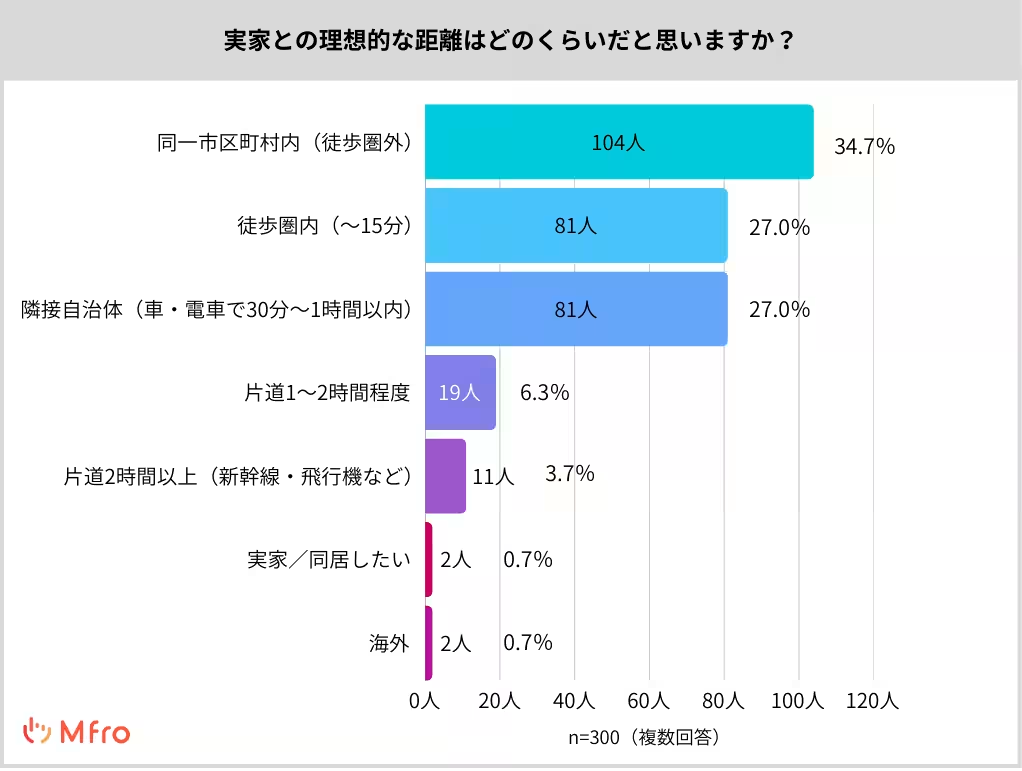
The survey asked about perceived ideal distances for family members, indicating that many respondents favor the presence of family within the same municipality (34.7%). This was supplemented by responses indicating a preference for proximity within a 15-minute walking distance (27.0%). Parents appear to prioritize a balance where they can gain immediate support without compromising their independence, driving home the idea that “near enough to help, but far enough to stay autonomous” is an ideal scenario for many.
Conclusion and Further Implications
The findings emphasize the significant role that the proximity of extended family plays in shaping parenting experiences today. While immediate family nearby can offer vital support, it also comes with the potential for increased interference, which can be perceived as negative. Conversely, living far away poses substantial risk factors for parental support during emergencies and everyday parenting tasks. As cities continue to grow and family structures evolve, the insights from this survey underscore the need for communities and services to explore additional ways to ease the challenges faced by parents who no longer have easy access to their family forms of support.
This discussion provides crucial insights for policymakers, community leaders, and mental health professionals aiming to devise supportive measures that can bridge the gap that distance creates for families.
For more information on this survey and its findings, visit Claudia Assistant.


Topics People & Culture)

【About Using Articles】
You can freely use the title and article content by linking to the page where the article is posted.
※ Images cannot be used.
【About Links】
Links are free to use.