



Challenges and Digital Transformation in Japan's Logistics Industry
Investigating Regulatory Changes and Digital Transformation in Logistics Sector
In a recent survey conducted by Infomart, a Tokyo-based company looking to streamline operations through digital solutions, insights into the logistics industry and shipper companies have been unveiled. This survey targeted 180 employees within the logistics sector and 180 from various shipper industries, including manufacturing, retail, and healthcare.
Survey Results Summary
The survey shed light on the ongoing challenges in the logistics domain, notably the shortage of drivers and rising operational costs. Surprisingly, just over 30% of respondents admitted to not actively addressing the implications of regulatory changes. Vital factors obstructing the digital transformation (DX) include heavy reliance on traditional methods such as paper, FAX, and phone communication, which further complicates the transition to a more efficient and tech-driven model.
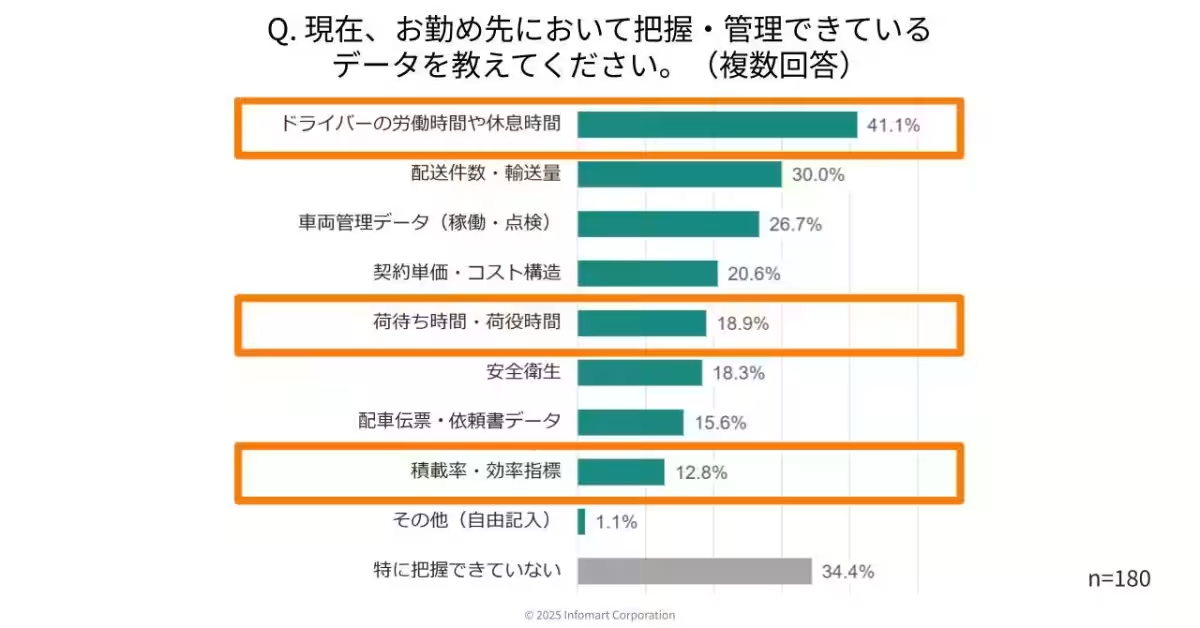
Interestingly, while data collection on driver working hours is improving, sectors measuring waiting times and load efficiency are lagging.
Key Findings
- - Logistics Sector Challenges
- Over 30% of respondents indicated they are not taking any particular actions to deal with these growing challenges.
- The reluctance to advance in digital transformation prevails partly due to financial constraints and limited staff resources.
- - Position of Shipper Companies
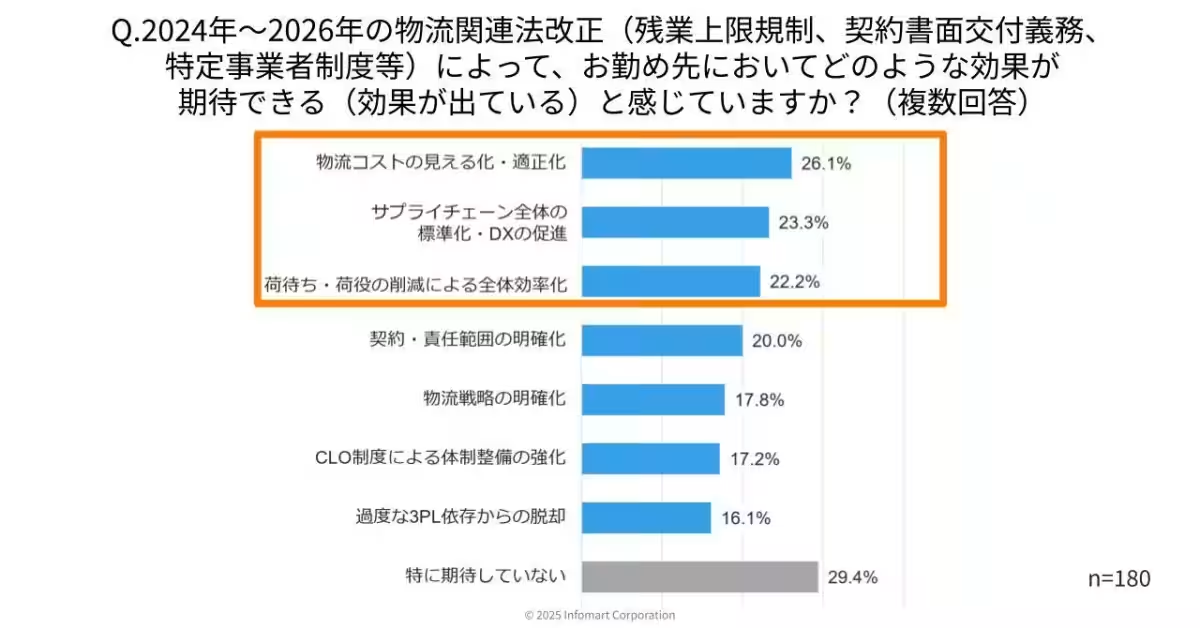
- Expectations have risen among shippers regarding the visibility and optimization of logistics costs resulting from these regulatory shifts.
- They expressed a keen focus on digitizing contract and order documentation as integral to their digital transformation efforts.
Detailed Insights
Logistics Industry Report
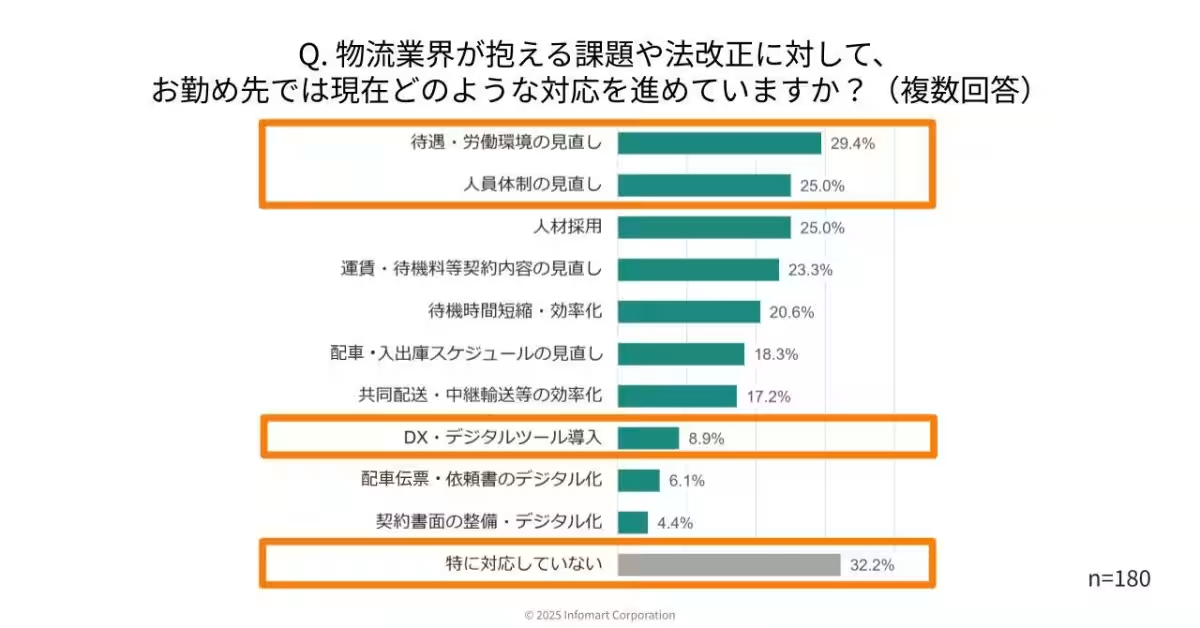
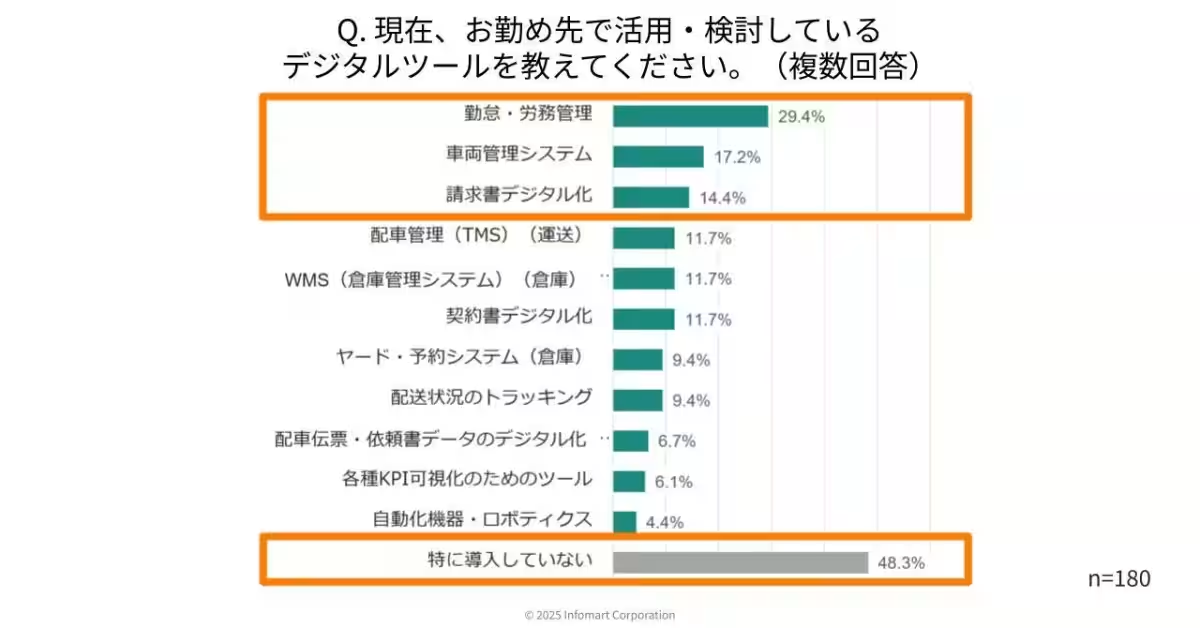
When questioned about their current responses to regulatory challenges, a significant 32.2% indicated that their companies are not actively addressing these issues—this aligns with findings that suggest almost half of the surveyed logistics companies are not implementing any digital tools. While some firms have adopted essential back-office systems, like attendance management and billing digitalization, the overall uptake of digital solutions is alarmingly low.
Moreover, while there has been substantial progress in recording driver working hours, areas such as waiting times for loading and unloading, along with efficiency metrics, reflect concerning delays in data collection, with only 18.9% and 12.8% of companies respectively managing these aspects effectively.
Shipper Companies Report
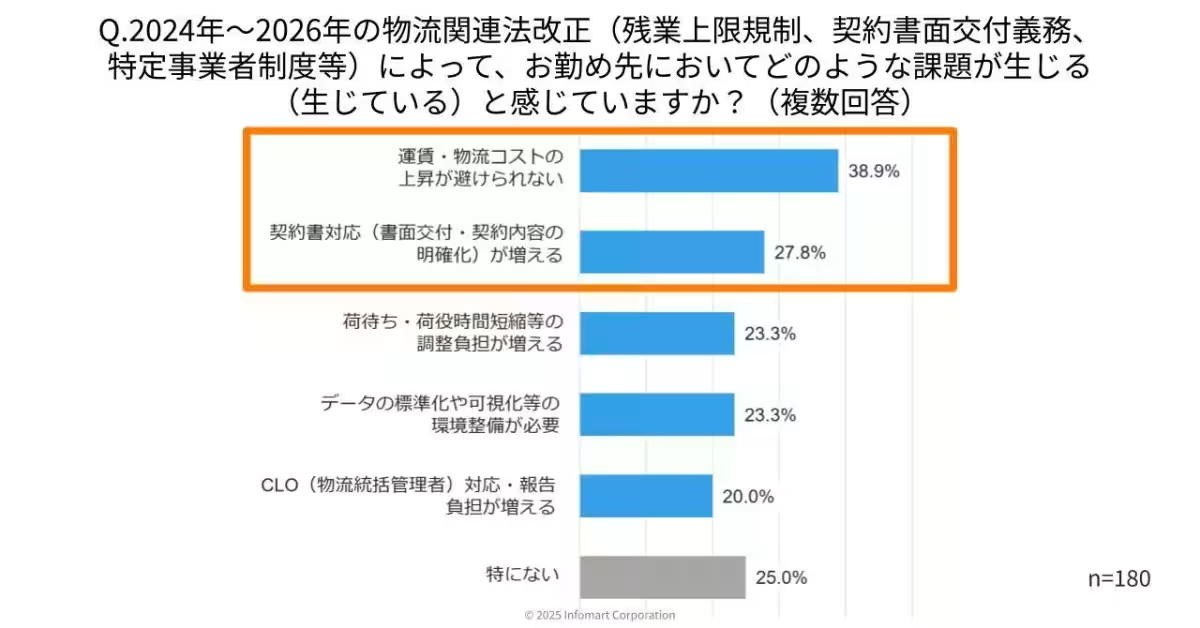
Conversely, the shipper perspective highlights a worry regarding freight costs and the increasing complexity of contract management due to new laws; nearly 38.9% felt that rising logistics costs were unavoidable, furthering the stress of operational compliance. The foodservice industry, in particular, emphasized the burden of contract management, with 41.7% feeling the pinch likely due to their multi-branch nature and complex supplier dynamics.
Root Causes of Digital Slowdown
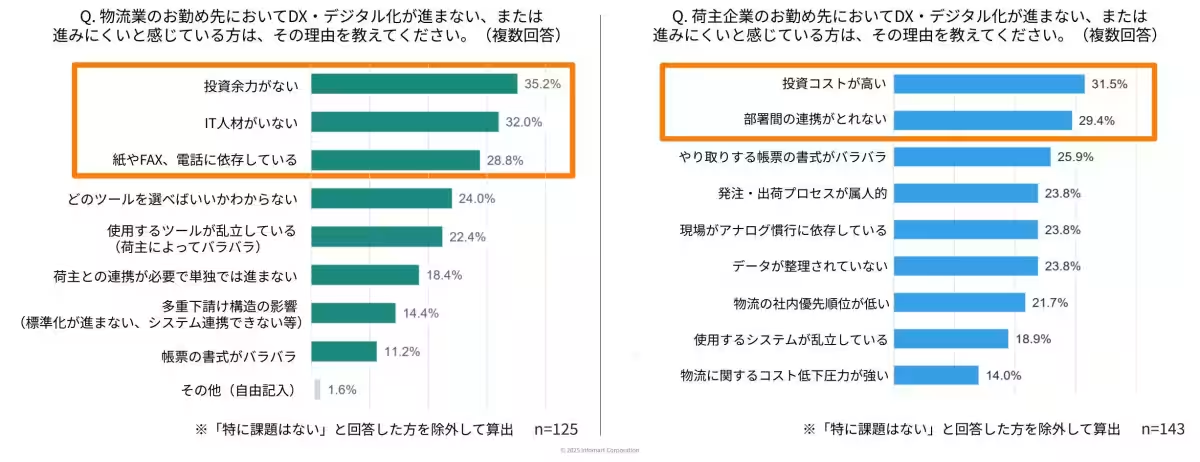
Both sectors face significant barriers regarding digital transformation. Among logistics companies, lack of budget and IT personnel ranks as the primary obstacle, with 35.2% and 32% respectively pointing to these issues. For shipper companies, the primary factors deterring digital progress include high investment costs and insufficient inter-departmental communication.
Conclusion and Future Directions
The findings of this survey highlight a crucial need for transformative engagement within the logistics sector. As regulations evolve, there is a significant lag in action from nearly one-third of companies facing major operational challenges. The continued use of outdated methods prohibits necessary advancements in efficiency and compliance, which can be addressed through robust data visualization and digital integration strategies.
As we look forward, it's clear that enhancing digital solutions will aid in managing costs more effectively and streamlining supply chains. Infomart is committed to supporting businesses in this digital journey for the long term, ensuring enhanced operational efficiency through the digitization of paperwork and management processes.
For a more detailed report, visit our download link: Infomart Logistics Report.


Topics Consumer Products & Retail)
【About Using Articles】
You can freely use the title and article content by linking to the page where the article is posted.
※ Images cannot be used.
【About Links】
Links are free to use.