



Exploring the Trends in Farewell Party Culture Among Japanese Professionals in 2026
Insights from the 2026 Farewell Party Awareness Survey
As we move into March, many workplaces across Japan begin to hold farewell parties for employees transitioning out due to resignations or relocations. Recently, Persol Career’s Job Consulting conducted a significant survey targeting professionals' opinions and attitudes regarding farewell parties. This survey included responses from 386 working adults, delving into various aspects such as past party experiences, willingness to participate, sentiments towards the tradition, and the desire for personal farewell parties.
Overview of the Survey
The survey, conducted between February 11 and February 16, 2026, sampled registered users aged between 20 and 50 across various industries, aiming to understand the current state of farewell party customs against the backdrop of evolving work practices and economic considerations. The findings reveal a fascinating glimpse into how professionals view these traditional events during a crucial period of workplace transition.
Cultural Perspectives on Farewell Parties
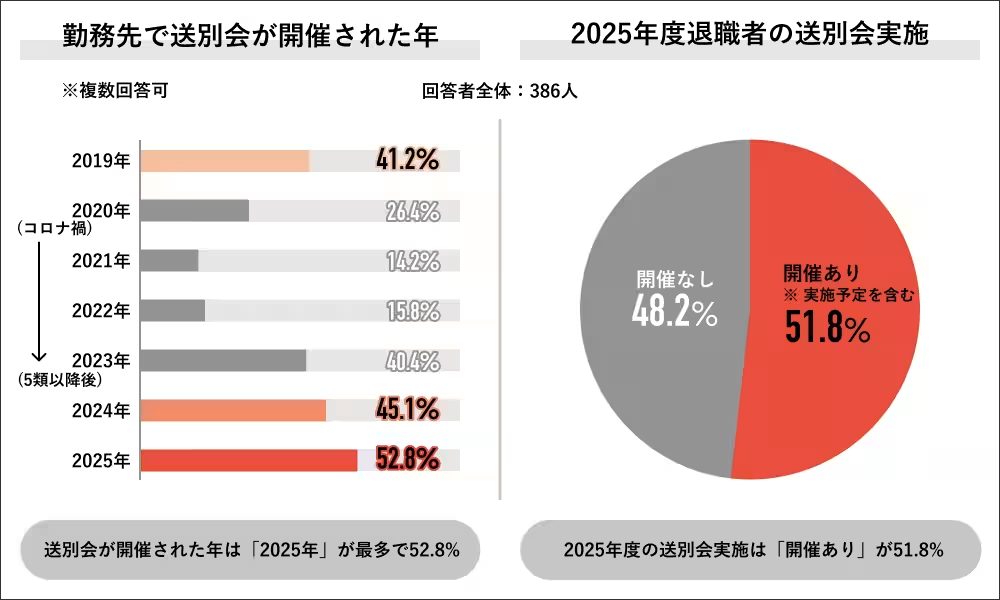
According to the survey, there is a palpable interest in farewell parties, with 51.8% of respondents confirming plans to hold such events. This number marks a recovery from the drastic drop in 2020 during the COVID-19 pandemic, which saw participation plummet to just 14.2%. The figures illustrate a broad spectrum of opinions within the workforce, particularly in light of the collective challenges faced during the pandemic.
Key Findings
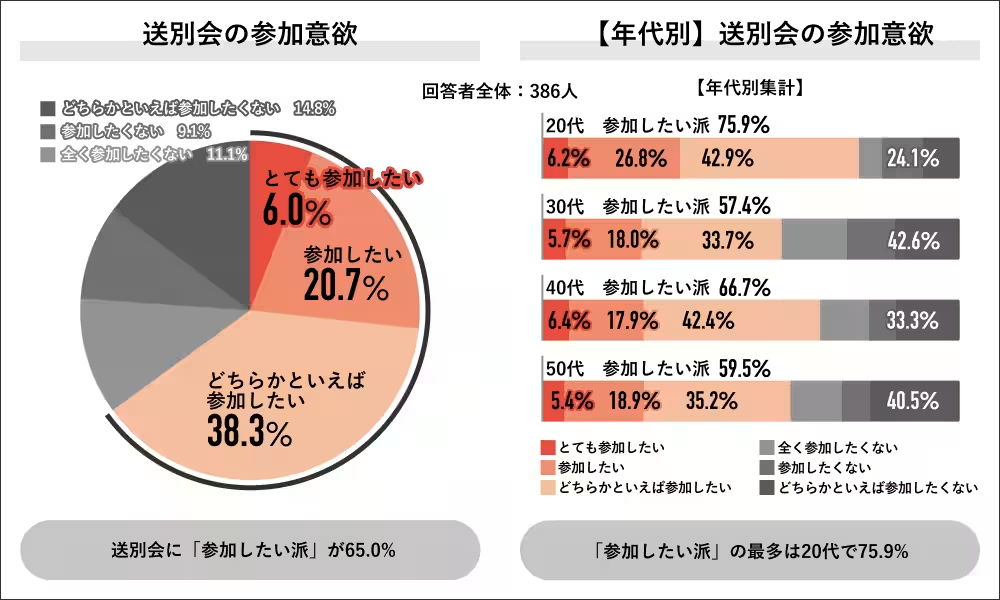
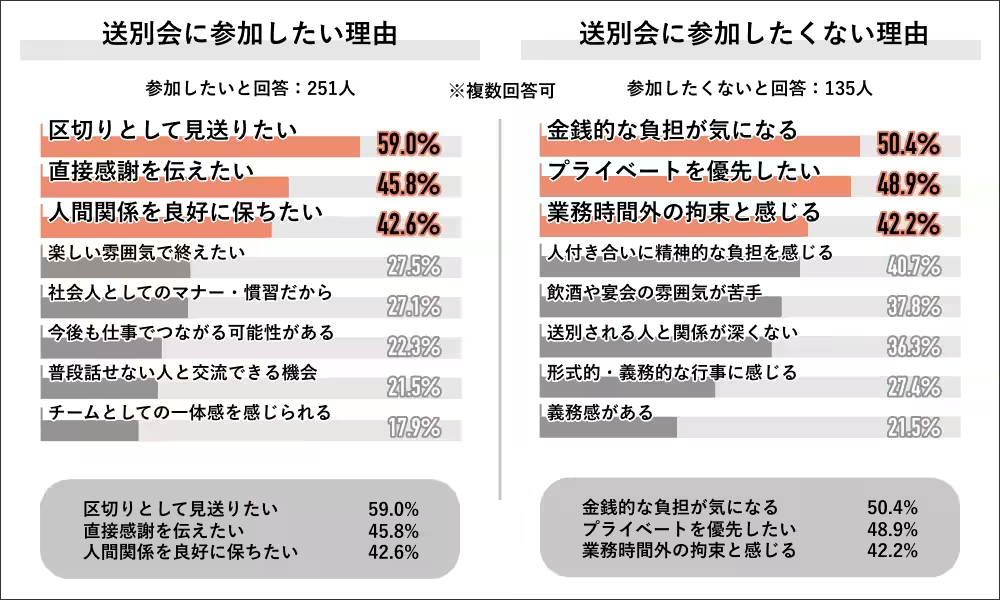
1. Desire to Participate: A substantial 65.0% of respondents expressed eagerness to attend farewell parties in 2026. Among these, those in their twenties showed the highest enthusiasm at 75.9%. The primary reasons identified for wanting to participate centered on wanting to show appreciation and marking life transitions.
2. Concerns about Participation: Conversely, for those who preferred not joining, financial constraints topped the concerns, followed closely by the desire to prioritize personal time and discomfort with perceived obligations to attend.
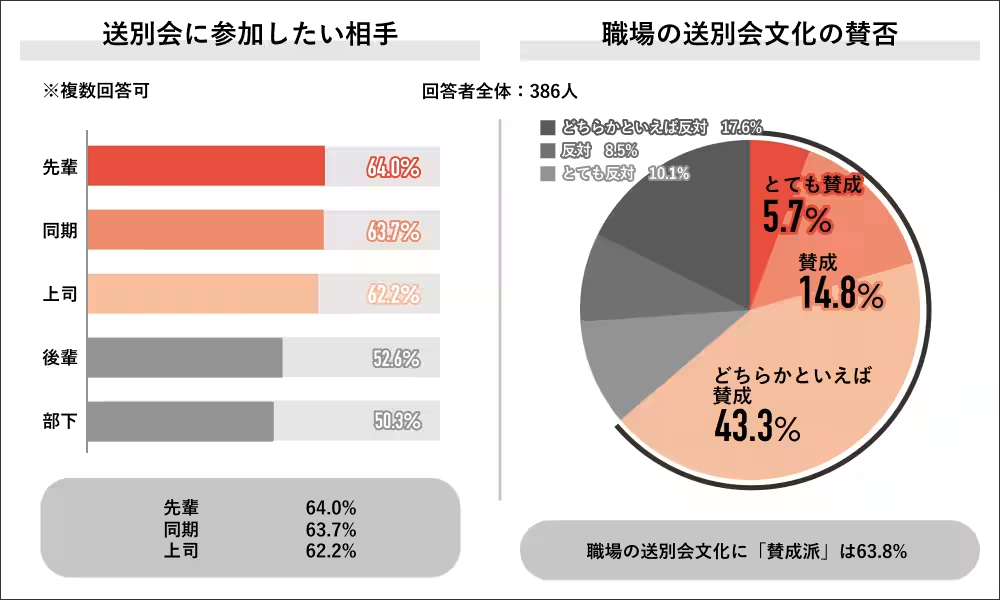
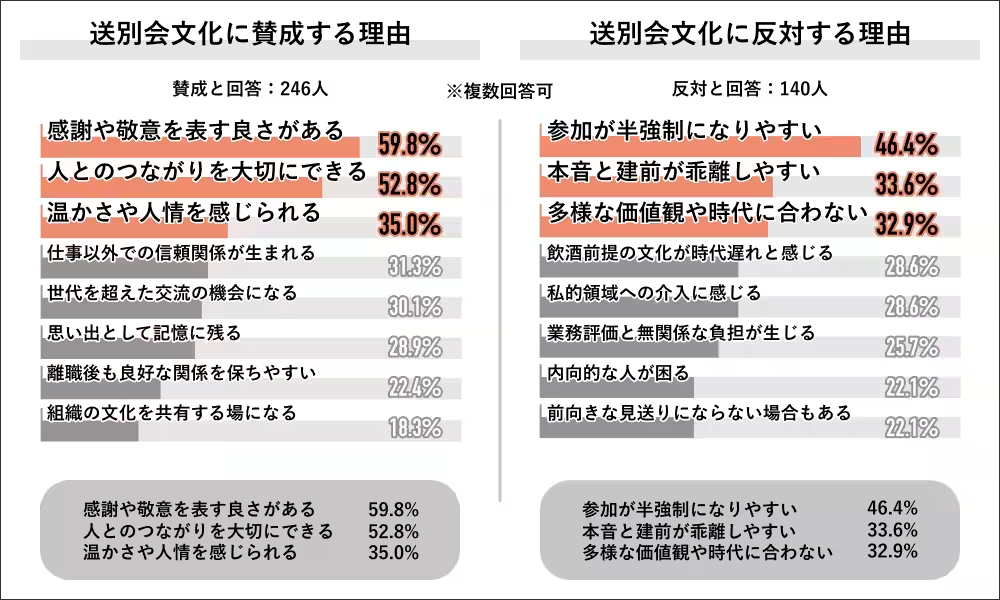
3. Support for Farewell Culture: Overall, 63.8% of respondents voiced support for farewell party traditions, highlighting the significance of expressing gratitude and fostering relationships. However, concerns about the compulsory nature of these gatherings were notably raised, suggesting a tension between tradition and modern workplace expectations.
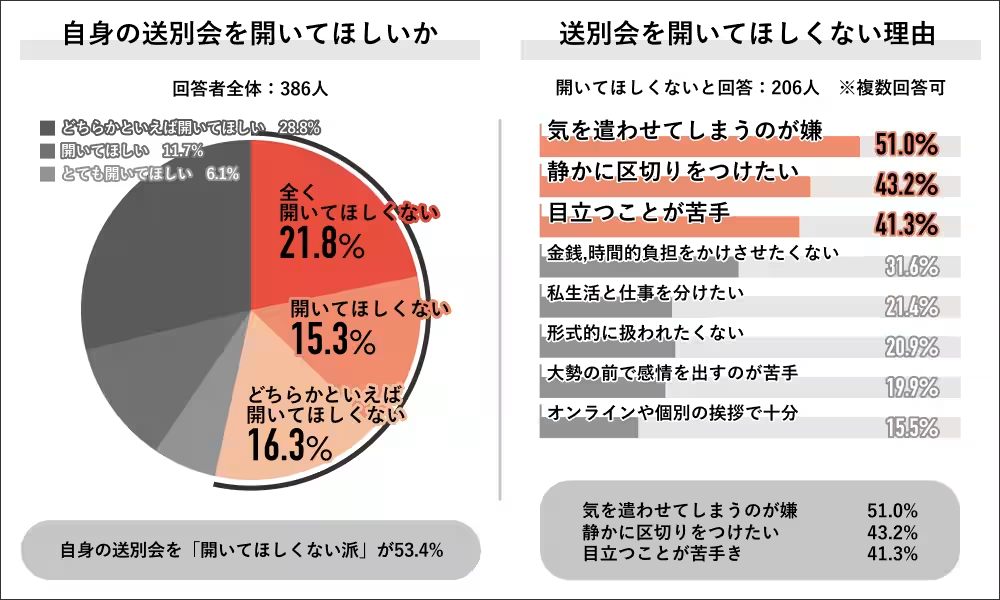
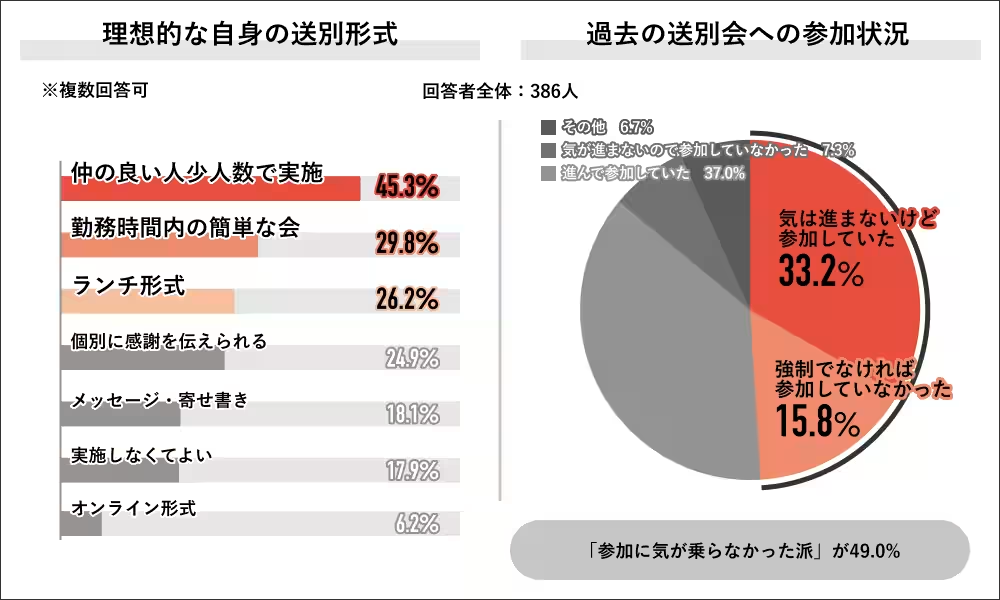
4. Personal Farewell Preferences: A striking 53.4% of participants indicated they would prefer not to have farewell gatherings held in their honor. Most expressed a reluctance due to concerns of burdening colleagues with expectations.
Understanding Participation Motivations
Delving deeper into motivations, many respondents who support farewell parties cited the benefits of expressing gratitude and maintaining interpersonal connections. Yet, unhappily forced participation, often aligned with institutional pressure, casts a shadow over the tradition.
- - Those wishing to attend often cited wanting to convey thanks to their colleagues or celebrate shared experiences. Conversely, fears around financial burdens and a general priority for personal time topped the list of concerns for those reluctant to participate.
Changing Dynamics of Farewell Events
The data suggests that the cultural landscape surrounding farewell parties is evolving. Rather than viewing these gatherings as mere corporate formality, many professionals are seeking ways to make them meaningful, celebrating personal relationships over obligation. Younger professionals particularly herald the shift towards more personalized, intimate gatherings rather than large, impersonal celebrations.
- - Ideal Formats: When asked about preferred formats for their farewell gatherings, the majority leaned towards intimate settings with close friends or colleagues rather than large-scale events, echoing the desire for authenticity in their workplaces.
Balancing Tradition and Autonomy
As Japan grapples with changes in workplace culture, the findings reveal a dichotomy between the appreciation for farewell parties and an aversion to forced participation. Many professionals desire to maintain the tradition of showing respect and gratitude while simultaneously wanting the autonomy to manage their own farewell narratives—a reflection of broader social changes towards more personalized and less obligatory work relationships.
In conclusion, the 2026 Farewell Party Awareness Survey highlights the ongoing evolution within corporate Japan. While many professionals recognize the emotional and communal significance of farewell parties, they also advocate for flexibility and choice within such traditions. Moving forward, businesses will need to adapt to these nuanced expectations, embodying a culture that honors individual feelings and relationships over rigid compliance with tradition. Through thoughtful dialogue and inclusive practices, the workplace can transform farewell parties into genuine expressions of appreciation and connection, rather than mere formalities.

Topics People & Culture)
【About Using Articles】
You can freely use the title and article content by linking to the page where the article is posted.
※ Images cannot be used.
【About Links】
Links are free to use.