



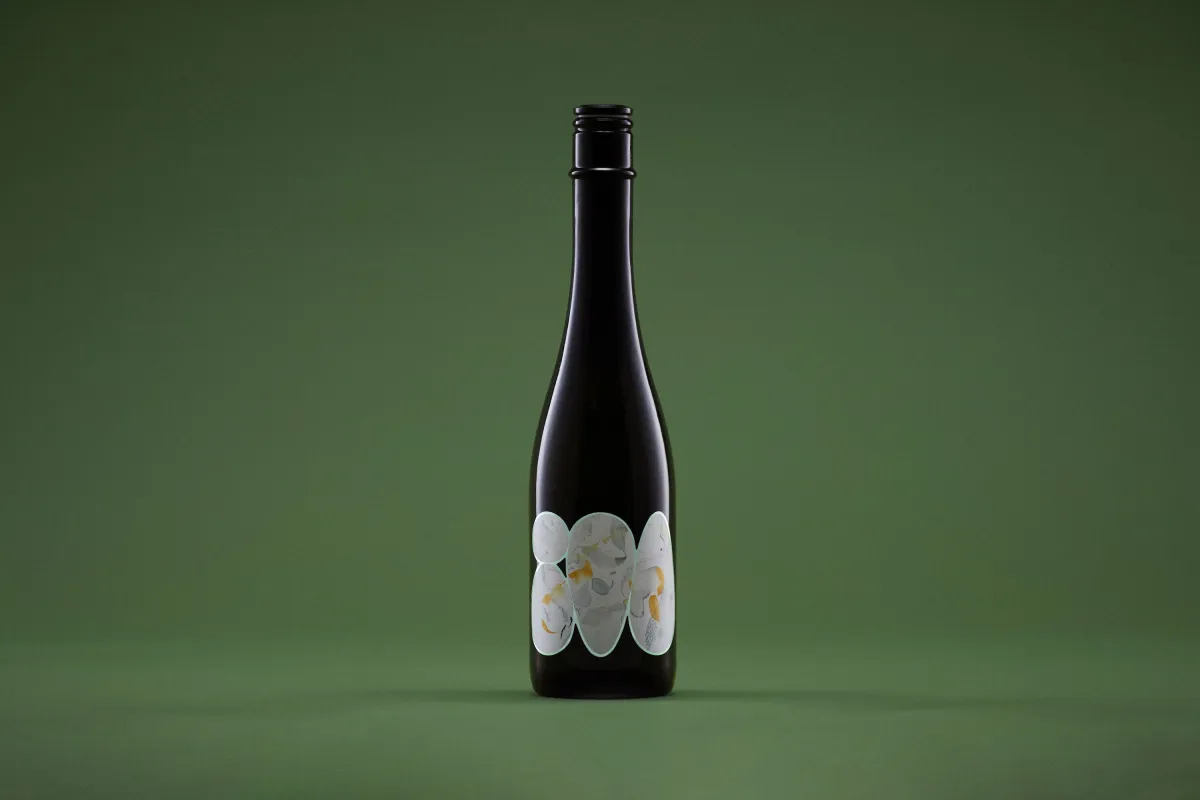
Revitalizing Abandoned Rice Fields: A New Terroir for a Unique Sake Experience
Revitalizing Abandoned Rice Fields: A New Terroir for a Unique Sake Experience
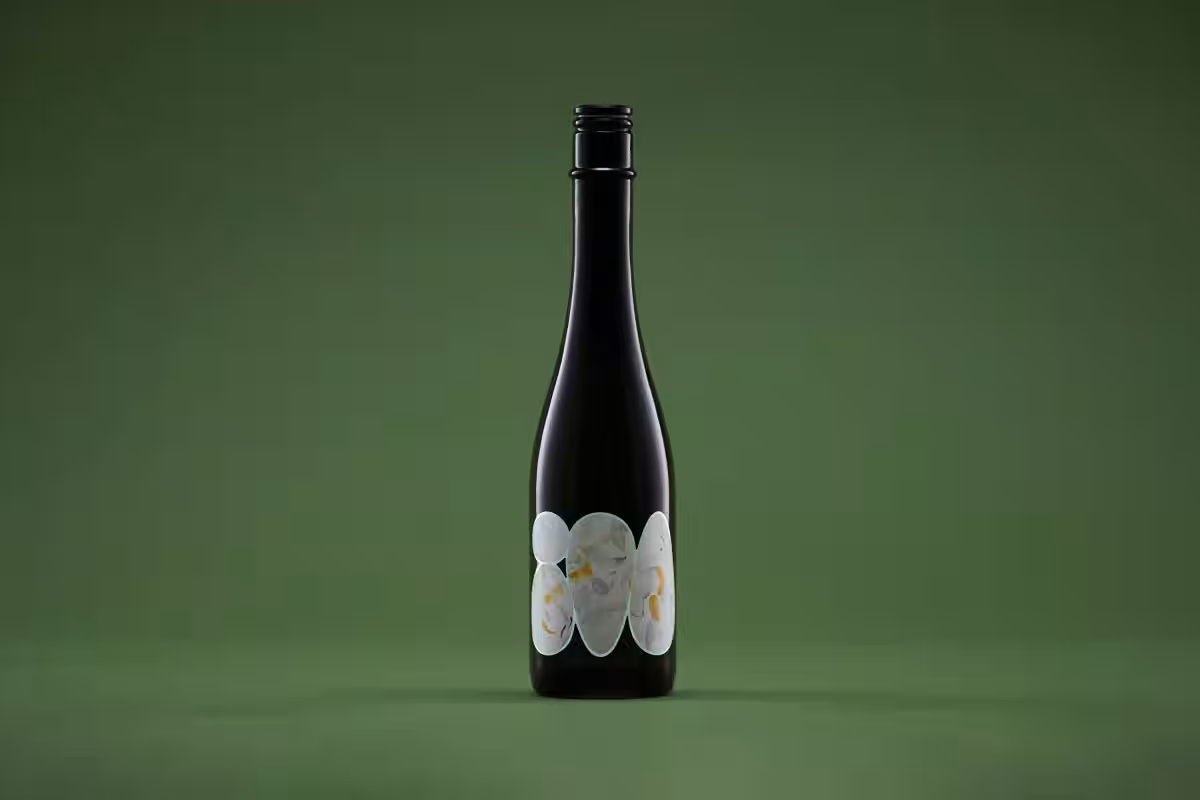
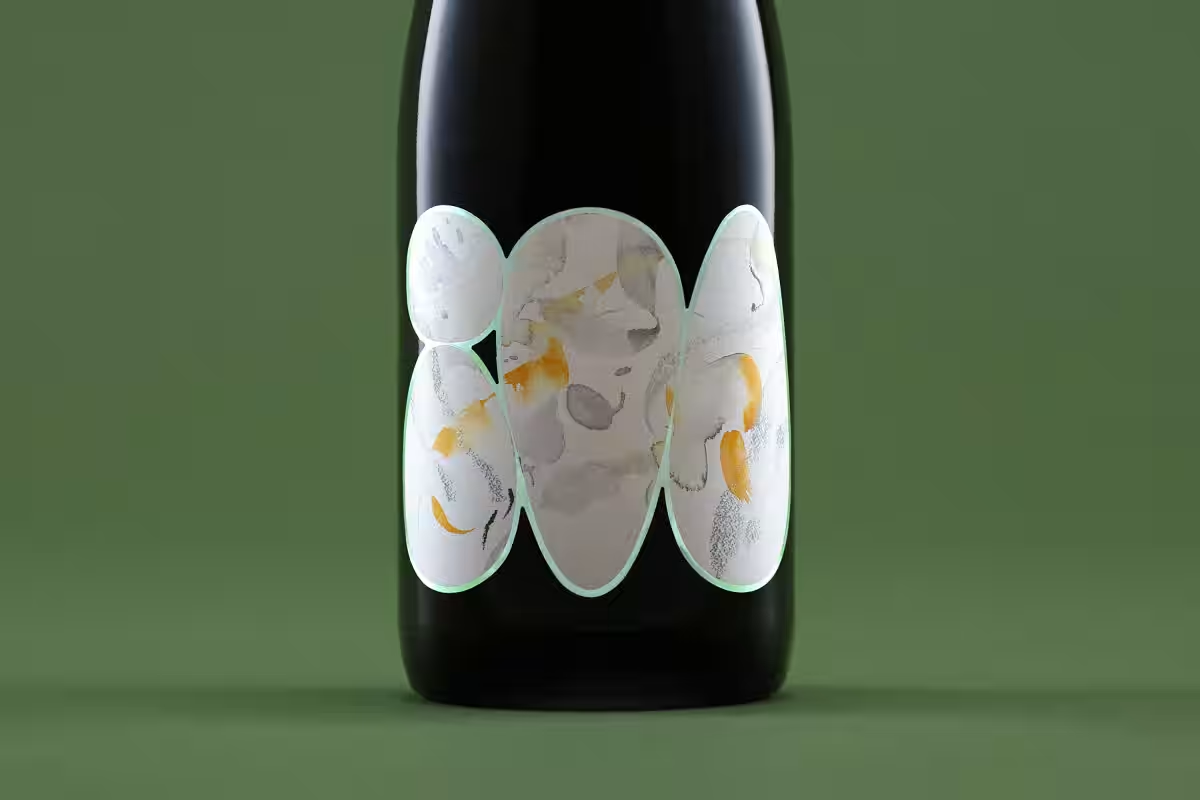
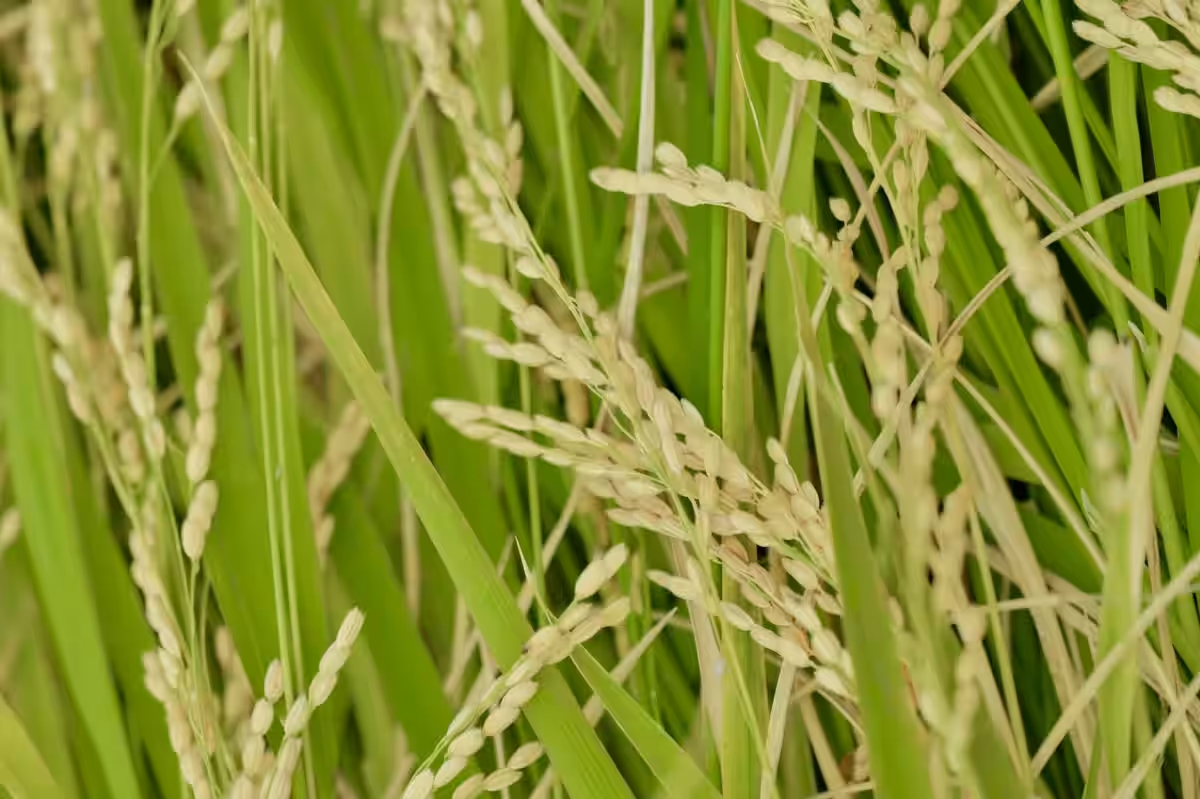
In a pioneering effort to reshape Japan's agricultural landscape, Kyoto-based Linné Co., Ltd. is breathing new life into abandoned rice paddies in Miki, Hyogo Prefecture, pursuing a vision of sustainable sake production. Launching on February 24, 2026, their new sake, "800 Rice (Shinpak)," is created using Yamada Nishiki rice, one of Japan's premier sake rice varieties, combined with millet—the first of its kind in such a sourcing initiative.
A Return to Roots
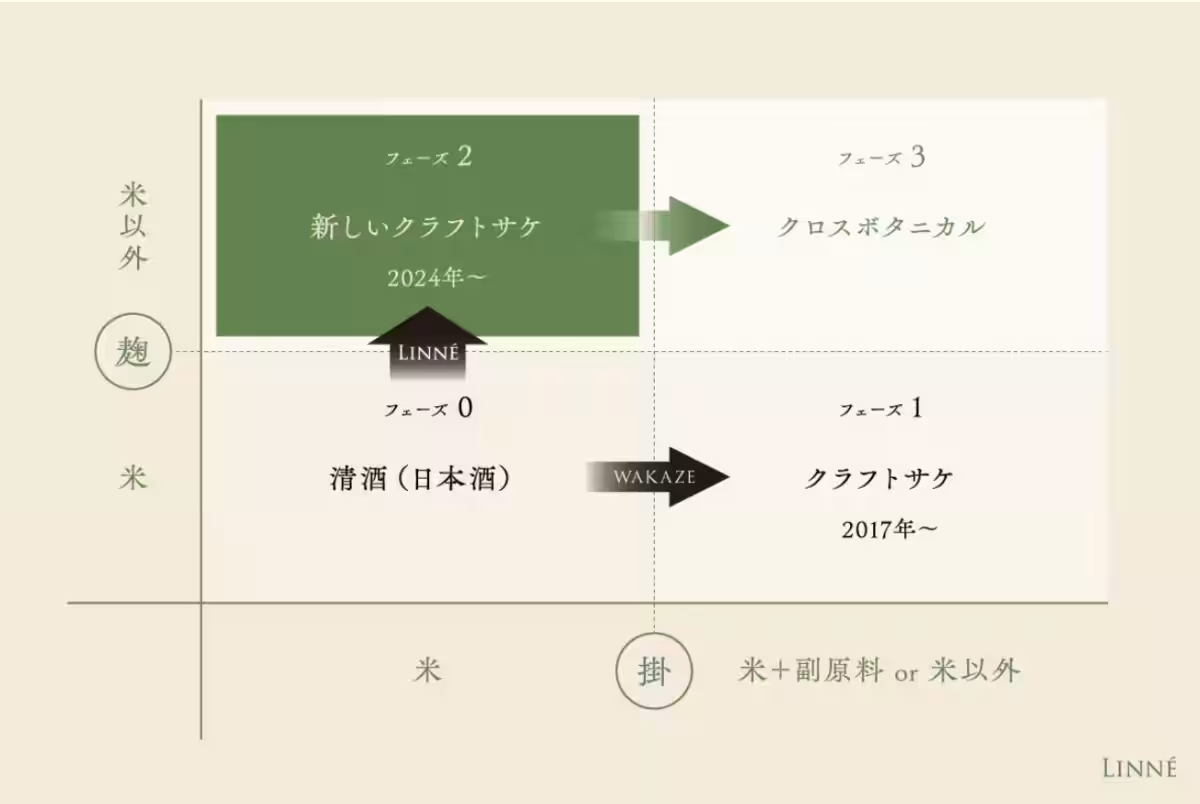
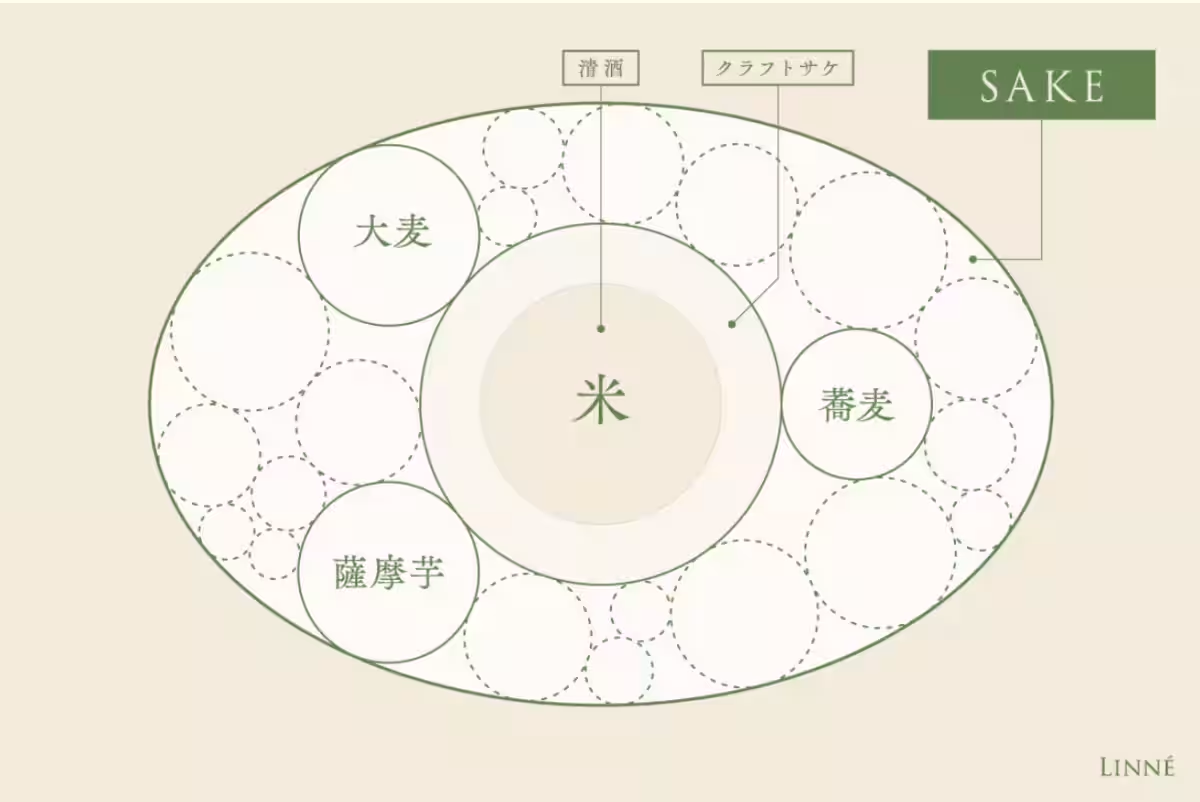
Linné's project represents a firm commitment to preserving the terroir while advancing innovative brewing techniques. The company has long explored the use of various grains in koji production, but this sake marks a return to the core essence of rice and the unique characteristics it offers. By participating in the regeneration of abandoned farmland, Linné is setting the stage for a new wave of environmentally sustainable agriculture and brewing practices. This initiative includes a regeneration project in Hyogo's prestigious “Special A Area,” known for its top-grade sake rice production.
Millet, typically considered a weed, is harvested alongside Yamada Nishiki and fermented, showcasing the potential of all agricultural products and counteracting the negative perceptions of so-called "inferior" crops. The synergy between these ingredients aims to create a sake that not only respects the local culture but also transcends the traditional boundaries of sake brewing.
The Launch and Future Expansion
On its release, "800 Rice (Shinpak)" will be available nationwide, reaching both consumers and retail establishments, as well as expanding into overseas markets with confirmed exports to three countries already. The sake will be offered in 500ml bottles with an alcohol content of 14%, retailing at a price of ¥4,950 (tax included).
The brewing process takes place at the Nagai Shuzou in Yao City, Osaka, utilizing the facility's established expertise while ensuring that local rice farmers are involved from the onset, reinforcing commitments to buy the rice produced and establishing cooperative farming practices.
Flavor Profile
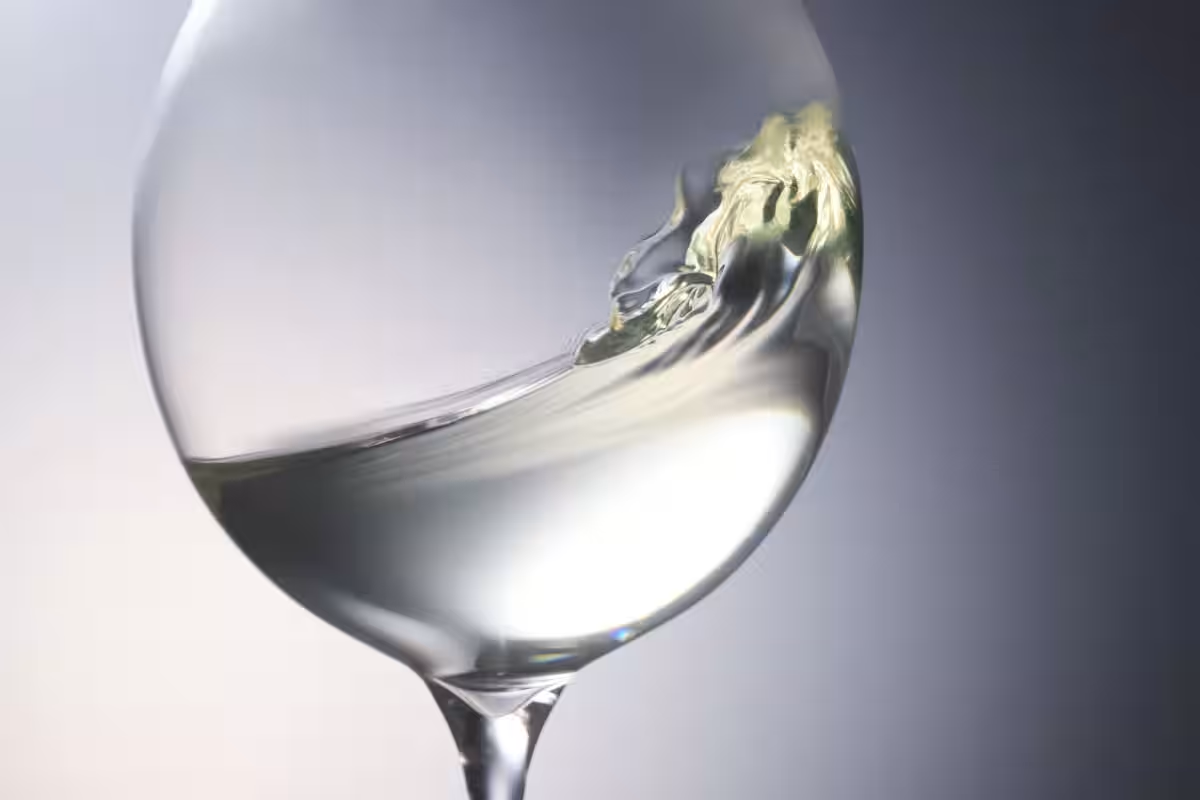
The sake itself is described as having a pleasant herbal aroma, reminiscent of swaying herbs in the breeze. The initial taste features a delicate sweetness from the lightly cloudy rice, accompanied by fresh acidity from the white koji and enriched with the deep, gentle flavors of millet. The harmonious blend results in a multi-layered experience that transcends mere smoothness, allowing the subtle, elegant richness of Yamada Nishiki to linger and evoke a sense of life rejuvenated from the once-abandoned fields.
The herbal notes in the sake perfectly complement dishes like white fish carpaccio or burrata cheese, as well as Japanese spring vegetables such as tempura of wild plants, emphasizing the versatile pairing potential with both Western and traditional Japanese dishes. This sake's complexity invites enjoyment at various temperatures, revealing different dimensions of flavor whether served cold, at room temperature, or warm, with each variation enhancing the millet's aroma.
Collaborative Efforts for Agriculture’s Future
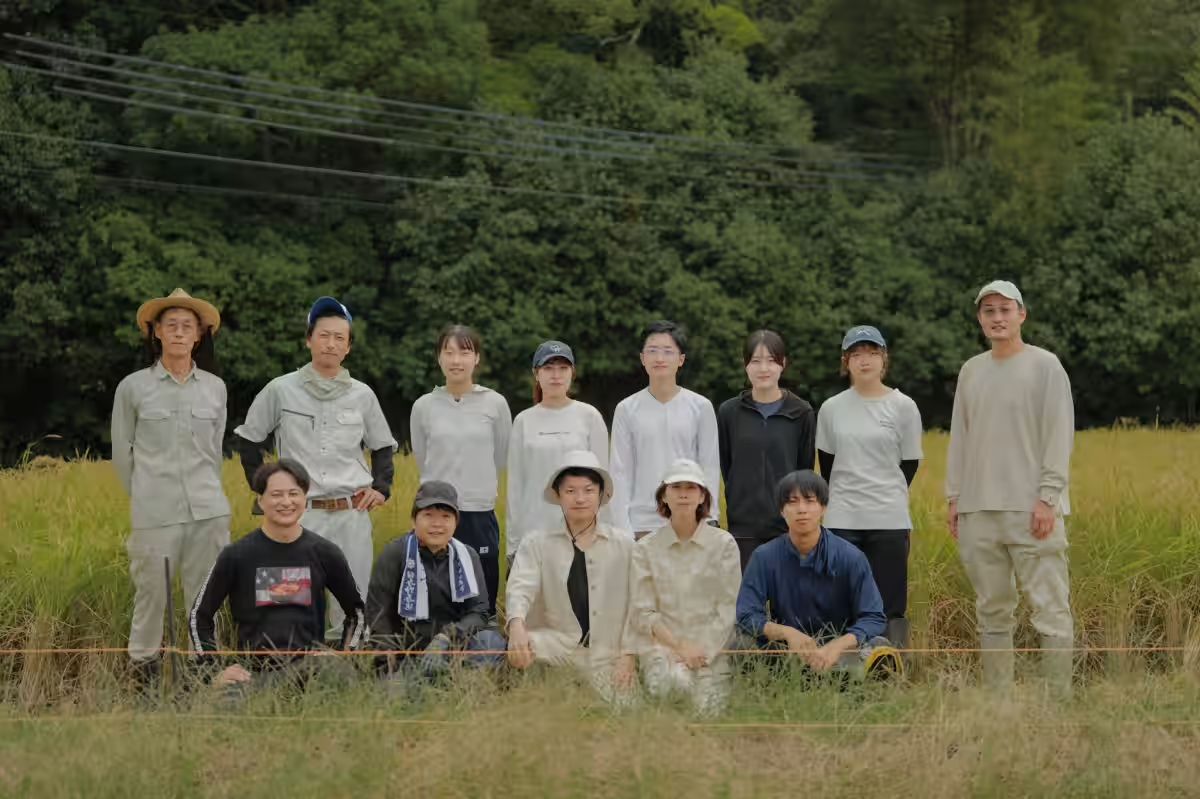
Amidst the aging agricultural workforce and dwindling land utilization, Miki City has experienced its share of challenges. Rhinzahlen, the designated leader of this project, has stepped confidently into the breach, aiming to revitalize local rice agriculture while connecting the community through innovative agricultural experiences. Enlisting the help of students from Kobe University’s Faculty of Agriculture, the project reinforces this educational foundation—bridging youth and traditional farming, while empowering a new generation to appreciate and participate in agriculture.
This collaboration represents an expansion of a well-oiled partnership, tapping into both local knowledge and modern brewing philosophy. The efforts surrounding this project symbolize a revitalization of local customs, ensuring the sustainability and continuing legacy of the land.
As the project progresses, each annual harvest will yield a new batch of "800 Rice (Shinpak)," reflecting the unique qualities of that year's climatic conditions and soil characteristics—promising a unique drinking experience each time, a testament to the resilient and symbiotic relationship between agriculture and brewing.
For those interested in learning more, Linné has also made available a podcast detailing the development and inspiration behind this unique product, further enriching the public's understanding of regenerative agricultural practices.
Conclusion
This innovative undertaking by Linné and their local farming partners embodies a forward-thinking approach to both agriculture and sake production. As consumers increasingly seek out sustainable and ethically produced products, projects like this will play a crucial role in shaping the future of Japan's agricultural and brewing landscape. Celebrating the harmony of land, culture, and craftsmanship, "800 Rice (Shinpak)" stands as a powerful new chapter in the narrative of sake.



Topics Consumer Products & Retail)
【About Using Articles】
You can freely use the title and article content by linking to the page where the article is posted.
※ Images cannot be used.
【About Links】
Links are free to use.