



Survey Reveals Only 30% of Households Prepared for Power Outages Despite Disaster Supplies
In light of the significant earthquake threats in Japan, it becomes crucial to understand the preparedness of households for disasters. A recent survey conducted by ECODA explored the level of disaster preparedness among homeowners aged 20 to 50. Notably, this survey aligns with Japan's 'Disaster Prevention and Volunteer Day' on January 17, a date that reminds citizens of the importance of being prepared, as marked by the Hanshin-Awaji Earthquake.
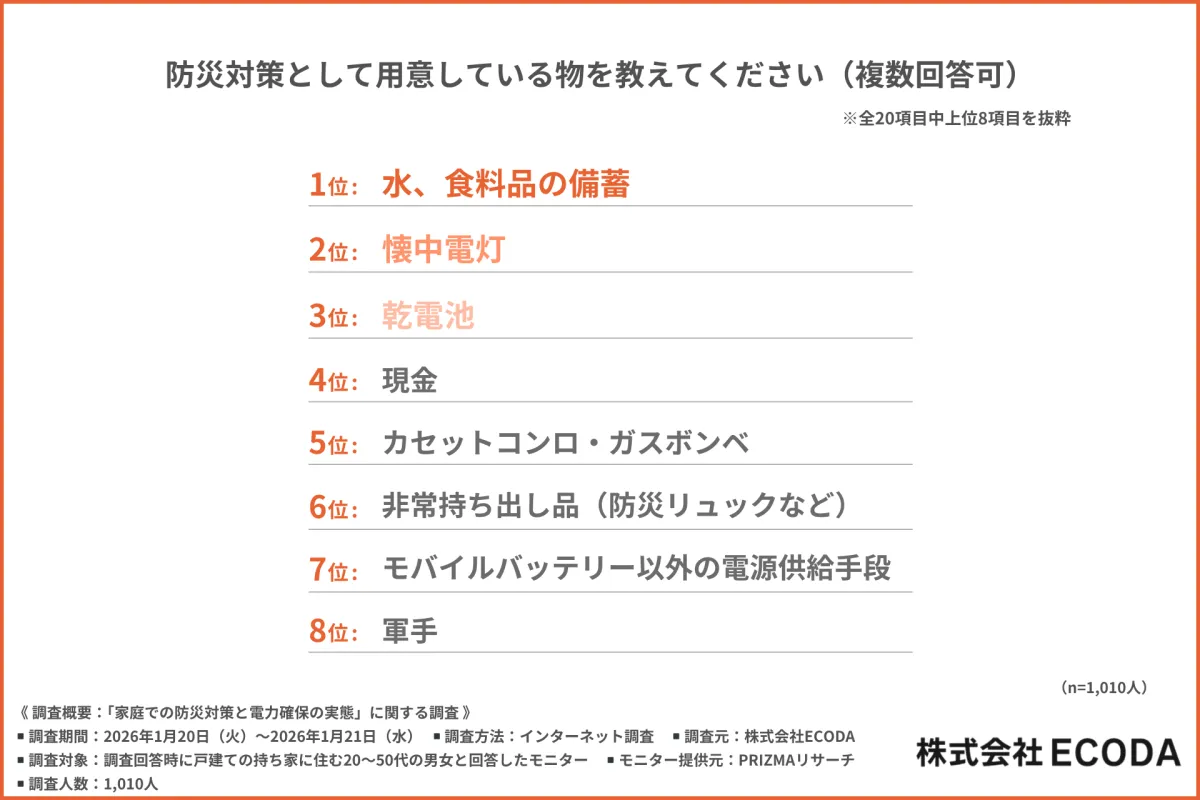
The survey revealed a substantial gap between having basic disaster supplies and being fully prepared to handle potential power outages. Despite a strong majority reporting they have essential supplies like water, food, and flashlights, only about 30% have measures in place to ensure power continuity, such as portable batteries or generators. This raises concerns about the capability of households to manage prolonged power failures caused by disasters.
Understanding Preparedness
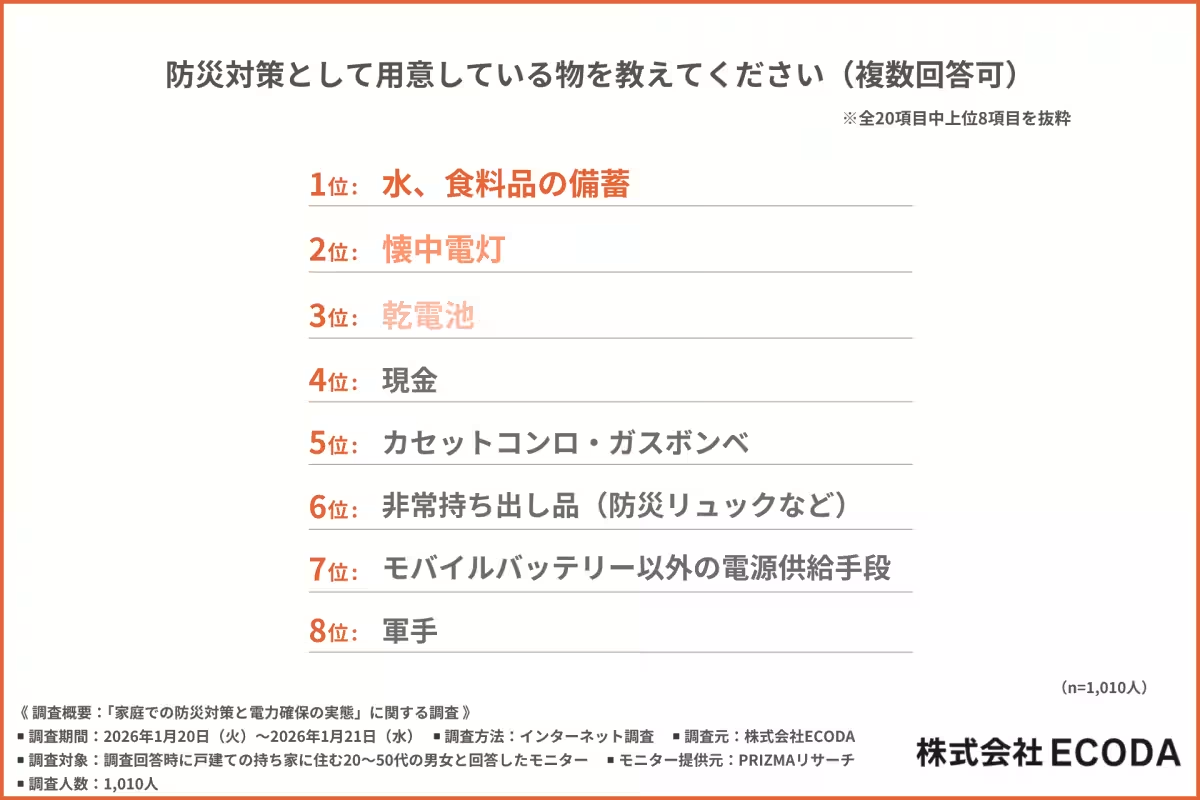
When respondents were asked about their disaster supplies, the majority reported stockpiling water and food (59.1%), followed by flashlights (53.3%) and batteries (43.7%). While these responses indicate a level of awareness, it's alarming that a considerable number of families have not conducted regular checks on their supplies. Regular inspection of disaster items is crucial for maintaining their efficacy, yet many households neglect this practice, leaving them vulnerable when emergencies arise.
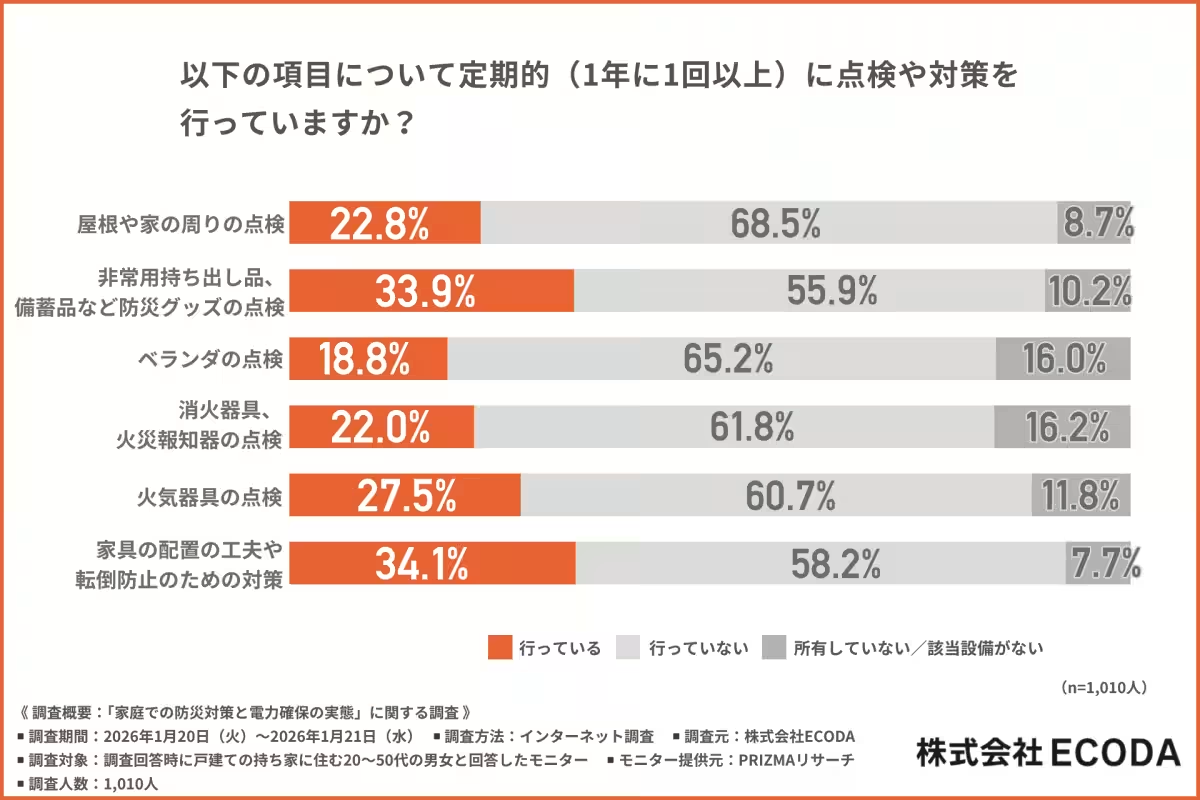
The data also uncovered that only 33.9% of respondents conduct regular checks of their emergency supplies. Even less, 22.8%, evaluate the structural integrity of their homes, while crucial aspects like fire safety equipment and evacuation routes are often overlooked.
Educating the Next Generation
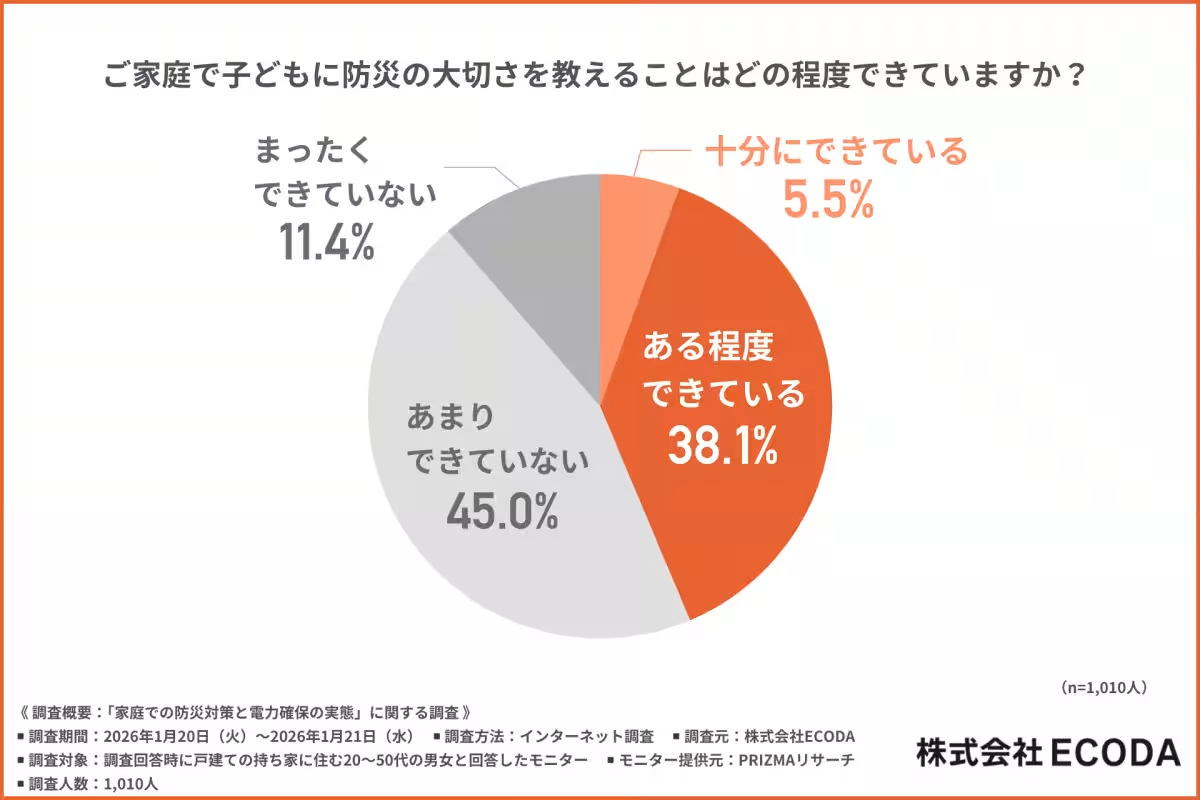
One of the critical findings highlights the lack of focus on educating children about disaster preparedness. Only a mere 5.5% of respondents felt they could teach their children the importance of disaster readiness adequately, while 38.1% said they were doing so to some extent. This suggests that approximately 60% of parents feel unequipped to impart disaster awareness and preparedness to their children effectively.
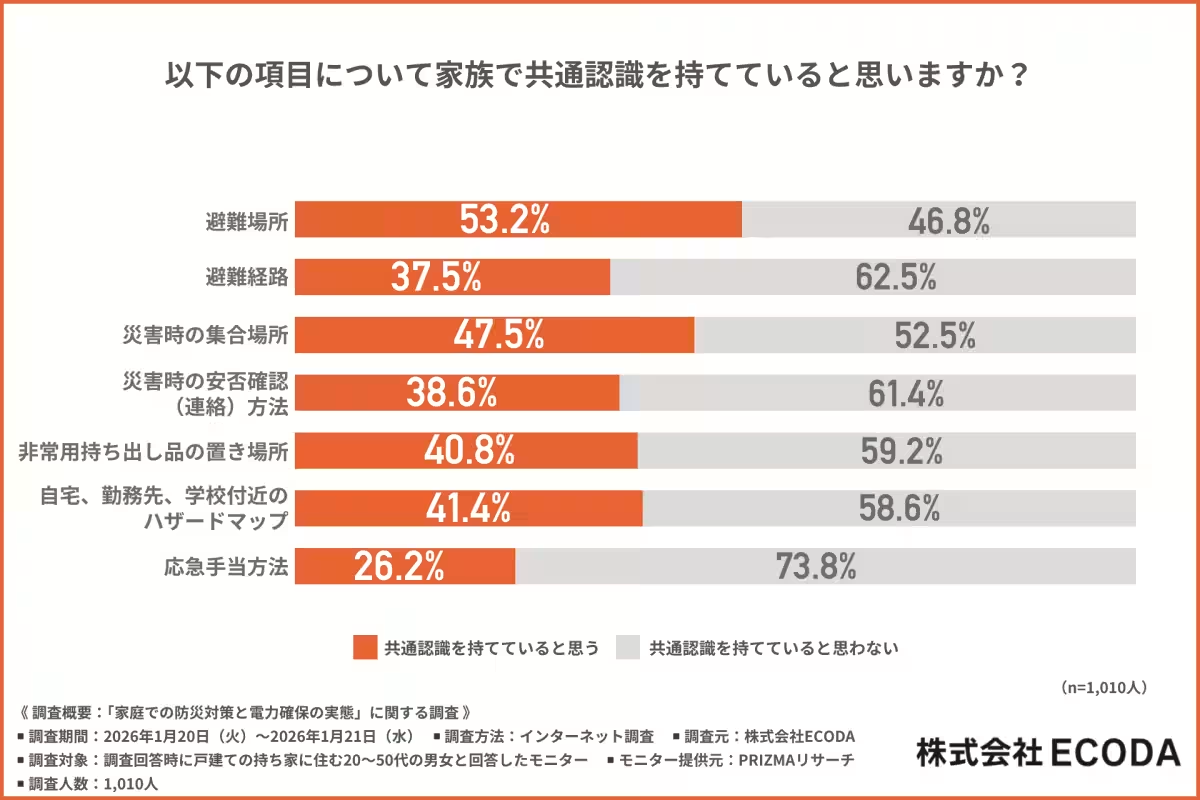
Moreover, the survey indicates that many families lack a shared understanding of essential disaster protocols. For instance, when asked about their collective knowledge of evacuation routes and communication methods during disasters, very few reported being adequately informed. The families seem more comfortable discussing general evacuation spots but shy away from specific logistical concerns for disaster scenarios.
Current Challenges and Future Focus
Moving forward, many respondents expressed urgency in enhancing their disaster preparedness. There is a noticeable desire to ensure that houses remain livable during power outages, with respondents emphasizing the need for reliable heating and cooling systems. Moreover, households are seeking to establish clear family communication protocols and enhance their understanding of emergency procedures like first aid.
In conclusion, this survey underscores the need for ongoing education and proactive measures in disaster preparedness. Households are encouraged not only to assemble basic supplies but also to establish thorough evaluation protocols and robust communication strategies. With disasters being unpredictable, ensuring that all family members understand and can act on disaster protocols can significantly enhance resilience against unexpected events. As disasters become increasingly common, fostering a culture of preparedness will be crucial in securing the safety of families across Japan.

The survey revealed a substantial gap between having basic disaster supplies and being fully prepared to handle potential power outages. Despite a strong majority reporting they have essential supplies like water, food, and flashlights, only about 30% have measures in place to ensure power continuity, such as portable batteries or generators. This raises concerns about the capability of households to manage prolonged power failures caused by disasters.
Understanding Preparedness
When respondents were asked about their disaster supplies, the majority reported stockpiling water and food (59.1%), followed by flashlights (53.3%) and batteries (43.7%). While these responses indicate a level of awareness, it's alarming that a considerable number of families have not conducted regular checks on their supplies. Regular inspection of disaster items is crucial for maintaining their efficacy, yet many households neglect this practice, leaving them vulnerable when emergencies arise.
The data also uncovered that only 33.9% of respondents conduct regular checks of their emergency supplies. Even less, 22.8%, evaluate the structural integrity of their homes, while crucial aspects like fire safety equipment and evacuation routes are often overlooked.
Educating the Next Generation
One of the critical findings highlights the lack of focus on educating children about disaster preparedness. Only a mere 5.5% of respondents felt they could teach their children the importance of disaster readiness adequately, while 38.1% said they were doing so to some extent. This suggests that approximately 60% of parents feel unequipped to impart disaster awareness and preparedness to their children effectively.
Moreover, the survey indicates that many families lack a shared understanding of essential disaster protocols. For instance, when asked about their collective knowledge of evacuation routes and communication methods during disasters, very few reported being adequately informed. The families seem more comfortable discussing general evacuation spots but shy away from specific logistical concerns for disaster scenarios.
Current Challenges and Future Focus
Moving forward, many respondents expressed urgency in enhancing their disaster preparedness. There is a noticeable desire to ensure that houses remain livable during power outages, with respondents emphasizing the need for reliable heating and cooling systems. Moreover, households are seeking to establish clear family communication protocols and enhance their understanding of emergency procedures like first aid.
In conclusion, this survey underscores the need for ongoing education and proactive measures in disaster preparedness. Households are encouraged not only to assemble basic supplies but also to establish thorough evaluation protocols and robust communication strategies. With disasters being unpredictable, ensuring that all family members understand and can act on disaster protocols can significantly enhance resilience against unexpected events. As disasters become increasingly common, fostering a culture of preparedness will be crucial in securing the safety of families across Japan.
Topics Policy & Public Interest)
【About Using Articles】
You can freely use the title and article content by linking to the page where the article is posted.
※ Images cannot be used.
【About Links】
Links are free to use.