



Understanding the Truth Behind the Alleged Singles Tax and Child Support Payments in Japan
The Alleged Singles Tax: Debunking the Myths
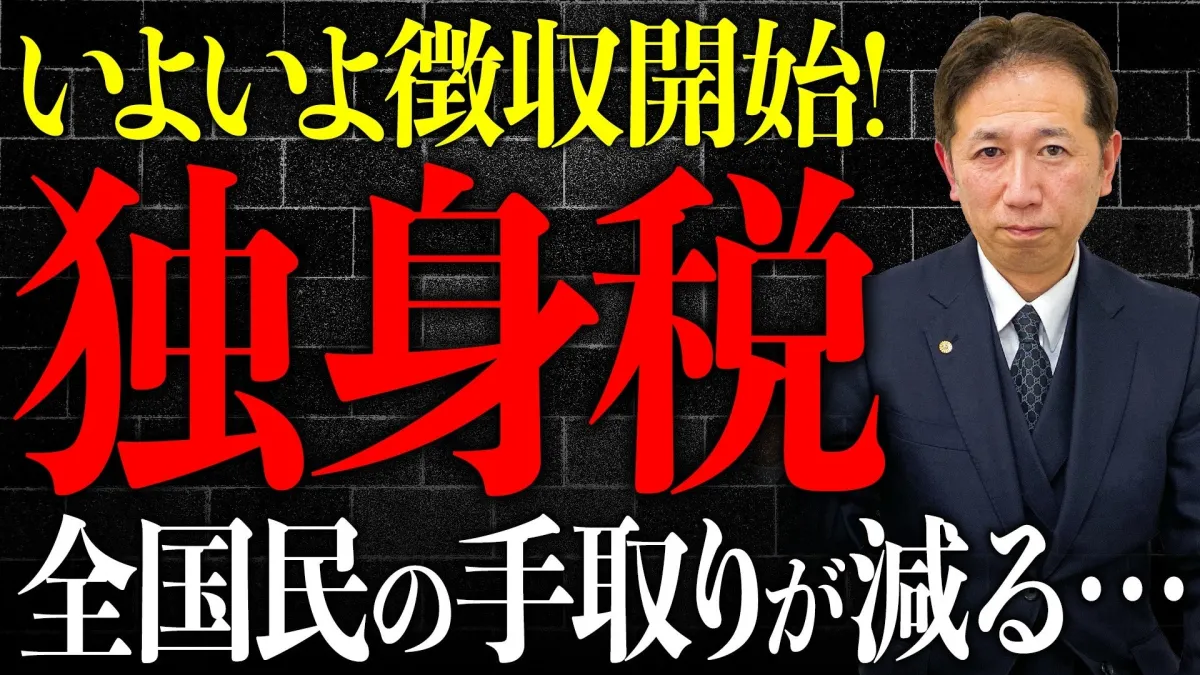
Recently, discussions around a supposed "singles tax" have circulated across social media platforms, rising curiosity and confusion among many. However, the truth is a lot less sensational than the headlines suggest. What is being referred to as a singles tax is actually the implementation of a system for collecting "Child and Childcare Support Payments" commencing in April 2026. This is a critical initiative aimed at tackling the ongoing issue of declining birth rates in Japan.
What Are Child and Childcare Support Payments?
The Child and Childcare Support Payments are part of a broader strategy to provide financial assistance to families raising children. Contrary to popular belief, this is not a tax imposed exclusively on singles. Instead, it represents a collective social investment, wherein all members of society—including singles, retirees, and families with grown children—will contribute to the fund that supports families with children. The rationale here is clear; tackling the declining birth rate is a societal issue that requires a collective effort.
This initiative means that from 2026 onwards, contributions will be collected via automatic payroll deductions, making it more apparent and tangible to the workers who pay it. This payroll deduction system might lead to confusion, as many may mistakenly believe that this charge is targeting a specific group, namely single individuals.
Clarifying Misconceptions
What Exactly Is the Singles Tax?
While it has been dubbed a singles tax, it is more accurately defined as a financial contribution toward the welfare of children and families. Many individuals might have concerns about how this initiative could impact their finances. It is essential to clarify that this payment does not unfairly burden any single demographic; it is a communal responsibility.
Who Does It Apply To?
The Child and Childcare Support Payments will be levied on all members of society. Therefore, both single individuals, as well as those who have completed child-rearing responsibilities, will be included in this system. Everyone plays a role in ensuring the future of their community, and this is one way to contribute.
How Will the Collected Funds Be Utilized?
Many people may wonder what these contributions will feed into. The funds raised through this initiative will go directly toward enhancing support systems for families raising children through educational resources, childcare services, and facilities that foster child development.
When Will This Change Reflect in Paychecks?
Employees are likely to notice this change in their take-home pay shortly after the system's implementation in April 2026. The payroll deduction will likely first appear in the payment cycle immediately following this date. While contributing might make the paychecks slightly lighter, it will be reassuring to know that they are investing in the future generations of Japan.
Addressing Employees' Queries
Employers and HR representatives need to be prepared to handle questions from employees regarding this new system. To clarify any misunderstandings, it will be important to explain how this initiative works, who it affects, and its ultimate goal to strengthen family support systems.
Expert Insights
Jun Ono, a recognized Social Insurance Labor Consultant, will be providing insights into this initiative. With extensive experience in labor training—having led over 400 seminars—Ono emphasizes the practical application of the law concerning workplace dynamics. His expertise will help ensure employers and employees alike understand the nuances of the Child and Childcare Support Payments effectively.
About the Claire Employment and Human Resources Development Association
Established in 2023 by a group company of SA Co., the Claire Employment and Human Resources Development Association focuses on training and certifications related to employment, labor, and anti-harassment measures. They place significant emphasis on protecting workers and their families through educational initiatives, creating a cleaner employment environment, and fostering qualified professionals. Over 700 individuals have acquired the "Clean Employment Planner" certification, empowering various sectors such as corporations, local governments, and educational institutions.
To find out more, visit their official website here.
Topics Policy & Public Interest)

【About Using Articles】
You can freely use the title and article content by linking to the page where the article is posted.
※ Images cannot be used.
【About Links】
Links are free to use.