



The Impact of Eco-Friendly Considerations on Second-Hand Condo Purchases: Insights from Recent Research
Understanding Eco-Consciousness in Second-Hand Condo Purchases
Introduction
As concerns over environmental sustainability continue to grow, eco-friendly considerations have become increasingly important in various aspects of our lives, including real estate decisions. A pertinent question arises: How do eco-friendly values shape the purchase decisions of second-hand condominiums? Memoco Inc., in collaboration with Sumunara, conducted a detailed survey targeted at individuals with prior experience in purchasing second-hand condos. In this article, we delve into the findings of this research and explore the nuanced relationship between eco-consciousness and the decision-making process for condo buyers.
Overview of the Survey
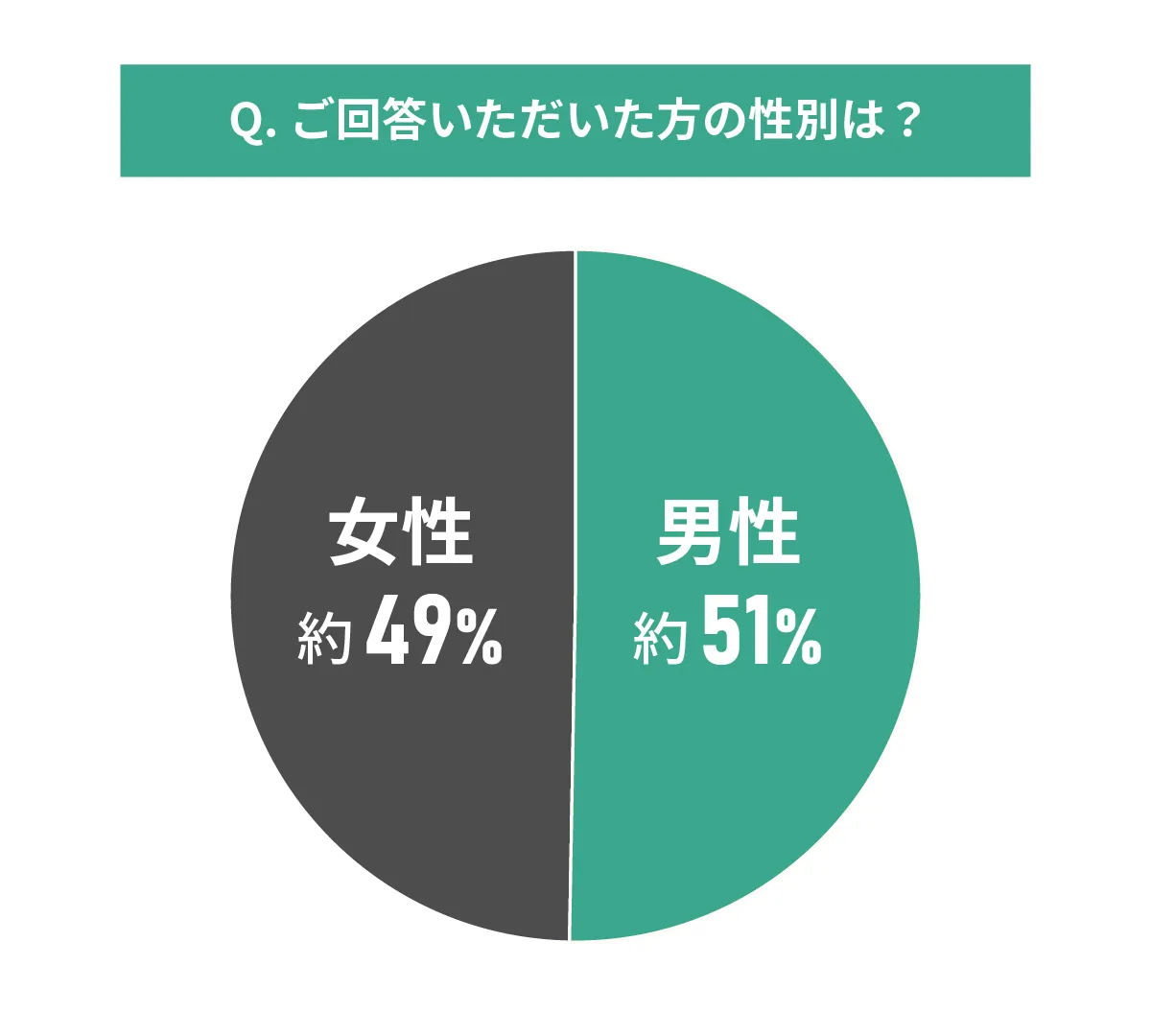
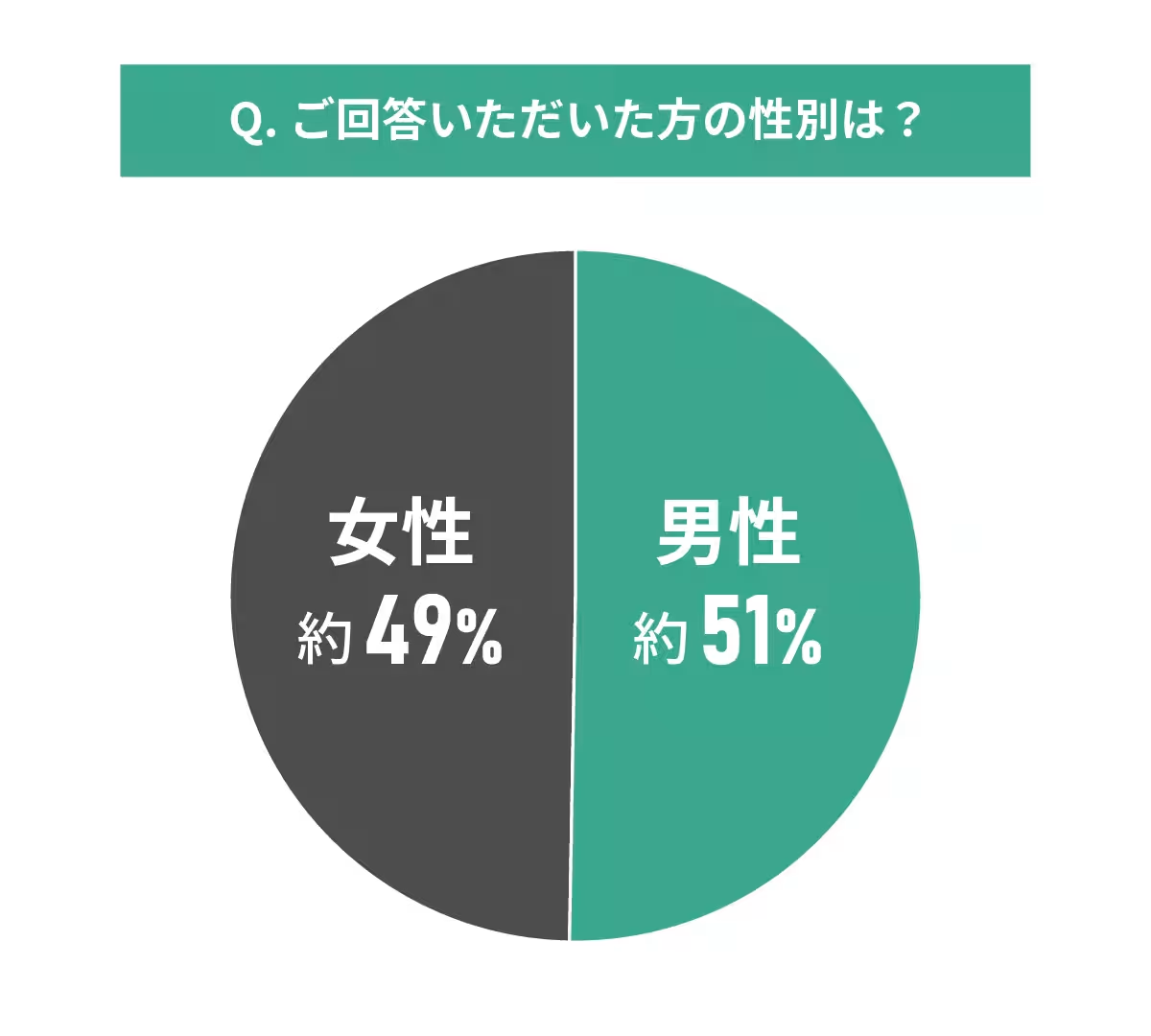
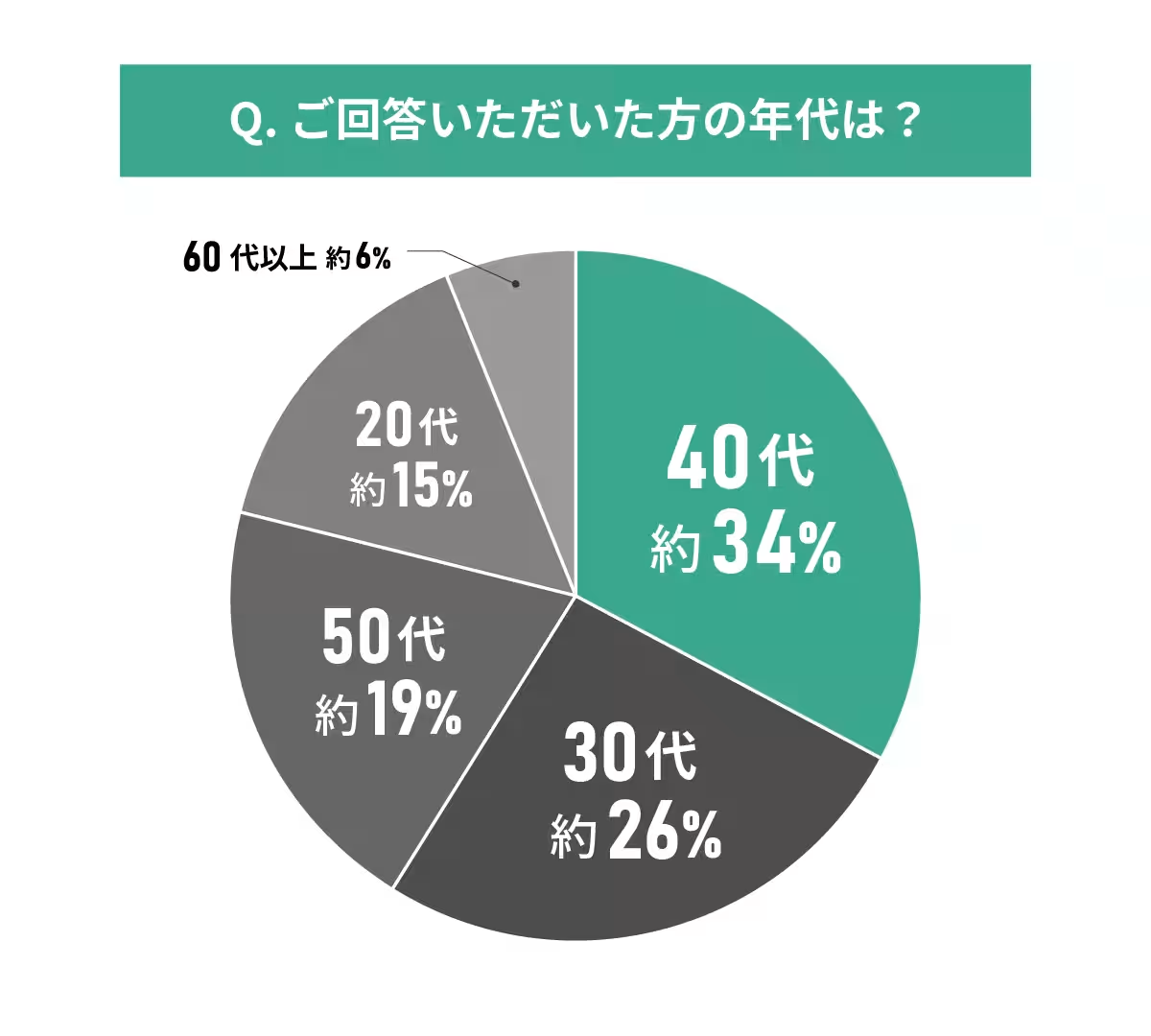
The survey, conducted over a period from March 8 to August 8, 2025, involved a total of 115 respondents who had previously purchased second-hand condos. The gender distribution was fairly balanced, with 58 male and 57 female participants. The respondents ranged in age, with approximately 15% in their 20s, 26% in their 30s, 34% in their 40s, 19% in their 50s, and 6% over 60.
Priorities in Eco-Friendliness and Energy Savings
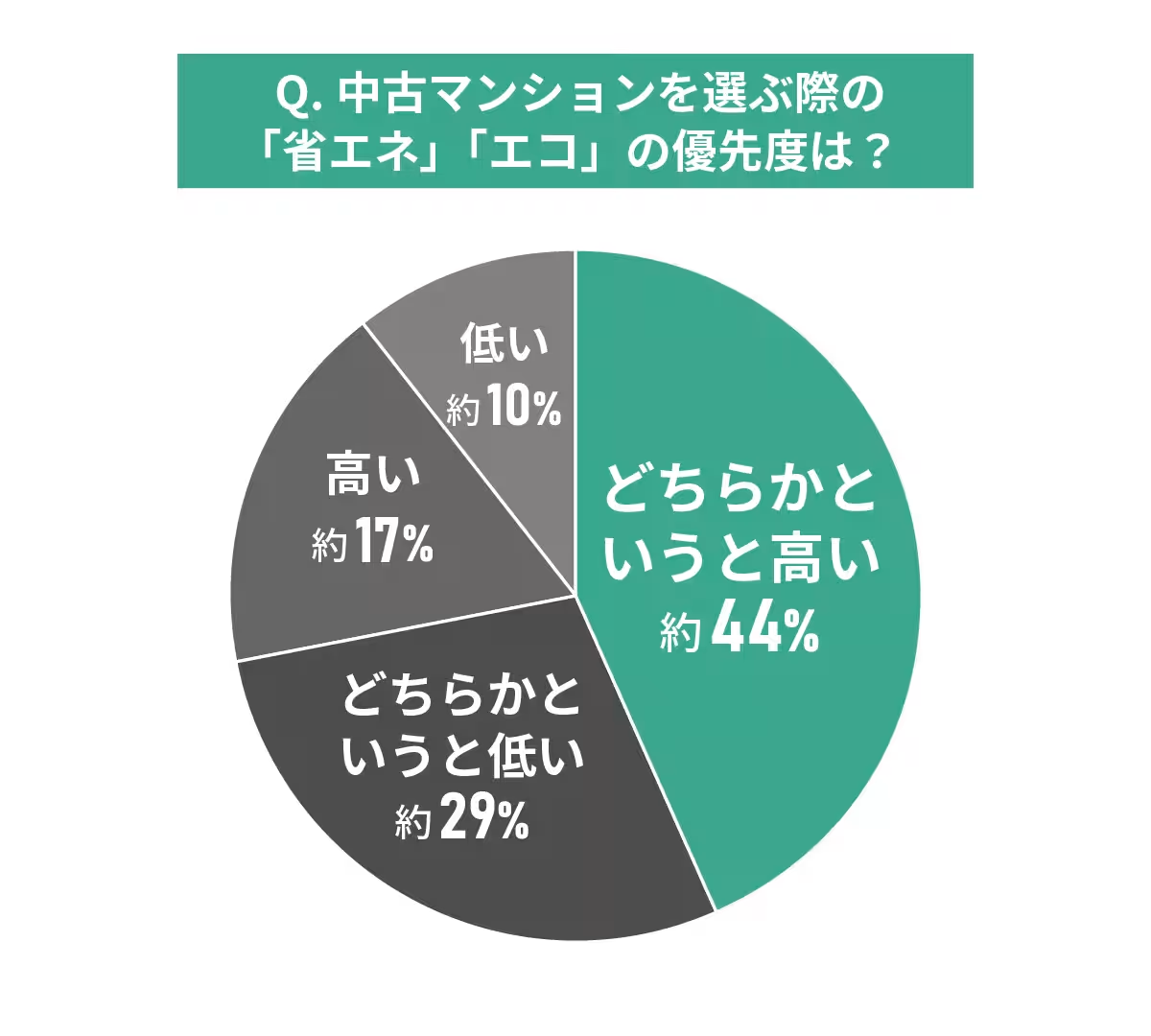
Respondents were asked to evaluate the importance of eco-friendly and energy-saving features during their condo selection process on a five-point scale. The results revealed a notable trend: around 61% rated the importance as high or relatively high, while about 39% indicated a lower prioritization of these factors. This dichotomy in eco-consciousness suggests varying degrees of sensitivity to energy costs and environmental considerations among potential buyers.
Factors Behind Strong Eco-Consciousness
Those with a strong emphasis on eco-friendliness cited several key motivators:
- - Savings on electricity bills
- - Reduction in long-term living expenses
- - Consideration for the environment
Particularly, buyers expressed a strong preference for energy-efficient systems that could lead to lower heating and cooling costs, thus showcasing a trend where financial implications significantly influence their decision-making.
Reasons for Lower Eco-Consciousness
On the other hand, respondents with a lower priority on eco-friendly features pointed out reasons such as:
- - Prioritizing location and price over energy-saving features
- - Low expectations for eco-efficiency in second-hand properties
- - Lack of understanding regarding energy-saving functionalities
An emphasis on location appeared consistently among those who prioritize accessibility and convenience over energy efficiency.
Key Points of Assessment in Eco-Friendliness
When assessing potential purchases, buyers evaluated several specific aspects, demonstrating their focus on eco-friendly features:
Insulation Performance
- - Presence of double glazing or insulated windows
- - Insulation quality in walls and windows affecting energy costs
- - Acknowledgment that older buildings could have poor insulation leading to higher energy bills
Insulation performance emerged as a critical consideration, with many buyers actively assessing how seasonal temperature management would impact their long-term costs.
Interest in Equipment and Appliances
- - Examination of whether the property is all-electric
- - Availability of eco-friendly heating systems like heat pump water heaters
- - Usage of LED lighting and the condition of air conditioning units
There's a clear focus on energy-efficient installations, with many considering the upfront costs against long-term savings on utility bills.
Building Structure and Location Conditions
- - Assessing the property's sunlight exposure
- - Evaluating cross-ventilation potential
- - Considering the building's airtightness and electrical setup
These factors directly affect both energy efficiency and comfort, prompting buyers to thoroughly evaluate them.
Age and Gender Differences in Eco-Consciousness
The survey results indicated differing perspectives on eco-friendly considerations based on age and gender:
Age-Based Characteristics
Participants in their 30s and 40s tended to consider long-term energy efficiency, often in relation to family planning. Conversely, those in their 20s focused on initial costs, while individuals over 50 prioritized practicality.
Gender-Based Differences
Men were more inclined to assess the technical specifications of appliances, while women leaned towards practical implications on household comfort and overall savings. Nonetheless, both genders shared a common goal of minimizing monthly expenses.
Connecting Eco-Consciousness to Purchase Decisions
How critical is eco-friendliness when it comes to the actual purchase decision?
Prioritization Reality
Survey comments revealed a trend where, while eco-performance is deemed important, it frequently ranks lower than essential factors like location and price. Buyers tend to compare energy efficiency along with other fundamental criteria before making decisions.
Setting Compromises
Some respondents stated they compromised on energy efficiency for better pricing and location, while others were adamant that energy performance was non-negotiable for long-term cost savings. This highlights the variability in individual values and priorities in homebuying.
Conclusion
The findings underscore that about 60% of second-hand condo buyers place significant importance on eco-friendliness and energy efficiency features. While specific aspects like insulation performance and energy-saving technologies gained considerable attention, many buyers approach these factors as part of a comprehensive assessment of overall property value, balancing them with location and price.
Given the rise in energy costs, it is projected that eco-performance will increasingly become a vital factor for prospective buyers of second-hand condos. Those considering a purchase are encouraged to evaluate properties not just from an initial investment perspective but also in terms of long-term operational costs, leading to more satisfying home investments.
Topics Consumer Products & Retail)
【About Using Articles】
You can freely use the title and article content by linking to the page where the article is posted.
※ Images cannot be used.
【About Links】
Links are free to use.