



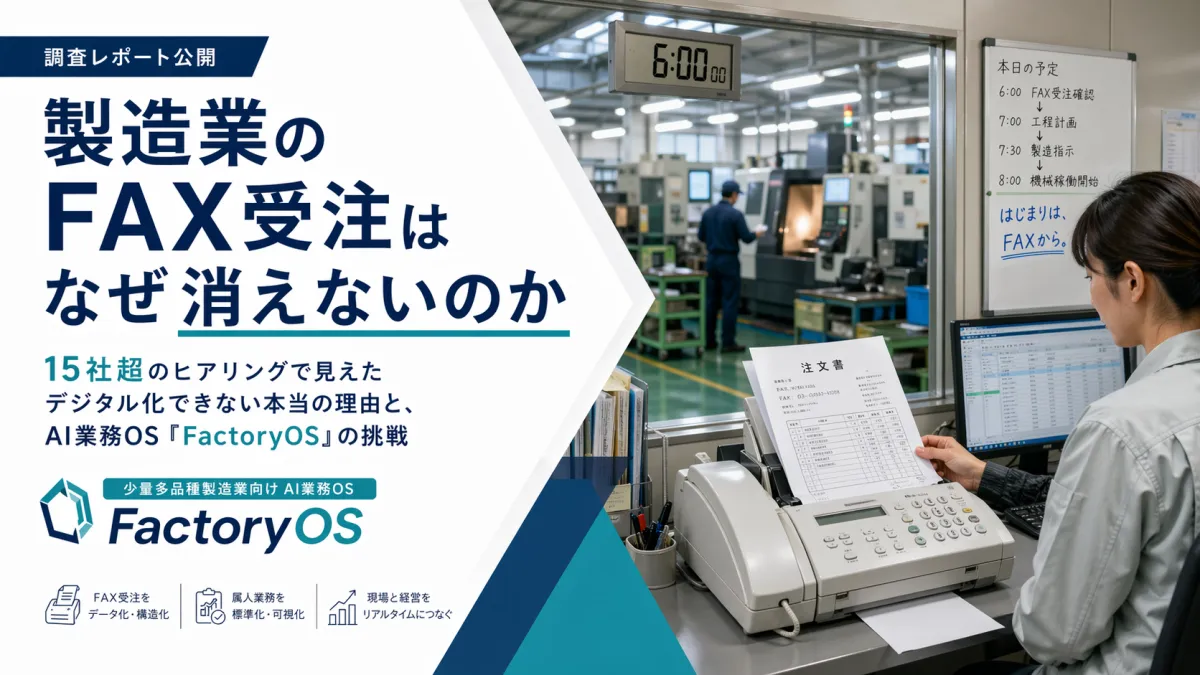
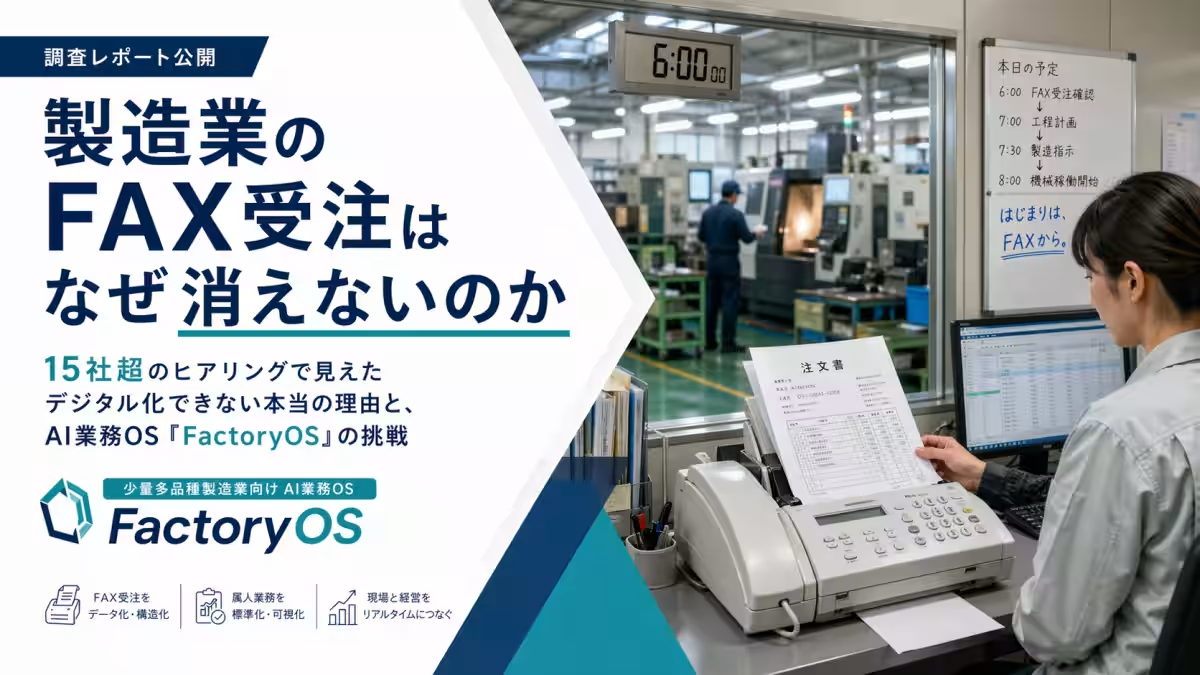
Why FAX Orders Continue to Dominate Manufacturing Processes in Japan
The Enduring Presence of FAX in Japan's Manufacturing Sector
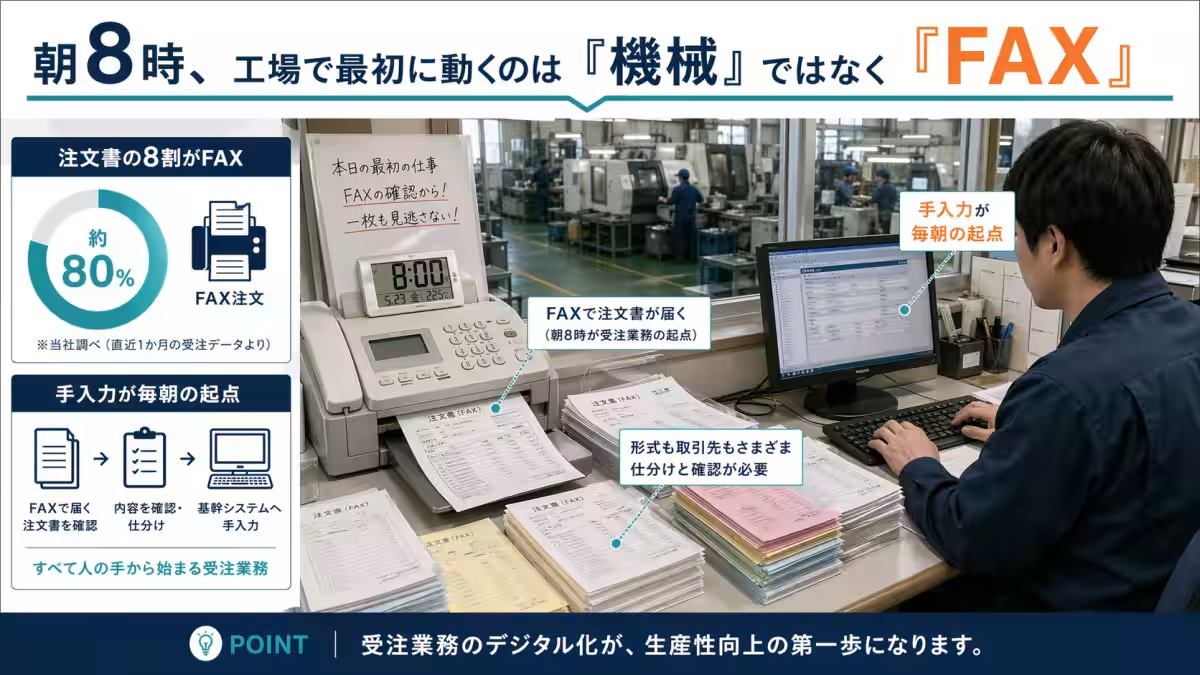
In a small factory in Japan specializing in diamond tools, the day begins not with machines starting up but with the arrival of FAX orders—an alarming contrast to the prevailing digital age. With just 20 employees, this factory processes a staggering volume of orders, where approximately 80% come via FAX and 20% through email. The procurement manager shared that order forms from as many as 200 suppliers come in varying formats, exceeding 100 different types.
"On average, we receive at least 30 to over 100 orders daily. Each one must be manually verified and inputted into our system, creating a workload that is not sustainable," the manager laments. They described situations where even handwritten orders arrive via FAX, sometimes lacking essential details like drawing numbers. With nearly 10,000 designs accumulated over 20 years, having to confirm the specifications for non-repeating orders adds an immense burden to the workflow.
This scenario isn’t unique to this factory. A recent study involving over 15 manufacturing companies revealed a widespread struggle with similar issues across various sectors. For instance, a cardboard manufacturer processes around 2,000 order forms each month, and an apparel manufacturer copes with 50 to 100 daily manual entries. Across all industries surveyed, each established an undeniable reliance on FAX and manual data entry.
According to a 2019 survey by the Ministry of Economy, Trade and Industry, about 76% of small and medium-sized enterprises in Japan still depend on FAX for their order-processing activities. This persists even amidst discussions around Industry 4.0 and smart factories, reflecting a disconnection between modern technology and the actual workflow in place—primarily paper-based.
The Real Reasons Behind FAX Persistence
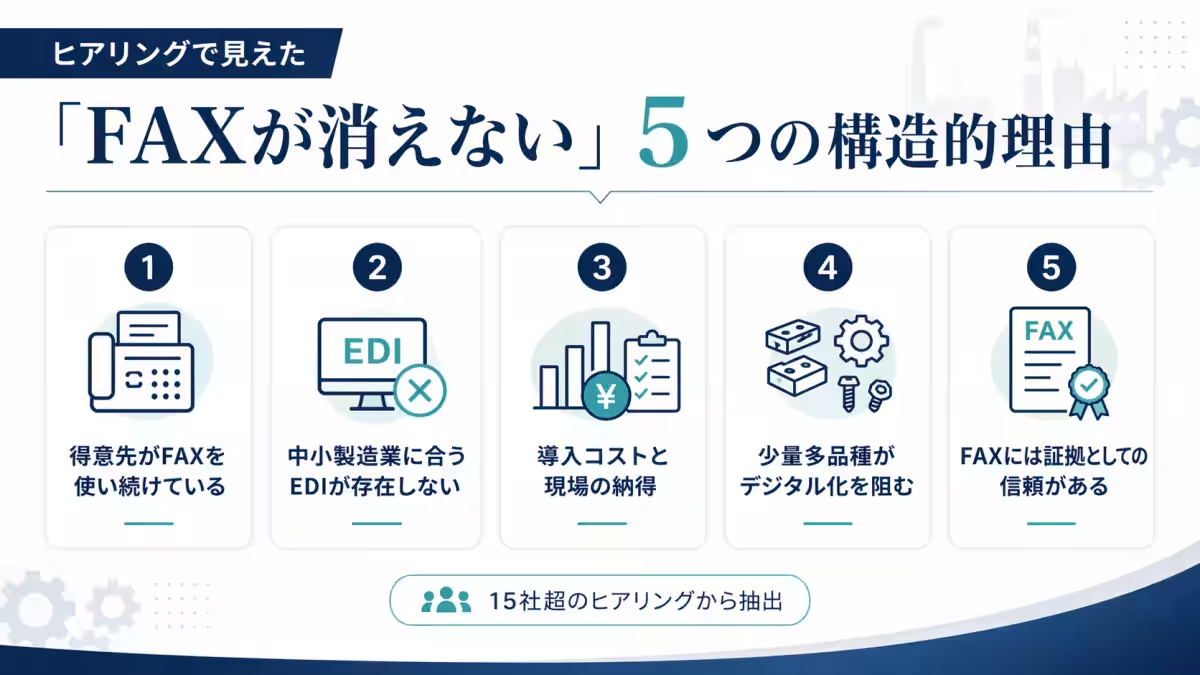
Throughout the interviews, five key structural reasons emerged explaining why FAX orders refuse to vanish:
1. Client Reliance on FAX: Many businesses, especially in manufacturing, continue to receive most of their orders via FAX due to their clients' preferences. An apparel company sales staff mentioned that their clients, ranging from large home improvement stores to small construction sites, predominantly place orders through FAX, creating a challenging situation. Even following new digital legislation, they still ended up entering PDFs by hand into their systems—a glaring reminder of the that digital transformation cannot merely be an isolated effort.
2. Lack of Suitable EDI for SMEs: While electronic data interchange (EDI) is common among large corporations, small manufacturers struggle with its implementation. In one example, a bellows manufacturer found that only 40% of their annual orders arrived via EDI; the remaining 60% were still being manually processed through traditional methods like FAX and email. Hence, the universal acceptance of FAX as a straightforward order-processing method persists!
3. Cost of New Integrations and Employee Buy-In: There's an evident reluctance among SMEs to invest heavily in new systems without guaranteed returns. The diamond tool manufacturer mentioned implementing a new management system but not utilizing its fully automated potential due to financial constraints, indicating a typical concern among small manufacturers.
4. Unique Produce Challenges of Low-Volume Manufacturing: Unlike mass production factories, smaller manufacturers often deal with low-volume, high-variety products. From fitting foundries, the complex system of keeping track of orders processed was physically demanding. One employee shared that she could handle 2000 customer orders but often missed details in rush, leading to costly errors.
5. Reliability of FAX as Evidence: In many cases, FAX isn’t just a method of communication; it acts as a physical record for transactions. Salespersons mentioned it remains a reliable form of communication where both documentation and amendments take place strictly through FAX, underlining its perceived authority over digital channels.
Hidden Costs of FAX Orders
Despite these structural explanations, reliance on FAX systems is not without costs:
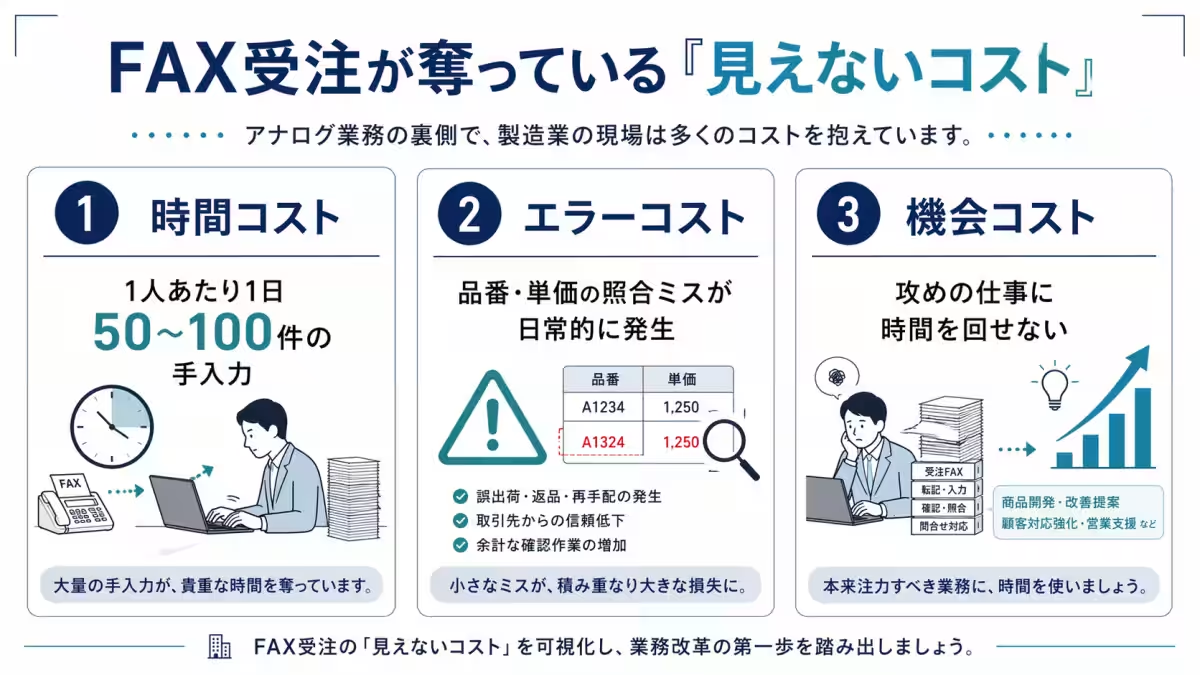
Time Costs: For employees handling 50 to 100 orders daily, this demands significant labor hours. Time-consuming manual data entry reduces productivity across tasks, leaving scarce employee resources tied to this outdated method. An AI integration could resolve much of this repetitive task load, streamlining operations remarkably.
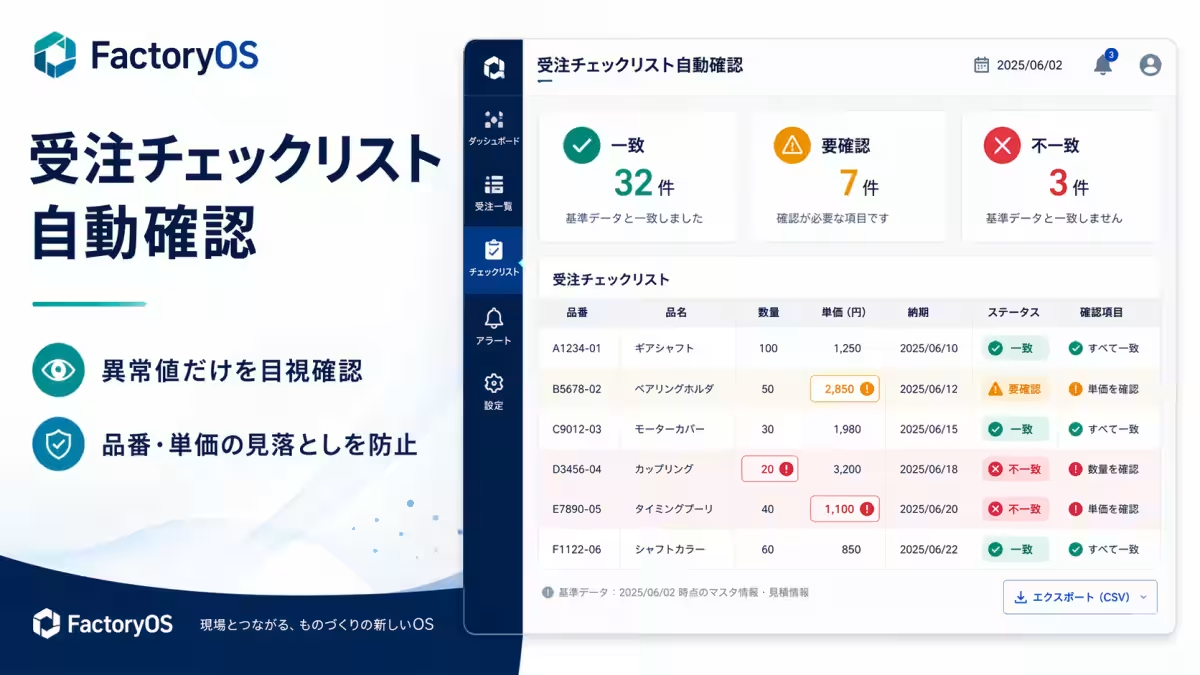
Error Costs: Given the manual nature of entry, frequent errors arise from order mismatches. Measurement discrepancies can lead to wasted materials and costly downtime, indicating that invisible costs are accumulating due to inefficiencies.
* Opportunity Cost: When teams are bogged down in mundane data input, it restricts opportunities for new client acquisitions or innovative product improvements. Some companies reported feeling overwhelmed just to meet demands, neglecting proactive strategies vital for growth.
Introducing FactoryOS: A Digital Solution to an Analog Problem
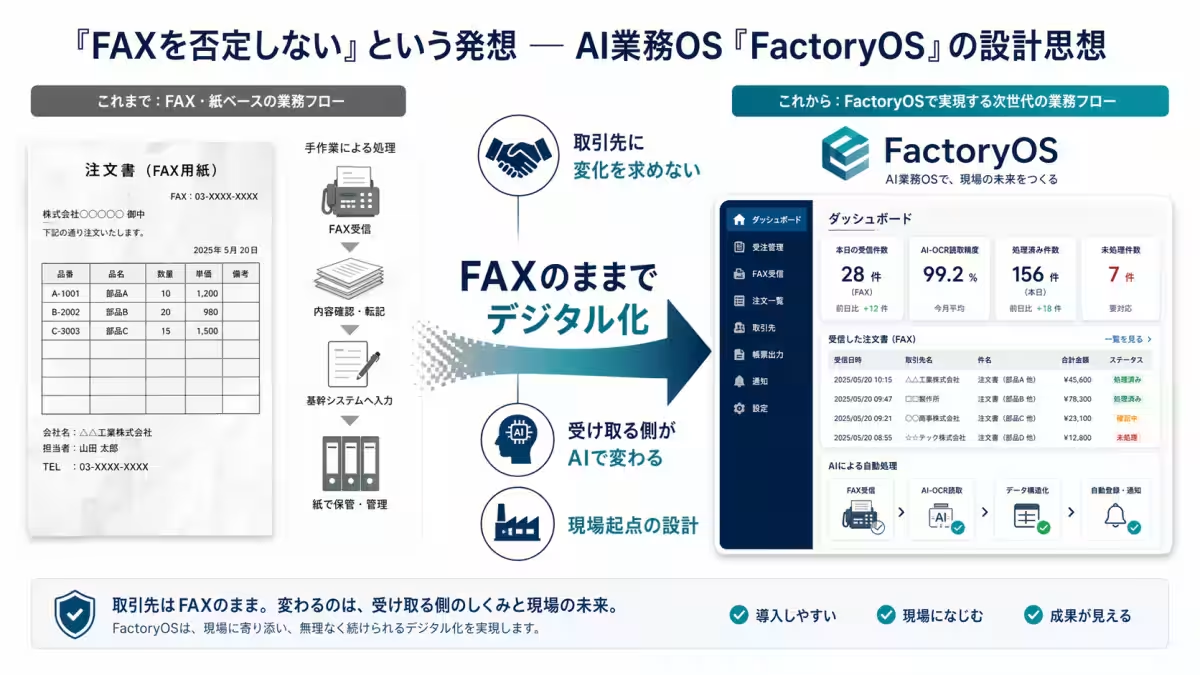
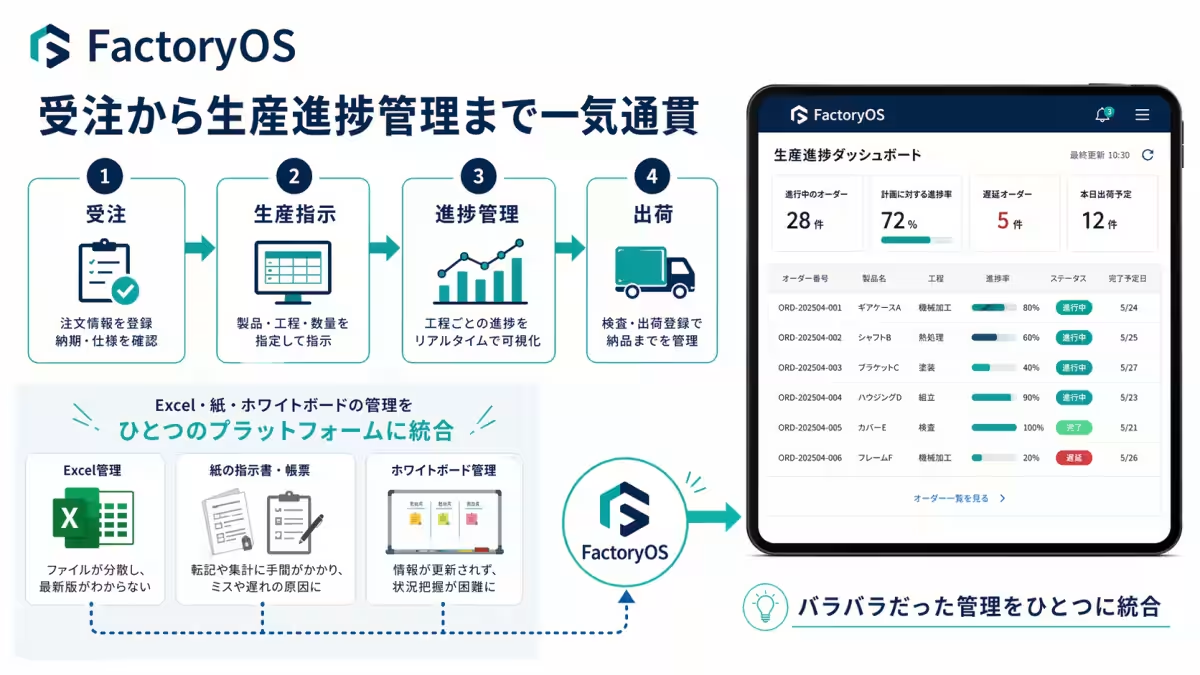
Acknowledging these challenges, the startup Leach has developed FactoryOS, an AI-based operational system designed explicitly for small manufacturers engaging in low-volume production. This system proposes a unique solution by allowing companies to retain their traditional FAX processes while automating the transitioning into digital formats.
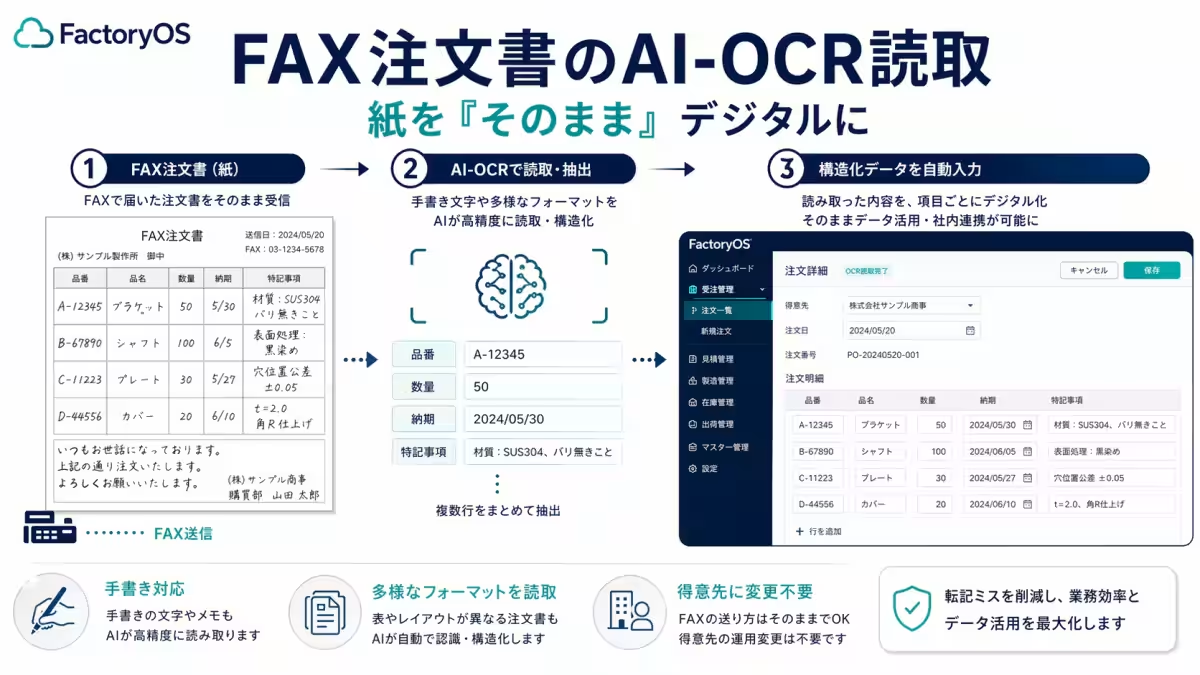
1. Enhanced FAX Order Processing with AI-OCR: With the implementation of advanced AI-OCR technology, FAX orders can be scanned, and the essential data extracted automatically, minimizing input errors immensely.
2. Integrative Management Processing: FactoryOS connects order data directly to production management processes, creating a seamless flow of information from order to dispatch. This unification is set to replace ad hoc manual systems currently straining resources.
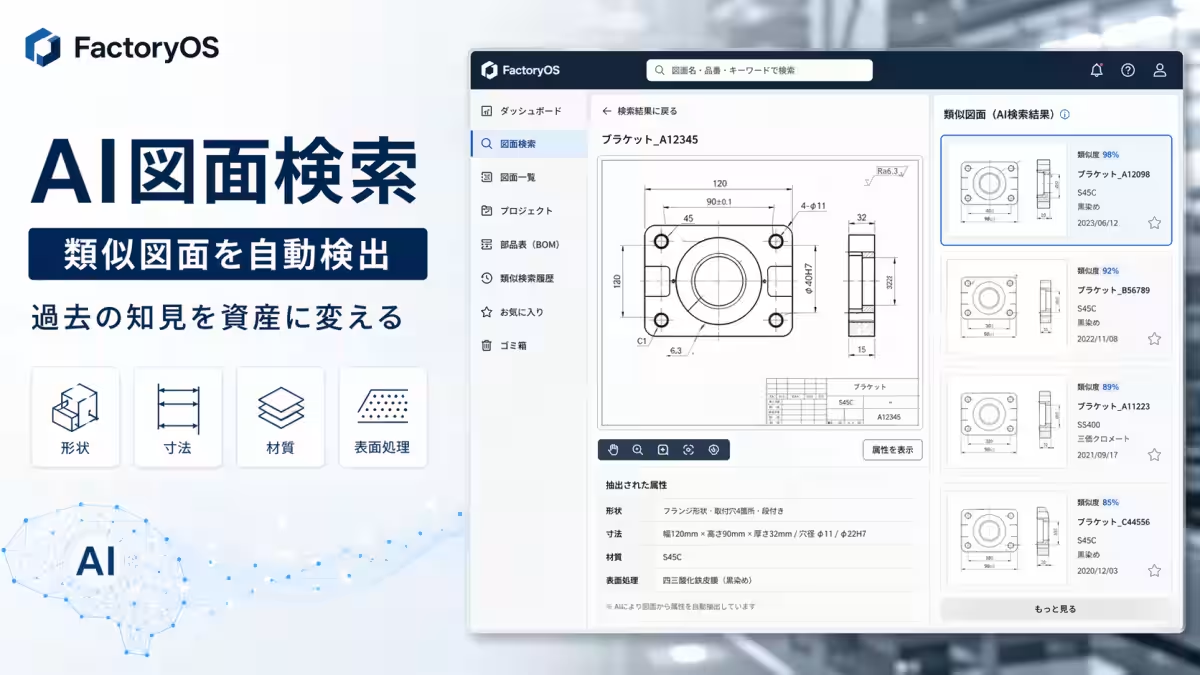
3. AI-Driven Learning Systems: Over time, the AI involved in FactoryOS learns and adjusts its processes to better suit an individual factory's needs and order variations, ensuring a tailored operational experience.
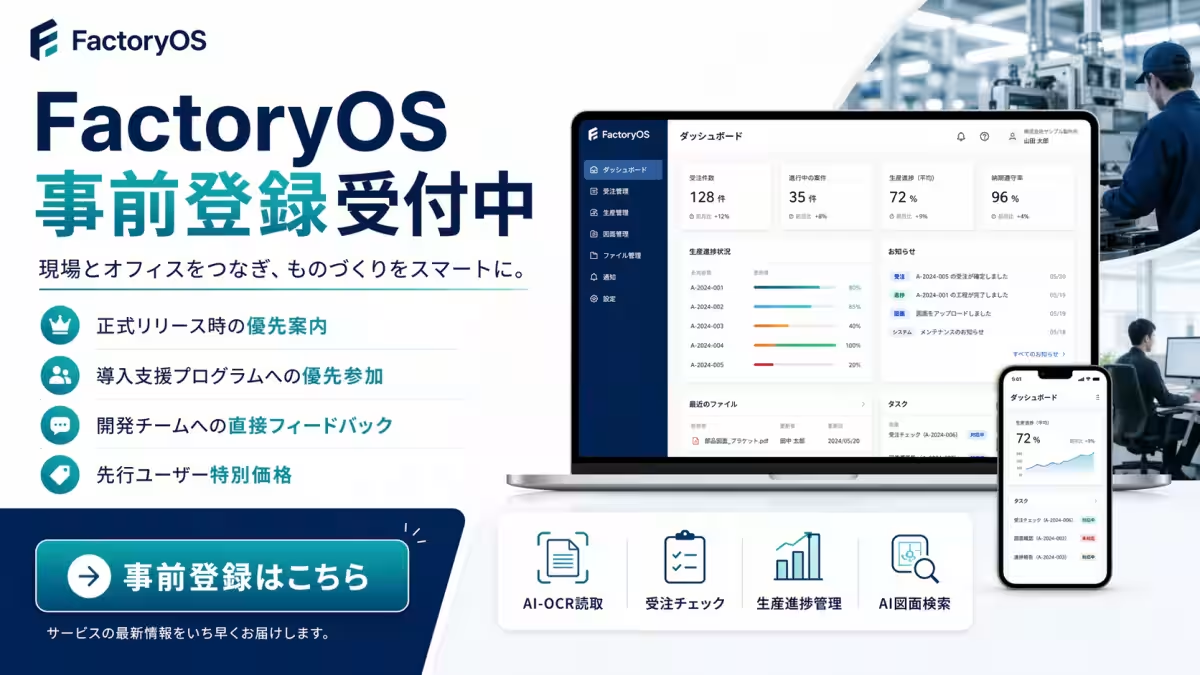
Leach’s FactoryOS will be open for pre-registration, emphasizing no required adjustments from suppliers while integrating vital digitalization effortlessly. This approach stands to furnish small manufacturing sectors with strong alternatives to increase productivity without abandoning established systems.
As they state, "Our goal isn’t to eliminate FAX from the landscape but to harness it effectively within a new digital framework." With advanced AI systems based on proven methodologies and user-driven feedback, the aim is to elevate small and medium-sized enterprises and facilitate their transition into Industry 4.0 without overwhelming the capacities of current workflows.
Topics Consumer Products & Retail)
【About Using Articles】
You can freely use the title and article content by linking to the page where the article is posted.
※ Images cannot be used.
【About Links】
Links are free to use.