



New $3.5 Million Grant by ECW to Tackle Bangladesh's Rohingya Crisis
ECW's $3.5 Million Grant for Rohingya Children's Education
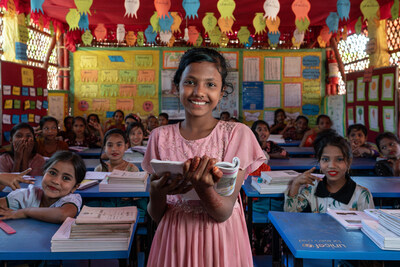
In a significant stride towards addressing the ongoing Rohingya refugee crisis, Education Cannot Wait (ECW) has announced a new grant amounting to $3.5 million. This funding aims to restore access to essential education for approximately 180,000 children located in Cox's Bazar, home to the world's largest refugee camp. This newly announced funding builds on ECW's existing investment of over $50 million in Bangladesh, which has already benefitted over 386,000 children, 96% of whom are Rohingya refugees.
The grant comes at a critical time as the region grapples with a rapidly developing humanitarian crisis compounded by natural calamities that have disproportionately affected vulnerable groups. The funding will facilitate the restoration and expansion of educational opportunities, focusing particularly on inclusive and safe learning environments. ECW works closely with local partners including UNICEF, CODEC, Jagorani Chakra Foundation, BRAC, Mukti Cox's Bazar, Friendship, and COAST Foundation to implement these initiatives.
"Every child deserves a chance to learn, regardless of the crisis they are in," stated Rana Flowers, the UNICEF representative in Bangladesh. "This support from Education Cannot Wait is a lifeline. It goes beyond mere books and lessons; it's a bridge to the dignity, stability, and future that these children deserve. We're ensuring Rohingya children have the skills, confidence, and hope they need to rebuild their communities when it is safe to return home."
Despite these positive developments, the humanitarian situation remains dire, with humanitarian aid sharply decreasing. As of June 2025, over 3,600 educational institutions serving pre-school to fourth-grade levels remain closed, jeopardizing the education of countless children. A recent analysis revealed that only half of the Joint Response Plan has been mobilized to address these pressing needs.
The funding provided by ECW will not only help in constructing or rehabilitating schools but also ensure the delivery of much-needed training on critical topics such as disaster-risk reduction, gender awareness, mental health, and psychosocial support for teachers and administrators working on the ground. This holistic approach is vital in creating resilient educational frameworks capable of withstanding future shocks.
As the ECW continues its efforts, they urge both public and private sector donors to expand their support to include even more vulnerable children and youth disproportionately impacted by the ongoing crisis.
For more information and updates on this initiative and others, follow the official ECW channels on social media and their website. Together, we can create a brighter future for all children, especially those living in crisis-affected regions like Bangladesh.
Conclusion
The $3.5 million grant from ECW represents a transformative effort to bring education back to the lives of Rohingya children in Bangladesh. By focusing on inclusivity and resilience, it underscores the importance of education in empowering future generations to thrive, regardless of the ongoing challenges they face.
Topics Policy & Public Interest)

【About Using Articles】
You can freely use the title and article content by linking to the page where the article is posted.
※ Images cannot be used.
【About Links】
Links are free to use.