



Challenges in Training Young Engineers: How OJT is Falling Short in Today's Fast-Paced Work Environment
Challenges in Training Young Engineers
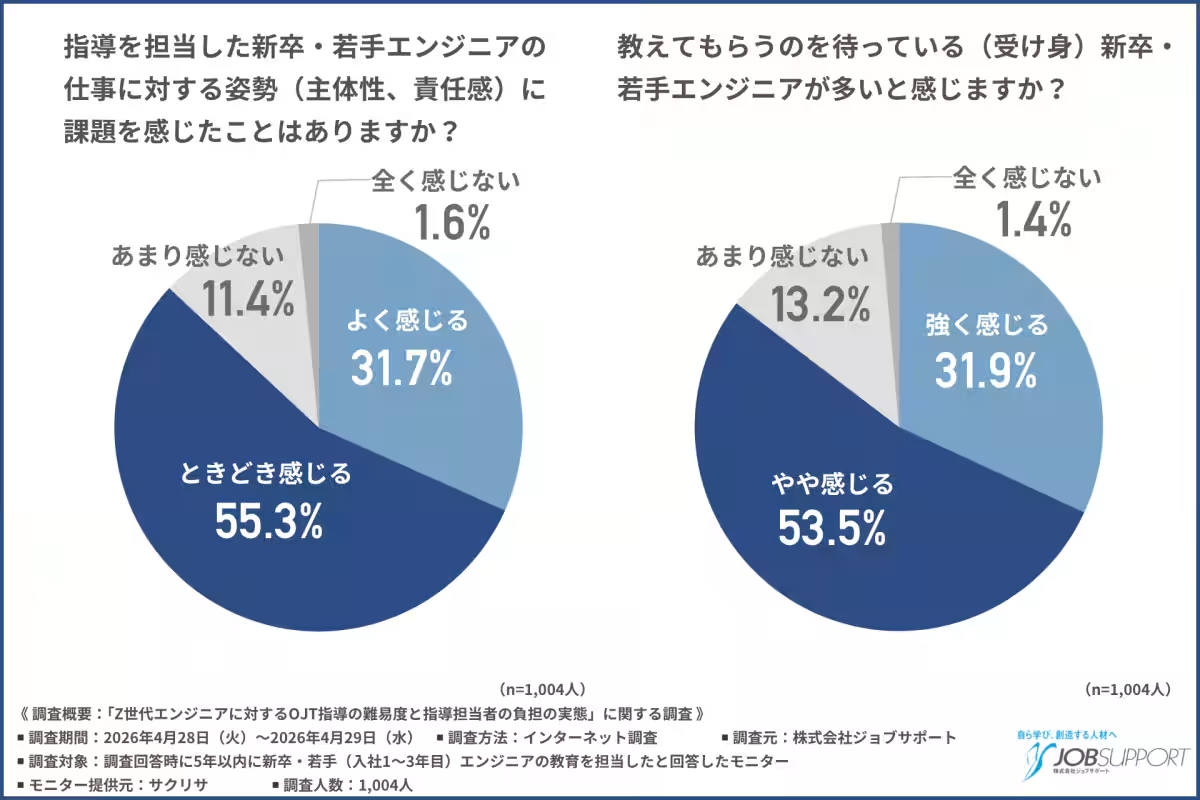
In a recent survey conducted by Job Support, a Tokyo-based company, significant challenges in the on-the-job training (OJT) of young engineers have been exposed. The research surveyed 1,004 individuals responsible for training new graduates or junior engineers within their first three years of employment. The findings reveal that nearly 90% of trainers perceive a passive attitude among trainees, raising concerns about the effectiveness of current OJT methods.
Key Findings from the Survey
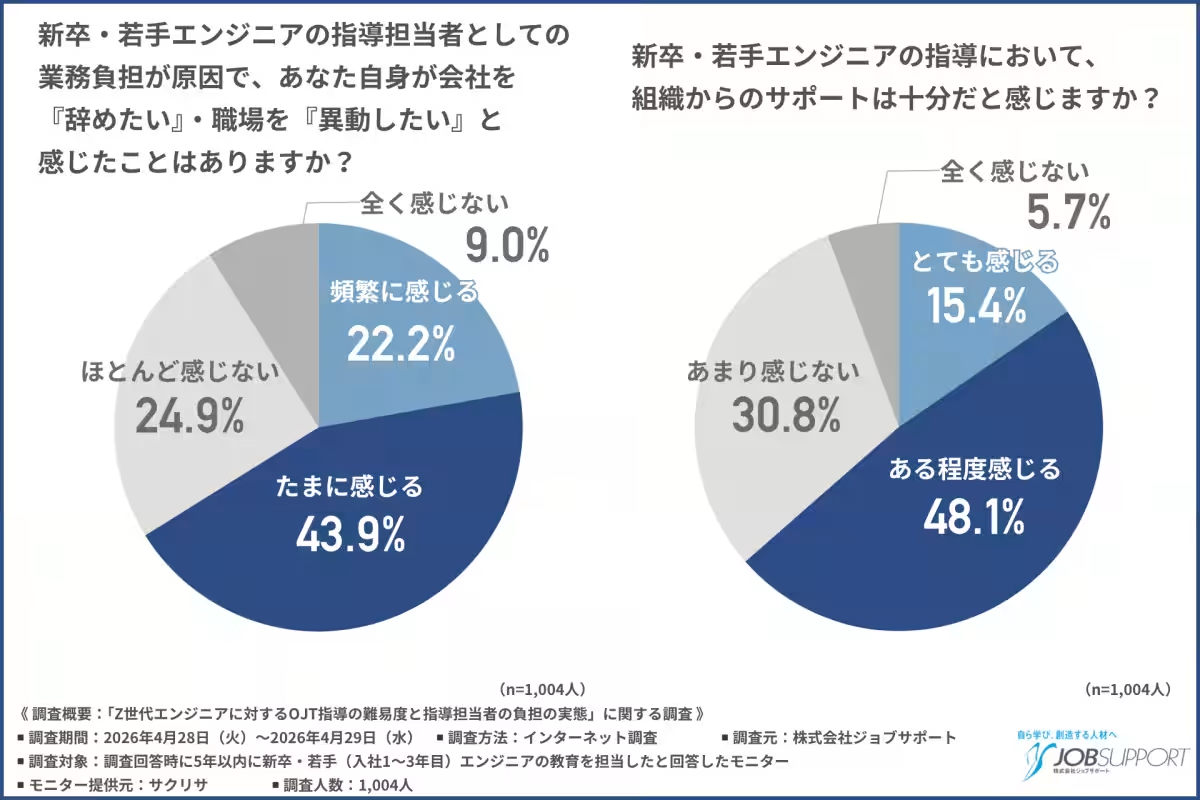
With the rapid growth of generative AI and an increasing workforce shortage, the burden on trainers has intensified. Approximately 90% of respondents reported difficulties related to the passive demeanor of young engineers. A staggering 70% of these trainers have considered changing jobs or departments due to the stress and strain of their roles. This indicates a systemic issue within the industry, rather than isolated incidents within specific companies.
The Experience of Trainers
When asked if they felt young engineers exhibit a proactive work ethic and sense of responsibility, 85.2% of participants acknowledged issues in these areas. The results indicate that trainers are not just burdened by teaching technical skills but also by cultivating essential soft skills and work attitudes.
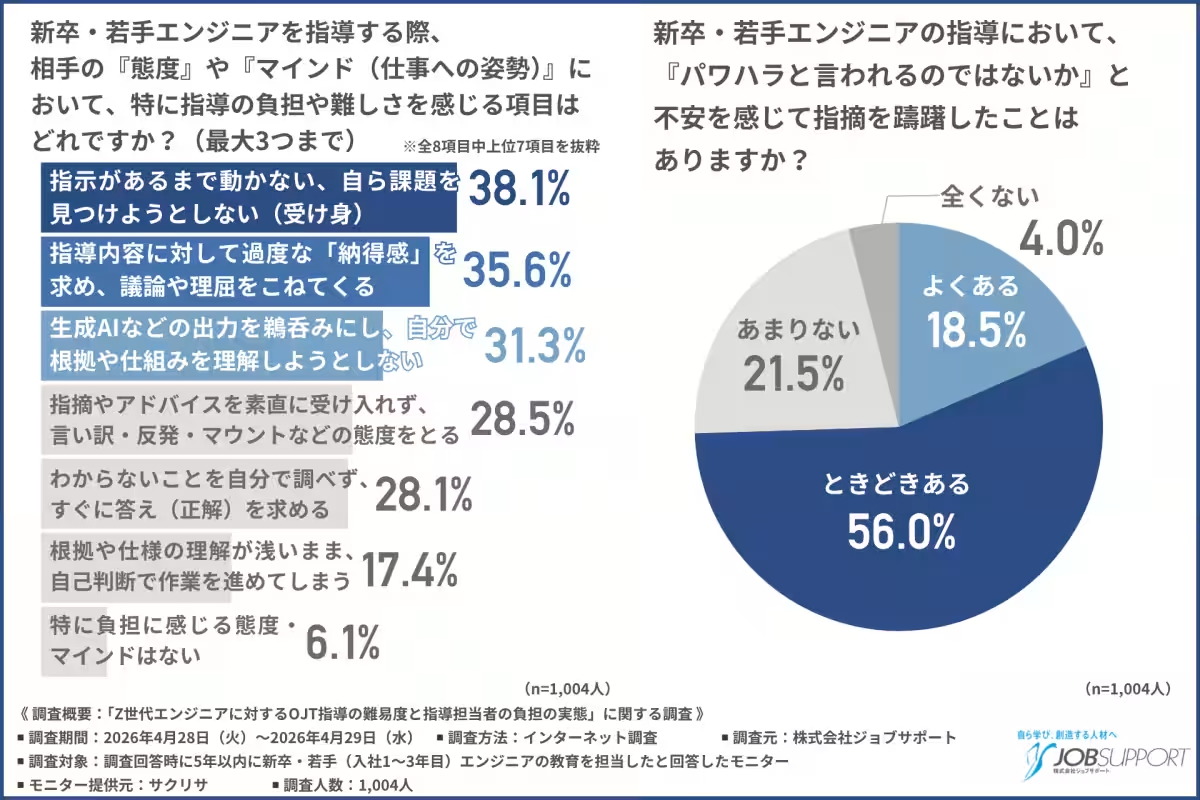
Among respondents, 38.1% noted that their trainees often wait for instructions and do not take initiative to identify and solve problems. Concerns about being accused of harassment for providing constructive criticism have also led to trainers hesitating to provide feedback, with 74.5% admitting they often feel this way. This has resulted in a training landscape where crucial guidance is either diluted or avoided altogether.
The Limitations of OJT
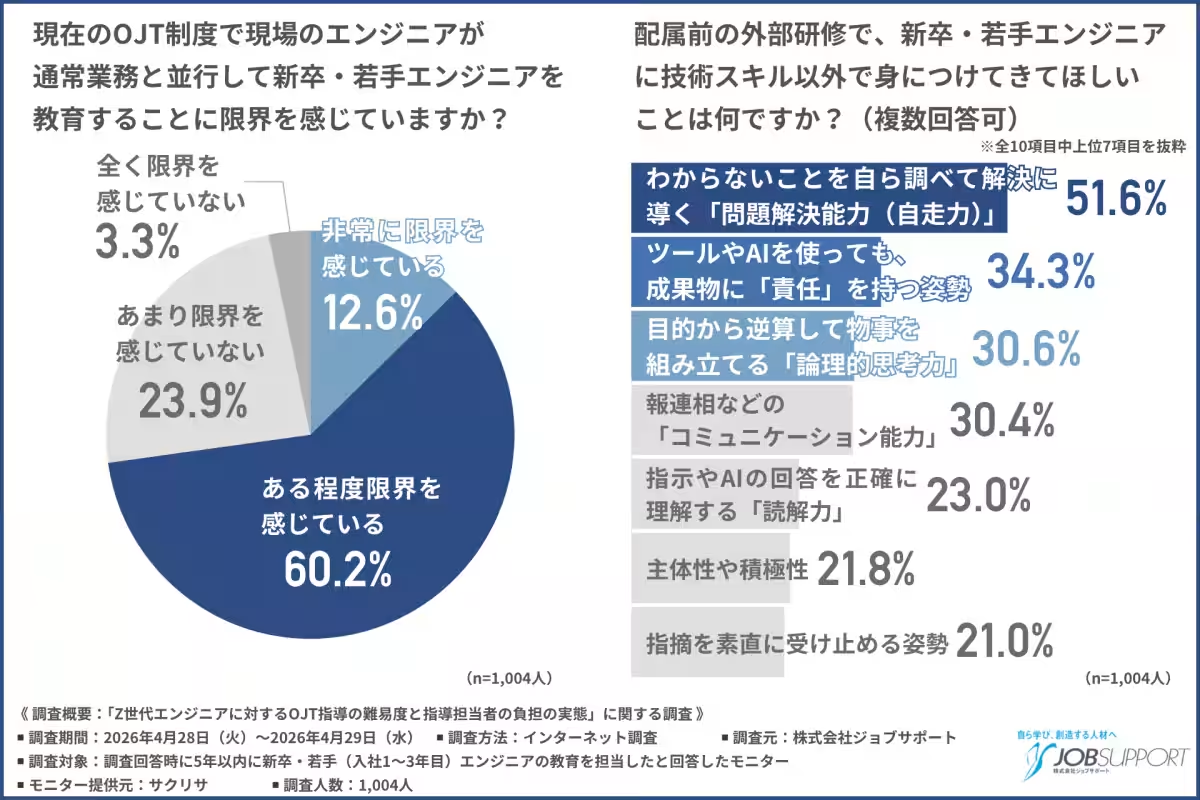
Despite 63.5% of trainers feeling adequately supported by their organizations, a cutting concern persists: 72.8% indicate that current OJT frameworks are reaching a breaking point. Many feel that the reliance on individual trainers is detrimental to the education process, concentrating immense pressure on a select few. The question remains: how can organizations effectively support these trainers and alleviate their burdens?
What Young Engineers Really Need
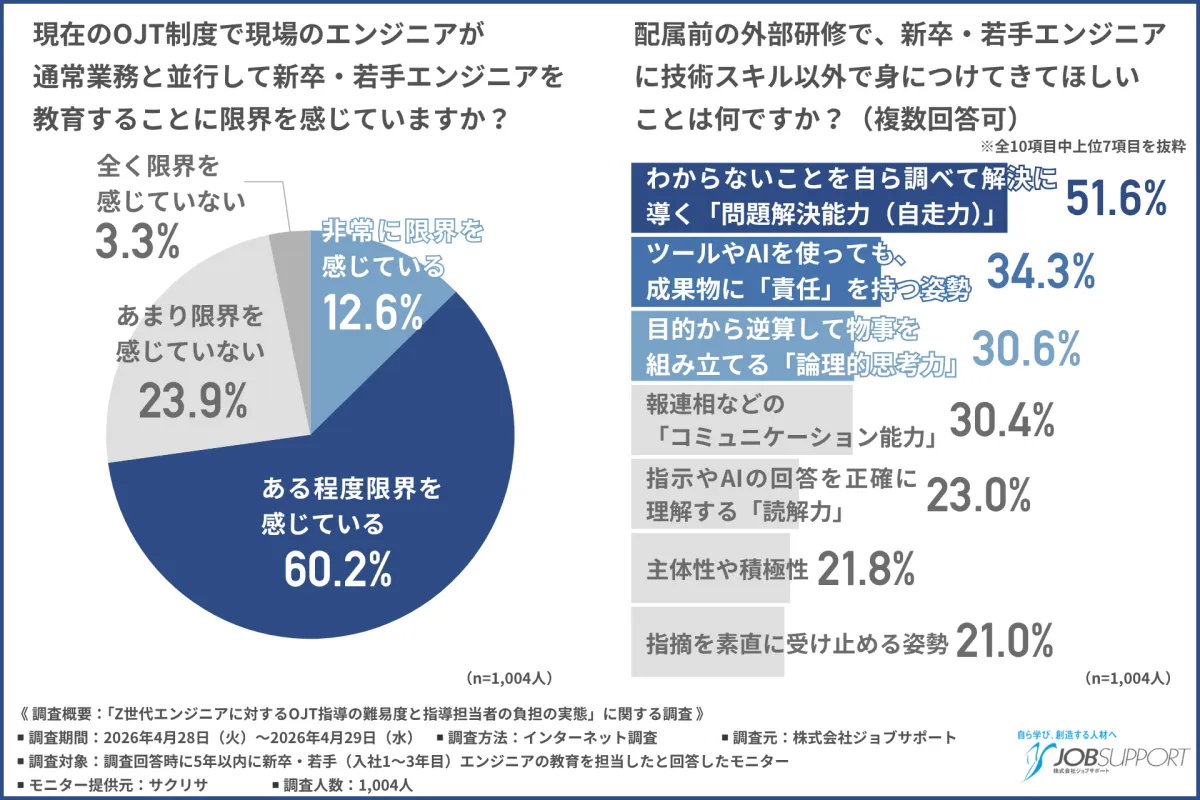
Interestingly, when asked about the skills they wish their engineers would acquire before being assigned, 51.6% prioritized 'problem-solving ability' over technical expertise. Furthermore, external training support focusing on soft skills was deemed vital by 46.7% of respondents. This indicates a critical need for organizations to shift their focus towards foundational skills that prepare engineers for the challenges they will face in their roles.
Mitigating the Workload of Trainers
Currently, trainers are expected to balance technical training with guidance on soft skills and work ethics, a dual challenge that is increasingly unmanageable. To address this, organizations must consider revamping their training frameworks. Effective solutions might include enhanced internal training and utilizing external resource aids to create an environment where trainers can concentrate on teaching technical skills without the overwhelming pressure of also promoting soft skills.
Conclusion
The data from this survey highlights critical issues surrounding the OJT system for new and junior engineers. With the challenges posed by contemporary workforce dynamics, such as the prevalence of generative AI, the construction of a solid training structure is vital. The alarming recognition that 70% of trainers contemplate leaving their positions underscores the urgent need for a holistic review of training methodologies and educational frameworks.
This call to action urges organizations to rethink how young engineers are trained and supported, ultimately ensuring their successful transition into impactful roles that contribute meaningfully to their teams.

Topics People & Culture)
【About Using Articles】
You can freely use the title and article content by linking to the page where the article is posted.
※ Images cannot be used.
【About Links】
Links are free to use.