



Addressing the Skill Gap: The Focus on Soft Skills in New Graduate Engineer Training
Challenges in Training New Graduate Engineers: A Focus on Soft Skills
In a recent survey conducted by RiaSec, an IT-focused HR firm based in Minato, Tokyo, the pressing issue of soft skills among new graduate engineers has been highlighted. As new graduates enter the IT workforce, both technical capabilities and soft skills play a crucial role in their development. The first year is especially formative, as these individuals not only acquire job-related knowledge but also learn the importance of teamwork and collaborative attitudes.
Survey Overview
The survey gathered insights from 863 professionals involved in the training of new graduate engineers, including HR representatives and on-the-ground managers. Conducted via the PRIZMA platform from November 4 to November 6, 2025, this investigation aimed to identify the skills most valued during the training process.
Results Summary
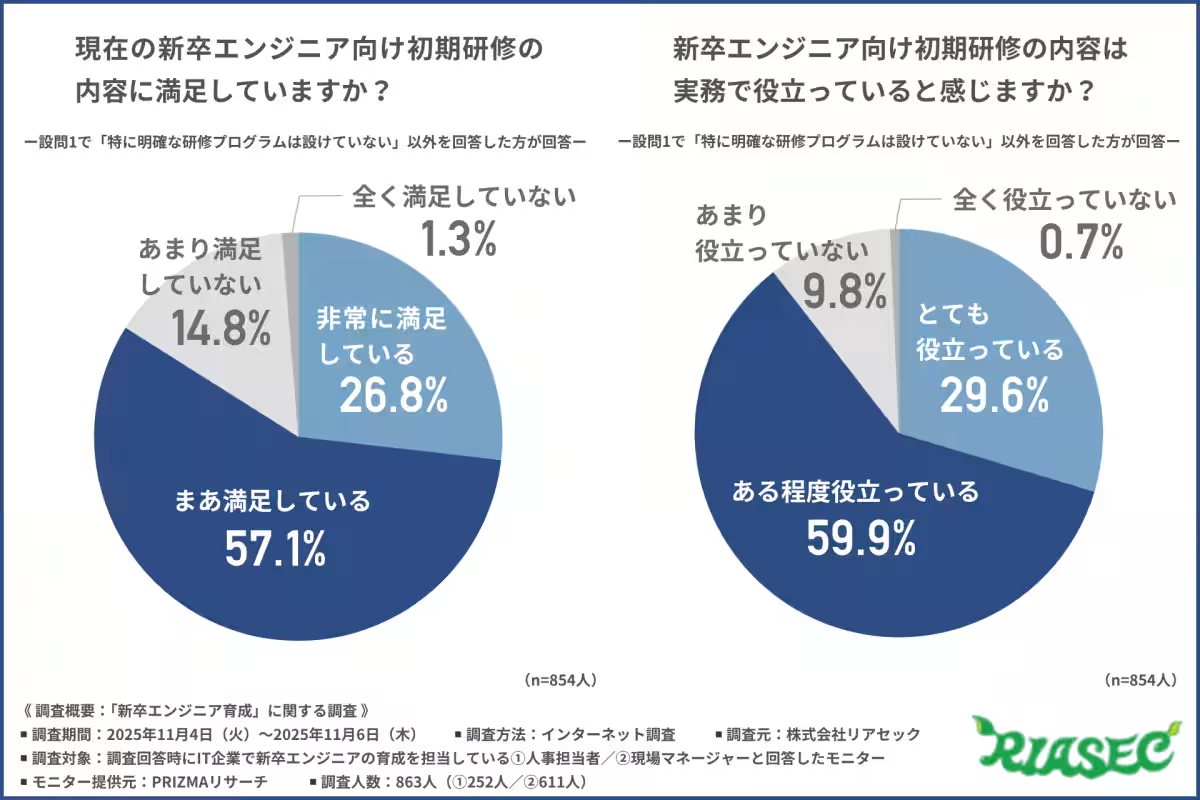
1. Technical Training Dominates: Approximately 90% of respondents noted that current new graduate training primarily focuses on technical skills, with many reporting that these training sessions are valuable in practical work scenarios.
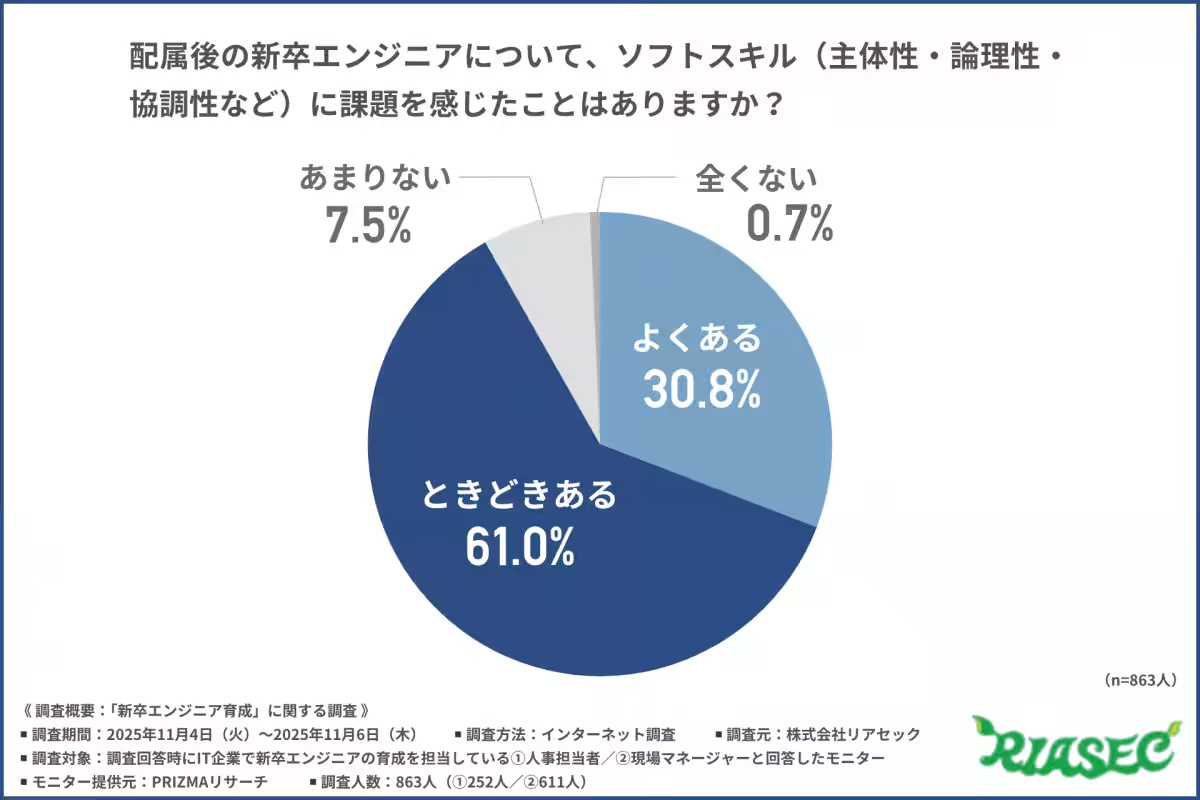
2. Soft Skills Deficiency: Despite effective training, 90% acknowledged that fresh graduates typically struggle with soft skills such as proactivity and cooperation.
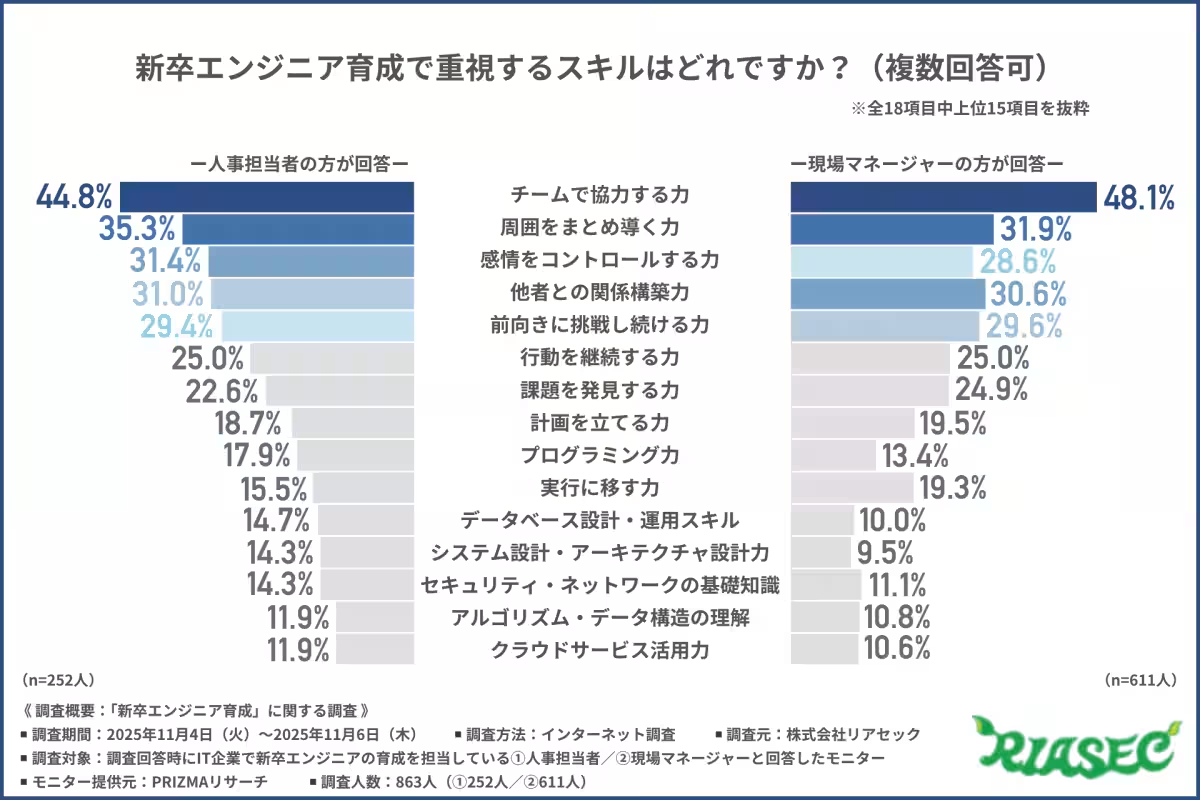
3. Critical Teamwork Abilities: The ability to work in teams is viewed as the most critical soft skill, though about 40% of survey participants reported inadequacies in this area.
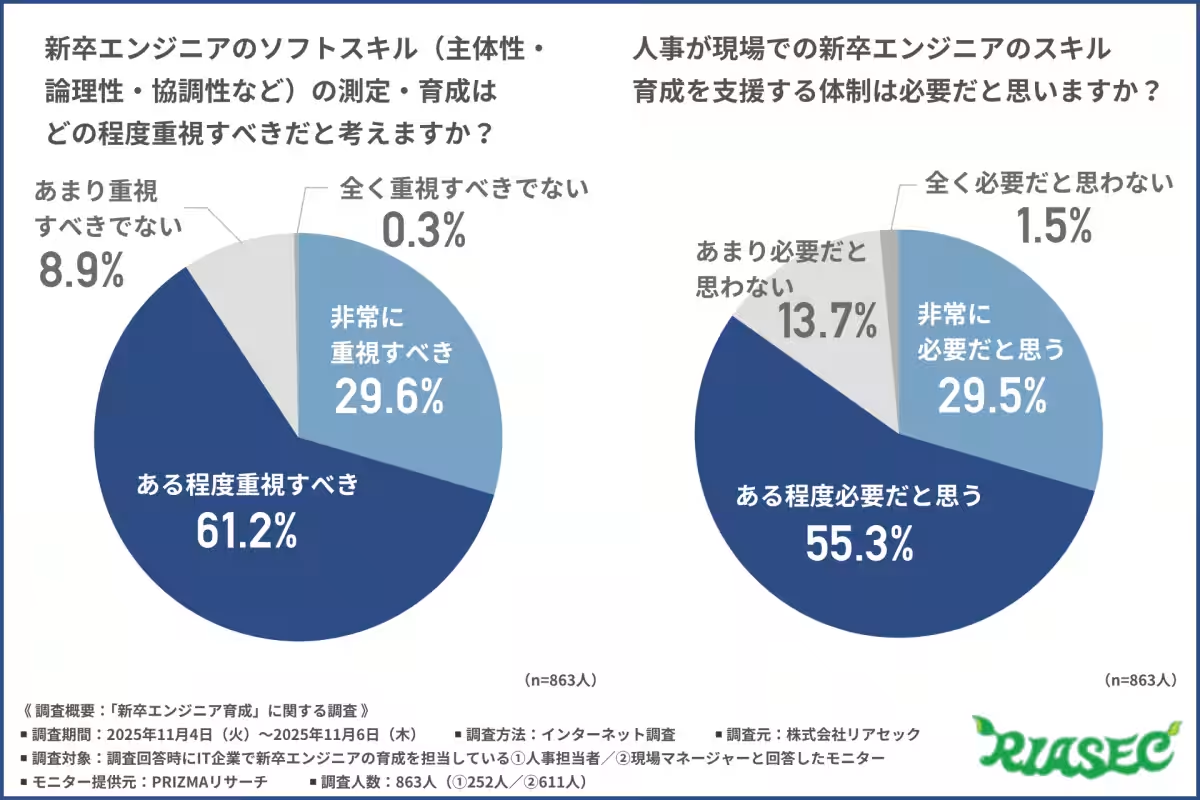
4. Need for HR Support: A significant 90% of respondents agree that HR’s involvement in supporting on-the-job training is essential for successful skill development.
Analyzing the Current Training Landscape
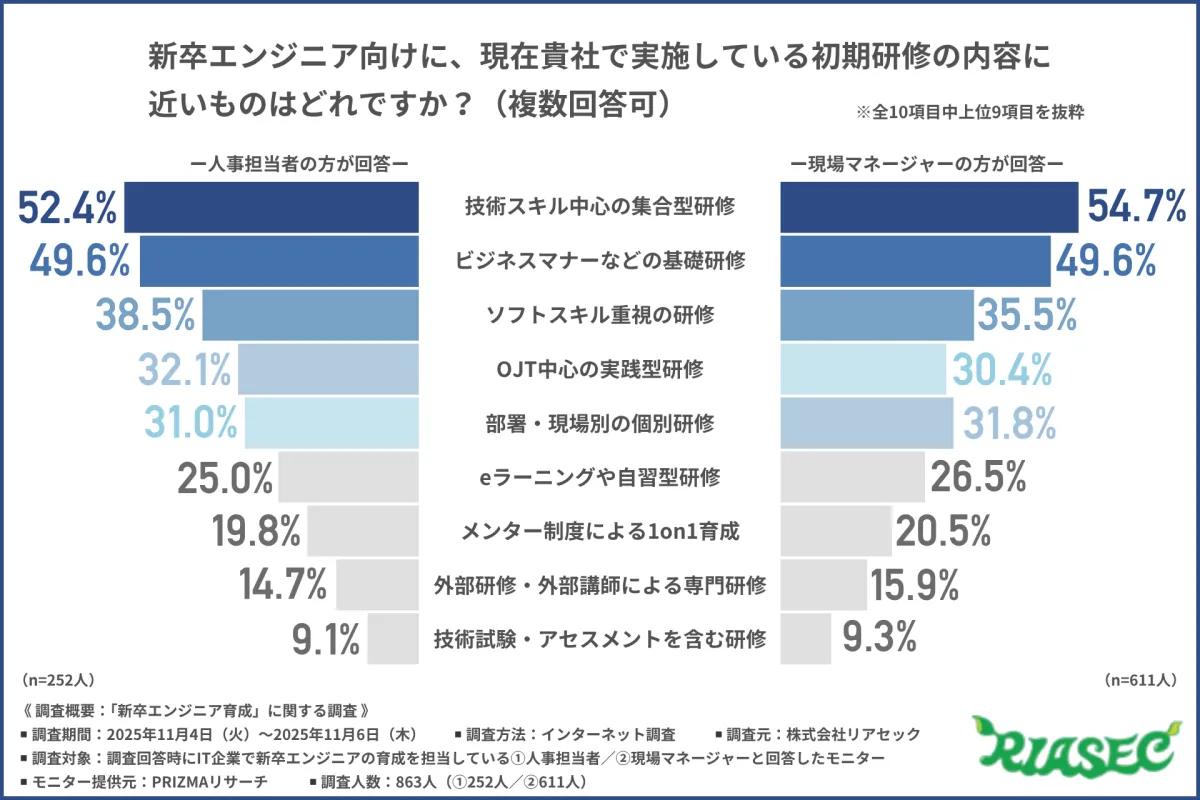
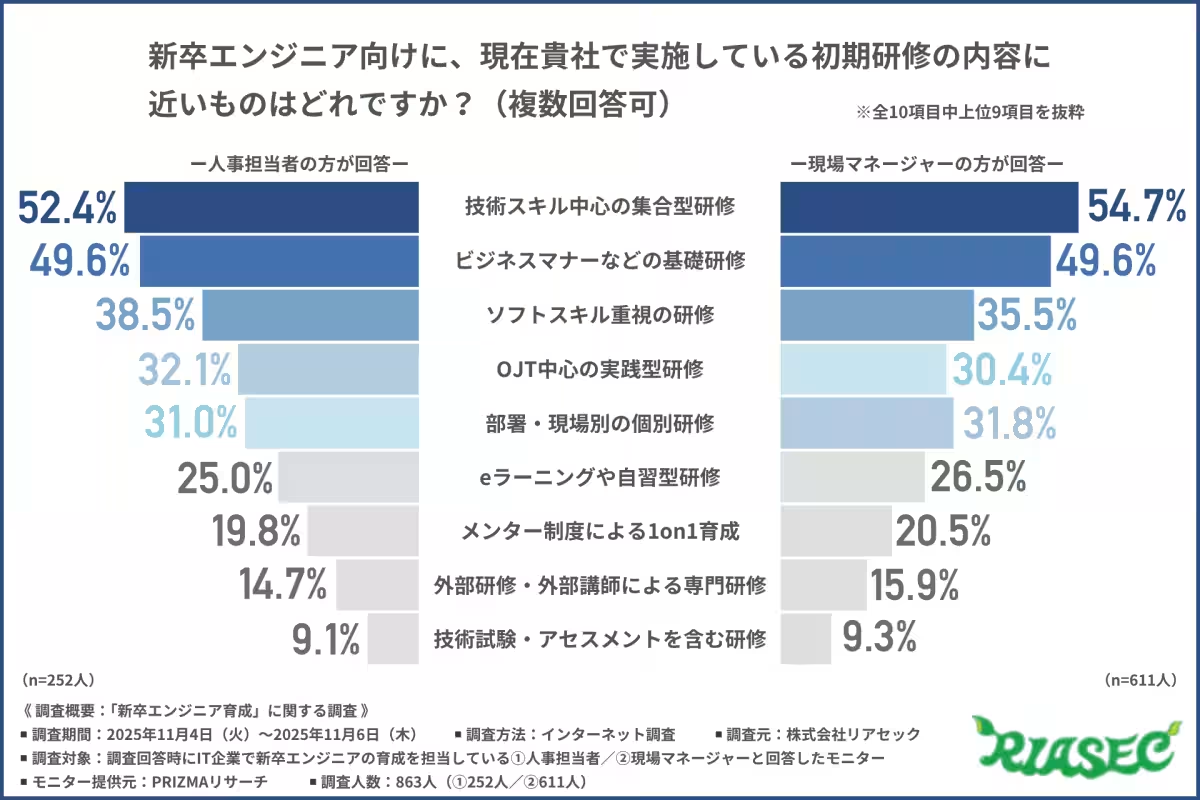
When asked what initial programs their companies were implementing, HR personnel indicated a preference for technical skills-based collective training (52.4%), followed closely by basic business etiquette training (49.6%). However, those innovative approaches that emphasize soft skills and on-the-job training did not receive significant attention, reflected in the figures hovering around the 30% mark.
Despite high satisfaction levels reported with the existing training—over 80% of respondents felt that it met practical needs—there remains an evident gap between the training received and the soft skills expected in the workplace.
Understanding Soft Skills Importance
A balance between hard and soft skills is paramount for new graduates today. The emphasis on collaborative abilities is recognized by both HR professionals and project leaders, illustrating a unifying focus on the need for teamwork within organizational structures. While it seems there is a consensus on the importance of soft skills in theory, struggles with soft skill development during hands-on experience suggest a dissonance exists between training methods and job responsibilities.
Challenges in Skill Development
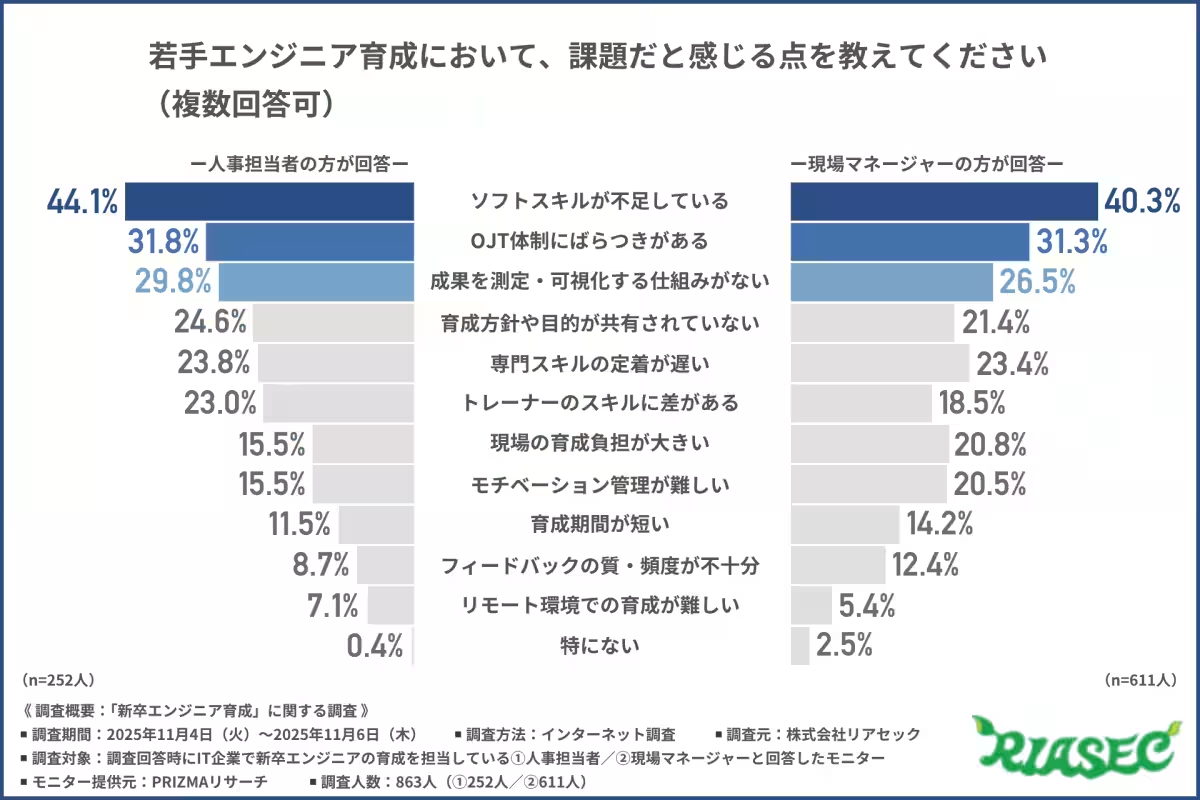
The creation of a blended approach that emphasizes practical applications of learned skills is suggested. The survey reveals that many employers recognize not only the necessity of soft skills training but also the responsibility of HR departments to enable and facilitate this learning process. While around 40% reported challenges in providing structured on-the-job training and measurable outcomes for skill acquisition, the calls for enhanced programs focusing on soft skills remain strong.
Moving Forward: The Future of Engineer Training
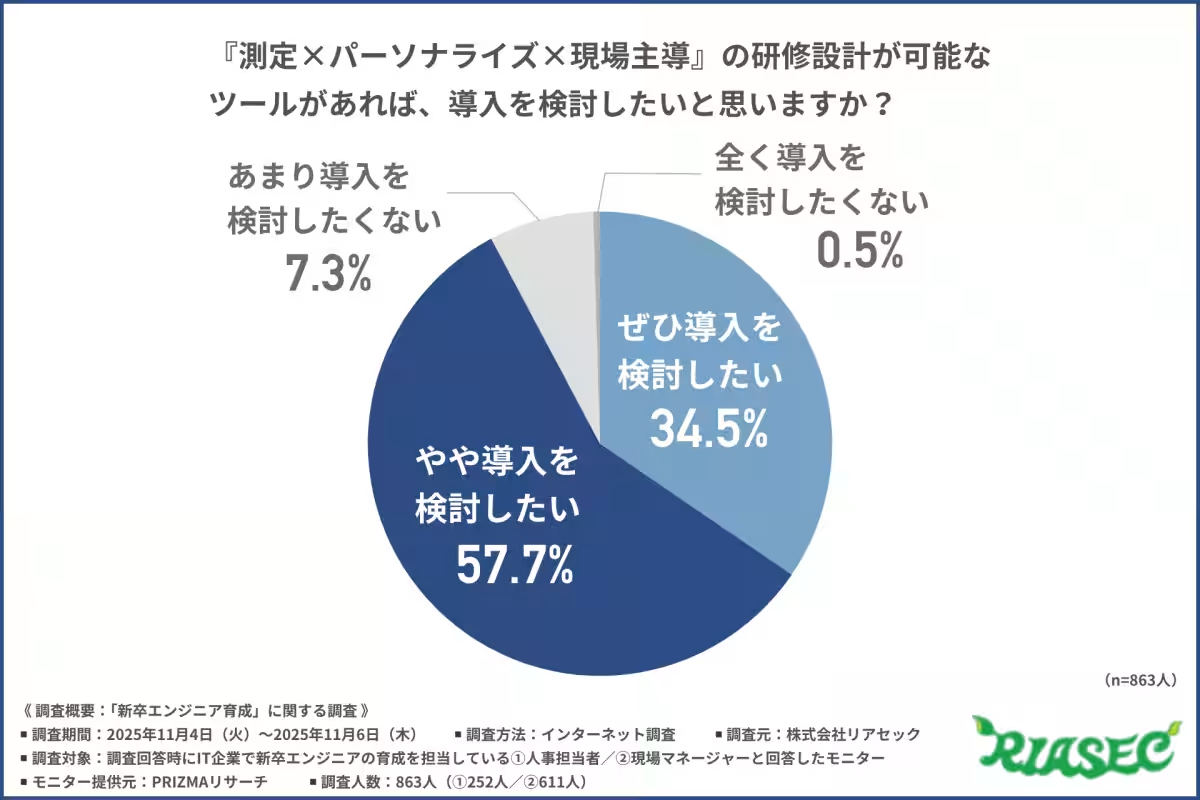
The survey clearly points out a trend toward prioritizing soft skills, with 90% of participants seeing the need for HR support in training processes. Adopting strategies that intertwine natural job flow with learning opportunities can enhance skill development. This perspective leads to the conclusion that a collaborative effort from both HR and project management is key to closing the gap in soft skills training. Moreover, the potential for data-driven, personalized training tools that cater to individual learning needs is immense and likely necessary for fostering the engineers of tomorrow.
Given the urgency to equip young engineers with both technical and interpersonal abilities, it is crucial that companies and HR departments recognize the importance of fostering a supportive training environment that endorses not only learning but also the practical application of soft skills in the workplace. As the industry evolves, so too must the approaches to training and development of new graduate engineers, ensuring they are well-prepared for the challenges ahead.

Topics People & Culture)



【About Using Articles】
You can freely use the title and article content by linking to the page where the article is posted.
※ Images cannot be used.
【About Links】
Links are free to use.