



Trends and Challenges in Managerial Evaluations of Subordinates in Japan
Understanding Managerial Evaluation Challenges in Japan
In recent months, the issue of employee retention has come into sharp focus across numerous industries in Japan. With early turnover of young employees emerging as a pressing social challenge, a recent survey has shed light on the nuances of managerial roles regarding subordinate evaluations. Conducted by ALL DIFFERENT Co., Ltd. in collaboration with the Learning Innovation Research Institute, the survey targeted 531 managers, focusing largely on those in positions of department heads and up, to uncover their thoughts on employee development, feedback, and retention strategies.
Survey Background
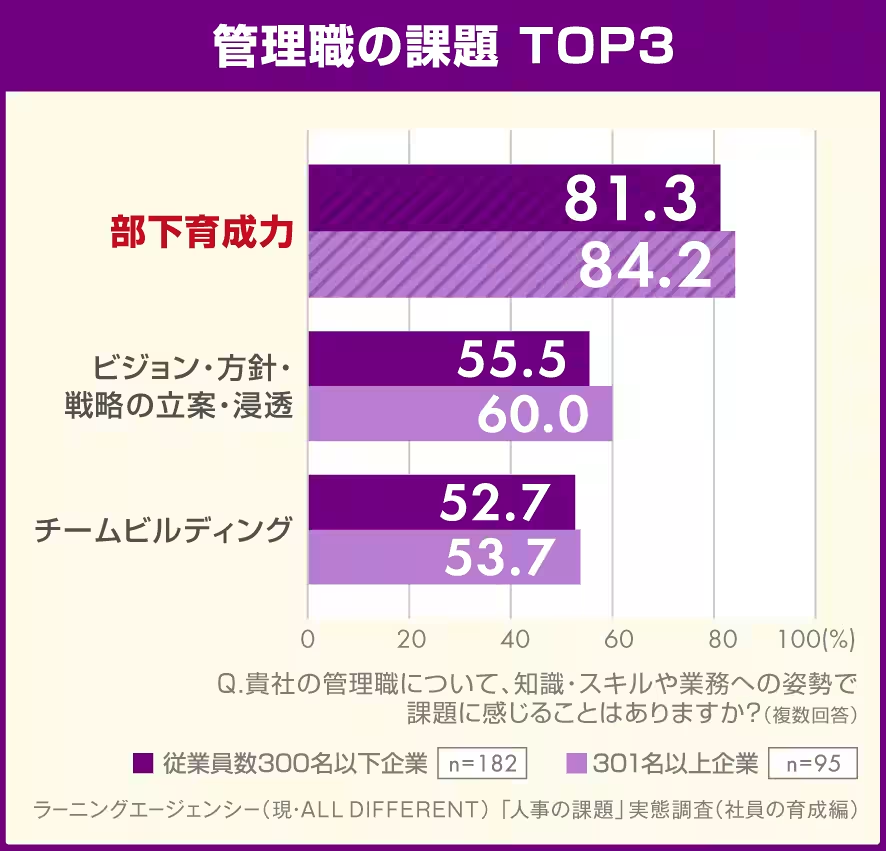
The importance of nurturing young talent has never been more critical. With over 80% of HR professionals reporting that managers struggle with the ability to effectively develop their subordinates, it is clear that the stakes are high. The anxiety surrounding employee retention, particularly in the face of instant turnover following training, raises significant concerns about the adequacy of current managerial practices.
Key Findings
1. Hesitations in Agent Evaluation
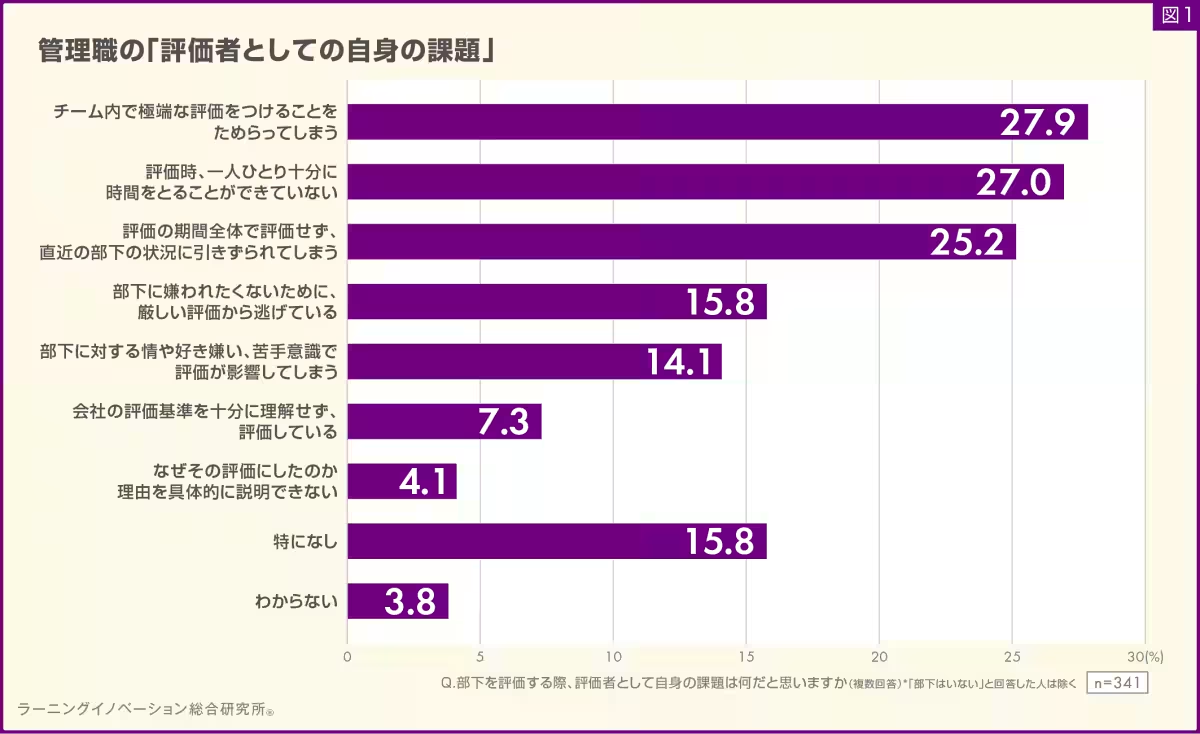
When managers were asked about their primary challenges while assessing employee performance, the results revealed that the most prevalent concern—affecting 27.9% of respondents—was their reluctance to assign extreme evaluations within their teams. Other significant issues included the inability to dedicate sufficient time for thorough evaluations (27.0%) and the tendency to be swayed by recent performance rather than evaluating overall contributions (25.2%).
2. Evaluation Challenges by Experience Stage
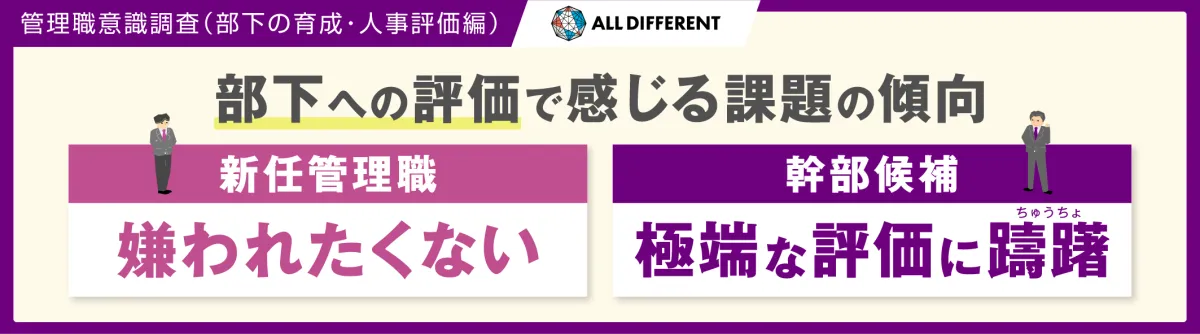
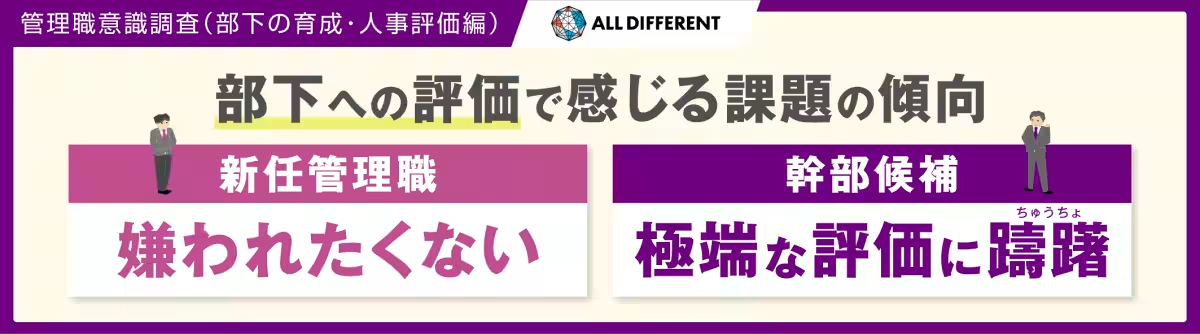
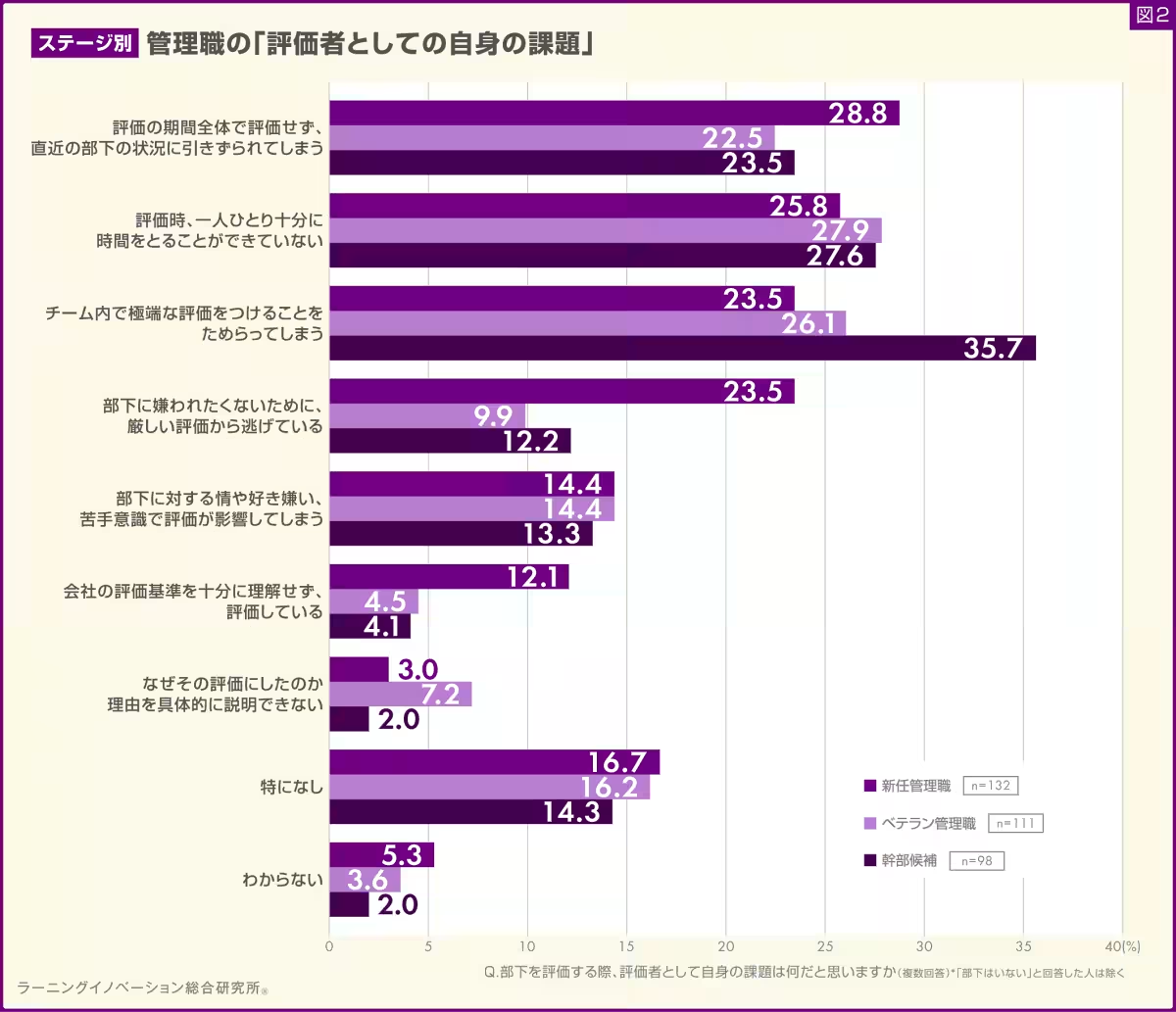
The survey categorized participants into three levels: new managers (1-3 years of experience), seasoned managers (4+ years), and senior candidates (department heads). Results indicated that new managers were particularly hesitant to deliver harsh evaluations due to fear of being disliked by their teams (23.5%). In stark contrast, senior candidates notably expressed a greater fear of providing extreme evaluations (35.7%).
3. Understanding Subordinates
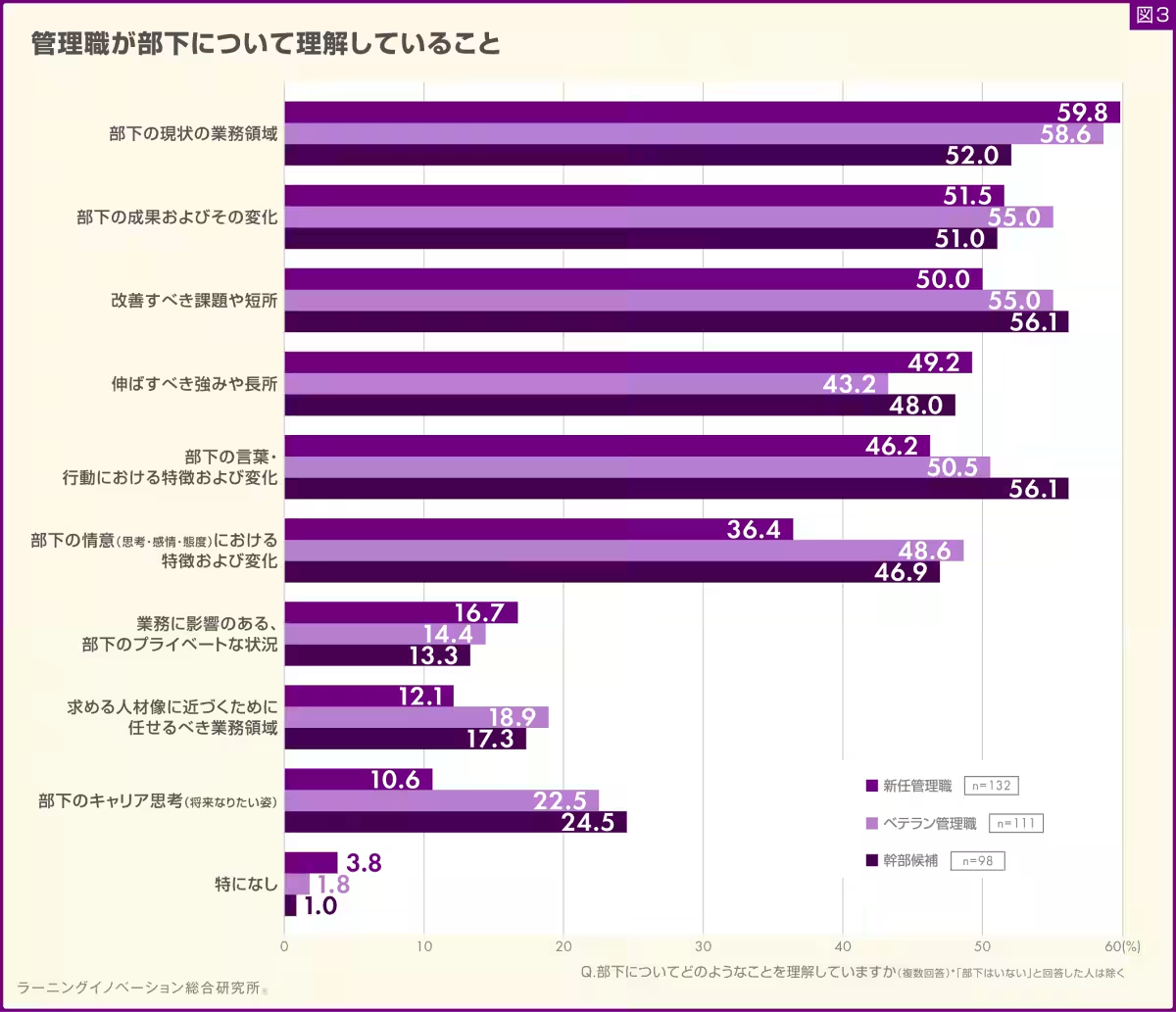
Effective evaluations necessitate a robust understanding of employees. The survey findings revealed that new managers predominantly understand their subordinates' current job roles (59.8%) and performance changes (51.5%), yet often lack insight into their future career aspirations or specific traits. Conversely, senior candidates highlighted awareness of improvement areas and behavioral traits, reinforcing the notion that as managers gain experience, they become more adept at assessing overall employee value and potential.
4. Feedback Challenges
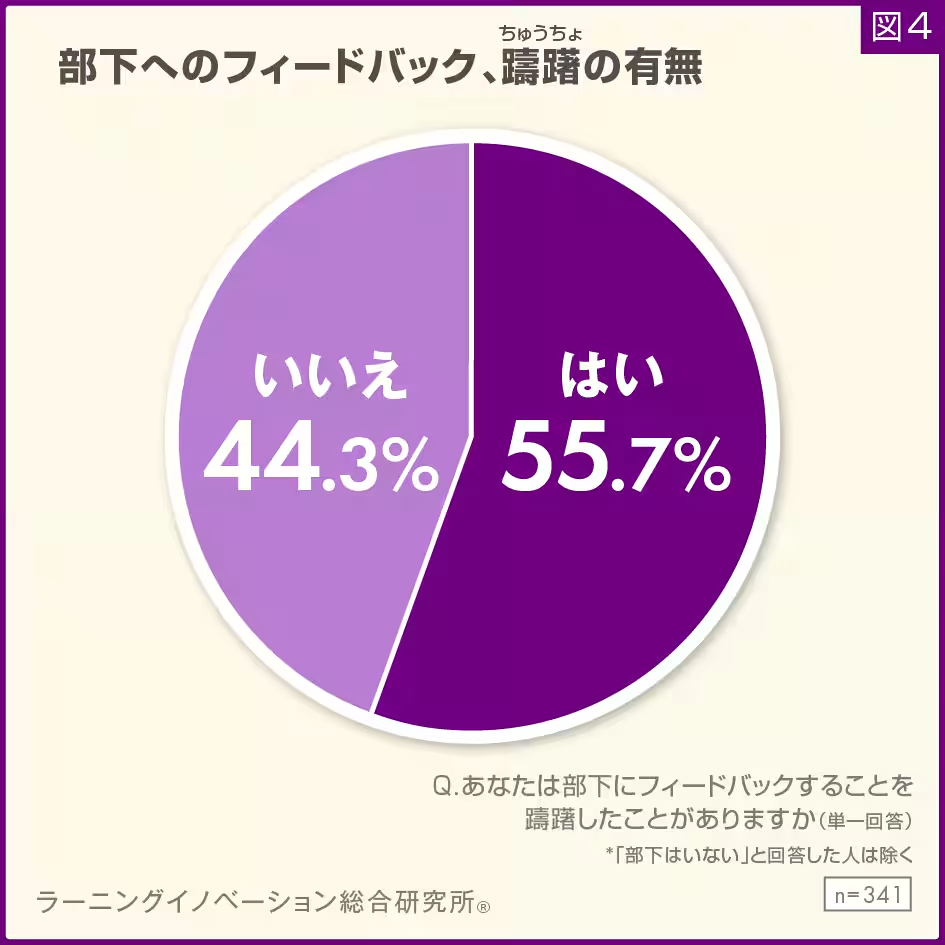
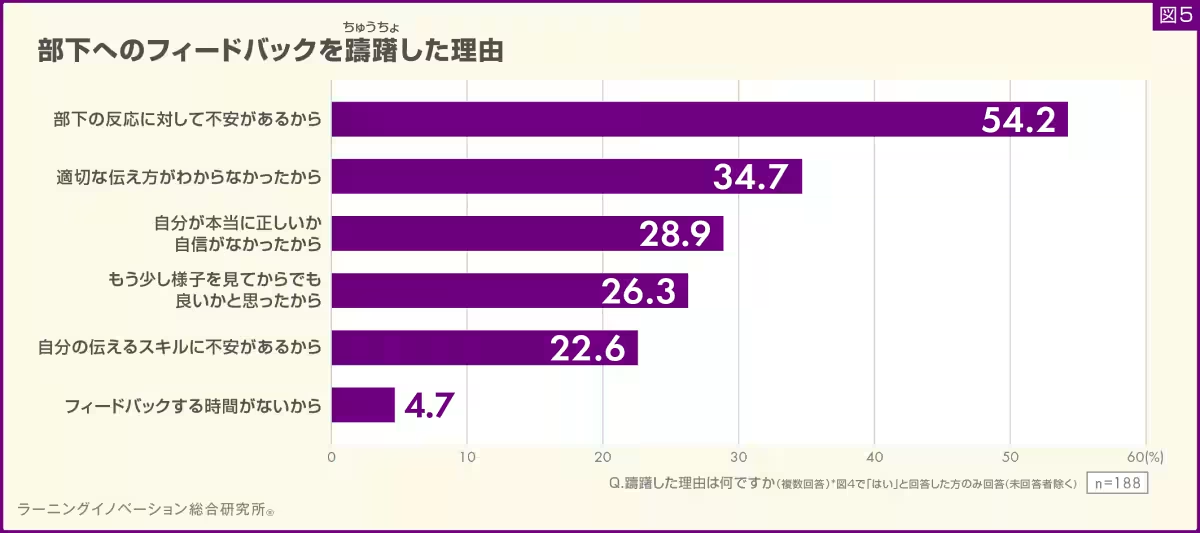
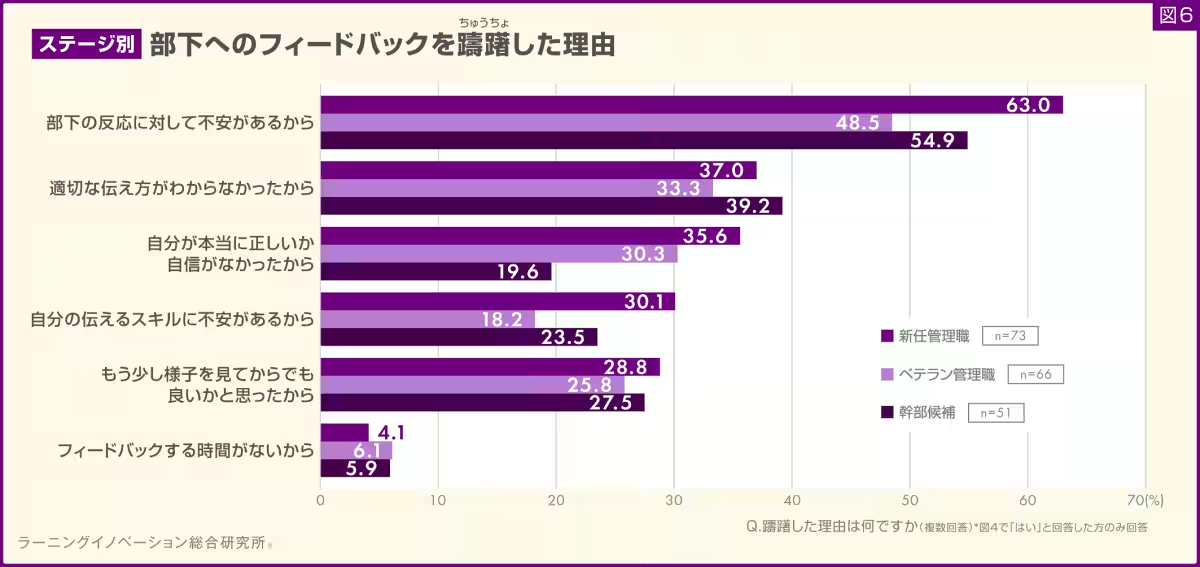
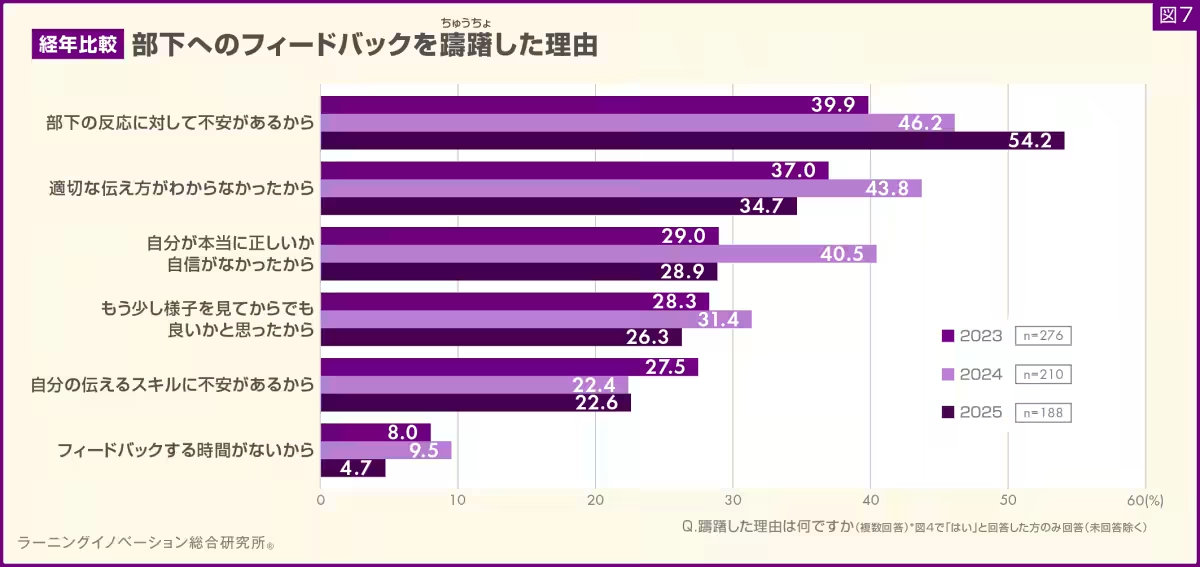
More than half of the surveyed managers admitted to hesitating when it came to offering feedback to their subordinates. When asked about the reasons behind this hesitation, a staggering 54.2% cited anxiety over their subordinates' reactions, while others noted a lack of clarity in delivering their messages or a lack of confidence in the correctness of their assessments.
5. Approaches to Retain Employees
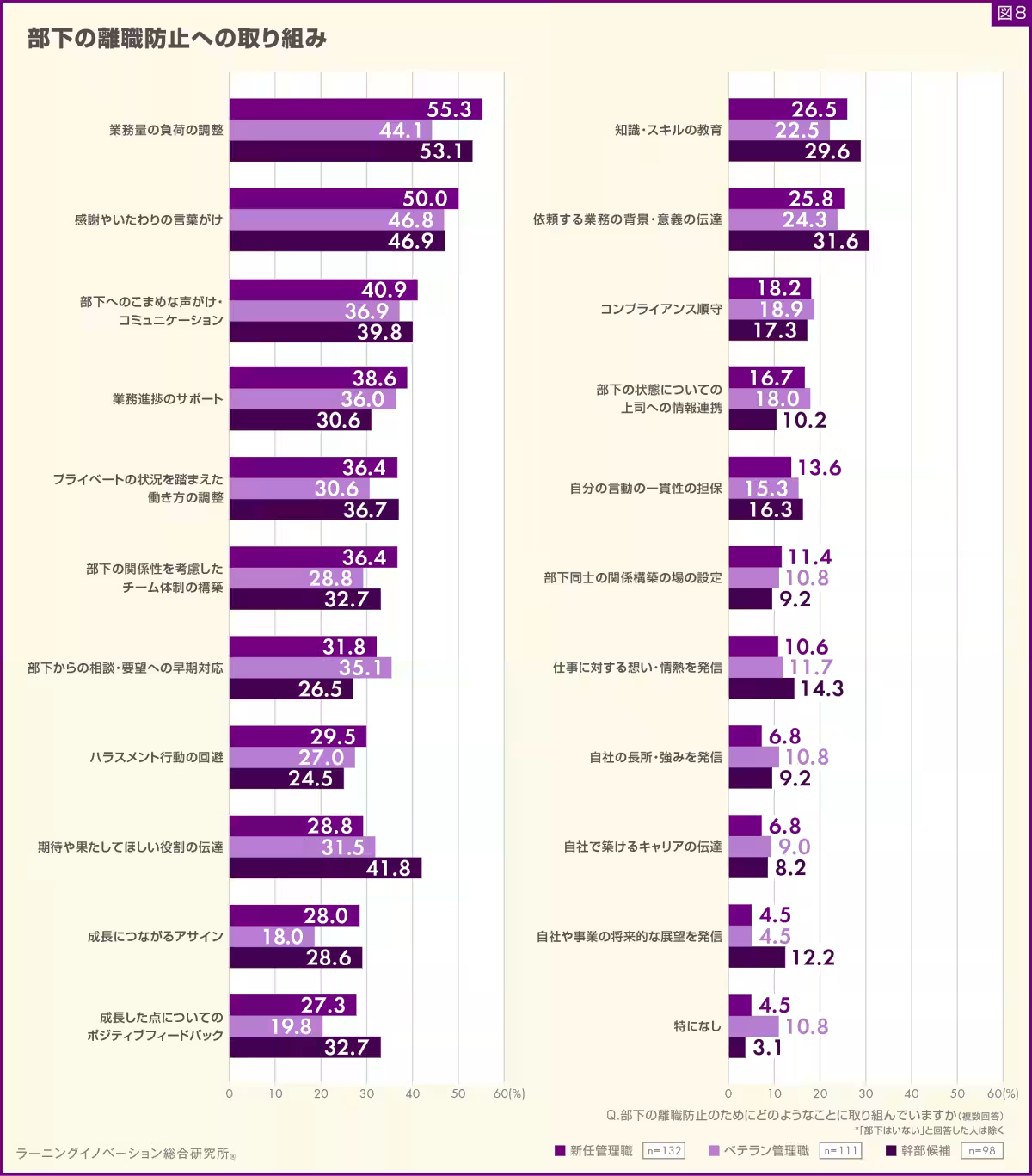
In terms of retention strategies, there was considerable overlap across managerial tiers. New managers often cited the necessity of adjusting workloads (55.3%) and expressing gratitude (50.0%), illustrating a hands-on approach in their attempts to foster connections. In contrast, seasoned managers focused on conveying expectations (41.8%), indicating a shift toward strategic personnel management.
Conclusion
Overall, the study underscores the myriad challenges managers face in evaluating and nurturing their employees, particularly in high-stakes environments where employee turnover can greatly disrupt organizational dynamics. The reluctance to deliver unfavorable evaluations is prevalent, especially among new managers who often fear the repercussions of honest feedback. However, this hesitancy ultimately hinders the very growth and development both managers and their teams strive toward.
To ensure that employees receive constructive, impactful feedback, companies must prioritize managerial training that emphasizes effective evaluation practices and the nuances of communication. Such strategic initiatives could ultimately foster an environment in which managers feel empowered to deliver candid insights while maintaining supportive relationships with their teams.


Topics People & Culture)



【About Using Articles】
You can freely use the title and article content by linking to the page where the article is posted.
※ Images cannot be used.
【About Links】
Links are free to use.