



Significant Gaps Found in Overseas Safety Management Systems in Japan
Overview of the Overseas Safety Management Survey
A recent report by the Japan-based Overseas Safety Management Headquarters revealed concerning statistics regarding safety management practices within organizations operating internationally. From October 2023 to July 2025, a survey was conducted among participants attending overseas safety-related seminars, yielding an effective response rate of 179.
Key Findings
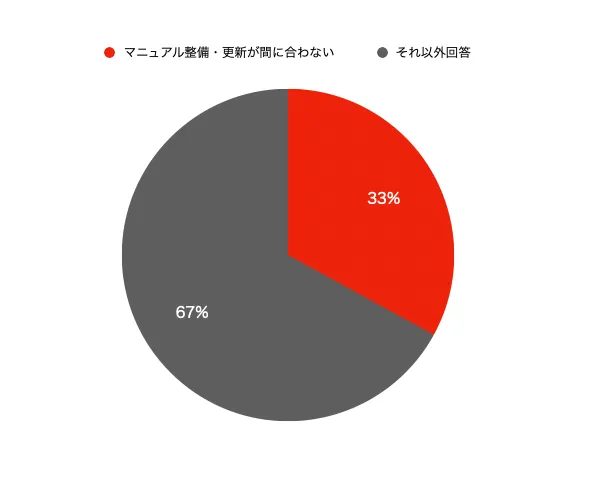
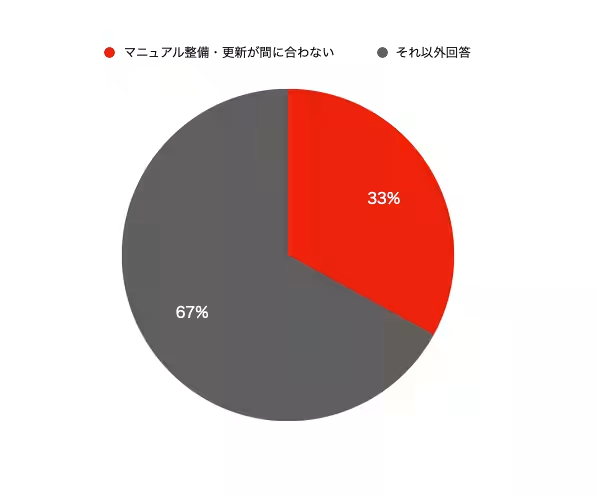
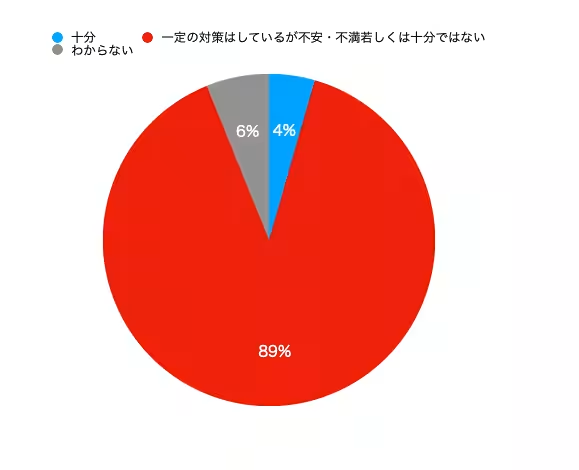
The survey results were striking, indicating that only 4.5% of respondents classified their overseas safety measures as "sufficient." This statistic sharply contrasts with the remaining 95.5%, who expressed varying degrees of insufficiency. The analysis highlighted that approximately 33% of these respondents specifically pointed out that their crisis management manuals were either "unprepared or outdated." These findings illustrate a broader commentary on the neglect of practical application in safety protocols – suggesting organizations are aware of the requirements yet struggle to keep pace with necessary updates and implementations.
Participant Demographics
The survey primarily targeted professionals responsible for overseas safety, general affairs, human resources, and international divisions, including personnel from major corporations, public institutions, and international NGOs. The depth of the analysis reflects a grounded perspective derived directly from the operational realities of those engaged in international assignments.
Breaking Down the Results
- - Self-Assessment
- "Not sufficient": 95.5% (171 out of 179 responses)
- - Challenges with Manuals
- Of those who reported their measures as "not sufficient," this figure increases to 34.5%.
Context and Analysis
The importance of proactive measures in overseas safety management cannot be overstated. These measures should prioritize prevention while being equipped for unforeseen circumstances through properly maintained manuals. However, there is a tendency for these documents to become rigid and untested without routine reviews, training, and updates. The stark realization that only a minority of organizations feel confident in their crisis management approaches reinforces the message that gaps in understanding persist, regardless of organizational size.
Ongoing Efforts
Planned seminars aim to address these challenges by providing practical guidance on adapting to current geopolitical climates, outlining responsibilities clearly, and integrating training protocols. The shift from simply creating manuals to actively using and updating them is essential for improving safety measures in the field.
Organizations face heightened risks from geopolitical tensions, the diversification of overseas personnel, and an increase in short-term business travel. These factors complicate reliance on traditional assumptions about safety measures.
Moreover, organizations have a responsibility to ensure the safety and well-being of their employees and accompanying families in both domestic and international settings, encompassing robust safety consideration obligations.
Seminar Details
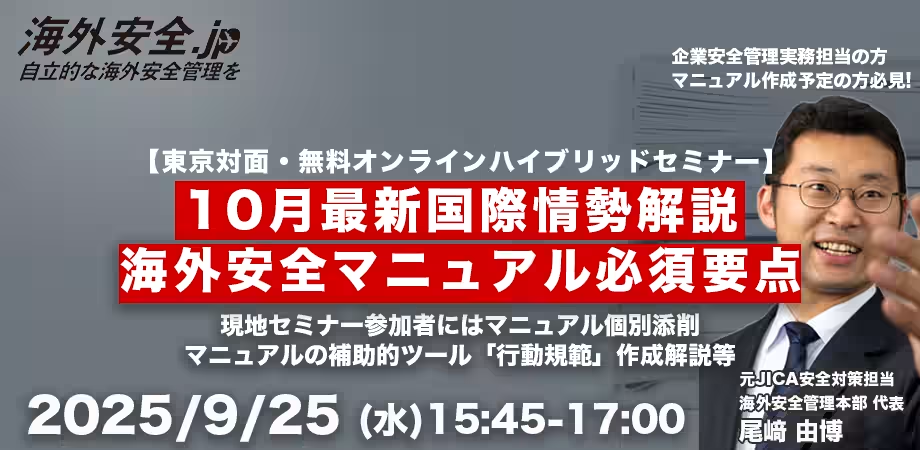
A notable upcoming seminar, scheduled for September 25, 2025, aims to reflect recent international conditions and enhance the effectiveness of crisis management manuals. This seminar will be available in a hybrid format, allowing participants to engage in person or online at no cost for virtual attendees. Those wishing to attend in person will incur a nominal fee, with discounts available for continuous participation.
Agenda Highlights
1. Analysis of recent incidents impacting Japanese nationals and risk outlook for the following month.
2. Assess your organization’s crisis management manual.
3. Key strategies to enhance the effectiveness of safety protocols.
4. Solutions for common manual-related inquiries.
Conclusion
In summary, the results of this survey highlight critical areas for improvement in overseas safety protocols. The path forward requires a collective commitment to a more responsive and engaged approach to safety management, bridging the operational gaps identified in this report.
For ongoing insights and safety updates, subscriptions to a weekly international situation report and newsletters are highly encouraged. Access to expert-selected world news and columns is available through the Overseas Safety Management Headquarters' dedicated platform.
For further information, please visit 海外安全管理本部 or reach out to their offices for inquiries.

Topics Policy & Public Interest)

【About Using Articles】
You can freely use the title and article content by linking to the page where the article is posted.
※ Images cannot be used.
【About Links】
Links are free to use.