



QR Codes in Outdoor Advertising: Insights from a Recent Survey of People's Behaviors
Insight into QR Codes in Outdoor Advertising
Recent research from Asmarq Co., Ltd., a marketing research company, reveals interesting insights into the use of QR codes in outdoor advertising. Conducted among 800 individuals aged 20 to 59 from across Japan, the survey highlights both the effectiveness and challenges associated with QR codes as a gateway to online engagement.
Survey Overview
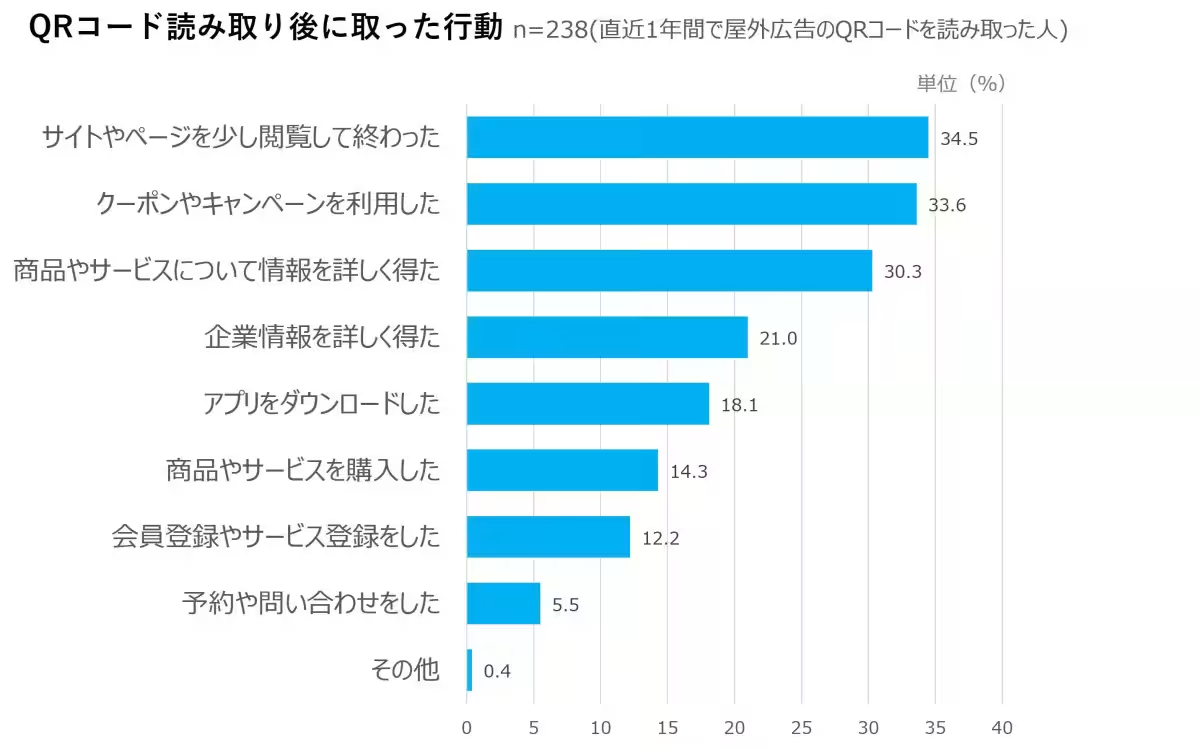
The survey ran from March 25 to March 27, 2026, focusing on various aspects of QR code usage in outdoor advertising. One of the most surprising findings was that a significant portion of respondents (34.5%) only browsed the website briefly after scanning a QR code, with less than 20% proceeding to make a purchase or register for services.
Preferred Locations for QR Codes
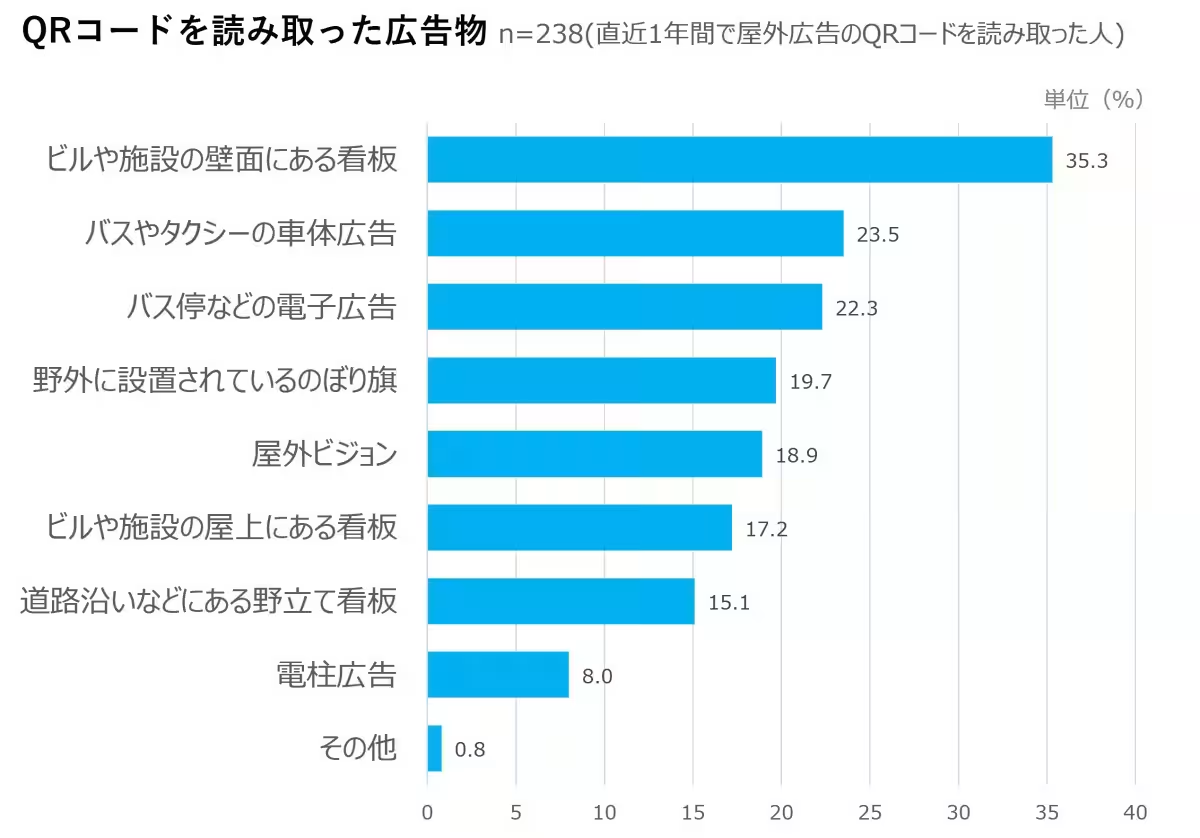
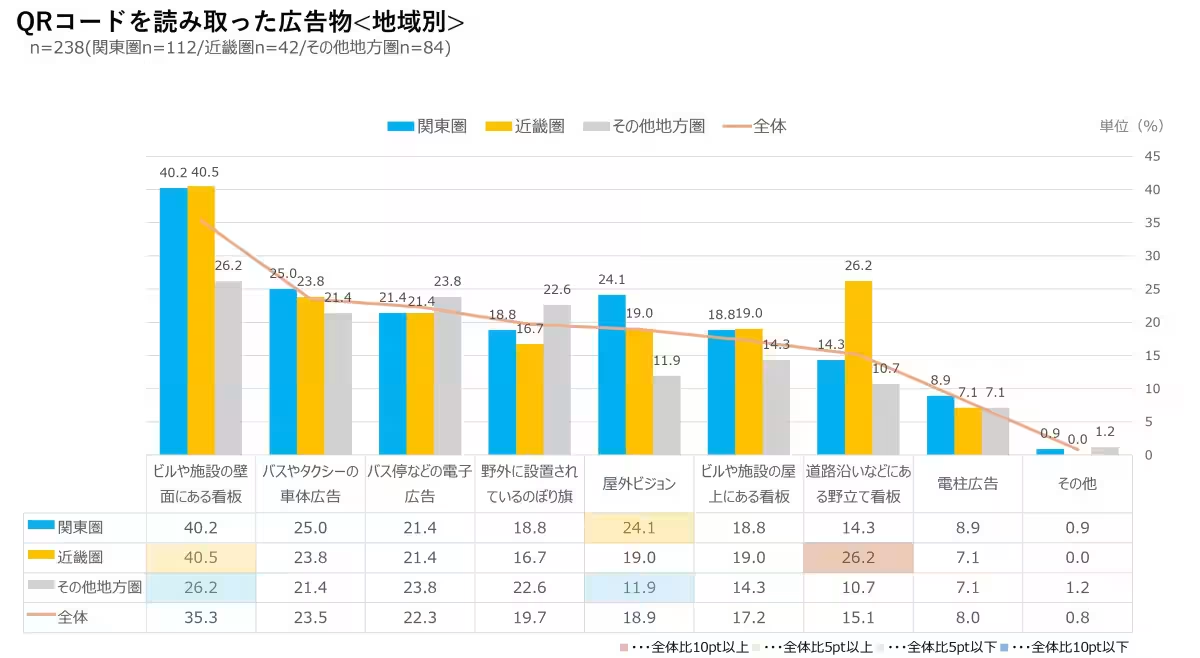
Among those who scanned QR codes on outdoor ads in the past year, the most popular displays were:
1. Wall signs on buildings (35.3%)
2. Bus and taxi body ads (23.5%)
3. Electronic ads at bus stops (22.3%)
Interestingly, users seem to prefer locations where they naturally pause, such as bus stops, indicating the importance of strategic placement of these codes to encourage user interaction. The research indicates that out of those who scanned QR codes, 29.8% had done so in a fifteen-month period, suggesting a growing familiarity with this technology in public spaces.
Actions Taken After Scanning
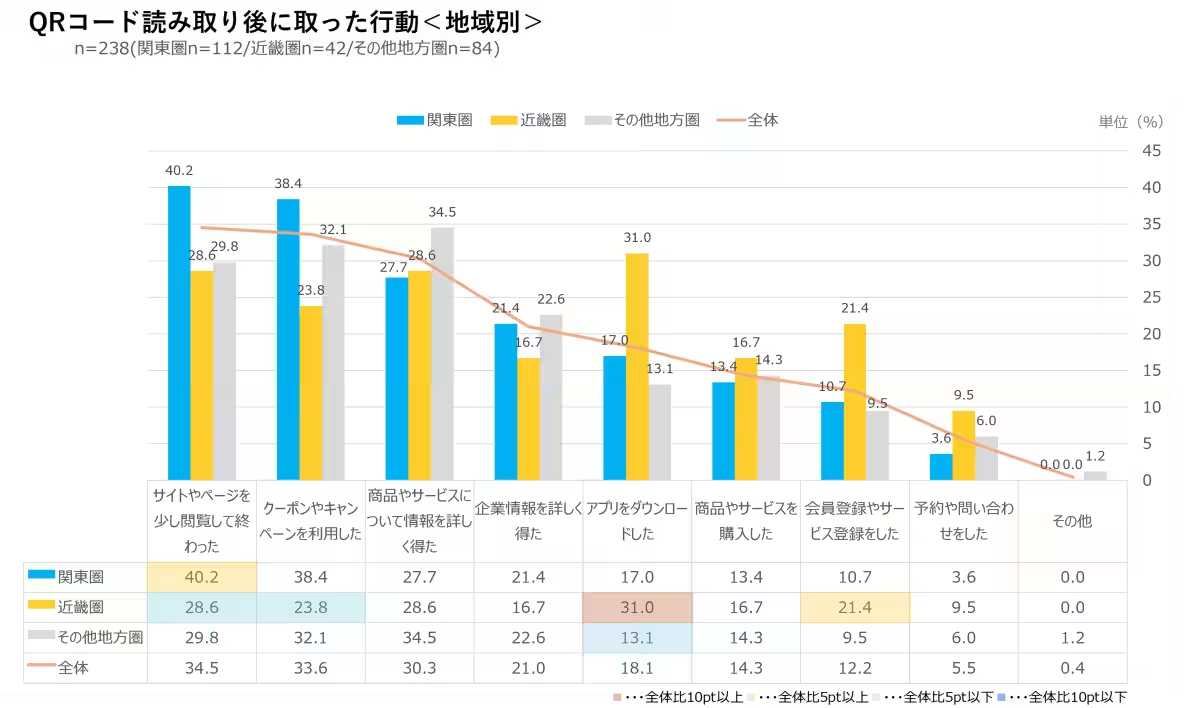
After scanning a QR code, the actions performed were telling: 34.5% of respondents indicated that they only skimmed the site, while 33.6% utilized any available coupons or campaigns. Sadly, only 14.3% proceeded to make a purchase, and merely 12.2% registered for services, indicating a significant drop-off in active engagement.
Reasons for Not Scanning
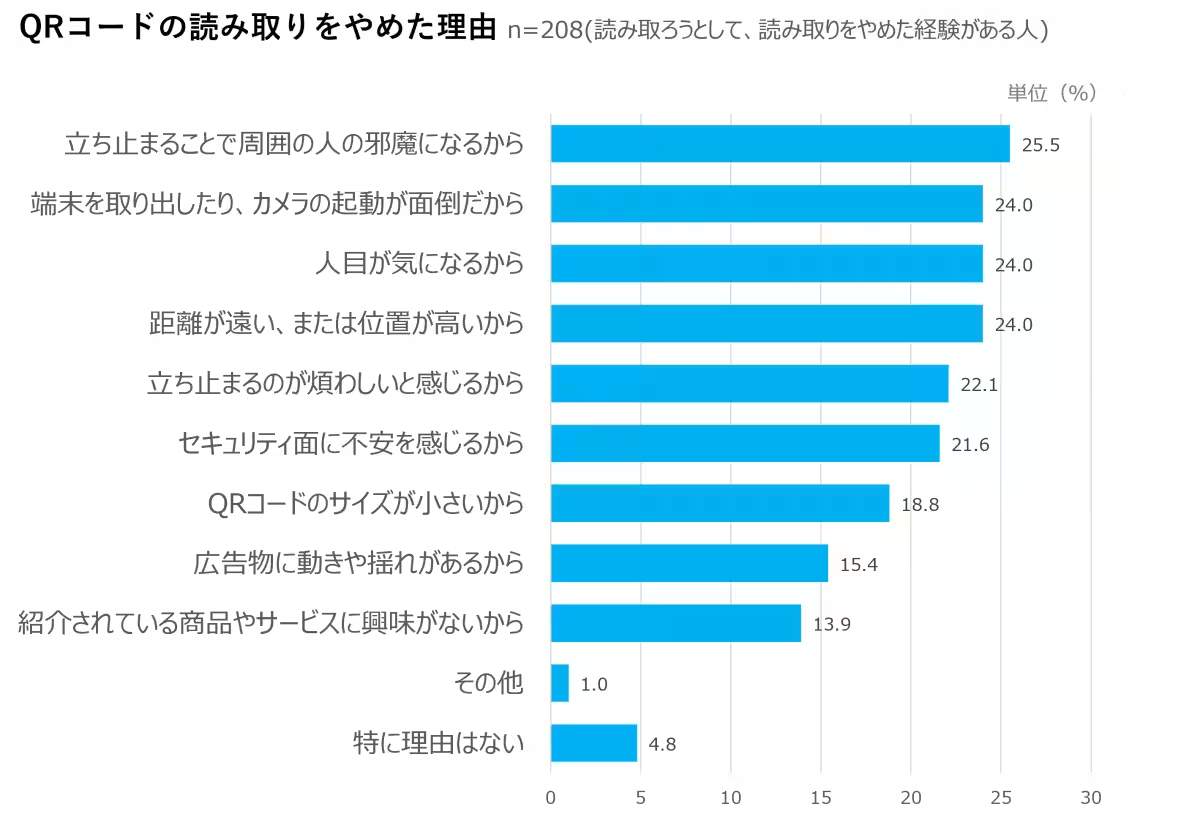
The survey also explored barriers to scanning QR codes, highlighting concerns such as feeling like a distraction to others (25.5%), the hassle of getting out their devices (24.0%), and being self-conscious about being observed (24.0%). Gatherings were shown to provide fertile grounds for distractions, as surroundings began to hinder potential interactions with outdoor advertisements. Brands might look into modifying how and where these codes are displayed to mitigate these apprehensions.
Situations When Ads Are Noticed
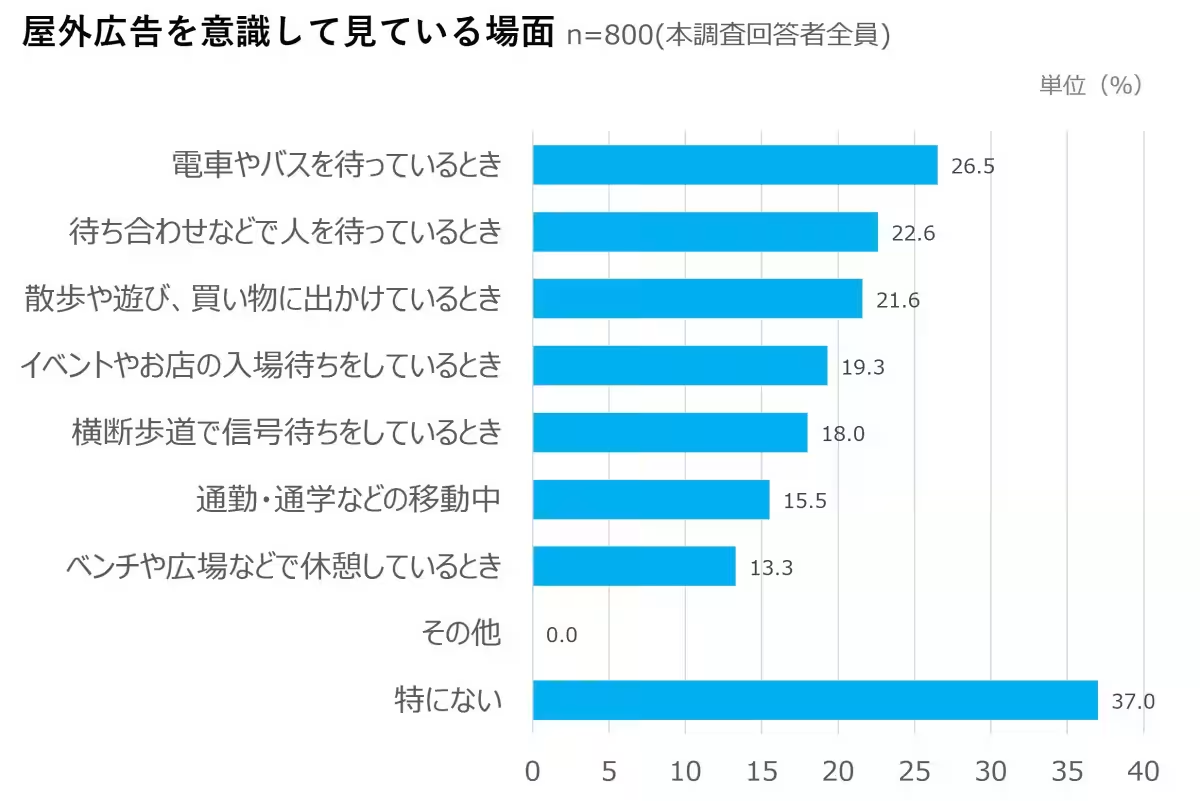
Respondents indicated they were more aware of outdoor advertisements while waiting for public transport (26.5%) or while waiting for people in social situations (22.6%). These moments of inactivity suggest that it is crucial for advertisers to consider when people are likely to engage more thoughtfully with their messages.
By pinpointing when consumers are most likely to look up from their devices, marketers can optimize not just the placement of QR codes but overall strategies for outdoor advertising. Given how essential these touchpoints can be in connecting potential customers with products, it is vital for businesses to harness these insights into consumer behavior.
Through further analysis of these findings, businesses can better understand both the effective use of outdoor advertisements that incorporate QR codes and the psychological barriers that may deter consumers from engaging with these tools.
This research is a wakeup call for brands to rethink their QR code strategies, ensuring that they not only draw attention but also convert those interactions into meaningful engagements.
Topics Consumer Products & Retail)
【About Using Articles】
You can freely use the title and article content by linking to the page where the article is posted.
※ Images cannot be used.
【About Links】
Links are free to use.