




Veterinarian Job Transition Reasons: Work Environment Tops the List in Latest TYL Survey
Understanding Veterinarian Job Transition Reasons
A recent study by TYL, a rapidly growing startup in the pet care sector, has uncovered interesting insights into the reasons veterinarians are leaving their positions. TYL, based in Minato-ku, Tokyo, aims to create a world where pets are viewed as family members, and through its job placement service ‘Vet Agent,’ it sought to analyze real experiences of veterinarians transitioning to new positions. The study highlighted significant issues in the work environment, skill development, and personal relations, offering a detailed view of the current landscape in the veterinary industry.
Research Background
The veterinary field has been struggling with a chronic shortage of personnel, leading to long working hours and difficulty taking time off. TYL is actively addressing this issue by promoting digital transformation (DX) in animal hospitals and assisting with recruitment and patient management. The survey was initiated to gather and share comprehensive trends regarding veterinarians’ reasons for job changes, moving away from anecdotal evidence to more data-driven conclusions.
Key Findings
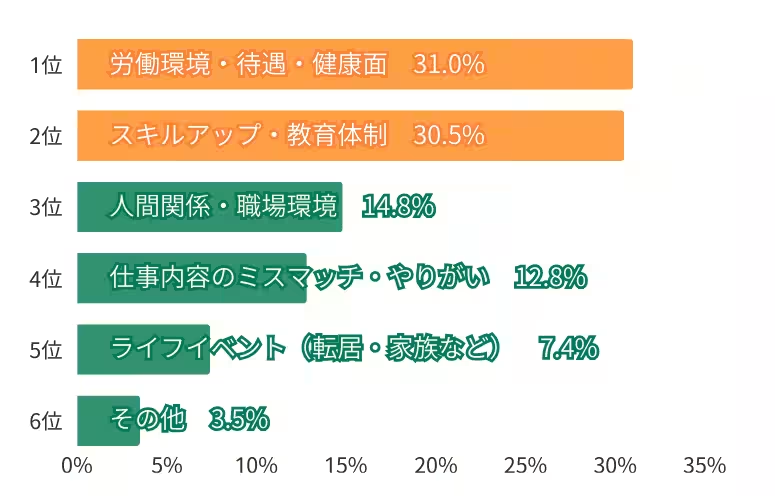
The findings indicated that the most common reason for veterinarians leaving their jobs stems from concerns about their work environment and compensation, accounting for 31% of responses. This is followed by a desire for skill enhancement and better educational frameworks, which was noted by 30.5% of respondents. Additionally, mismatches in job duties and personal relations emerged as important factors, with many seeking a redesign of their career paths.
Work Environment and Compensation
The survey identified that the predominant reason 'work environment and conditions' causes significant stress and burnout among veterinarians, with many experiences echoing the sentiment of reaching a breaking point due to long hours and overwhelming workloads. Such pressures have seen an increase in resignations, sparked by a dramatic shift in attitudes towards work, leaving behind the old mentality that excessive workloads were part of professional growth. Many veterinarians express a love for their profession but recognize that the current working conditions are unsustainable.
Skill Development and Education
Another vital finding was the dissatisfaction surrounding skill development opportunities, especially among young to mid-career veterinarians. Many voiced frustration over inadequate surgical exposure and the scarcity of training in specialized fields. Young professionals, particularly those in their formative years of practice, are driven to seek new environments that offer better mentorship and hands-on experience. Reports of leaders being too busy to provide adequate guidance and a lack of accessible expertise in various veterinary specializations were recurrent themes in job transition motivations.
Personal Relations and Job Mismatches
Apart from environmental factors, issues related to human relations within workplaces have surfaced. Approximately 15% of participants cited problems arising from interpersonal relationships, such as managerial attitudes and communication breakdowns among staff, leading to feelings of dissatisfaction and a perceived decline in their ability to provide quality care. Job mismatches were also significant, with about 13% of responses suggesting professionals felt underutilized or misaligned with the organization’s goals. Reports of operational decisions conflicting with personal medical ethics have prompted some veterinarians not only to explore alternative roles in fields such as pharmaceuticals but also to return to clinical settings from administrative jobs.
Survey Overview
- - Participants: 363 veterinarians registered with ‘Vet Agent’
- - Data analyzed: 180 interview records (Approx. 730,000 characters)
- - Methodology: Natural language processing utilized for text classification and analysis
- - Period of Study: January 2025 - December 2025
About TYL
TYL strives to support pet families by providing operational assistance to animal hospitals and services tailored to pet owners, creating healthier environments for pets and their families. With a focus on integrating technology and human resources, TYL aspires to offer valuable solutions that bridge gaps in the veterinary experience, promoting better healthcare practices for pets. The company’s services include recruitment, job fairs, and consultations targeting management challenges faced by animal hospitals.
For more information, you can visit TYL’s official website at TYL Website.
Company Information
- - Name: TYL Inc.
- - CEO: Masahira Kaneko
- - Established: August 1, 2017
- - Capital: ¥225,124,800 (including capital reserve)
- - Location: 4th Floor, Sumitomo Real Estate Shiba Building 4, 2-13-4 Shiba, Minato-ku, Tokyo

Topics People & Culture)


【About Using Articles】
You can freely use the title and article content by linking to the page where the article is posted.
※ Images cannot be used.
【About Links】
Links are free to use.