



AI Utilization Among Managers: Insights and Concerns from AtWILL's 2025 Survey
AI Utilization Among Managers: Insights from AtWILL's Latest Survey
In an era where artificial intelligence (AI) is radically reshaping the workplace, AtWILL, a Tokyo-based company dedicated to enhancing organizational and personal growth, conducted an insightful survey targeting 250 managers. The findings from their "Manager Behavior Survey 2025" provide a revealing glimpse into the current state of AI integration in management practices, as well as the myriad concerns surrounding personnel development.
AI's Role in Management
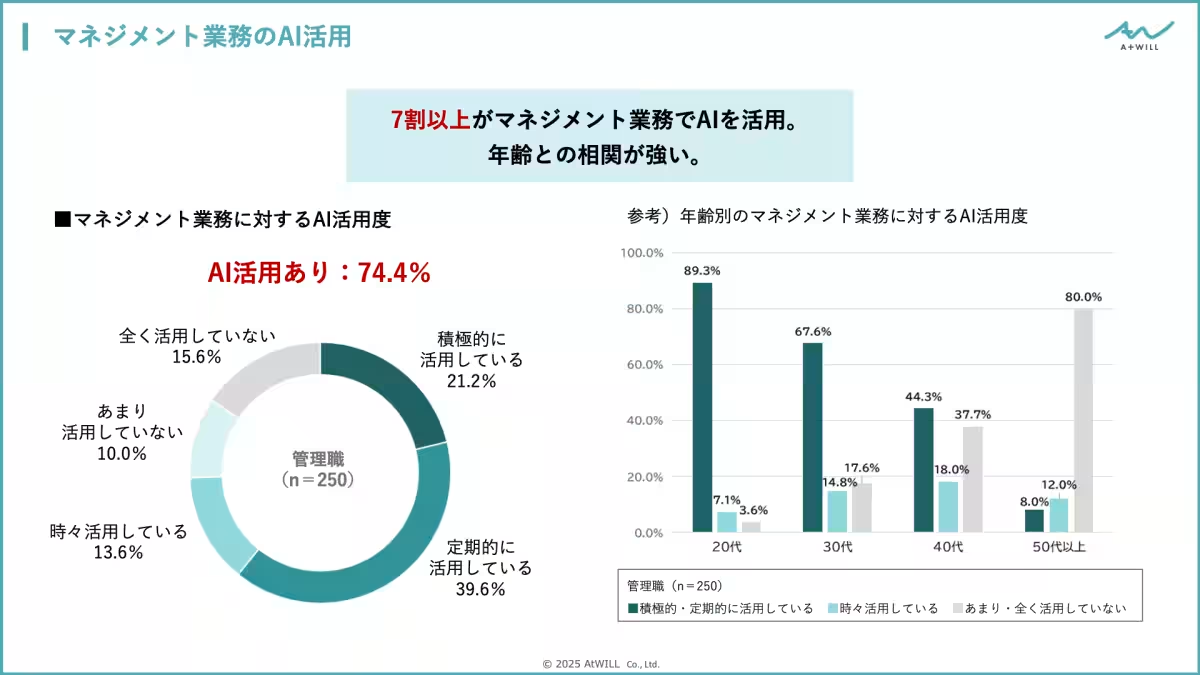
AtWILL's survey finds that an impressive 74.4% of managers are actively utilizing AI in their management practices. This adoption rate is particularly pronounced among younger managers, with a staggering 89.3% of managers in their 20s taking advantage of AI tools, compared to a mere 8.0% of those over 50. This generational divide highlights a clear trend: younger professionals are more inclined to incorporate cutting-edge technology into their daily tasks.
The scope of AI utilization is extensive, with managers leveraging these tools for purposes such as strategy formulation, project management, and even drafting official documents. However, a paradox emerges; while AI may facilitate routine tasks, it does not fully mitigate the emotional complexities and critical decision-making responsibilities managers face in their roles.
Lingering Concerns About Personnel Development
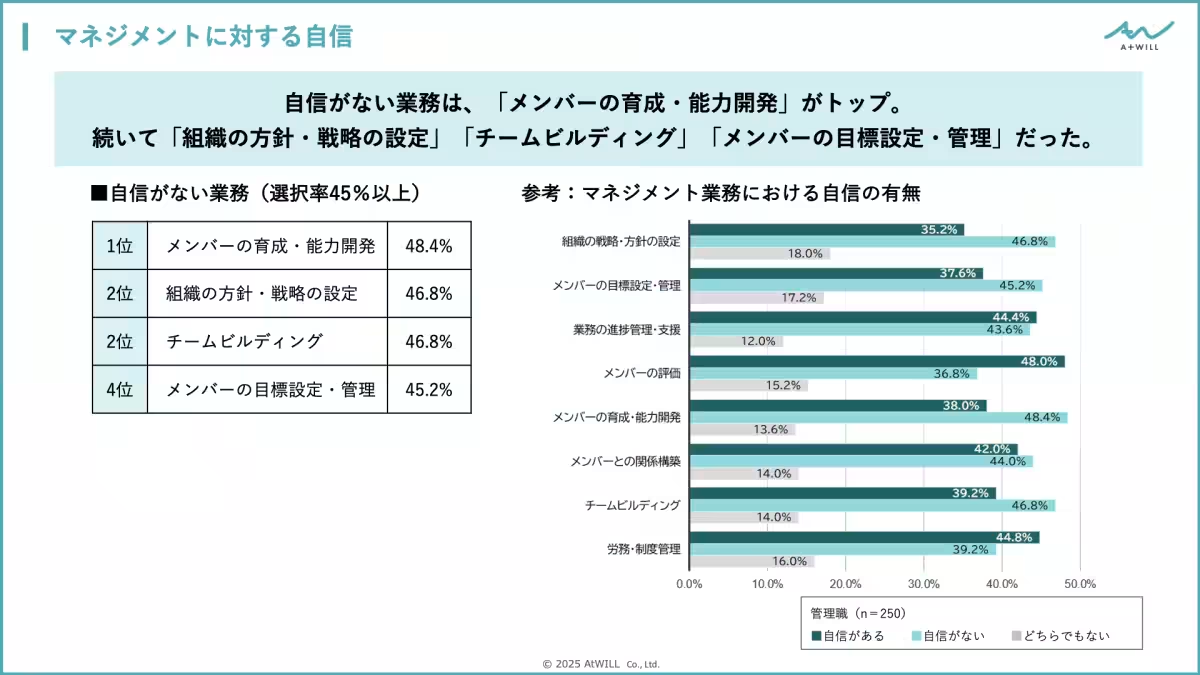
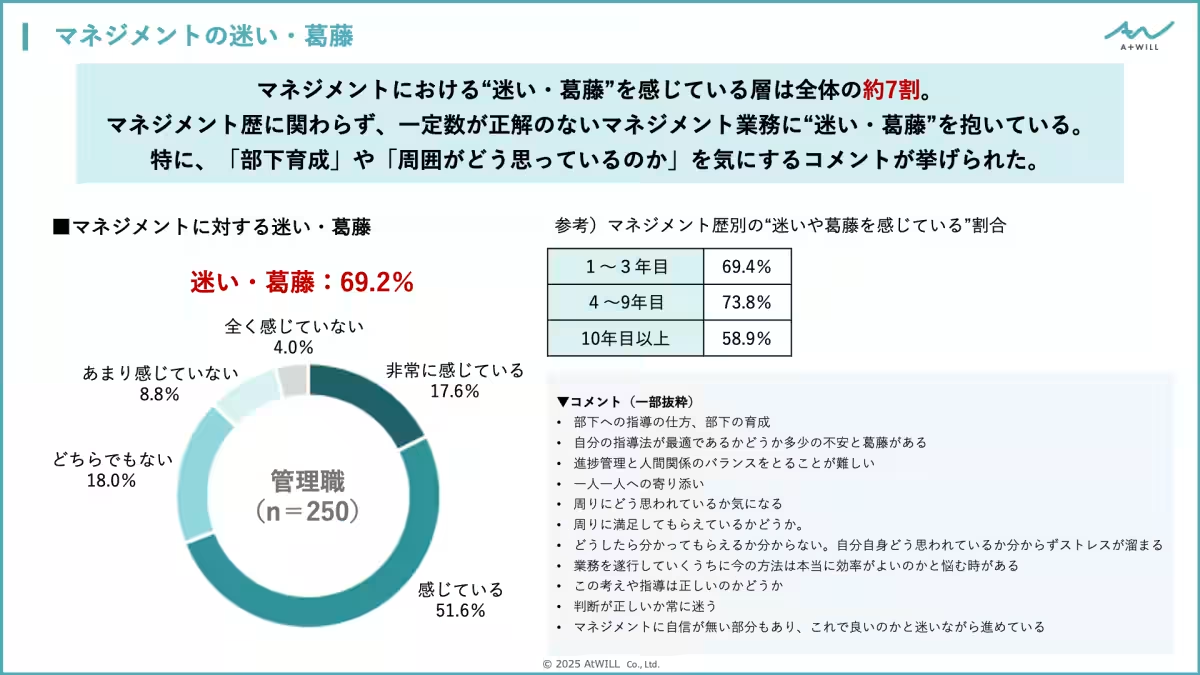
Notably, the survey reveals that nearly 70% of managers harbor doubts and internal conflicts regarding their capabilities in personnel development. The areas where managers feel most challenged include fostering team members' growth and skill enhancement, which topped the list of concerns at 48.4%. Almost 69.2% expressed feelings of uncertainty influenced by the pressures of guiding subordinates while maintaining their own credibility and authority.
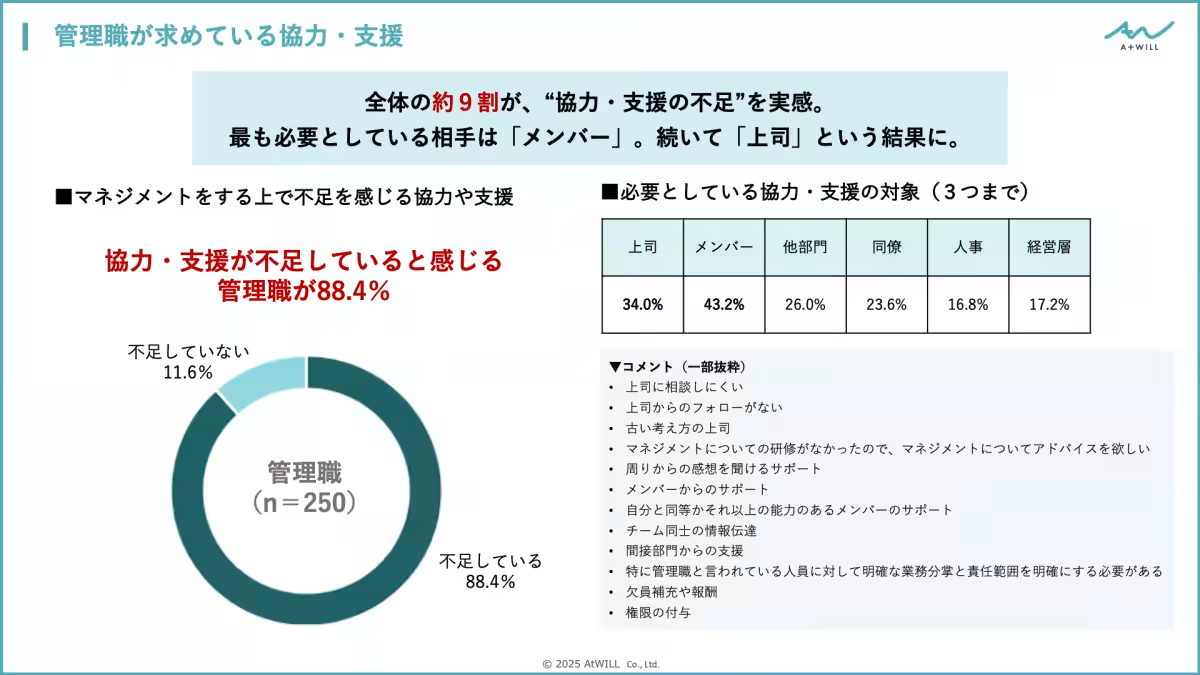
Additionally, an overwhelming 88.4% of respondents reported a perceived lack of support in their roles. Many voiced the desire for more assistance from both their managers and team members, suggesting a crucial need for enhanced collaboration and resource-sharing within their organizations.
The Glaring Disparity in Training Opportunities
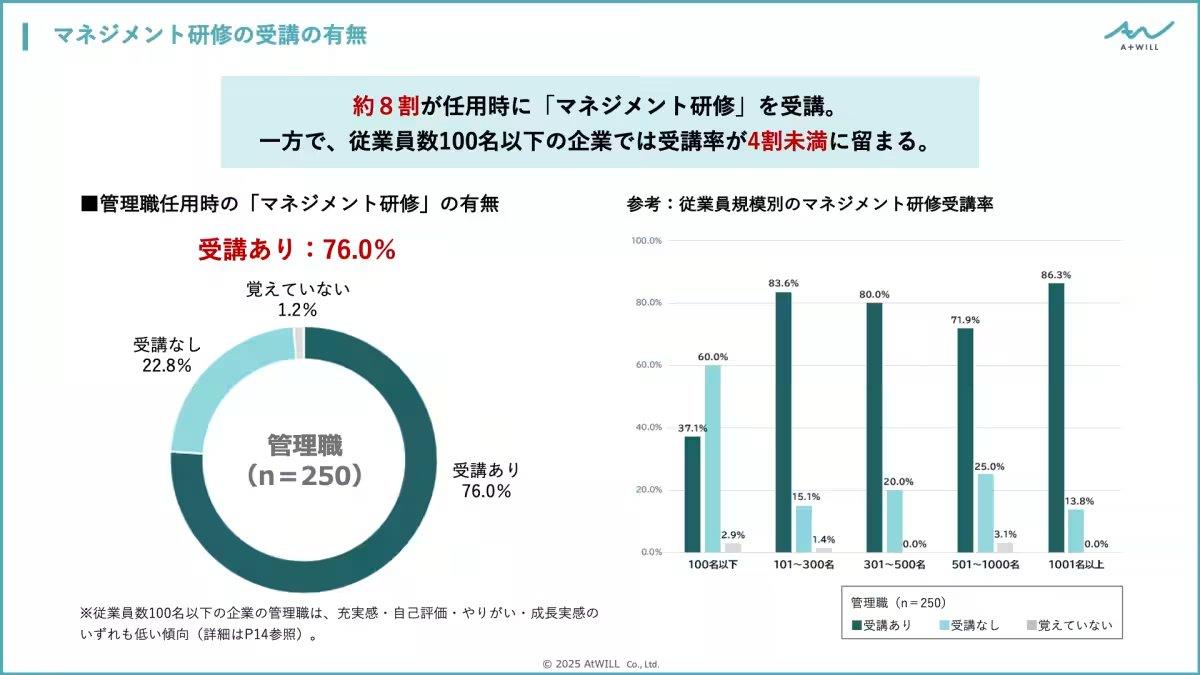
Another significant finding from the survey is the stark divide in training opportunities based on company size. While 76% of all management positions reported having received at least some form of management training upon hiring, this figure drastically drops to 37.1% in organizations with fewer than 100 employees. This discrepancy underscores a pressing need for equitable access to managerial training programs, particularly for smaller companies that may struggle with resources for professional development.
It is vital to highlight that as the demand for agile management increases, fostering an environment where knowledge sharing and skill development are prioritized becomes more essential than ever. The findings indicate an urgent need for organizations to reevaluate their training frameworks and ensure that all managers, irrespective of their company size, gain access to quality education and growth opportunities.
The Shift Towards Core Human Interaction
Despite the rapid advancements in AI, the fundamentally human aspects of management remain paramount. Managers continue to face the core challenge of guiding and nurturing their team members' growth personally—a task that no algorithm can replace. As such, the human touch in management is irreplaceable, particularly in mentoring and supporting future leaders.
Positive Feedback Amidst Challenges
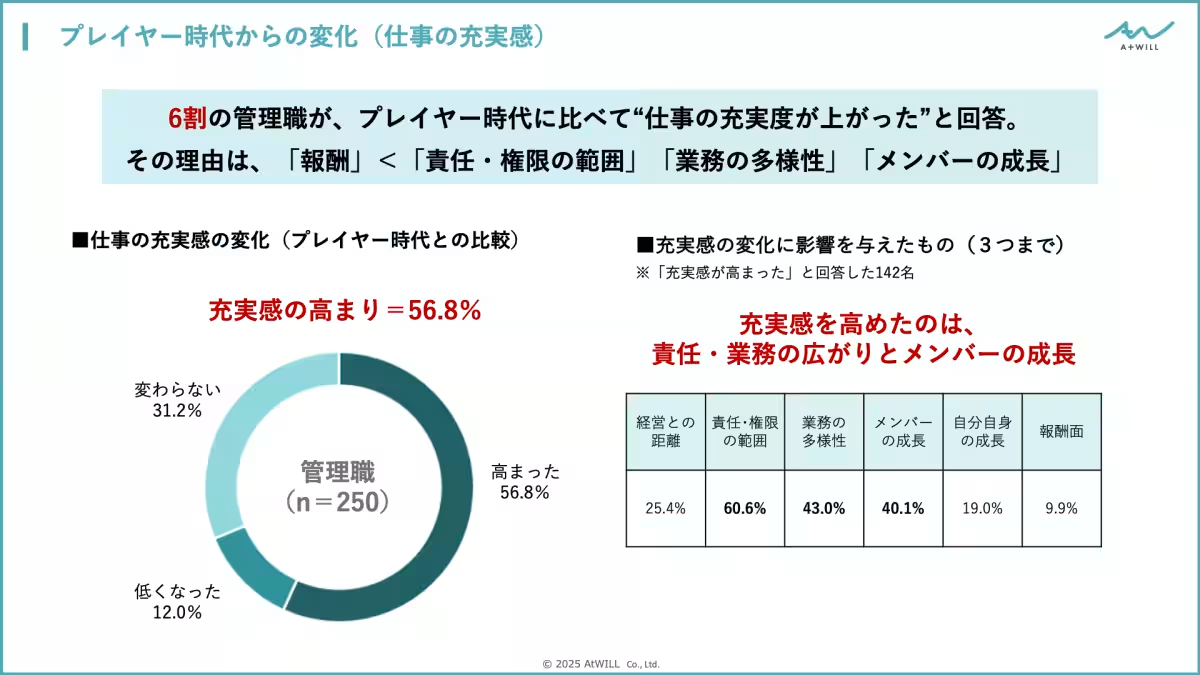
Interestingly, a positive note arises from the findings, with 56.8% of respondents feeling that their roles as managers are more fulfilling compared to their previous positions as direct contributors. Factors contributing to this sense of fulfillment include increased responsibilities, diverse job functions, and a sense of impacting their team's development.
Importance of Support and Collaboration
The findings call attention to the need for a supportive and collaborative managerial environment. As more professionals opt out of management roles, understanding their challenges and fostering a culture of mentorship and empowerment will become invaluable in ensuring organizational health and workforce development.
In conclusion, AtWILL’s survey sheds light on the integration of AI in management while framing a broader narrative about the complexities this generation of managers faces. There is a pressing need for organizations to create supportive environments that facilitate their leaders' continuous growth, well-being, and capacity to engage effectively with their teams. Through collective efforts, we can forge paths that elevate managerial roles and foster robust organizational frameworks moving forward.

Topics People & Culture)

【About Using Articles】
You can freely use the title and article content by linking to the page where the article is posted.
※ Images cannot be used.
【About Links】
Links are free to use.