



Understanding Why Many Elementary School Children Reluctantly Attend School After Breaks
New Insights on School Reluctance Among Elementary Students
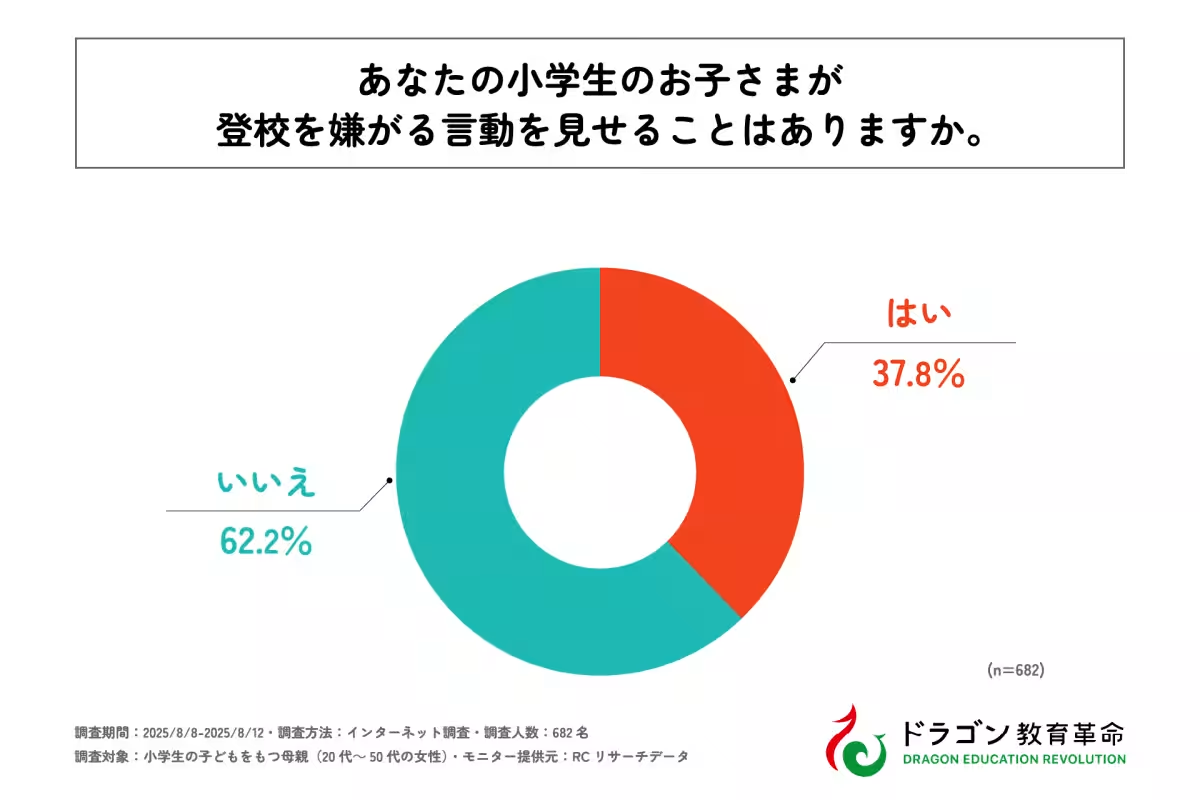
In a recent survey conducted by Dragon Educational Revolution, it was uncovered that nearly 40% of mothers with elementary school children have witnessed their kids express a desire to avoid going to school. This reluctance often peaks after long breaks, such as summer vacation, when kids struggle to readjust to the school environment.
Background of the Issue
Every year, after summer vacation, many children voice their unwillingness to return to school. Young children often find it challenging to articulate their feelings clearly, and they are also sensitive to the changes in their routines caused by extended breaks. During these times, it is crucial for parents to understand and support their children’s stress and anxiety associated with returning to school. However, many parents often feel lost about how to respond when their children exhibit reluctance to attend school.
To address this critical area, Dragon Educational Revolution aimed to shed light on how mothers cope with instances of their children hesitating to go to school through a comprehensive survey addressing this very issue.
Key Findings from the Survey
The survey results revealed several significant trends:
- - Reluctance to Attend School: Almost 40% of mothers reported that their children have shown behaviors indicating a reluctance to attend school.
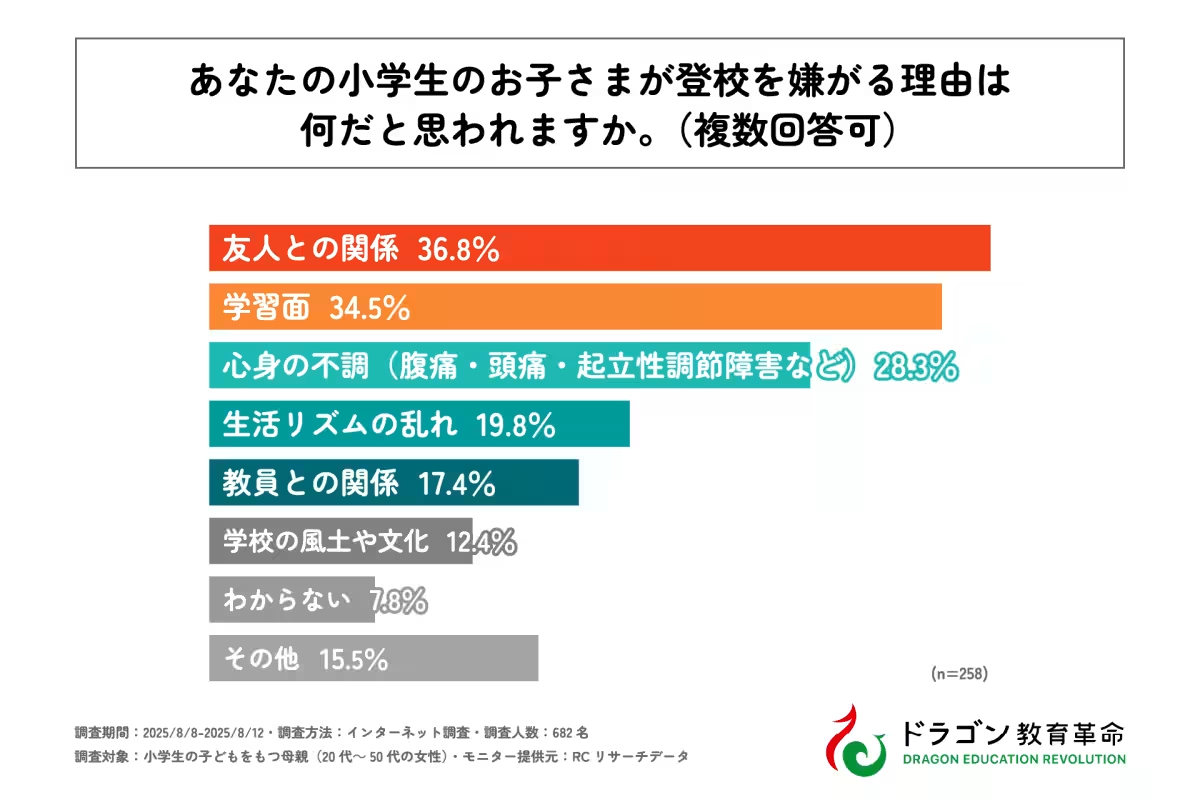
- - Reasons for Reluctance: When asked about the reasons, mothers identified three primary concerns:
2. Academic Pressure (34.5%)
3. Physical and Mental Health Issues (28.3%)
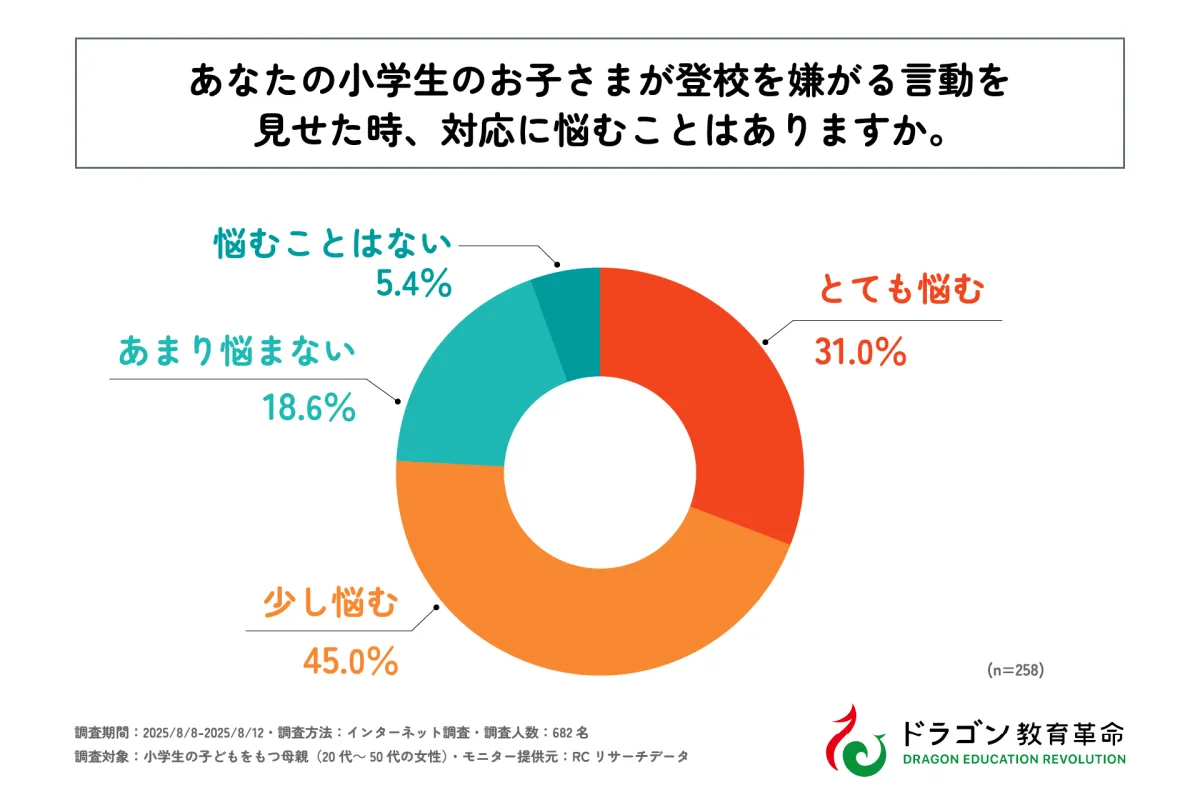
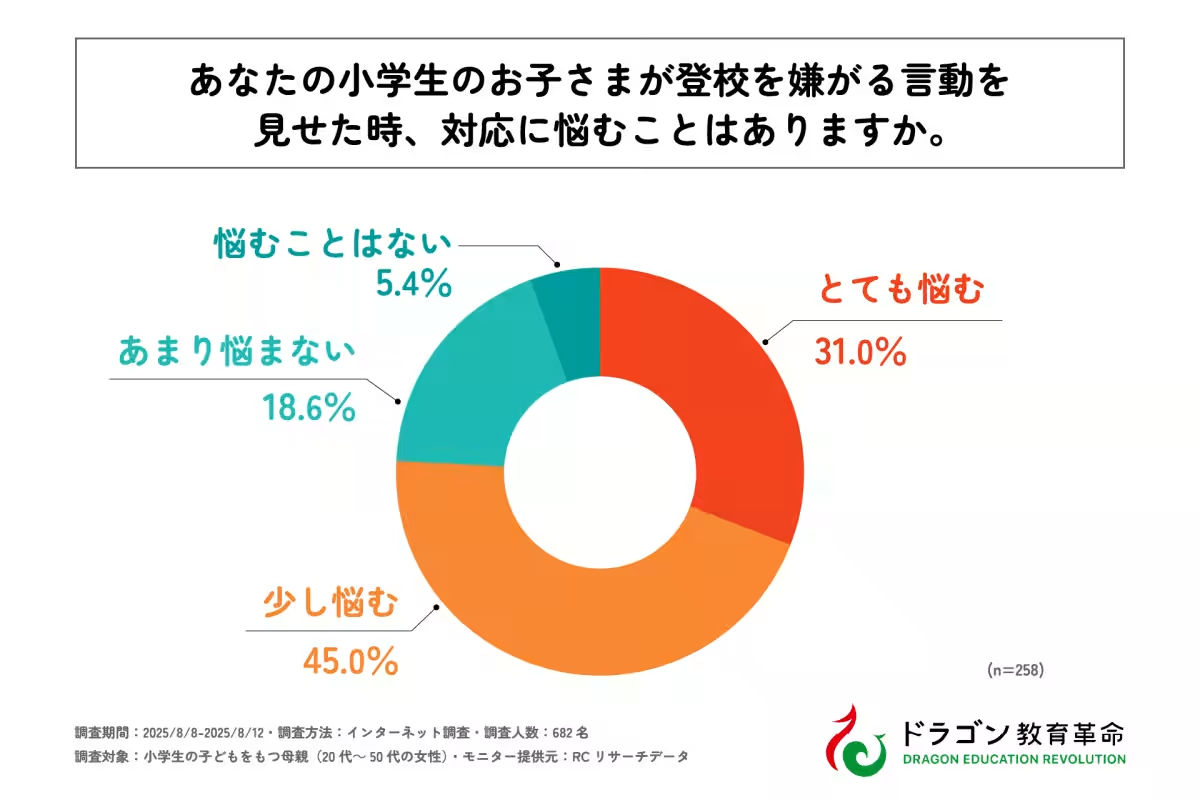
- - Parental Stress: More than 75% of mothers expressed that they often struggle with how to respond appropriately when their children exhibit reluctance towards school.
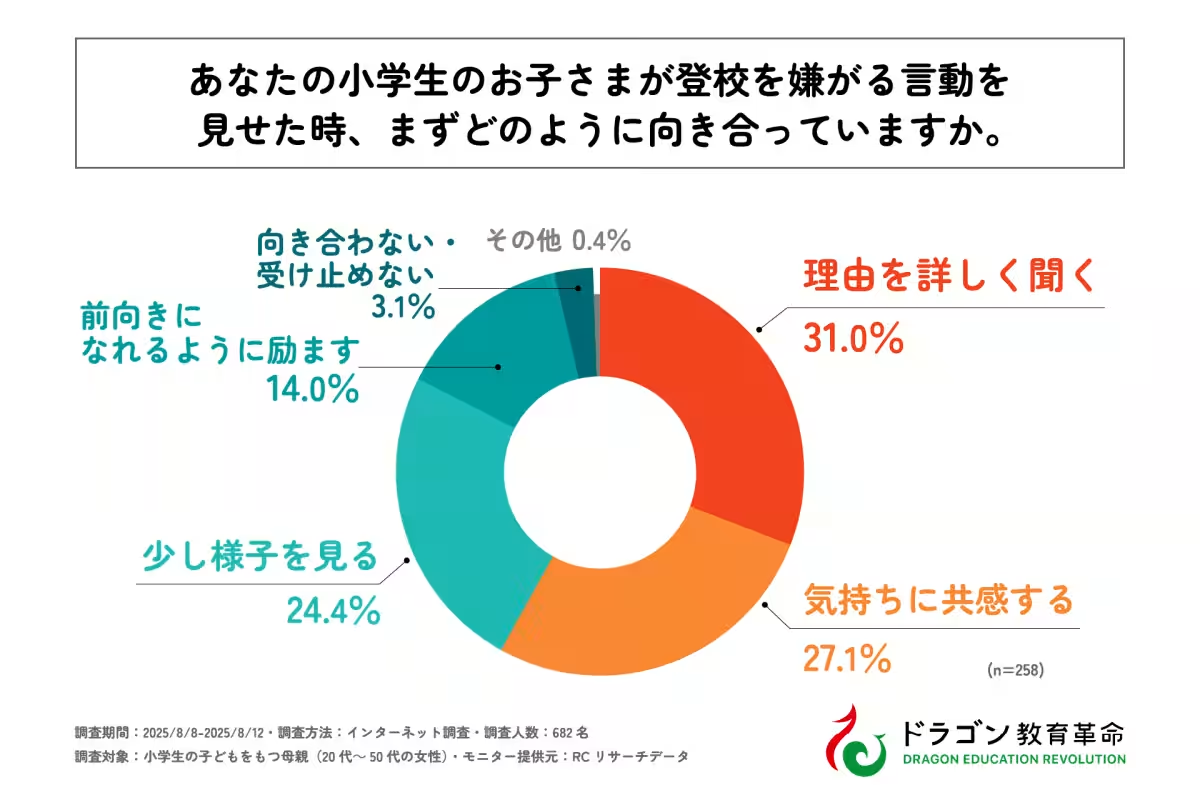
- - Common Approach: The most common initial response by mothers when their children express a desire to stay home is to delve deeper and listen to their reasons (31%).
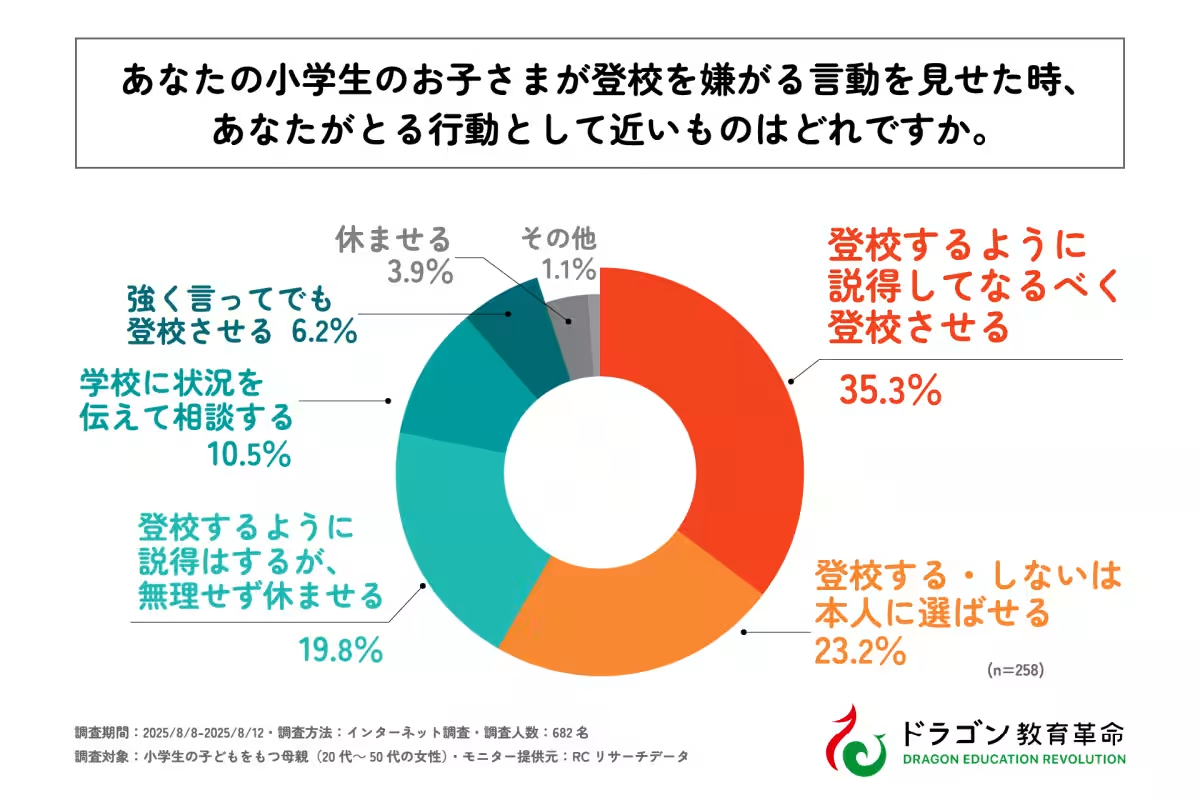
- - Persuasion Tactics: A notable number of mothers (35.3%) indicated that they would attempt to persuade their child to attend school regardless of their initial reluctance.
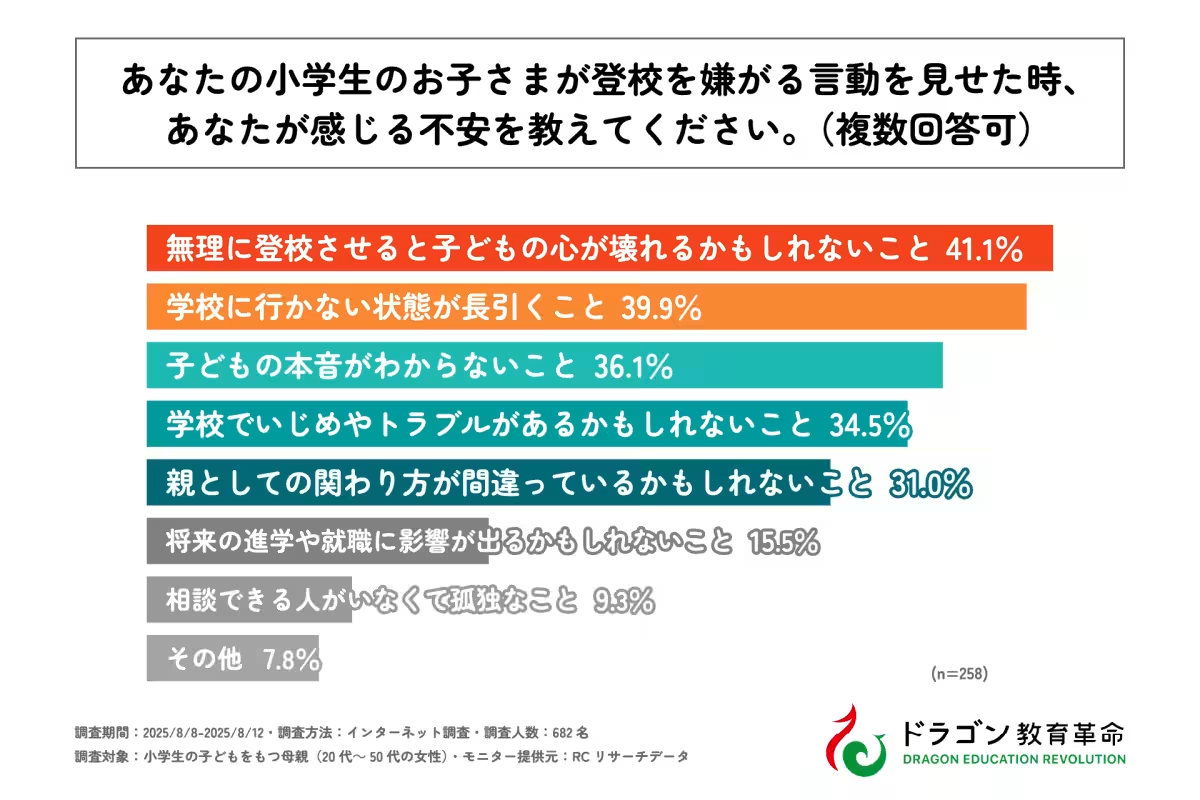
- - Parental Anxiety: Mothers reported feeling significant anxiety regarding their children's well-being; fears often revolved around the potential mental health impacts of forcefully requiring children to attend school.
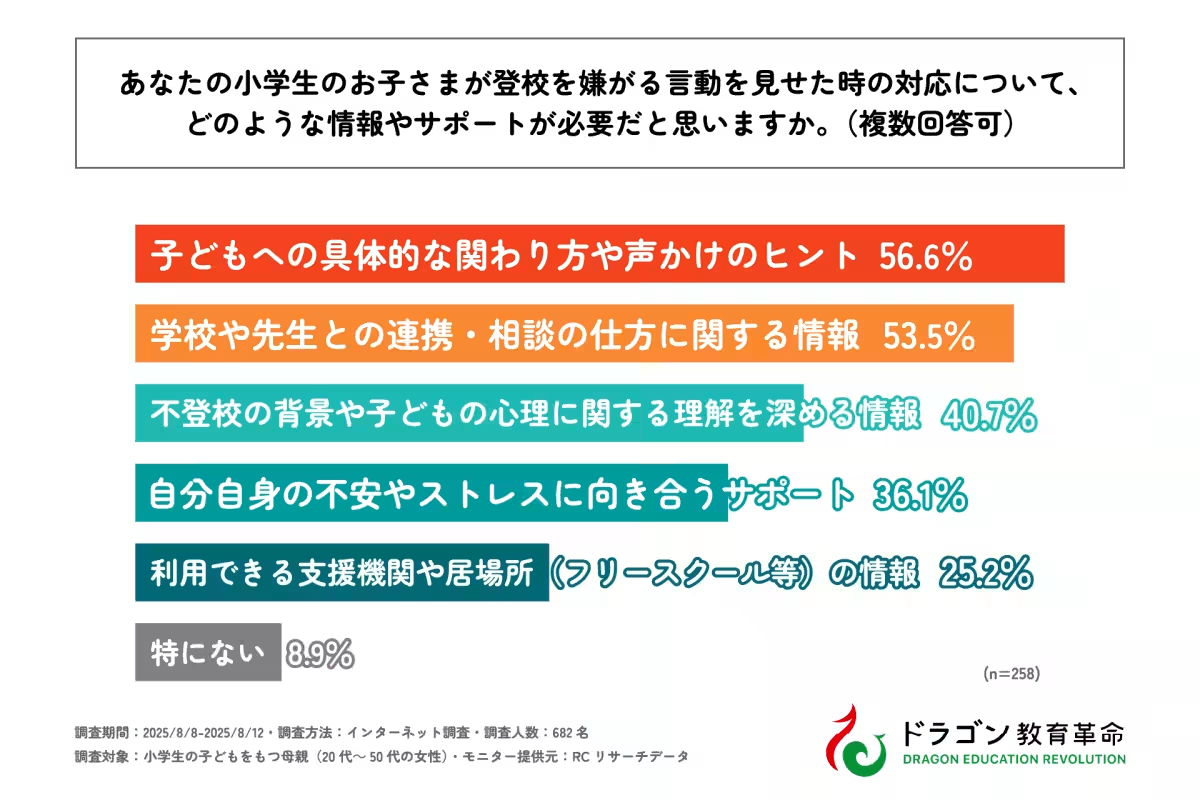
- - Information Needs: When considering what additional support they needed, mothers prioritized insights on effective communication with their children and understanding their psychological backgrounds.
Conclusion
These findings highlight a concerning trend where a significant number of elementary school children display unwillingness to go to school after breaks, prompting a strong sense of uncertainty among parents regarding the best possible response strategies. The top three concerns mothers voiced include friendship issues, academic pressures, and health concerns.
Moreover, the survey noted that many mothers prioritize understanding their children's feelings, seeking to listen first and foremost. Yet, the worries surrounding the repercussions of lack of attendance loom large, thus reflecting a need for structured support.
Dragon Educational Revolution strives to assist parents through initiatives aimed at enhancing their listening and engagement skills. The organization underscores the importance of fostering a nurturing environment where children can express themselves freely and effectively. By acknowledging their own feelings, parents can create a more stable atmosphere that encourages their children to open up and seek guidance.
In summary, these statistics highlight the pressing need for more resources to help parents navigate the complexities of their children’s emotional challenges regarding school attendance. Recognizing these patterns early can lead to greater understanding and better coping strategies for both parents and children alike.



Topics People & Culture)

【About Using Articles】
You can freely use the title and article content by linking to the page where the article is posted.
※ Images cannot be used.
【About Links】
Links are free to use.