



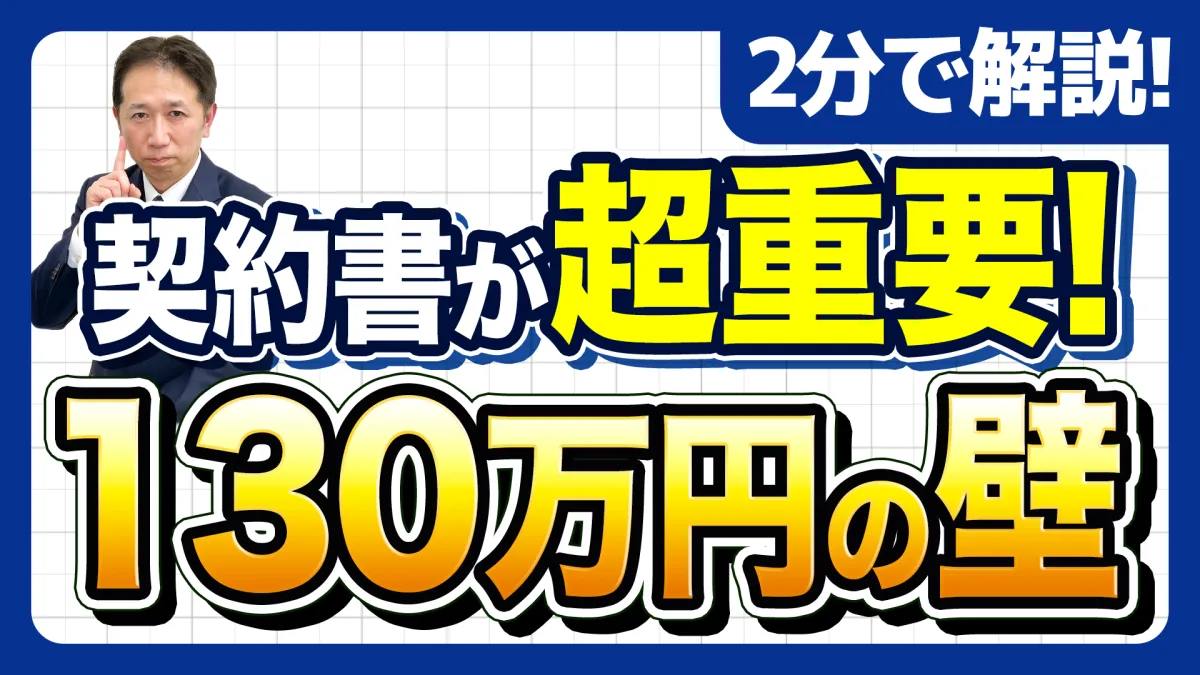
The Impact of the 1.3 Million Yen Threshold on Employment Contracts and Company Responsibilities
Understanding the 1.3 Million Yen Threshold and its Implications
The labor laws in Japan are undergoing significant changes, particularly with the introduction of the 1.3 million yen threshold that directly influences employment contracts and labor conditions. This concept is crucial for businesses, as it brings to light the inherent issues within their employment documents and the obligations to their employees.
The Core of the Issue
When we discuss the 1.3 million yen threshold, we often focus on the legalities of the system. However, the root of the problem lies within the documents that the company provides, such as the labor conditions notification and employment contracts. Any discrepancies between the written terms and the actual workplace conditions can lead to misunderstandings, raising the potential for complaints and distrust among employees.
This latest change demands greater accountability from companies regarding how clearly they convey employment terms. Without aligning the written agreements with the reality of the workplace, organizations risk creating a rift in relationships with their staff.
Key Questions Addressed
To further understand these complexities, we explore the following questions:
1. Why will companies be held accountable due to changes in the 1.3 million yen threshold?
The shift in the threshold necessitates a reevaluation of labor contracts. Should these documents not accurately reflect the nature of employment, firms could face scrutiny and legal challenges.
2. What aspects of contracts are prone to issues?
Main areas of concern often include vague job descriptions, unrealistic salary forecasts, and lack of clarity on the terms of employment, which can all lead to disputes.
3. What happens if income projections are not included?
The absence of expected income details can result in dissatisfaction and confusion among employees, leading to disputes over pay and conditions.
4. What are common types of complaints in the workplace?
Issues such as unfair working hours, unclear responsibilities, and discrepancies between promised and delivered benefits frequently arise.
5. What risks arise from insufficient explanations?
Inadequate communication can generate confusion and breed distrust, which undermines a positive workplace culture.
6. Why does delayed action from the company occur?
Often, companies may struggle with recognizing the need for updates to documents or may lack the resources to implement necessary changes swiftly.
7. How can companies evaluate if their current contracts are sufficient?
An effective strategy includes regular reviews and adjustments based on employee feedback and evolving labor laws.
8. What points should be immediately revised?
Reassessing requirement clarity, adjusting to correct income expectations, and ensuring alignment of contracts with real-life conditions are crucial.
Expert Insight
Leading this discussion is Jun Ono, a qualified labor consultant with extensive experience, having conducted over 400 training sessions across various sectors. He emphasizes practical applications of legal knowledge to ensure compliance within workplace settings. His focus is on bridging the gap between legislation and its application, thus fostering a better understanding of employment laws among employers and employees alike.
About the Organizer
The event is hosted by the Claire Human Resources Education Association, established in 2023 as a subsidiary of Company SA, specializing in training and qualifications aimed at reducing workplace harassment and enhancing labor practices. With over 750 graduates holding the title of 'Employment Clean Planner,' they strive for higher standards in employment and labor relations. The association guarantees a satisfaction rate of 93% based on their own surveys.
For further details and updated information, you can visit the official website: koyo-clean.com.
Topics People & Culture)





【About Using Articles】
You can freely use the title and article content by linking to the page where the article is posted.
※ Images cannot be used.
【About Links】
Links are free to use.